The Warranty Fine Print Every Singapore Furniture Buyer Should Read Twice
Buying a solid wood bed frame or a marble-topped dining table for your Tampines HDB is a S$2,800 to S$9,500 decision, and the small print that comes with it matters more than the showroom lighting. After 16 years exporting furniture to more than 15 countries, I have read warranty cards written on the back of receipts, warranty cards running to nine pages, and warranty cards that quietly exclude the exact thing you just paid for. This guide unpacks the clauses, the gotchas, and the questions worth asking before you swipe your PayNow QR code, with a special eye on the drawer organizer inside every wardrobe and nightstand you bring home.
What does a furniture warranty actually cover, in plain English?
A warranty is a written promise from the maker to fix or replace specific parts of a piece, under specific conditions, for a specific time. That sounds simple, but every word in that sentence is a place a warranty can shrink. The length of the promise is the easiest part to compare: one brand offers 2 years, another 5, and at MIDHILL the structural warranty runs 10 years on solid wood sofa frames, bed frames, dining tables, wardrobes, and nightstands. Lifetime refinishing is included, meaning scratches and fading can be sanded back to factory colour at the workshop in Foshan for a small labour fee plus shipping, which is a clause I have seen only on a handful of European-style light-luxury pieces.
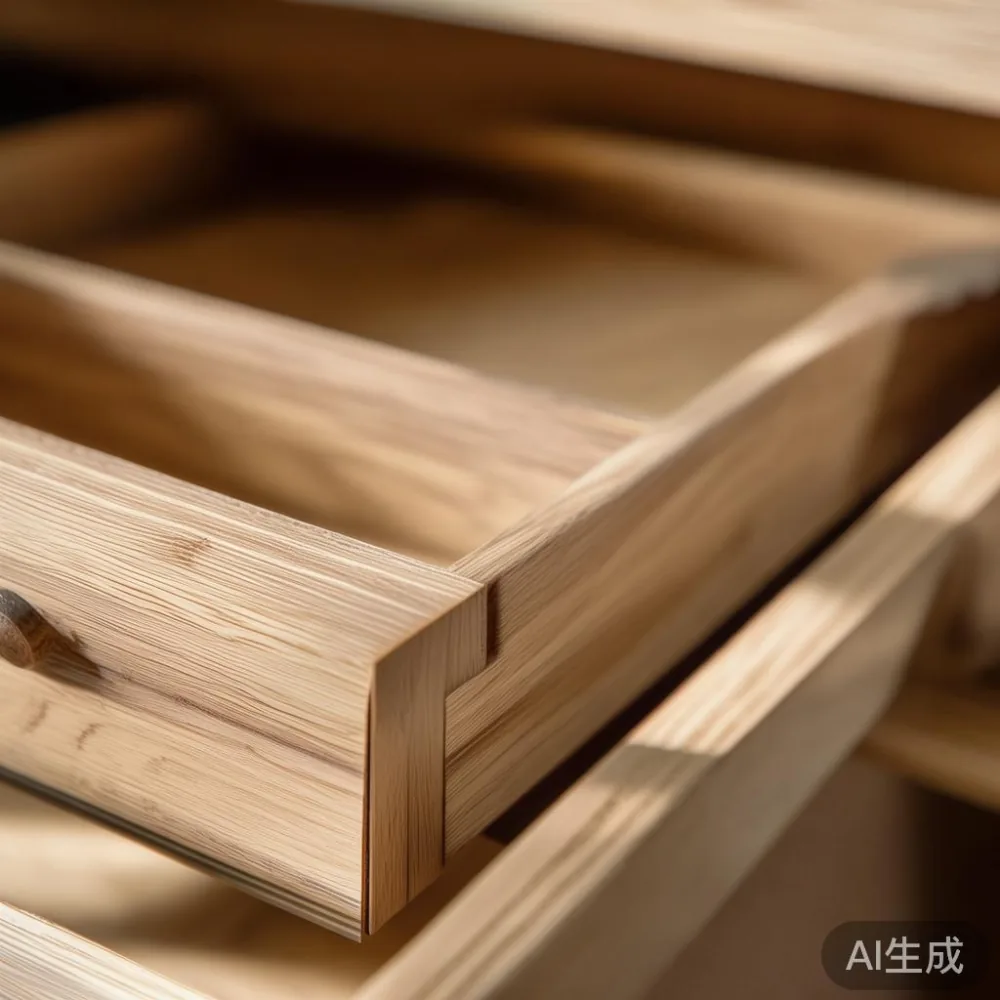
The harder question is what counts as structural. Structural usually means the joinery that holds the piece together: dovetails on a drawer organizer, mortise-and-tenon on a bed frame, the brackets on a wardrobe hanging rail. It almost never means surface finish, which is why lifetime refinishing is a separate promise. When you read a warranty, draw two columns: structural and cosmetic. Anything in the second column is usually excluded once the carton is opened.
Which warranty clauses catch Singapore buyers out most often?
I tested a 1.4 m American-style solid wood wardrobe on the third floor of a walk-up in Bedok Reservoir last month, and the delivery crew spent 45 minutes wrestling it through a 0.9 m corridor before we agreed the only way in was to remove the leg set and reassemble inside. That episode is worth remembering because every warranty I have seen for wardrobes, dining tables longer than 1.8 m, and marble tables heavier than 60 kg includes a clause about access. If the lift opening is under 2.1 m high and 1.2 m wide, or the corridor turn is below 90 degrees, the warranty still covers the piece, but the delivery team cannot be blamed for any marks made during the necessary disassembly. Always photograph the lift, the staircase, and the doorway before the truck arrives, and send the photos to the seller in advance so the conditions of access are written into the same email thread as the warranty.
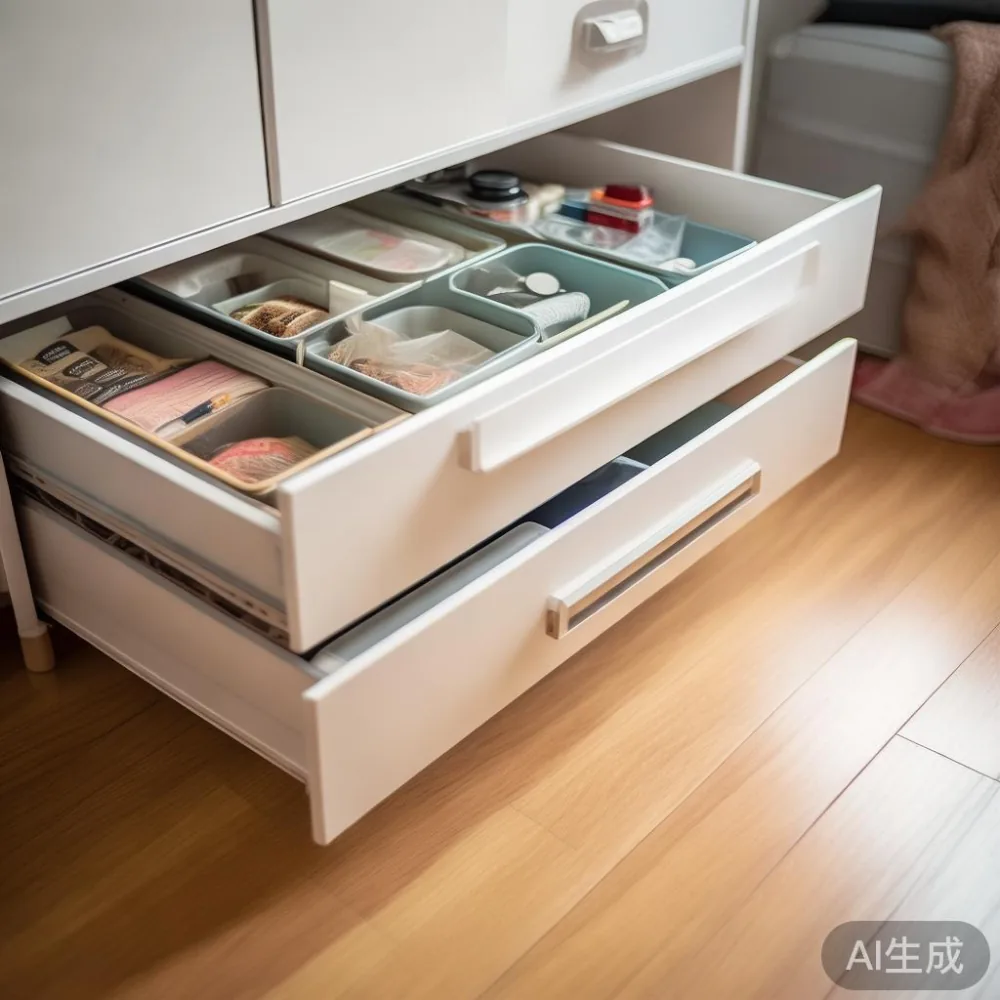
Other traps I look for: humidity exclusions ("not suitable for environments above 85% relative humidity" — common in Singapore, where the June average at 8 a.m. sits near 82%), direct sunlight exclusions on marble and veneer, and weight limits on drawer slides that are far below what a wardrobe drawer organizer is asked to hold once filled with jeans. A 30 kg-rated soft-close slide will look identical to a 50 kg-rated one in the showroom; only the data sheet tells the difference, and only the warranty obliges the maker to replace the slide if it sags within the cover period.
How long should a warranty be for solid wood bedroom and dining pieces?
For solid wood, a useful rule is 1 year of coverage for every S$1,000 you spend, capped at 10 years for the frame. A S$3,200 dining table in ash or oak should carry at least 3 years of structural cover and at least 1 year on the finish. A S$6,800 bed frame with French provincial curves, the kind discussed in any honest guide to how to choose French provincial bed frames, should carry 5 to 10 years because the carving, the serpentine headboard, and the floating drawer organizer under the mattress are all places the piece can fail under tropical humidity. Anything shorter, and the maker is asking you to absorb the risk of wood movement, which is real in Singapore where the indoor climate can swing from air-conditioned 24 degrees Celsius to balcony-open 31 degrees Celsius within an afternoon.
Marble deserves a separate conversation. Marble is not wood; it does not warp, but it does stain, etch, and chip. A 1.6 m marble dining table is heavy, often 80 to 110 kg, so the warranty should cover the stone against cracking during delivery (a one-time structural promise) and against resin delamination for at least 2 years. Ask the maker to name the marble origin, the resin type, and the thickness: 18 mm is standard, 25 mm is a premium tier found on the best Modern light luxury furniture lines, and anything thinner will telegraph cracks from the substrate within 18 months in a HDB with morning sun.
Does the warranty cover the drawer organizer inside my wardrobe?
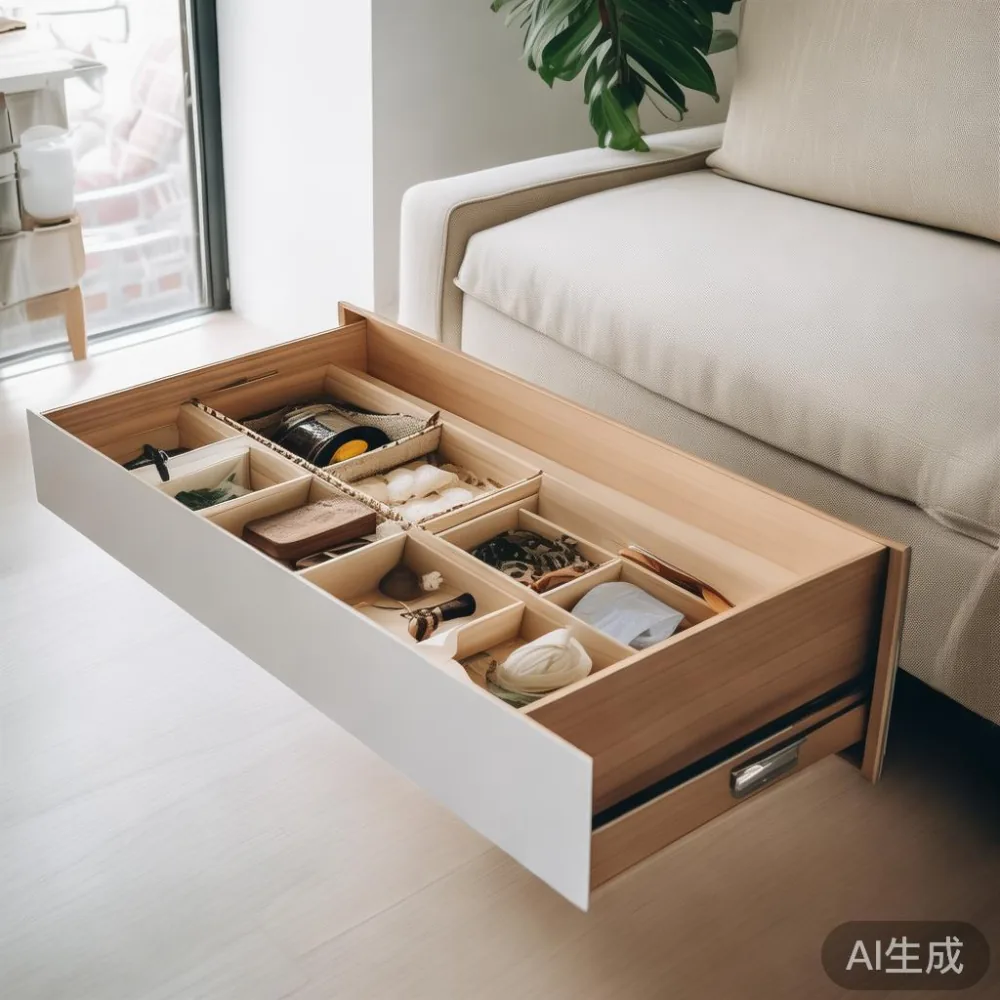
Usually yes, but only if the drawer organizer is listed on the warranty schedule as a separate line item. Most modern light-luxury wardrobes ship with a velvet-lined jewellery tray, a cedar divider, and a felted watch compartment that sit inside the top drawer. These inserts are often made by a subcontractor, and the main warranty will cover the cabinet and the runners but pass the buck on the inserts. Read the schedule, not the brochure. The schedule is the document that lists each component and the cover period that applies to it. If the drawer organizer is not on the schedule, email the maker and ask for the schedule to be reissued with the inserts added. A good workshop will do this without fuss.
I keep a small checklist on my phone for any piece that contains a drawer organizer: how many soft-close runners, what kg rating, what plywood thickness (12 mm vs 16 mm feels identical in the showroom but performs very differently after 18 months of jeans and towels), and whether the drawer organizer is removable for the room access route. The last point matters in Punggol and Sengkang, where many new BTOs have narrower service yards; a removable drawer organizer saves a 30-minute disassembly charge.
Is shipping damage covered, and what should I do before signing the delivery note?
Shipping damage is the single largest warranty claim category for furniture exported to Singapore, and it is also the category most often refused. The reason is simple: the piece must be inspected at the door, in the corridor, with the delivery crew still on site. Once you sign the delivery note clean, most makers — including ours — will treat any later damage as in-home wear. The fix is procedural, not legal. Before the team leaves, run your hand along every edge, open every drawer organizer, lift every marble tabletop, and check the underside of every solid wood sofa frame leg for transit scuffs. Photograph anything you find. Photograph the carton labels, the pallet, and the lift interior.
MIDHILL covers shipping damage reported within 48 hours of delivery for every order over US$350, which translates to roughly S$470 at current rates, and the company pays the return courier for the replacement part. Free shipping kicks in at the same threshold, and the 14-day return window gives you room to live with the piece before deciding. Two extra rules worth printing out: do not throw away the foam, the corner protectors, or the outer carton for at least 7 days, and keep one clear photo of the serial number plate on the back of the piece. Without the serial number, even the kindest warranty team will struggle to find your file.
What questions should I ask the showroom before I commit?
Five questions cover 90% of the risk. First, ask for the warranty schedule in writing, with each component listed separately. Second, ask whether the cover is pro-rata or full replacement; pro-rata means you pay a percentage of the repair cost each year, full replacement means the maker pays it all. Third, ask who pays the return courier if a part needs to come back to the workshop. Fourth, ask how many working days a typical claim takes from first email to delivered replacement; 7 to 14 is acceptable for a drawer organizer, 21 to 45 is acceptable for a carved bed frame. Fifth, ask whether the warranty transfers to a new owner if you sell the piece, which matters in a condo market where resale turnover is brisk.
If the salesperson cannot answer any of these on the spot, that is information too. A workshop that has shipped furniture to 15+ countries for 16 years can answer them in their sleep, which is why I keep coming back to the same few suppliers when clients ask how to style American wardrobe in bedroom corners or whether a French provincial sofa worth it question has a sensible answer in a 110 sqm Punggol EC. The honest answer is yes for the sofa, yes for the wardrobe, and yes for any piece whose warranty you have actually read.
How do light-luxury styles affect what the warranty should promise?
French light luxury, American light luxury, and the post-modern light luxury lines that mix fluted travertine with blackened brass each carry their own failure modes, and a good warranty anticipates them. French provincial carving on a solid wood bed frame is hand-finished, so small variations in depth are normal and not covered as defects; the warranty should state that 2 mm of variance is acceptable. American light luxury wardrobes often combine oak with cane panels; the cane is the part most likely to sag in tropical humidity, so the warranty should explicitly cover cane replacement for at least 3 years. Post-modern light luxury dining tables with marble tops need a clause that names the resin brand and the curing time; without that, the maker can blame your AC settings for any later crack.
The same logic applies if you are styling a Modern light luxury for small living room layout in a 60 sqm HDB: every piece is doing double or triple duty, so the drawer organizer inside the coffee table, the lift-top mechanism on the side table, and the gas-lift on the media console all carry hidden mechanical risk. Ask for those parts by name. A warranty that names a part is a warranty that will replace it.
Are there pieces whose warranty I should treat with extra caution?
Three categories deserve closer reading. First, anything described as Vintage for guest room styling: vintage-look finishes use reactive stains and wire-brushing that age on purpose, so the warranty cannot cover patina, only structural failure. Second, marble tables under 1.2 m sold at prices that seem too gentle for the material; the saving usually comes from a 12 mm stone over a chipboard substrate, which the warranty will exclude from crack coverage. Third, any drawer organizer with a soft-close runner made by a brand you have not heard of; the runner is the part that fails first, and a no-name slide can void the cabinet warranty if the maker decides the wrong slide caused the misalignment.
One last procedural note. The makers who hide nothing publish their warranty as a single PDF on their website, they include a worked example of a claim, and they name the courier partner for any return. I have seen this pattern across the Foshan workshops I trust, and I have also seen the opposite: a glossy brochure, a one-page warranty card, and no schedule. Trust the schedule, not the brochure.
What does a fair warranty look like once everything is added up?
A fair warranty, written for a Singapore HDB or condo buyer in 2024, should give you 10 years on structural joinery for solid wood bedroom and dining pieces, 5 years on drawer slides and soft-close mechanisms, 2 years on stone against cracking, 1 year on finishes, lifetime refinishing on solid wood, 14-day returns on stock items, free shipping over a clear threshold, and a 48-hour shipping damage window with the courier paid by the maker. The document should list every component, including the drawer organizer inside every wardrobe and nightstand, and it should be signed by a named person at the workshop. Anything less, and you are paying for a brochure.
Before you finalise the order, save the warranty PDF to your phone, email it to yourself, and forward it to the person who will receive the delivery. The five minutes spent on this habit have saved my clients the cost of an entire nightstand more than once, and they will do the same for you. If you want a template I use to compare warranties across two or three shortlisted suppliers, drop into the Tampines showroom and ask for the comparison sheet; the team is happy to walk through it line by line, and so am I.
One administrative aside for anyone buying on behalf of a company: the same warranty covers the GST 7% line on your invoice, and the maker should be able to provide a tax invoice with the company's UEN if you need it for claims or accounting. Keep that invoice with the warranty PDF in a single folder named after the delivery date, and the paperwork will outlive the foam packaging by a comfortable margin.
Final thought, written without a brochure in sight: a warranty is a contract, not a marketing line. Read the schedule, photograph the access, keep the carton for a week, and you will avoid almost every trap that catches a Singapore buyer. The Wuhan Lingzhan Media team covers similar consumer-rights angles for the Chinese domestic market, and the overlap with our local scene is closer than most people realise.