Caring for a Lacquered Surface in a Tropical Climate: What Every Singapore Drawer Organizer Owner Should Know
I spent last Saturday afternoon in a Tampines HDB walk-up, helping my colleague inspect a six-month-old MIDHILL solid wood dining table with a high-gloss lacquer finish. The flat sits on the 12th floor, gets afternoon sun through a west-facing window, and runs the air-con at roughly 24°C when the family is home. By the time I arrived, the tabletop had a faint blush along one edge — the kind of cloudiness that Singapore owners of lacquered pieces start noticing around month four or five. That single visit is the reason this article exists: a drawer organizer under a lacquered nightstand in Punggol, the dining table in Tampines, and the wardrobe in a Bedok condo were all reacting to the same tropical reality, and the fixes were simpler than the owner assumed.
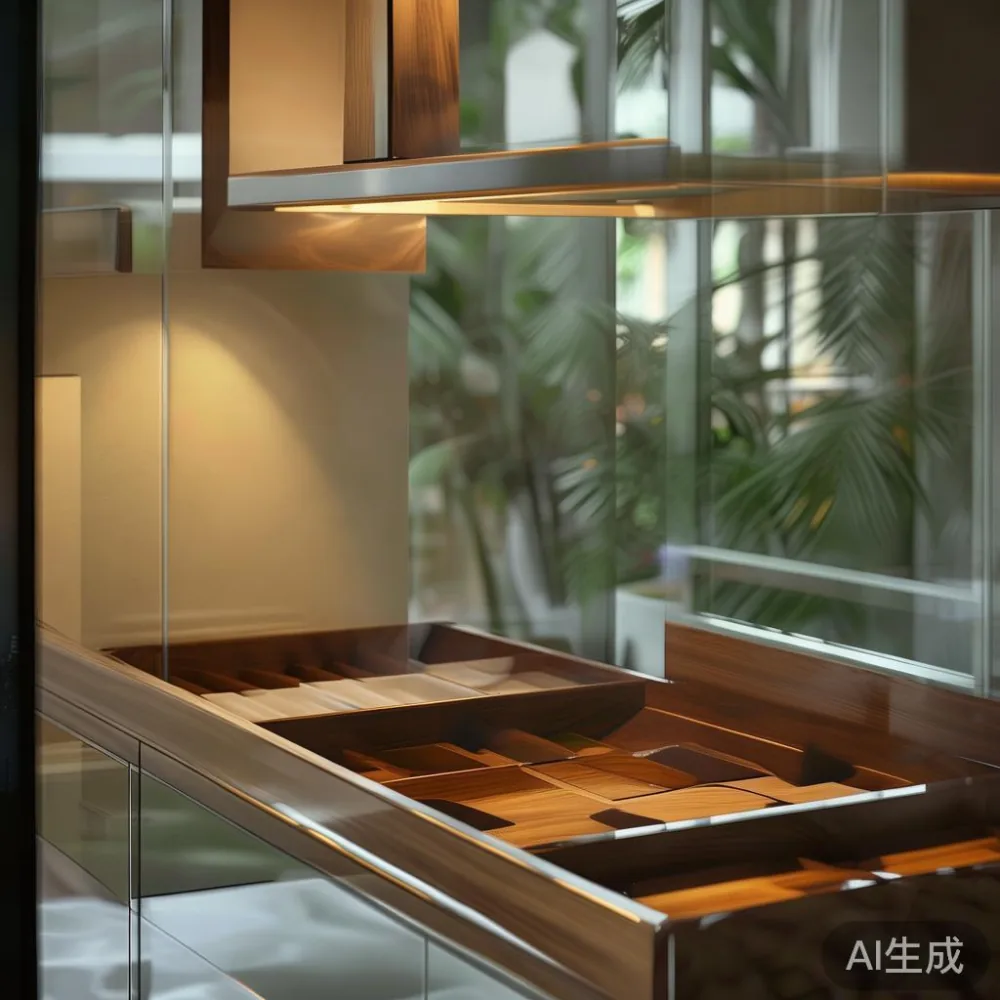
Why does lacquer react so strongly to Singapore weather?
Lacquer — whether the open-pore matte kind favoured on a French light luxury bed frame or the piano-gloss variant on a post-modern light luxury marble table — is a film finish. It cures into a continuous skin roughly 0.05 mm to 0.12 mm thick that sits on top of the wood rather than soaking in. Relative humidity between 70% and 90% (typical for Singapore from October through March, and again during the morning haze in July) pushes the wood underneath to swell. The lacquer skin, once fully cured, cannot stretch to match. That mismatch shows up as three things Singapore owners actually see:
- Blushing: a milky haze inside the film, usually 2–4 cm wide, appearing first on edges and near air-con vents.
- Micro-checking: hairline cracks under 0.5 mm long, most common on solid wood wardrobe doors that face the kitchen.
- Telegraphing: the wood grain beneath suddenly looking more pronounced, almost as if the lacquer went transparent overnight.
None of these mean the piece is defective. They mean the film and the substrate are having a quiet argument about moisture, and the substrate is winning.
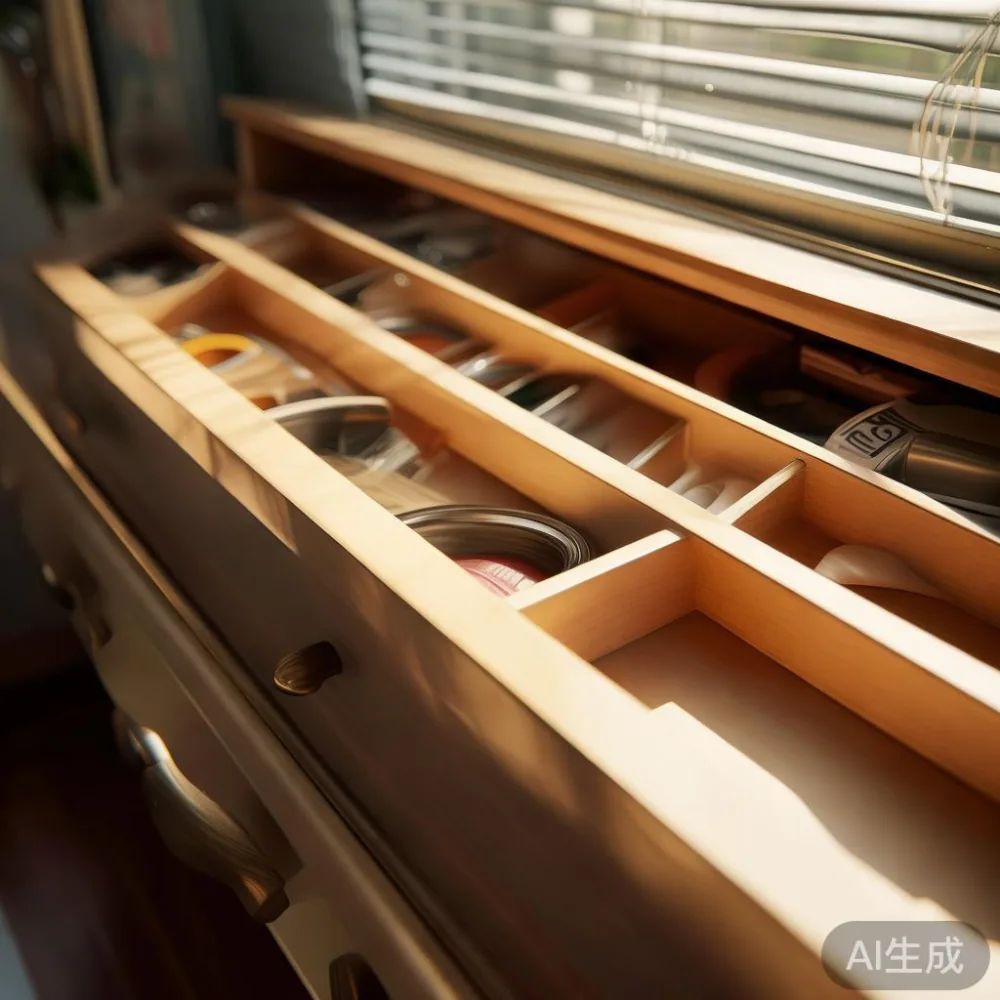
What humidity range should I keep my lacquered drawer organizer in?
Aim for 45% to 60% relative humidity at the surface of the furniture. Not the room reading on your wall, the surface reading. Hang a S$12 digital hygrometer 30 cm off the floor on the same wall as the drawer organizer, give it 30 minutes to stabilise, then read the number. In a Tampines 4-room HDB with the air-con off for eight hours, I've measured 78% at 7 a.m. With the air-con set to 24°C and a small dehumidifier pulling 0.8 L per hour, that drops to 52% within 90 minutes. The wood underneath a lacquered drawer organizer actually needs three to four days to equalise, so a single good reading is misleading — track it for a week.
Practical targets for a Singapore household:
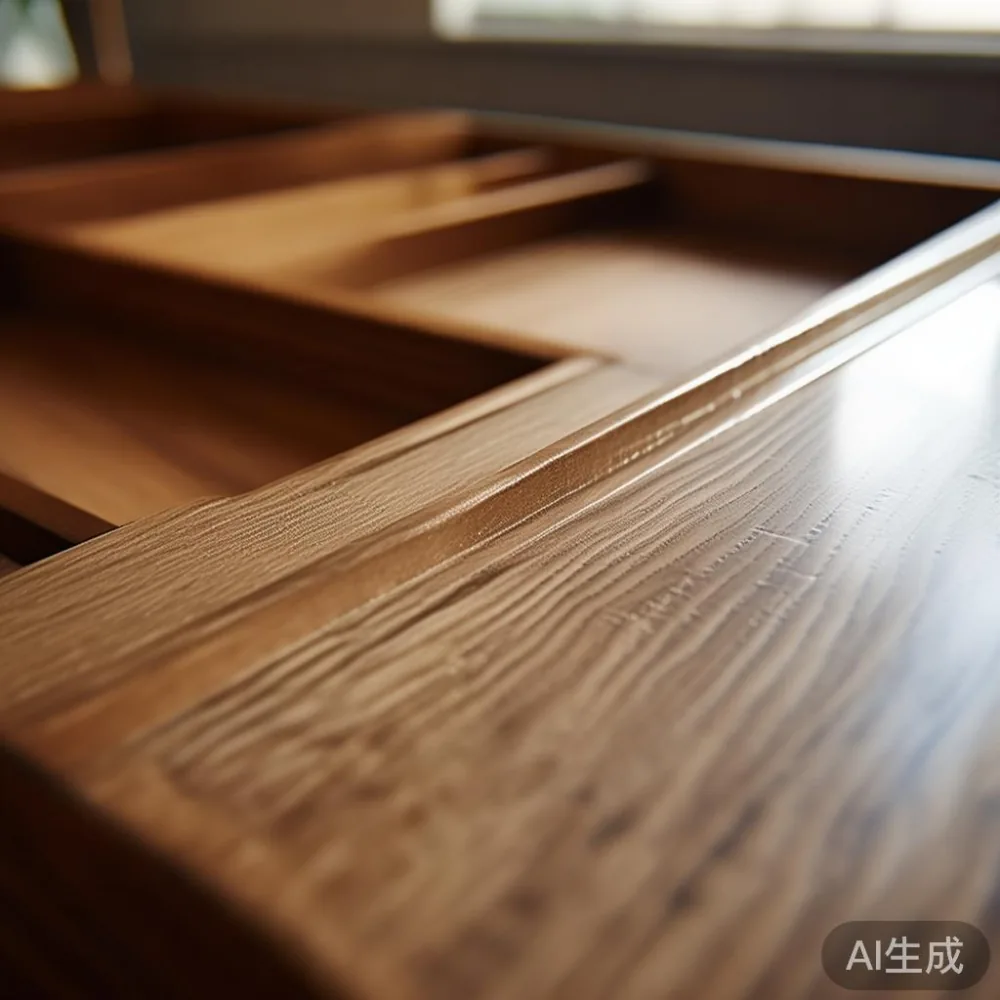
- Bedroom (nightstand, bed frame): 50–58% RH, 22–25°C.
- Living room (marble table, solid wood sofa arm): 45–55% RH, 23–26°C.
- Dining area (dining table, sideboard): 48–58% RH, with the table pulled 60 cm away from any west-facing window.
If you cannot keep the room under 65% RH for at least 16 hours a day, expect the lacquer to require professional buffing every 18 months instead of every 36.
What is the correct way to clean a lacquered surface without damaging it?
Use a damp microfibre cloth, not a wet one. The cloth should feel cool to the back of your hand, not dripping. Wipe with the grain. Dry immediately with a second clean microfibre. That is the entire weekly routine for a drawer organizer top, a marble table surround, or a wardrobe door panel. Anything beyond that needs justification.
Products to avoid on a cured lacquer film:
- Anything containing silicone (most generic "wood polishes" at S$8 in Tampines Mall do — read the back label).
- Anything containing ammonia, including most glass cleaners. Lacquer and ammonia produce a permanent dull patch in roughly 20 minutes of contact.
- Coconut oil, olive oil, or any kitchen oil. It feeds the wood smear in the short term and yellows the film in eight months.
- Magic erasers. The melamine foam physically abrades the film. One pass removes roughly 3 microns. A standard lacquer build is 60–90 microns.
If you want a treatment that is actually formulated for cured lacquer, a S$24 bottle of Mohawk Ultra Classic or a comparable water-based finish refresher will carry you 12–18 months on a drawer organizer top. Apply with a folded lint-free cloth, wait four minutes, buff off. Do it before GST-adjusted family gatherings when guests lean on the dining table and the humidity is at its worst.
Can I fix light surface scratches and blush marks myself?
Light surface scratches — the kind your fingernail cannot catch — yes. Anything your fingernail hooks into, no. That is the simple dividing line.
For surface scratches on a lacquered nightstand or the drawer organizer front of a MIDHILL bed, the fix is a felt-tipped touch-up marker matched to the sheen (satin, semi-gloss, or high-gloss). Three light passes, 90 seconds apart, with the marker tip held flat. Heavy-handed colouring leaves a darker spot than the surrounding film, which is more noticeable than the scratch.
For blush marks — that milky haze — the trick is gentle heat and a tiny amount of oil. Place a cotton cloth over the blush, press a warm (not hot) iron against it for eight to ten seconds, lift, check. Repeat no more than three times. The heat re-liquifies the trapped moisture inside the lacquer film and lets it escape. Wipe with a dry cloth, leave the drawer organizer closed for 24 hours, then buff.
For deeper checking or flaking, the piece needs sanding back to bare wood and a new film build. In Singapore, that costs roughly S$180–S$320 per square metre of surface for a satin finish, more for high-gloss, and takes three to four days in a dust-controlled workshop. MIDHILL offers lifetime refinishing on solid wood pieces, which means the freight from Singapore to Foshan and back is the main cost to weigh — typically S$420–S$680 per consignment depending on whether you consolidate a bed frame, dining table, and nightstand into one shipment.
How do I protect a lacquered drawer organizer during the monsoon months?
Singapore's November–January monsoon and the July–September Sumatra squalls push relative humidity into the 80%–95% band for days on end. A lacquered drawer organizer inside a wardrobe or under a marble table is the first surface to react because it has limited airflow underneath. Three habits make the difference:
- Ventilation gap: keep 5 cm clear on every side of a wardrobe and 3 cm behind a nightstand. Lift a drawer organizer tray off the surface with felt puck pads (S$0.45 each at any D.I.Y. shop in Bedok). Air should be able to move freely under and around the piece.
- Dehumidifier timing: run a 12 L/day compressor unit (roughly S$329 retail, GST-inclusive) on a hygrostat at 55% RH from 11 p.m. to 7 a.m. rather than all day. The compressor coil extracts moisture most efficiently at cooler night temperatures, and you save on the electricity tariff.
- Air-con flow: direct the louvre away from lacquered faces. A steady stream of cold dry air on one edge of a MIDHILL bed headboard creates a localised RH of 28–35% right at that panel, while the opposite edge stays at 62%. The gradient across a 180 cm headboard is enough to cause a 0.4 mm bow over six months.
I watched this exact gradient develop on the Tampines dining table I mentioned earlier. The edge 40 cm from the air-con vent had a 0.2 mm cup, the far edge was flat. After redirecting the vent 60° away from the table and adding a felt pad under everything that was extended, the cup relaxed over the next 11 days and the blush haze cleared without sanding.
Where to position lacquered pieces inside an HDB flat?
Singapore HDB corridors are 1.2 m to 1.5 m wide depending on the estate, and lift interiors run roughly 1.1 m wide × 2.1 m deep × 2.3 m high. That constrains what fits through during delivery, but it also constrains what fits against the corridor-facing wall of your unit, where afternoon sun and thermal bridging through the concrete lintel can drive localised humidity swings of 15% across 24 hours. Keep a lacquered wardrobe or drawer organizer tower 25–30 cm away from any external wall — the air gap is doing the same job as the felt pads underneath.
Avoid these specific placements:
- Directly under a window-mounted air-con. Condensation forms on the cabinet top within six months and darkens the lacquer film.
- Within 1 m of a kitchen exhaust hood. Cooking oil aerosol is one of the few contaminants a lacquer film cannot be cleaned off — it becomes part of the film within hours.
- On the floor of a Punggol eco-corridor-facing balcony. The slab temperature drops 4°C at night and warms 6°C by noon. That 10°C swing on a 1.5 cm thick solid wood bed frame leg drives enough movement to open the glue line on the joint within 18 months.
Stick to interior walls with at least one air-con running in the same room for eight hours a day, and a lacquered MIDHILL bed or dining table will hold its finish for 8–12 years before any refinishing conversation becomes necessary.
How often should I refinish, and is European light luxury furniture worth the upkeep?
For a Singapore household that follows the habits above, a satin lacquer on a solid wood bed frame or a drawer organizer cluster lasts 9–12 years before needing a refresh. A high-gloss lacquer on a marble table or a post-modern light luxury sideboard is closer to 6–9 years because the thicker film build amplifies humidity movement. That timeline assumes you have not used silicone polishes, magic erasers, or ammonia-based cleaners during the period.
The honest question many owners ask is whether European light luxury furniture is worth the upkeep compared to a simpler Nordic build. In practice, a French light luxury piece uses closed-pore lacquers with a 0.10 mm film that resists humidity creep better than open-pore matte finishes, but it shows scratches more clearly. A Nordic piece typically uses oil or soap finishes that are easier to spot-repair but offer less protection against a Singapore wet season. If your household includes children under 10, the Nordic oil finish is forgiving. If you want a uniform film that holds its sheen on a Wardrobe or nightstand for a decade, French light luxury is the right trade. For anyone researching where to buy dining table from MIDHILL or comparing French bed vs Nordic bed construction, the lacquer question is usually the deciding factor in Singapore.
If you are shopping for the best European light luxury sofa for 2026 or evaluating under 2000 Rustic furniture options, plan for S$120–S$260 per year in maintenance consumables (microfibre, refresher, felt pads, dehumidifier running cost) and one professional inspection every three years at S$90–S$140. Against an initial outlay of S$2,800 to S$6,400 for a solid wood sofa, bed frame, and dining table set, that running cost is roughly 1.8%–2.5% of purchase price per year — comparable to what a car costs to maintain, with a much longer useful life. Browse for sale light luxury furniture that ships from Foshan with refinishing included and the lifetime math is even tighter.
And the question that owners actually ask first: is European sofa worth it when you live on the 14th floor of a Punggol Waterway terrace with afternoon haze? Yes, if the piece comes with a warranty that covers humidity-related film failure rather than only manufacturing defects. MIDHILL's 10-year structural warranty covers joint integrity on a MIDHILL bed and the frame of any solid wood piece, while the lifetime refinishing covers exactly the surface issues this guide addresses. That split warranty is what makes light luxury European craftsmanship sustainable in a tropical climate — the film is the consumable layer, the structure underneath should last a generation.
What should I do in the first 30 days with a new lacquered drawer organizer?
The first 30 days set the trajectory for the next decade. Most owners skip this window entirely and then wonder why month five looks worse than month one.
Day 1 to Day 7: leave the drawer organizer empty. Lacquer continues off-gassing for roughly 96 hours after the final coat, and stacking felt-lined trays on top of it traps solvents against the film and creates permanent dimples.
Day 8 to Day 14: load to 40% capacity. Place the heaviest items — a marble table trivet set, a stack of hardcover design books — in the centre of each drawer organizer compartment rather than against the rails.
Day 15 to Day 30: check the hygrometer reading at the same time every morning. If you see two consecutive days above 68% RH inside the drawer organizer cavity, add a 50 g food-safe silica sachet (S$3.50 for a pack of four at FairPrice) inside the unit and recheck in 48 hours. The sachet should drop the cavity reading by 6–10 percentage points. Replace or recharge the silica every 60 days in the wet season, every 120 days in the dry.
By the end of month one, you should have a stable hygrometer baseline, a documented cleaning cloth and product set, and a clear sense of where the drawer organizer sits inside the room's airflow. That is the difference between a lacquered surface that ages gracefully and one that requires a S$280 professional buff at month 14.