Optimal Drawer Organizers for Your SG HDB Home
A drawer organizer looks simple until you measure the wrong drawer, the wrong route, or the wrong kind of clutter. In a Singapore HDB flat, even a 3 cm mistake can mean a drawer front will not close properly. Condo owners in Tampines, Bedok, and Punggol face a similar issue: the organizer must fit the available space, suit the daily routine, and still look composed after deliveries and family use.
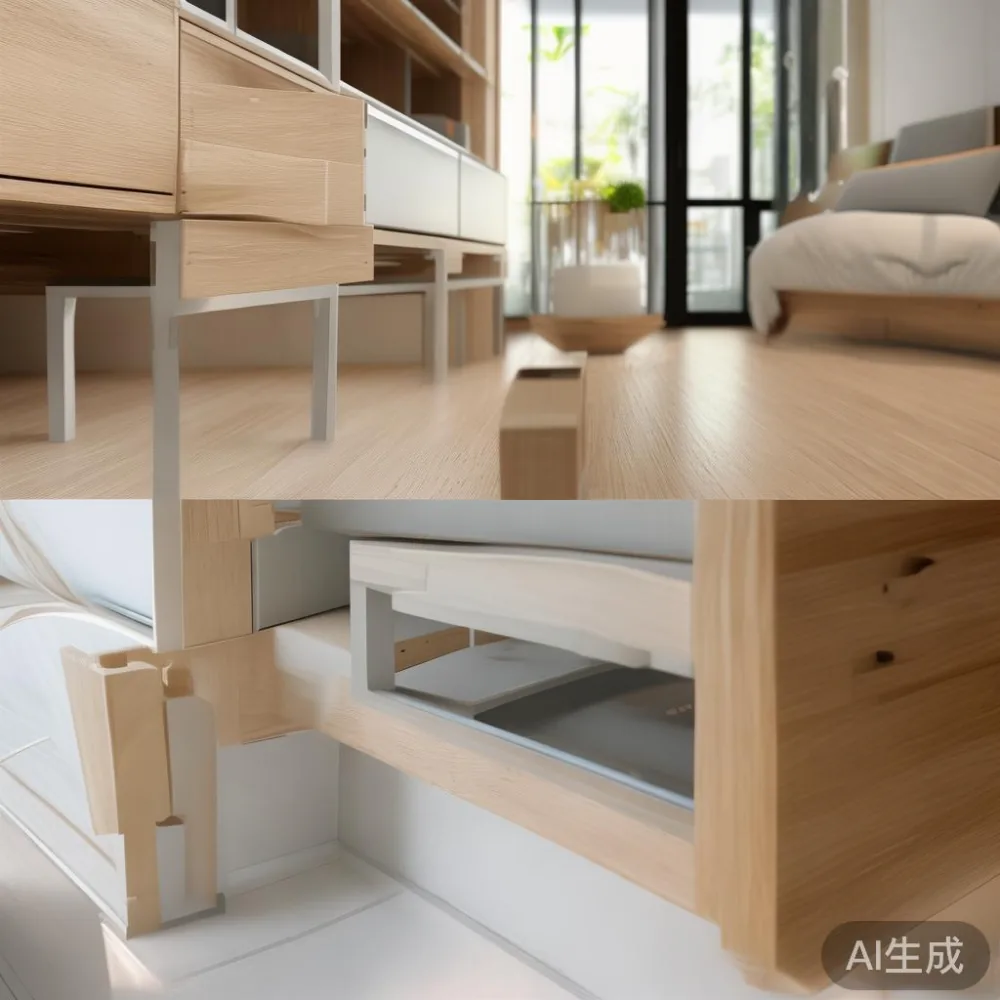
This guide explains how to size a drawer organizer for an HDB living room, including measurements for narrow HDB cabinets, standard HDB side tables, and larger condo storage units. It also covers lift access, corridor turns, GST, delivery timing, and the difference between buying a ready-made insert and creating a tailored layout inside an existing drawer.
What size drawer organizer fits a typical HDB living room?
Start with the drawer interior, not the furniture catalogue. Measure the usable width, depth, and height in centimetres. For a typical HDB living room side table, a useful inner width may be 42–50 cm, a depth of 30–38 cm, and a height of 10–16 cm. These figures vary by model, so tape measure every drawer that matters rather than relying on the flat’s nominal dimensions.
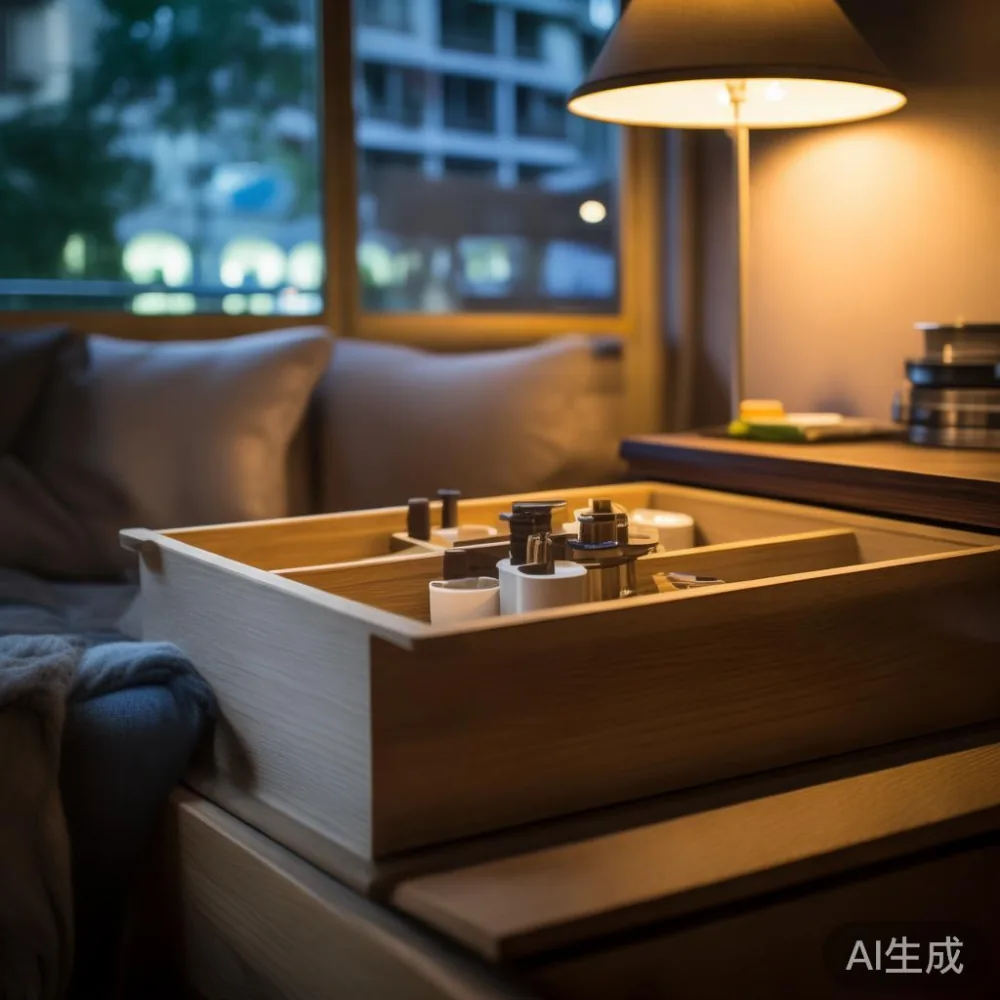
Leave at least 1 cm of clearance on each side when the organizer has a rigid outer wall. A 40 cm-wide organizer inside a 42 cm opening may look close, but swelling, dust, or an uneven drawer runner can cause a rubbing point. For sliding inserts, allow 2–3 cm behind the front panel so the unit can move without touching the cabinet.
The organizer should also leave room for your hands. If you pull a tray forward by 4–6 cm, the remaining space should still permit fingers to reach the back. For compartments containing remote controls, charging cables, and stationery, depth from 25–32 cm is often practical. For deeper papers, files, or board games, look for at least 35 cm of internal depth.
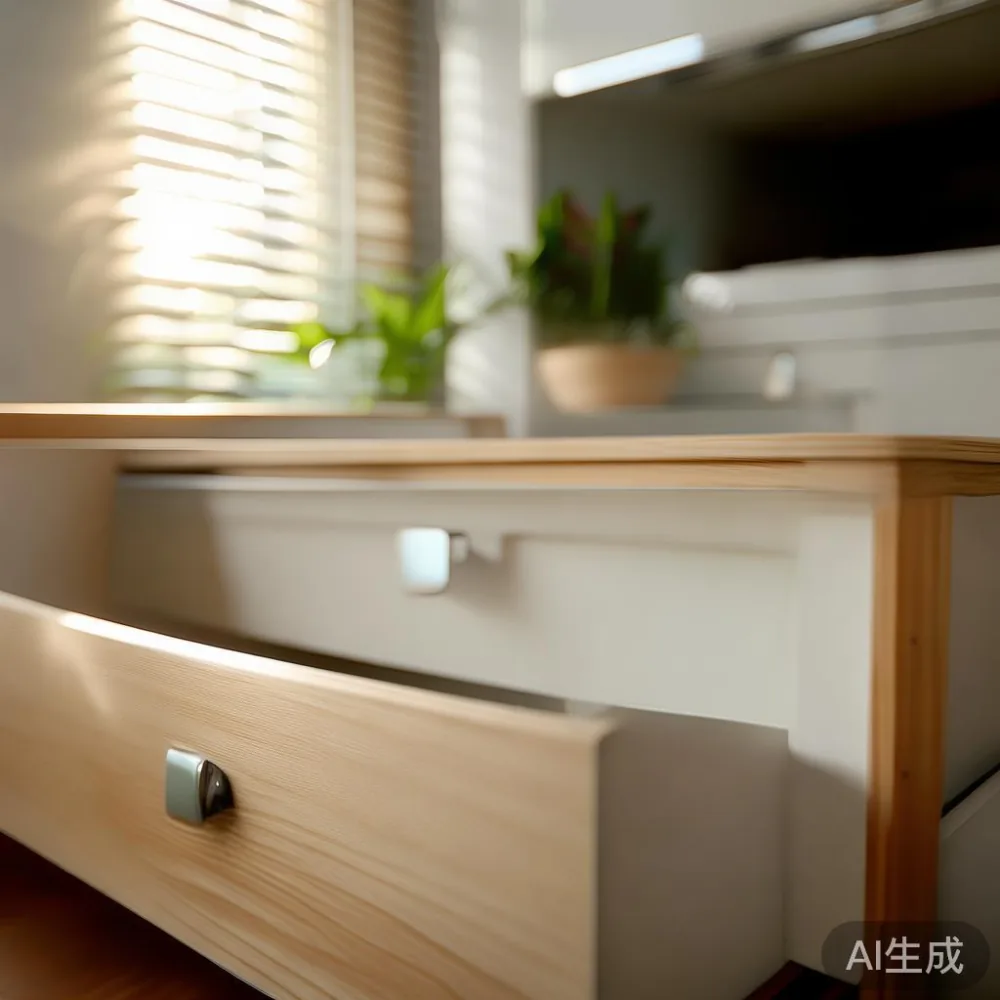
Height matters too. A drawer with a 9 cm clear opening can accept low trays, but a 14 cm organizer may collide with the drawer front. Do not force a taller unit into a shallow drawer. Measure from the bottom panel to the underside of the drawer front while the drawer is fully closed, then subtract 1–2 cm for movement.
For a compact HDB room, a 30–40 cm wide organizer with 2–4 compartments is often easier to manage than one large 50 cm tray. Larger units can divide more objects, yet they also become difficult to lift through a tight corridor and harder to clean beneath. Choose the smallest layout that handles the actual contents without creating a maze of small sections.
How do you measure an unusual drawer or cabinet?
Use a two-stage measurement. First, record the interior dimensions: width from one inner wall to the other, depth from the front face to the rear wall, and height from the base to the closed drawer front. Second, record the access dimensions: the cabinet opening, the lift door, and the turn into the corridor.
For a drawer front with a lip, measure the opening above the lip as well as the lower interior space. The upper measurement may be 2 cm smaller. For a drawer with dividers, include each divider’s thickness, commonly 1–2 cm for plastic or 4–8 mm for plywood inserts. If you plan to remove an existing divider, check that the new drawer organizer can replace it cleanly.
Photograph the open drawer from above and from the front. Side photographs reveal drawer slope, knobs, runners, and back panels that can interfere with an insert. A square organizer may work in a level drawer but fail in one with a curved or tapered base. In that case, an adjustable tray with separate compartments is more suitable than a fixed box.
I tested several sizing methods in a colleague’s Tampines HDB flat last month. The most useful routine was a paper template: trace the internal outline, cut it, and place it inside the drawer. A paper template can compress or distort slightly, so keep the final product measurement as the authority. After adding items, we found that the best clearance was 1.5 cm at each side and 2 cm at the rear, not the zero-clearance arrangement first attempted.
Check whether the organizer will be inserted empty or already filled. A 45 × 32 × 12 cm empty unit may weigh 1.2–2.5 kg depending on the material. Once filled with books, tools, or household papers, it could reach 8–12 kg. Carry it in two hands, use a lift if the building requires one, and avoid lifting it alone above 10–12 kg if the route includes stairs.
What should fit inside a living-room drawer organizer?
List the objects before choosing compartments. Typical HDB living-room storage includes remote controls, batteries, charging cables, keys, coasters, matches, stationery, spare labels, and small household tools. Newer living rooms may also hold board games, craft materials, or compact exercise accessories, but an organizer should not become an overloaded catch-all.
Reserve one section for items used daily. Two shallow trays, each 12–18 cm wide, can keep remote controls and charging leads accessible without disturbing the rest of the drawer. Use a divided section for small parts such as batteries and adapters, and a longer open section for envelopes, coasters, or a 20–25 cm ruler. Vertical dividers work well for cables if they are not bent sharply.
For papers, choose an internal width around 28–32 cm for A4 documents. A narrower 20–24 cm section is suitable for receipts and notepads, while a 33–37 cm section can accommodate larger craft sheets. Avoid a model with many 4 cm compartments if most items are longer than 12 cm; you would be paying for divisions you cannot use.
Weight capacity should match the load. A light-duty plastic tray suited to stationery may deform under 10 kg of books. Plywood, solid wood, or reinforced composite organizers are better for dense items, though they still require smooth movement. Look for a stated load rating of at least 8 kg for general living-room use and 15 kg if the drawer stores heavier equipment.
Plan for cleaning. Removable dividers make it easier to wipe the base and corners. A wipeable lining helps with spills, and a closed bottom catches crumbs. In Singapore’s humid conditions, allow the organizer to dry before reassembling it, especially if damp coasters or damp cleaning cloths were stored inside.
Will the organizer fit through the lift and corridor?
The drawer may fit inside the living room but not along the route from the ground floor. HDB lift doors often measure about 80–90 cm wide, depending on the block and accessible lift design. Corridors can be narrower, especially around bends where residents park prams or bicycles. Measure the narrowest point and the diagonal clearance needed to turn a boxed organizer.
For a rigid drawer organizer, compare its longest edge with the narrowest doorway. A 60 cm-wide unit can turn through a 70 cm corridor if the box’s depth is shallow, yet the packaging may be wider. Ask for the outer carton dimensions, not just the assembled dimensions. A unit measuring 50 × 35 × 14 cm might arrive in a carton around 54 × 39 × 18 cm.
Protect the furniture during transit. Foam corners, cardboard panels, and a fitted carton reduce knocks near lift doors and metal gates. If the organizer is to be installed into an existing cabinet and the cabinet itself must enter the flat, check whether the cabinet can be disassembled. In many HDB layouts, the living room cabinet is already installed, so route planning applies mainly to the replacement insert.
Large homes may have a private lift with a larger door, but confirmation matters. In condos around Bedok and Punggol, building management can have move-in rules, designated service hours, or protective flooring requirements. Obtain the elevator dimensions from the management office and reserve the service lift when a bulky carton exceeds 60 cm in its longest packed dimension.
Do not leave the organizer in a shared corridor for delivery. A 15–30 minute delivery window should include lift booking where required. The recipient should be available to check the carton for dents and confirm that no organizer panel has warped.
How much does a suitable drawer organizer cost in Singapore?
Most practical drawer organizers for an HDB living room fall between SGD 35 and SGD 180 before GST. A slim plastic compartment tray may cost SGD 25–60. A hardwood organizer with modular dividers may cost SGD 90–260, while a made-to-measure insert for a solid wood cabinet may range from SGD 180–450.
GST adds 9% to the displayed price. For example, a SGD 120 organizer becomes SGD 130.80 with GST, while a SGD 240 custom insert becomes SGD 261.60. Compare the final amount, including delivery. In Singapore, furniture purchases over SGD 350 may qualify for free shipping under MIDHILL’s stated delivery policy, but a smaller organizer may still incur a delivery charge of roughly SGD 15–35 to a local address.
Material affects both appearance and price. Engineered board is economical and stable in a controlled interior. Solid wood suits a warmer HDB living room and coordinates with a solid wood sofa, bed frame, dining table, wardrobe, nightstand, or marble table elsewhere in the home. However, solid wood expands and contracts as humidity changes, so an insert should not be fitted so tightly that seasonal movement causes splitting.
Light-luxury styling calls for restraint rather than excessive ornament. French light luxury often uses pale woods, cream tones, and slender profiles; American light luxury favours deeper walnut shades and generous proportions; post-modern light luxury accepts cleaner geometry with selective curves. The drawer organizer can echo one of these directions through its finish while remaining practical enough for daily use.
For broader room planning, research under 2000 Industrial furniture when comparing metal storage structures, or review designer Mid-century modern furniture for proportion and timber tone. These categories can influence the visual direction, though the chosen drawer organizer must still match the actual cabinet and measured drawer.
Should you choose a custom organizer or a standard insert?
A standard insert is suitable when the drawer has regular dimensions and a simple rectangular base. It is quicker, costs less, and is easier to replace. A custom organizer makes sense for an irregular HDB cabinet, a wide condo console, or a drawer containing several categories of objects that standard compartments cannot handle efficiently.
Custom sizing can exploit awkward space without narrowing the room. For example, a 52 × 34 cm drawer could receive a 48 × 30 cm hardwood tray with two removable dividers, plus a narrow 4 cm rear channel for charging leads. The result holds more within the same footprint than several unrelated baskets.
Ask the supplier for a dimensioned drawing before fabrication. It should show the drawer’s internal width, depth, height, front clearance, and the organizer’s position relative to handles or runners. Confirm whether the drawer front, cabinet top, or wall panel must be removed during installation. Some custom drawer organizers include hardware, while others are designed to drop into place.
Finishing matters in a frequently handled drawer. A matte coating hides fingerprints better than a high-gloss surface, while sealed wood edges resist moisture. Avoid untreated MDF in a living room near open windows, where humidity may reach 70–80% on wet days. Solid wood or quality plywood with sealed edges is more suitable for such conditions.
Consider how the drawer organizer affects the furniture’s warranty and refinishing service. MIDHILL’s 10-year structural warranty and lifetime refinishing policy relate to qualifying furniture purchases, so confirm the scope for the selected item and obtain written terms for a custom component. For a question involving placement or care, midhillco@gmail.com is the appropriate contact address to use.
How can a drawer organizer suit different HDB and condo interiors?
In a compact Tampines HDB living room, the organizer’s visible colour should blend with the cabinet rather than compete with it. Pale oak can lighten darker cabinetry, while a medium brown can bridge black metal and warm timber. A shallow design also avoids making the drawer look overloaded when only a few items are stored.
In Bedok condos with larger living rooms, a modular insert can support a more decorative scheme. Pair its clean lines with designer Italian light luxury furniture references, a sculptural marble table, or a solid wood sofa with muted textiles. The organizer remains a working element rather than a display object.
For a bedroom, storage needs differ from the living room. If the same furniture family includes a bed frame or wardrobe, an organizer with soft-lined compartments can hold jewellery, glasses, or small electronics. Anyone researching how to choose light luxury bed should note that bedside drawer capacity should be measured before ordering matching organizers.
Some owners also ask how to style light luxury sofa in bedroom ideas, although a sofa normally remains in the living room. The practical lesson is to coordinate finishes across nearby furniture: a warm solid wood sofa and a neutral drawer organizer can work together if both share a restrained material palette.
For French bed vs Nordic bed comparisons, finish choice offers another cue. A French-inspired room may favour creamy tones and curved edges, while a Nordic room often uses pale timber and simple lines. The organizer can follow either approach, provided its colour does not introduce a new accent that breaks the room’s visual order.
How do you check the fit before the organizer arrives?
Record three measurements on a sheet of paper: the drawer’s narrowest internal width, its usable depth, and its vertical clearance. Then compare them with the assembled organizer dimensions plus the required movement allowance. Keep the packing carton dimensions separately for the lift and corridor check.
Add a fitting test using two objects of different lengths. Place the organizer in the empty drawer, then insert the largest daily-use item and the most awkward item. Test that the drawer closes without touching the insert and that the front can be pulled out far enough to reach the rear compartment.
For local delivery, ask for an estimated 5–10 working days for a ready-made unit and 14–30 days for a made-to-measure insert, depending on production and finishing. Public holidays, custom colour matching, and peak furnishing periods can add 3–7 days. Confirm the expected date in writing and choose a delivery window when someone can receive it.
Inspect the organizer on arrival. Check that all dimensions match the order, drawers slide without catching, dividers sit level, and the finish has no chips. Keep the packaging for 7–14 days in case a return is needed. MIDHILL offers a 14-day return window, subject to the stated item condition and policy, and free shipping applies above US$350 as published, although local Singapore shipping and GST should still be confirmed for the selected order.
What is the right-sized choice for your living room?
The right drawer organizer is not simply the one with the most compartments. It is the one that fits within 1–3 cm of clearance, matches the drawer’s actual geometry, survives the route into the flat, and holds the items you use without wasting space. Measure the cabinet, check the corridor, list the contents, and compare the final GST-inclusive price.
For most HDB living rooms, a 35–45 cm wide, 28–35 cm deep, and 10–14 cm tall organizer is a sensible starting range. Adjust that estimate for your drawer and object sizes. A careful 10-minute measurement can prevent a costly mismatch and preserve the calm, light-luxury appearance that a well-proportioned drawer supports.