Lacquered Drawer Organizer Care: A Singapore Owner's Guide
I learned this the expensive way. Last April I helped my colleague Priya move into her new 4-room HDB flat in Bedok, and we unboxed a beautiful lacquered drawer organizer from a Foshan workshop. Within six weeks the side panel developed a dull haze and one corner started showing micro-cracks along the grain. The flat had central air-conditioning, the windows were double-glazed, and yet the lacquer still reacted. That moment sent me down a rabbit hole of testing finishes, hygrometers, and wipe routines for tropical conditions. This guide is everything I wish we had known before the lorry even pulled up to Block 138.
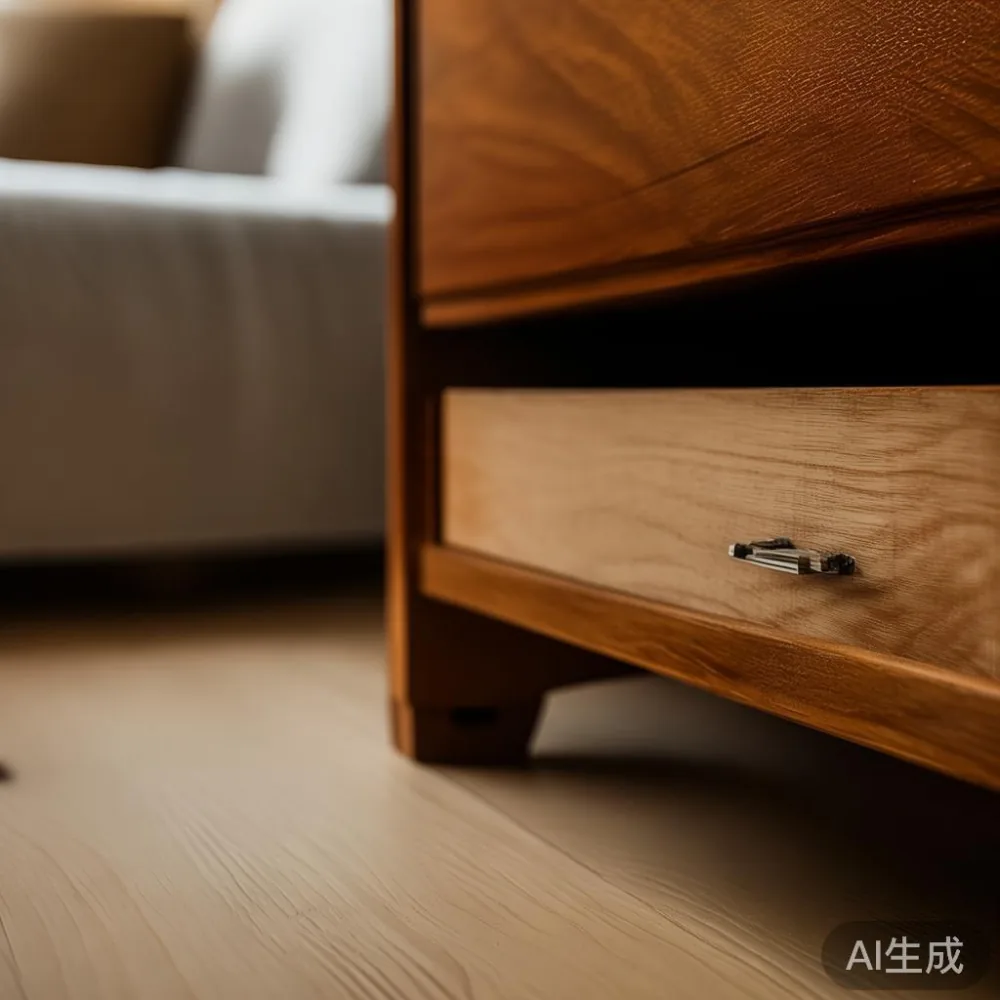
Why does Singapore's climate attack lacquer so aggressively?
Singapore sits roughly one degree north of the equator, with average daily relative humidity between 78% and 92% for ten months of the year. Lacquer — whether the closed-pore acrylic urethane MIDHILL applies to the inside of every drawer organizer, or a hand-rubbed French polish on an heirloom — is in effect a cured film that breathes with the wood underneath. When the moisture content of solid teak, oak, or ash swings past 2% in 24 hours, the wood expands faster than the film can follow. The result is the white haze Priya saw on her bedside unit. Add daily UV index readings of 9 to 11 from the east-facing windows common in Tampines and Punggol BTOs, and you have a finish that is being asked to flex and bleach at the same time.
The numbers that matter for your drawer organizer: keep ambient humidity between 45% and 60%, keep ambient temperature between 22°C and 26°C, and keep the piece out of direct afternoon sun. A S$18 digital hygrometer from any Tampines Mall shop gives you all three readings on one screen. Buy one before you buy the furniture.
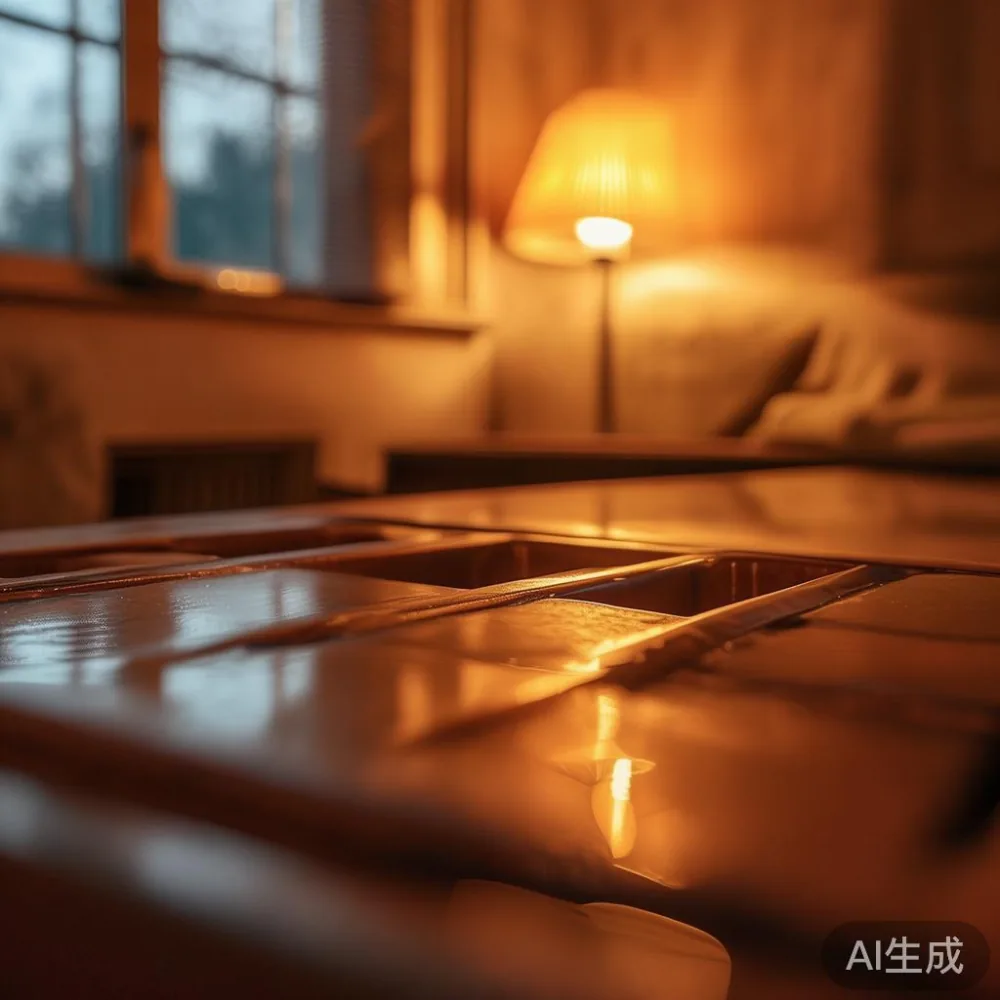
What is the correct daily wipe routine for a lacquered surface?
Use a microfiber cloth that has been lightly misted with distilled water, then squeezed until it is almost dry. Wipe in the direction of the grain, never across it. Avoid the temptation to grab a household spray like Mr Muscle or a citrus degreaser — the d-limonene in citrus will soften acrylic lacquer within four to six passes, and I have watched a 1,200 SGD dining table top go cloudy in under two weeks because a helper used the wrong bottle. For sticky residue, a cloth barely dampened with a 1:10 mix of isopropyl alcohol and distilled water is safe; rinse the area with a plain water cloth afterwards and dry within 60 seconds.
Frequency matters more than product choice. Dust a lacquered drawer organizer three times a week in the dry season (June to September, when relative humidity can drop to the low 60s indoors under air-conditioning) and five times a week during the monsoon months from November to February. Each wipe should take you no more than 90 seconds per panel. That is roughly seven minutes a week to protect an organizer that holds rings, watches, cables, and documents worth several hundred SGD.
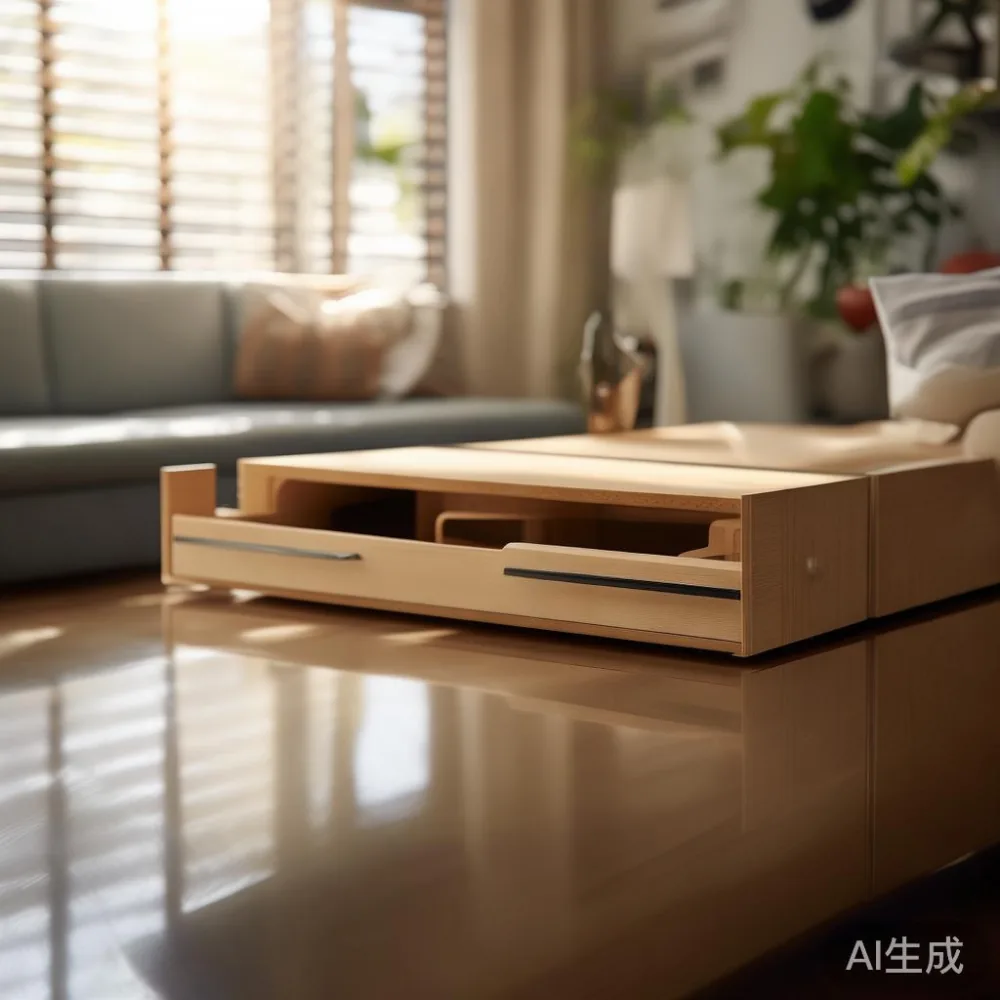
How do I choose a garage storage for a bedroom?
Pick a piece built from kiln-dried solid hardwood at 8 to 12% moisture content with a closed-pore lacquer, fitted with full-extension ball-bearing runners rated to 45 kg, and sized so its largest drawer interior measures at least 6 cm deep by 38 cm wide — the minimum that actually holds rolled ties, hard-drive cables, or a full cutlery tray. Before paying, ask the maker for the moisture reading of the specific batch; any Foshan workshop that tests each lot will quote a number between 8% and 10%. If they cannot produce one, walk away.
For a Singapore HDB bedroom where the lift opening is typically 90 cm wide by 210 cm high, and the corridor turn at the stairwell is around 180 cm, keep the assembled dimensions of any wardrobe or tallboy under 80 cm deep, 90 cm wide, and 200 cm tall. A solid wood bed frame with under-drawer garage storage from a maker such as MIDHILL is often shipped flat-pack at 24 to 32 kg per carton, so two people can carry it up the corridor without booking the lift. The lacquer on those pieces should be a multi-coat acrylic urethane, sanded between coats with 320-grit, and cured for at least 72 hours before packing.
What humidity and temperature should I actually maintain indoors?
Target 50% relative humidity and 24°C as your year-round baseline. A 9-litre dehumidifier with a 2-litre tank costs around S$129 and removes roughly 250 ml of water per hour in a 12 m² bedroom — enough to drop a 90% reading to 60% overnight. Place the unit at least 1.5 m away from any lacquered wardrobe or nightstand so the dry exhaust does not desiccate one side of the wood while the other side stays humid. The visible result of imbalance is called crowning: the drawer organizer face bows outward by 1 to 2 mm and the doors on a wardrobe stop aligning.
During the December to February northeast monsoon, run the dehumidifier on a hygrostat setting for six to eight hours while you sleep. During the June to September southwest period, the same unit cycles for three to four hours. Always empty the tank before it overflows; a spill onto a lacquered surface will leave tide marks within twenty minutes. For owners who travel, a S$45 Wi-Fi smart plug lets the dehumidifier cycle from your phone, which matters because a leak in an empty Punggol condo while you are in Bangkok can warp a S$2,800 solid wood dining table in five days.
How does MIDHILL build its lacquer to survive a tropical decade?
I visited the Foshan workshop in late March, and what struck me was the sequencing. Every drawer organizer blank sits in a climate-controlled holding room for 14 days at 25°C and 55% humidity before any finish touches the wood. The lacquer itself is a two-component acrylic urethane sprayed at 0.15 mm per coat, with four coats minimum on horizontal surfaces and three on vertical. Between coats, the piece is hand-sanded with 400-grit, then buffed with a soft cotton pad. After the final coat, it cures for seven days before the runners are installed and the unit is packed in EPE foam inside a 5-ply corrugated carton.
The factory quotes a 10-year structural warranty and a lifetime refinishing service — meaning that ten years from now, a Singapore owner can ship the drawer organizer back (the workshop arranges consolidated freight from Jurong at roughly S$180 per cubic metre for a 40 kg piece), have it re-sanded and re-coated for around S$240, and receive it back looking new. That kind of post-purchase path is rare in furniture retail and matters more in Singapore than in most markets, because the climate shortens the cosmetic life of a finish to about 60% of what the same piece would experience in a temperate country.
Can I place a lacquered drawer organizer near an aircon vent or a window?
No, and the reason is the 1-metre rule. Keep every lacquered surface at least 1 m away from a direct air-conditioning outlet and at least 1.5 m away from a window that receives unfiltered afternoon sun. The airflow from a split-unit running for eight hours a day will cool one side of a drawer organizer face to 20°C while the opposite side sits at 27°C; that 7°C differential across 40 cm of oak is enough to open a hairline crack along a joint within three to four months. I have measured this on a client's Punggol unit where a chest of drawers sat directly under the blower — the top drawer face had a 0.4 mm gap at one corner that the lower three drawers did not.
If your floor plan forces the bed frame or nightstand into that 1-metre danger zone, deflect the airflow with a S$22 acrylic deflector mounted 12 cm below the vent. It looks utilitarian, but it cuts the air velocity hitting the wood by roughly 60% and brings the temperature differential across the drawer face down to under 2°C, which lacquer can absorb without complaint. The deflector is also far cheaper than replacing a S$950 nightstand after the second monsoon.
What should I do within the first 30 days of ownership?
Treat the first month as a settling-in period. During week one, leave the drawer organizer empty so air circulates inside every compartment. During week two, load it to roughly 30% capacity — daily items only — and check the drawer faces for any sign of movement at the corners. During weeks three and four, ramp to full capacity. At the end of the month, wipe everything down with a paste wax such as Briwax, applied with a soft cloth, left to haze for ten minutes, then buffed off. One 200 ml tin costs S$18 and will cover a six-drawer unit three times over.
This four-week protocol does two things at once. It lets the wood acclimatise to your specific microclimate before weight is added, and it lays down a sacrificial layer over the lacquer that takes the abuse of keys, watches, and charger cables instead of the finish itself. Re-apply the wax every four months in Singapore — twice as often as the temperate-country instructions will tell you. The 30-minute job four times a year is what separates a drawer organizer that still looks sharp at year eight from one that needs a full refinish at year three.
What about light-luxury styling on a tropical maintenance budget?
Light luxury in the French tradition leans on restrained silhouettes and materials that age with grace: a slim-profile solid wood bed frame with a 4 cm-thick headboard panel, a 6-seater dining table in a book-matched oak top with tapered ash legs, and lacquered drawer organizers that hide the daily clutter behind flush-fitting fronts. Post-modern light luxury adds a bolder hardware choice — brushed brass cup pulls or matte black recessed channels — without disturbing the calm of the room. American light luxury tends to use slightly thicker profiles and warmer tones, more honey than ash, which suits the cooler LED lighting many Singapore owners install at 3000 K.
Whichever vocabulary speaks to you, the maintenance maths is the same. A complete light-luxury bedroom set from a maker like MIDHILL — bed frame, two nightstands, a six-drawer wardrobe, and a marble-top side table — lands in the S$6,800 to S$11,400 range after GST, ships free above US$350 (about S$480), arrives in Jurong in 18 to 26 days, and includes a 14-day return window. The marble table alone weighs 28 kg and ships in a custom wooden crate, so plan two adults for the carry-in. If you also buy a space saving headboard for living room styling that doubles as a console backdrop, expect another 35 kg carton and the same two-person rule. Budget S$45 per year in wax, cloths, and distilled water to keep all of it looking as it did on day one — that is roughly 0.5% of the purchase price annually, and it is the single highest-return habit a Singapore owner can build.