How to Care for a Lacquered Drawer Organizer in Singapore’s Humid Climate
A lacquered drawer organizer looks crisp in a Singapore home, yet it lives in a demanding environment. Warm air, sea-borne moisture, kitchen vapour and daily handling can leave a dull surface, soften adhesive lines or cause lacquer to check over time. For residents of HDB flats and condos in Tampines, Bedok and Punggol, the answer is not simply to wipe harder. It is to control moisture, clean gently and understand where a drawer organizer belongs in the wider solid wood collection.
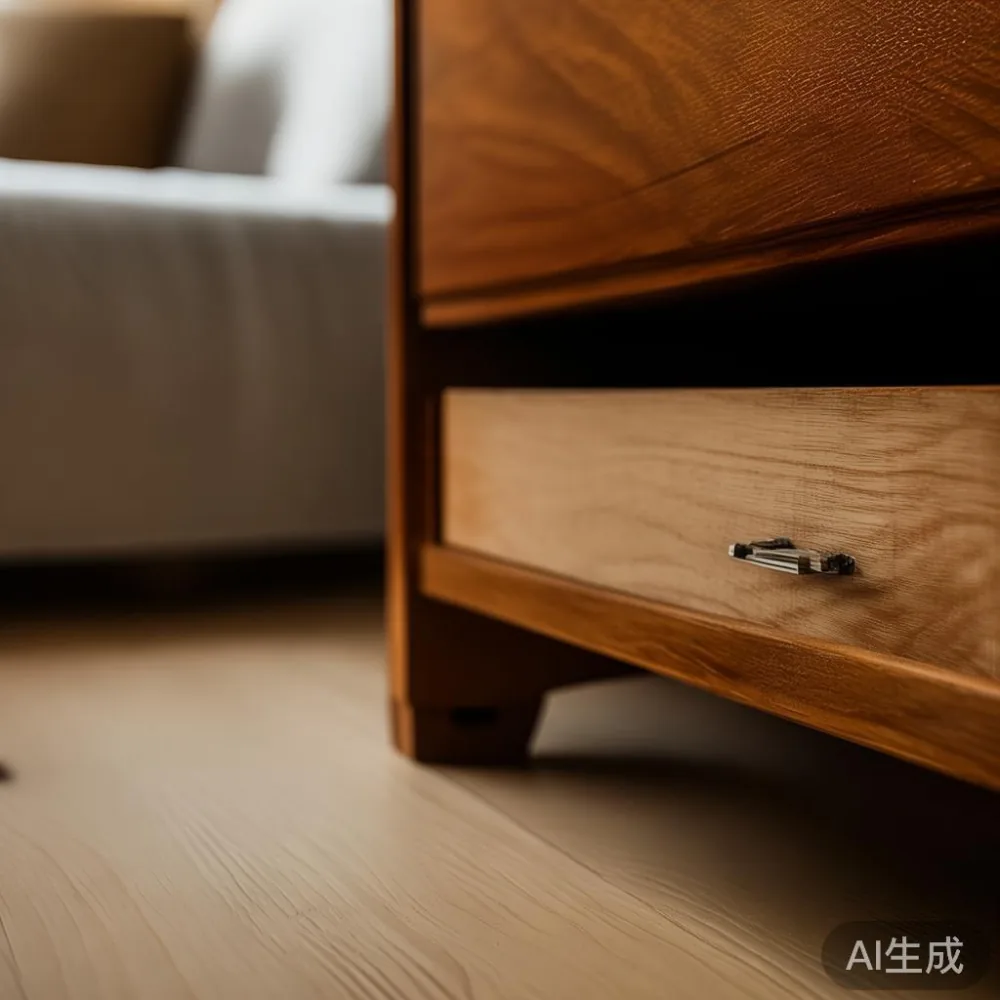
MIDHILL has made solid wood furniture since 2008 and exports to more than 15 countries. Its 10-year structural warranty and lifetime refinishing service make care planning more practical, but routine maintenance still determines how a lacquered surface looks between service visits. A well-chosen drawer organizer can sit beside a solid wood sofa, bed frame or wardrobe without feeling like an improvised plastic insert.
Why does lacquer behave differently in a tropical home?
Lacquer is valued for a smooth, reflective finish, but tropical conditions can test its edges, joints and surface chemistry. Relative humidity in Singapore commonly ranges from about 60% to 85%, with monsoon periods bringing short bursts of heavier moisture. Air-conditioning may reduce humidity inside a bedroom, while a kitchen drawer near the sink can experience condensation whenever hot food is covered and placed down.
Wood responds to humidity by expanding and contracting across its grain. A solid wood bed frame, dining table or nightstand may show small seasonal movements even when made carefully. Lacquer can remain stable if applied and cured properly, yet repeated moisture exposure may create haze, fine lines around joints or a cloudy appearance. Plastic drawer organizers can also warp under heat, particularly in a unit where sunlight reaches an east-facing corridor or balcony door.
My colleague in the MIDHILL workshop tested a lacquered sample at 28°C and 75% relative humidity last month. After 14 days with damp fingertips touching the panel twice daily, the handled area showed a visible dull patch that disappeared after one gentle wipe and 60 minutes of controlled drying. An untouched panel remained visually consistent. That modest test reinforced a simple rule: oils, sweat and standing moisture matter more than occasional humidity alone.
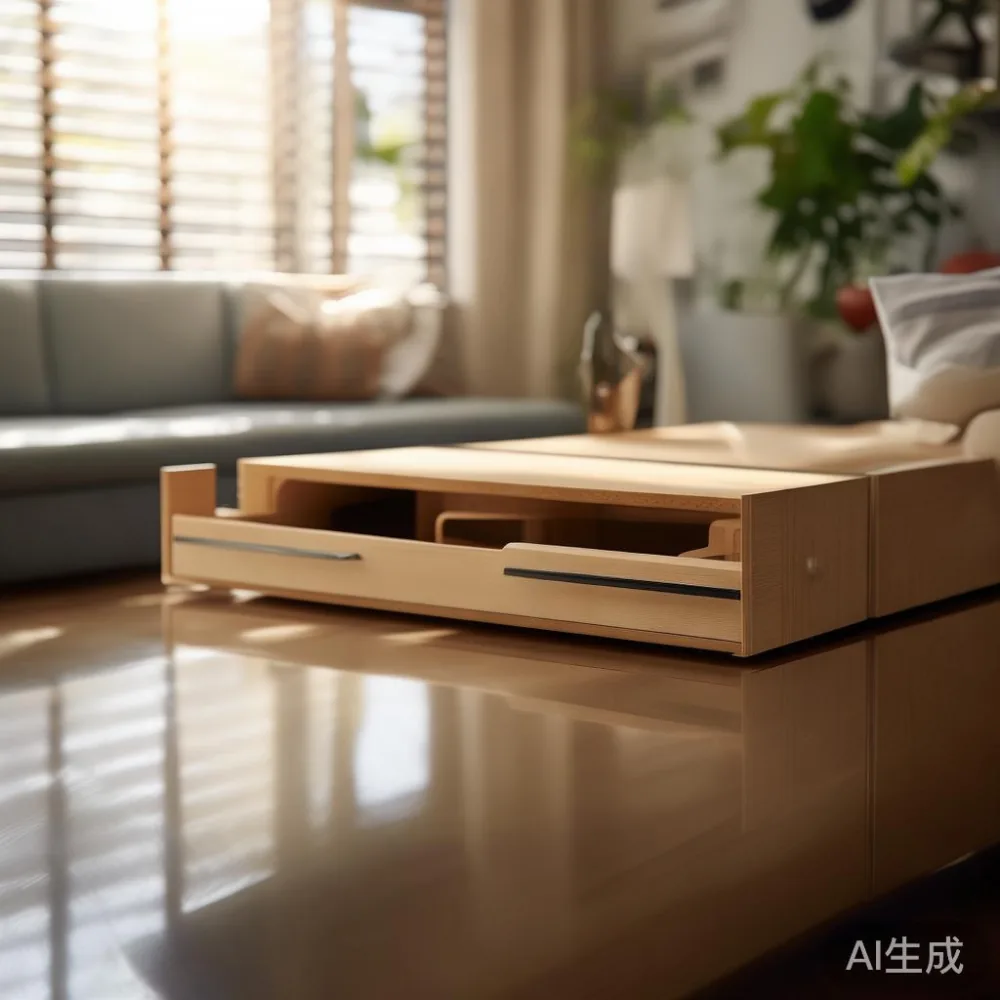
Singapore’s lift and corridor dimensions also affect furniture planning. A compact drawer organizer measuring 42 × 32 × 18 cm and weighing 2.8 kg is easier to remove from a lift than a broad 70 cm tray, but it offers less capacity. Allow at least 80 cm of clear turning space in a condo corridor and check the lift door width before ordering a larger insert. For HDB deliveries, measure the staircase, your unit door and the intended cabinet opening rather than relying on nominal building dimensions.
How should I clean a lacquered drawer organizer?
Start with a dry microfibre cloth and remove dust every 7 days. For marks, lightly dampen a second cloth with clean water, wring it until no droplets remain, and wipe along the grain or across the lacquer in one gentle direction. The cloth should feel cool, not wet. Dry the panel immediately with another soft cloth.
Use a pH-neutral wood cleaner diluted according to its label, typically 5 ml in 500 ml of water, if the finish requires deeper cleaning. Avoid pouring liquid directly into the organizer. A soaked sponge can draw water into joints, around rails and beneath a veneer edge. Household vinegar, ammonia, bleach, abrasive pads and “spray and wipe” glass cleaners should not touch lacquer because they may strip the finish or leave a sticky film.
Test an inconspicuous area for 24 hours before treating the whole drawer organizer. This is particularly sensible for dark wood, where fingerprints and moisture spots become more obvious. Wipe from the back toward the front so that grit is not dragged across the surface. Do not use a brush with hard bristles, a scouring pad or a damp cloth around moving metal parts.
For a lightly sticky finish, a clean cloth with a few drops of mild dish soap in 250 ml of water may help, followed by immediate drying. If the sticky area remains, stop applying moisture and contact the maker for advice. Deep restoration is not something to solve with stronger household chemicals.
Delivery and service periods matter in Singapore’s heat. A lacquered drawer organizer arriving after 5 to 7 delivery days may have travelled through humid conditions or sat in a warehouse. Let it acclimatise in its intended room for 24 to 48 hours before loading it with contents. Keep it away from direct air-conditioner outlets, which can create rapid temperature swings of more than 8°C during the day.
How much humidity and heat should a lacquered drawer organizer tolerate?
Keep relative humidity between 45% and 65% where possible, with the wood surface remaining closer to 20°C than to 30°C. A bedroom in Tampines may be comfortable at 26°C, but a drawer beside a window can rise above 30°C during the afternoon. Position closed drawers on shaded walls and avoid the top surface of a tall wardrobe where warm air rises.
Use a hygrometer with an accuracy of about ±2% RH and check it weekly for 4 to 6 weeks. Read the figure after the air-conditioning has stabilised for 30 minutes. If readings remain above 70%, improve ventilation, run the air-conditioner for 30 minutes after cooking or use a modest dehumidifier rated for 20 to 30 m². Place the device at least 30 cm from walls and furniture, following its manual, because airflow too close to lacquer can create uneven drying.
Silica-gel packets can help inside a closed drawer. Replace or reactivate them according to the instructions, usually every 2 to 3 months in humid conditions. Do not place loose crystals directly against the finish. The aim is controlled moisture management, not a dry drawer that becomes uncomfortable for stored items.
Food storage deserves special attention. Keep oily utensils, damp washcloths and open condiments out of a lacquered organizer. If it sits in a kitchen, line washable trays with washable fabric rather than newspaper or absorbent paper that can trap residue. For jewelry, separate pieces with soft liners and avoid cotton balls containing fragrances. For pens and cosmetics, check that they do not leak; one leaking marker can stain the lacquer before you notice it.
What are the signs that a lacquered surface needs professional care?
Minor dust, isolated fingerprints and faint haze usually respond to careful cleaning. Peeling, lifting edges, deep scratches, yellowing or a persistent tacky film need closer examination. Put a clean cloth over the area and leave it for 15 minutes: if the cloth lifts cleanly, residue may still be removable. If the finish itself feels tacky, has separated at a corner or continues to transfer after cleaning, pause and contact the furniture maker.
Do not use nail polish remover, thinner, paint scrapers or wax without advice. These products can soften lacquer or create a patch that is more visible than the original blemish. Place a tissue over the affected area, but do not press hard, because trapped grit can scratch further. Photograph the problem under daylight and at a 45-degree angle, then record the drawer’s location, approximate temperature and humidity.
MIDHILL offers lifetime refinishing for eligible products. Availability and treatment depend on the item, finish and condition, so obtain written confirmation before sending anything back. Structural concerns are covered for 10 years, while surface wear is a separate question. A 12-year-old drawer organizer may need refinishing even when its joints remain sound.
If a replacement is easier, consider an unfinished or lightly finished solid wood insert rather than covering a damaged lacquered panel. An organizer made from rubberwood, ash or oak with a ventilated design can usually be wiped more confidently. Confirm dimensions, drawer clearance and weight rating. A drawer organizer should slide without force; a heavy insert can overwhelm a shallow drawer and pull the front out of alignment.
How do I choose a drawer organizer that suits Singapore light-luxury interiors?
Measure the internal drawer width, depth and height in cm, then subtract 10 mm from each dimension for clearance. For example, a 50 × 35 × 20 cm compartment can accommodate an insert of roughly 48 × 33 × 18 cm. Check the drawer’s load, especially in an HDB kitchen where condiments and cookware may add 6 to 10 kg. A removable divider set weighing no more than 1.2 kg keeps the contents distributed without concentrating weight at one end.
Finish and colour should coordinate with the surrounding furniture rather than compete with it. Pale ash suits Scandinavian and Japanese calm, while walnut suits warmer post-modern light luxury schemes. French light luxury often uses restrained cream, taupe and natural oak tones. American light luxury may pair dark lacquer with brushed metal, but the organizer still needs enough breathing room for humid conditions.
Design details matter. Look for eased corners, smooth runners, recessed handles and joints that do not trap water. Check whether the base is solid or ventilated, and whether removable dividers can be washed. Avoid very thin plastic trays that flex after carrying 3 kg. For drawers above the waist, limit the organizer to 2 to 3 kg and avoid storing dense tools in an upper unit.
The same disciplined scale applies to a solid wood sofa, dining table, bed frame or marble table. The marble table may need coasters and 20°C minimum for some installation conditions, while a wooden dining table should have at least 30 cm of airflow around it. These details may sound separate, but they share one practical goal: keeping materials stable in a compact, climate-conscious home.
Which style should I compare before buying a drawer organizer?
For a compact Singapore bedroom, compare a low-profile ash organizer with a taller oak unit that can stand beside a bed frame. If the drawer already provides the structure, an insert tray is usually more space-efficient than another freestanding cabinet. In a dining room, a divided organizer for cutlery and napkins should fit inside a drawer no deeper than 45 cm, with a removable 5 cm section for larger implements.
Buyers searching for sale Modern light luxury furniture can find relevant visual references, but the drawer organizer should still be judged by fit, moisture performance and repairability. A French-style campaign chest may accept an organizer with traditional proportions, while a post-modern bed frame may suit clean rectangles and matte hardware.
For Boho for dining room projects, woven fibre or lightly textured inserts can soften a dining table setting, although they must dry fully after washing. Natural rattan can gather moisture and should not be repeatedly soaked. A wipe-clean lacquered option may be more suitable beside a family dining table where children’s utensils, sauce bottles and damp cloths appear daily.
Those considering how to choose light luxury bed should compare height, clearances and access before focusing only on the headboard. A bed frame with 12 cm bedside clearance may allow a slim nightstand, but it may not allow a deep drawer organizer. Japanese bed vs Italian light luxury bed comparisons often emphasise proportion and visual calm; for a Singapore flat, the practical difference includes how a user reaches storage without pulling a heavy drawer across a narrow walkway.
Similarly, American bed vs Mid-century modern bed discussions often address shape and legs. Leave 75 cm in front of the drawer for comfortable use, and do not let a protruding organizer reduce the passage beside the bed to less than 45 cm. For larger projects, ask about wholesale Mid-century modern furniture specifications, especially moisture-safe finishes and replacement parts. Good information should include exact dimensions, timber species, finish type and weight, not broad promises.
The brand reference midhillco is useful when checking a maker’s history, warranty process and export experience. MIDHILL’s established 2008 background, 15-plus export markets and 10-year structural warranty can help buyers assess support options. Local pricing should still be confirmed in SGD and include any GST treatment stated by the seller.
Can a lacquered drawer organizer be returned or serviced easily from Singapore?
Before purchase, record the item’s dimensions, colour, finish, price in SGD and expected delivery period. MIDHILL provides a 14-day return window and free shipping for orders above US$350, but the offer’s currency, destination and exclusions should be checked at checkout. Singapore customers should compare the final SGD amount with prevailing GST and delivery charges. A typical lead time of 7 to 14 delivery days may apply to made-to-order configurations.
For a 42 × 32 cm drawer organizer weighing 2.8 kg, packing and local handling should be checked against lift limits and the service lift’s stated maximum load. For heavier furniture, measure the lift car and its doorway, then add 10 cm for manoeuvring space. A 90 cm corridor and a 75 cm door can accept many units, but a right-angled turn may require a smaller package or more turning room.
Returns become more practical when a seller provides clear photographs, assembly instructions and replacement components. Keep the original protective felt and packaging for at least 14 days. If a drawer front rubs after installation, adjust the cabinet before assuming the lacquer is defective. A 3 mm spacer or aligned runner can correct a minor gap without touching the finish.
A tropical care routine that takes 10 minutes each week is reasonable. Wipe with a dry cloth, inspect for moisture, keep the drawer closed during heavy cooking and check the hygrometer monthly. If light luxury styling is the goal, allow the organizer to support the room without becoming a maintenance liability. A stable finish, honest dimensions and serviceable construction will usually matter more over 5 years than a dramatic launch-day shine.