What Actually Drives the Price of Solid Wood Furniture
In Singapore, where space is a premium and a home is a significant investment, choosing furniture is a careful process. For residents in HDB flats like those in Tampines or Bedok, or condos in Punggol, every piece must fit not just aesthetically but also physically within the apartment's dimensions. A standard HDB corridor is 1.2 metres wide, and a lift in an older block might be just 1.5 metres deep, making the size and construction of a new wardrobe or dining table a logistical consideration. This context makes understanding the true cost of furniture even more important. It’s not just about the initial price tag; it’s about value, longevity, and how well a piece integrates into your life for years to come. This article will explore the specific factors that determine the price of solid wood furniture, moving beyond simple aesthetics to the tangible elements of quality.
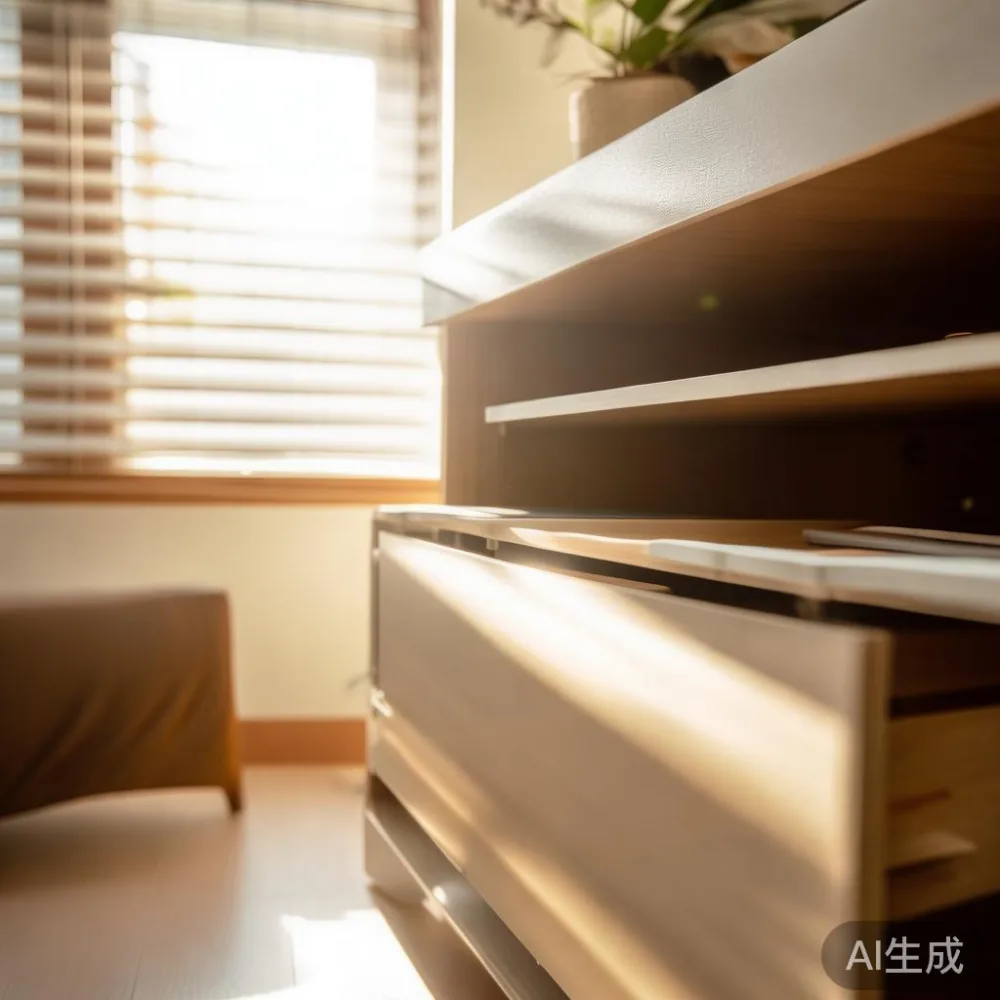
Why Does a Solid Wood Drawer Organizer Cost More Than a Particleboard One?
The most fundamental difference, and the primary driver of price, is the material itself. A solid wood drawer organizer is made from a single, continuous piece of wood or carefully joined solid wood planks. A particleboard version, by contrast, is in effect sawdust and wood chips glued together under high pressure and covered with a thin veneer or laminate. The cost difference between a 100% solid mango wood drawer organizer and a particleboard equivalent can be as much as 200% in Singapore dollars. The price for a simple, unassembled particleboard drawer organizer from a local DIY store might start around S$35. A comparable solid wood drawer organizer from a specialist maker like MIDHILL would typically be priced from S$120 upwards. The difference lies in the raw material cost. Mango wood, a popular choice for its durability and attractive grain, costs approximately S$18 per board foot (a volume measurement of 1 foot x 1 foot x 1 inch), while the raw materials for a particleboard drawer cost a fraction of that. This raw material investment is the foundation upon which all other costs are built.
How Does Wood Type and Origin Influence the Price Tag?
Not all wood is created equal. The species of wood used for a drawer organizer, or any furniture piece, has a massive impact on its price. Hardwoods, which come from deciduous trees, are generally denser, more durable, and more expensive than softwoods, which come from coniferous trees. For example, a drawer organizer made from Sheesham wood, known for its strength and distinctive figuring, will cost significantly more than one made from Pine. In the context of Singapore's humid climate, choosing the right wood is critical. Teak, with its natural oils that resist moisture and decay, is an excellent choice but comes at a premium. A solid teak nightstand might cost S$850, whereas a Pine version could be S$450. The origin also plays a role. European Oak is prized for its straight grain and light colour, often used in French-inspired designs. A drawer component made from European Oak will carry a higher price than one made from a more readily available Asian hardwood. The cost is directly tied to the tree's growth rate, availability, and the processing required to prepare it for furniture making. This is why a piece of designer French provincial furniture often commands a higher price; it frequently specifies more expensive, imported European woods.
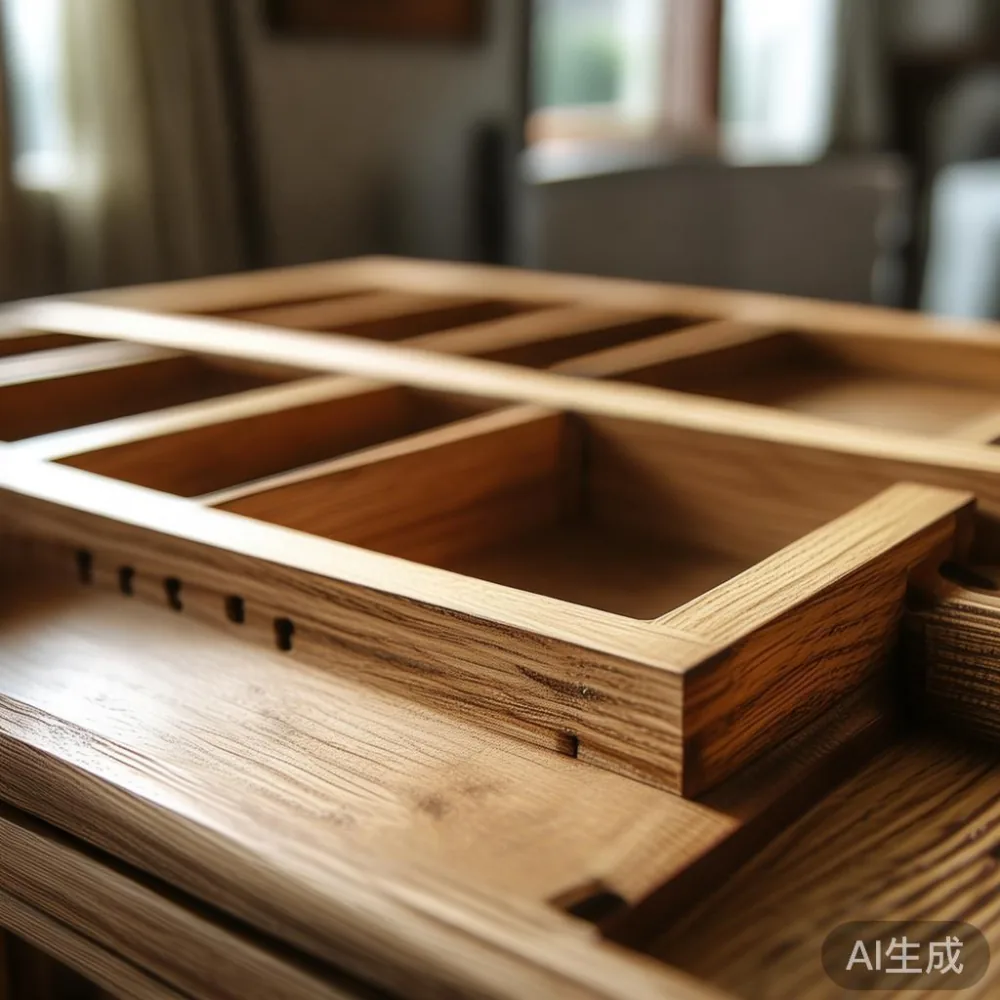
What is the Real Cost of Labour and Craftsmanship in a Drawer?
Once the wood is sourced, the human element takes over. The price of a drawer organizer reflects the skill, time, and labour invested in its creation. A machine-cut, mass-produced drawer might have joints that are simply glued and stapled. A handcrafted drawer, however, features dovetail joints. These interlocking, fan-shaped joints are a hallmark of quality furniture. They prevent the drawer from pulling apart over time, especially under the stress of heavy items. Crafting a set of dovetail joints by hand is a skill that takes years to master. A skilled carpenter in a Foshan workshop, where MIDHILL is based, might take 45 minutes to hand-cut one drawer's joints. This time investment directly adds to the cost. Beyond joinery, there's the fitting of the drawer. A high-quality drawer slides on a full-extension, soft-close mechanism. This system allows the drawer to be pulled out completely and closes with a gentle, cushioned motion. A basic drawer on a simple metal track might cost S$15 to install, whereas a full-extension soft-close system adds S$45 to the drawer's manufacturing cost. The labour involved in precise fitting, sanding to a perfectly smooth 150-grit finish, and applying a hand-rubbed lacquer is a significant part of the final price you pay.
Why is a 10-Year Structural Warranty a Price Factor?
A warranty is not just a marketing promise; it's a financial commitment from the manufacturer. When a company like MIDHILL offers a 10-year structural warranty, it is making a statement about the confidence it has in its product's durability. This warranty covers the core framework of the furniture, including the drawer boxes and their joints. To honour such a warranty, a company must use materials that won't warp, joint techniques that won't fail, and hardware that won't break. This level of quality control adds to the production cost. A cheaper manufacturer might offer a 1-year warranty, or none at all, because they anticipate potential failures. The price you pay for a piece with a long-term warranty is, in part, an insurance policy against future defects. It represents a higher upfront cost for peace of mind, knowing that if a drawer joint fails in 7 years, the repair or replacement will be covered. This contrasts sharply with fast-furniture items that are often disposable, designed to last only a few years before needing replacement.

Does the 'Light Luxury' Style Justify a Higher Price Point?
The term 'light luxury' refers to a design philosophy that emphasizes clean lines, subtle elegance, and high-quality materials without excessive ornamentation. This style is popular in Singapore because it creates a sense of calm and spaciousness, which is highly desirable in smaller homes. A light luxury aesthetic, whether it's American, French, or post-modern, requires a different level of material and finishing than a basic, functional piece. Consider a marble-topped nightstand. The price of the drawer box and frame might be S$300, but the addition of a genuine Carrara marble top can add another S$250 to the cost. The marble must be precisely cut, polished to a high sheen, and securely attached. Similarly, achieving the perfect finish for a light luxury piece is labour-intensive. A French provincial style might involve a multi-step painting process with a subtle distressing technique, while an American light luxury bed frame might require a perfectly smooth, hand-applied oil finish that brings out the wood's natural beauty. These finishing processes are time-consuming and require skilled artisans. The price reflects not just the function of the furniture but also the artistry and design sensibility embedded in it. For sale Italian light luxury furniture commands a premium because it embodies this specific, high-end design language.
How Do Logistics and Local Factors in Singapore Affect the Final Price?
The journey of a drawer organizer from a workshop in Foshan to a bedroom in Singapore involves several logistical costs that are factored into the final price. The first is shipping. A container from Foshan to the Port of Singapore costs approximately S$3,500. This cost is distributed across all the furniture in that shipment. For a piece like a solid wood dining table, which is bulky and heavy, the shipping cost per item can be significant. This is why many companies offer free shipping over a certain order value, such as S$350. It incentivizes customers to consolidate their purchases, making the per-item shipping cost more manageable. Once the furniture arrives in Singapore, it must be stored in a local warehouse before delivery. There are also costs associated with the local delivery team. A delivery van in Singapore must work through narrow HDB corridors and condo lifts. The delivery team needs to be skilled in assembling furniture in tight spaces and protecting the floors and walls of the apartment. This specialised labour adds to the cost. Finally, there is the Goods and Services Tax (GST). In Singapore, GST is currently 9%. This tax is applied to the total cost of the furniture plus the shipping and other services, effectively increasing the final price paid by the consumer. All these logistical and local considerations are built into the price you see on a tag.
Why Does a 'MIDHILL Bed' Cost More Than a Mass-Produced Alternative?
This is a question many consumers ask when faced with a price difference. A mass-produced bed frame might be available for S$800, while a MIDHILL bed, which is also solid wood, could be priced at S$1,800. The difference is not arbitrary; it's a direct result of the factors discussed. The MIDHILL bed is made from a single, continuous cut of solid oak, not veneered particleboard. Its drawers feature full-extension soft-close mechanisms with hand-cut dovetail joints. The finish is a hand-applied, multi-layered lacquer that protects the wood for decades. It comes with a 10-year structural warranty, a promise that the mass-produced alternative cannot make. Also, the design of the MIDHILL bed might incorporate elements of a specific style, like American light luxury, which requires more precision in its construction. The price difference is an investment in superior materials, superior craftsmanship, and long-term reliability. It’s the difference between a disposable item and a lifetime asset. My colleague last month visited a client in a Punggol condo who had purchased a bed 5 years ago. The drawer slides had failed, and the particleboard side panels had warped from the humidity. The client lamented that the S$900 bed was now a piece of junk. This real-world experience highlights the hidden cost of buying cheap furniture—the eventual replacement and disposal expense. A well-made piece from the start, like a MIDHILL light luxury bed, avoids this entire cycle of replacement.
Is a Higher Price for a Drawer Organizer Always Better Value?
Not necessarily. Price is not the sole indicator of value. The key is to understand what you are paying for. A higher price should correspond to tangible improvements in quality, durability, and design. For example, paying S$180 for a solid Sheesham wood drawer organizer with dovetail joints and a soft-close slide is excellent value. Paying S$180 for a smaller drawer made from MDF with basic plastic runners is not. The value comes from the materials and construction. When considering a purchase, it's wise to ask specific questions. What type of wood is it? Are the joints dovetail or just glued? What is the warranty on the drawer slides? For those with a small living room in Singapore, the choice of furniture is paramount. A Nordic for small living room approach focuses on functionality and clean lines, often using lighter woods to create an airy feel. An American bed vs Nordic bed comparison might reveal that the American style offers more storage options like large, deep drawers, which could be a better use of space in a compact master bedroom. The decision to buy a more expensive piece should be based on a clear assessment of your needs and a recognition of the quality markers that justify the cost. A drawer organizer is a small item, but its construction principles apply to the entire furniture set. Investing in quality drawers means less clutter and a more organised home, which is a form of value in itself.
How to Choose European Sofa and Other Furniture with Confidence
Choosing furniture, whether it's a drawer organizer or a large European sofa, should be a confident and informed decision. Armed with the knowledge of what drives price, you can look past the marketing and assess the true quality. When you examine a piece, run your hand along the inside of a drawer. Feel for smooth, sanded surfaces and inspect the joints. Look for dovetail or finger joints. Open and close the drawers multiple times to see how the mechanism feels. A soft-close system should operate smoothly and quietly, not with a jarring slam. Ask about the wood. Is it a solid hardwood or a veneered composite? A reputable seller will be happy to explain. Consider the finish. A high-quality finish will feel smooth to the touch and have a deep, even lustre. It should not feel sticky or have uneven patches. Remember the importance of warranty. A 10-year structural warranty is a strong indicator of a company's confidence in its product's longevity. This is the same confidence you find in a MIDHILL bed, where the structure is built to last. Finally, think about the total cost of ownership. A cheaper piece might need to be replaced in 5-7 years, while a more expensive, well-made piece could last 30 years or more, potentially being passed down to the next generation. When you choose a piece of furniture, you are not just buying an object; you are making a long-term investment in your home and your quality of life. Understanding what you are paying for allows you to make that investment wisely.