Humidity, Solid Wood Furniture, and Singapore Homes: What Owners Should Know
Singapore’s tropical climate can make solid wood furniture move, swell, warp, or develop fine surface marks. Humidity rarely causes an immediate failure, yet its effects accumulate over years, especially inside HDB flats and condos where the same indoor air serves bedrooms, living rooms, and compact storage areas. For owners of a solid wood sofa, bed frame, dining table, wardrobe, nightstand, marble table, or a fitted drawer organizer, practical humidity control matters as much as the initial finish choice.
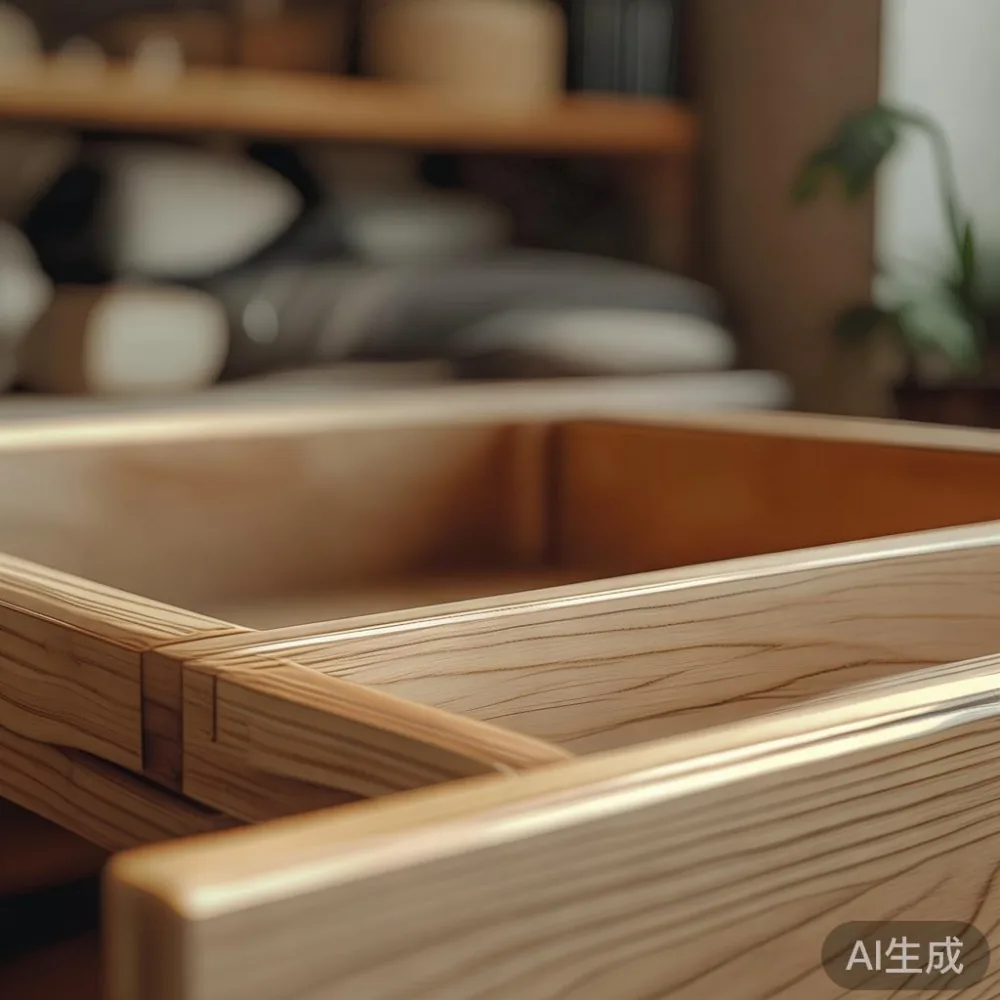
MIDHILL is a Foshan solid wood furniture maker established in 2008, with furniture exported to more than 15 countries. Its pieces carry a 10-year structural warranty, while refinishing support is available for the lifetime of the product. Singapore shoppers also benefit from free shipping on orders over US$350, although local prices below are expressed in SGD, and qualifying orders can be returned within 14 days.
Why does Singapore humidity affect solid wood furniture?
Wood is hygroscopic: it absorbs moisture when the surrounding air is humid and releases it when the air becomes drier. Tropical conditions make this cycle almost unavoidable. Singapore’s outdoor relative humidity often reaches roughly 75–95% during wet periods, while air-conditioned interiors may fall to about 40–60%. A solid oak dining table or walnut bed frame can therefore gain or lose enough moisture to produce visible movement even when the daily temperature change is modest.
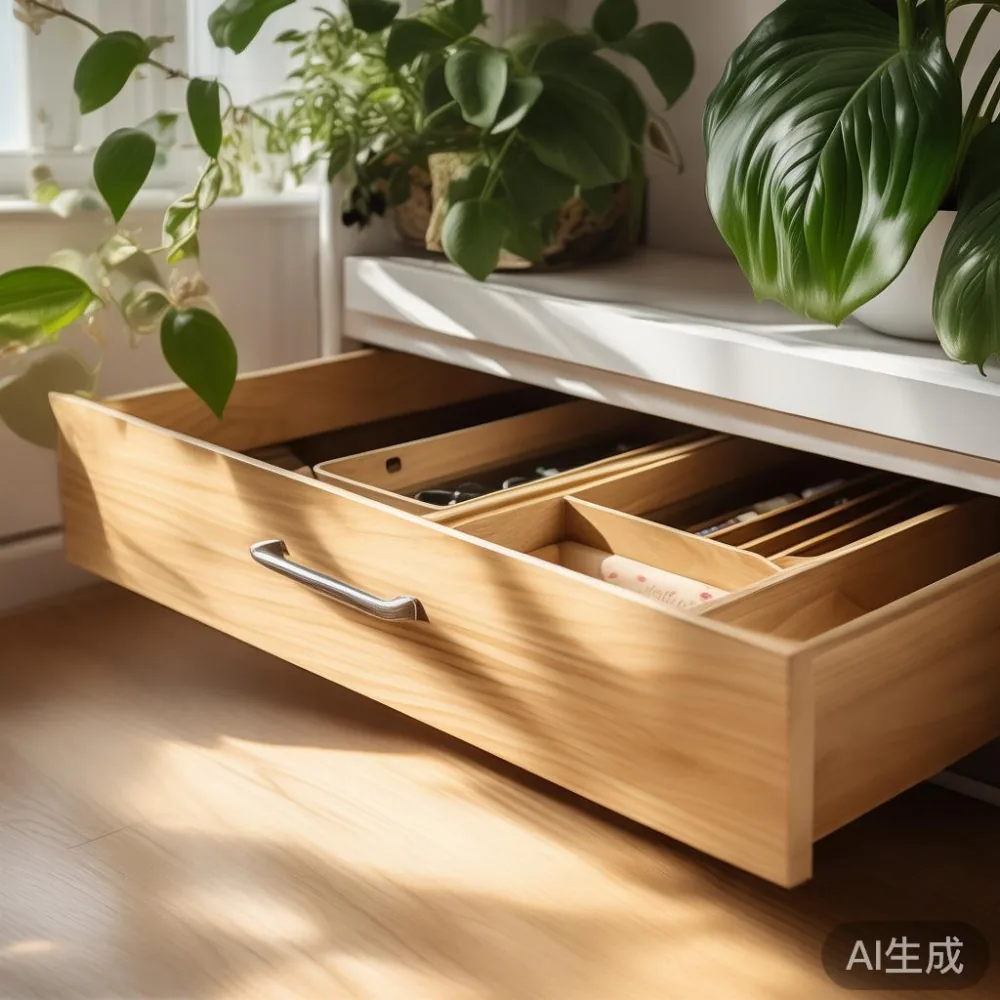
Seasonal weather adds another layer. The denser monsoon periods from November to February can keep timber and drawers damp for extended stretches, while hotter afternoons push indoor humidity upward. In an HDB flat in Tampines, a dining table placed 1.5 m from an open balcony may encounter damp air each evening. A nightstand near a Bedok window may see condensation risk during heavy rain, while a Punggol condo located above a podium garden can experience higher moisture readings near exposed walls.
Changes of roughly 3–5% in relative humidity are worth watching. Larger or faster changes increase the chance of cracking, joint movement, swollen drawer sides, and bowed doors. The risk is not uniform across wood species. Teak and mahogany have lower movement than many hardwoods, but oak, ash, and some softer hardwoods can respond more visibly.
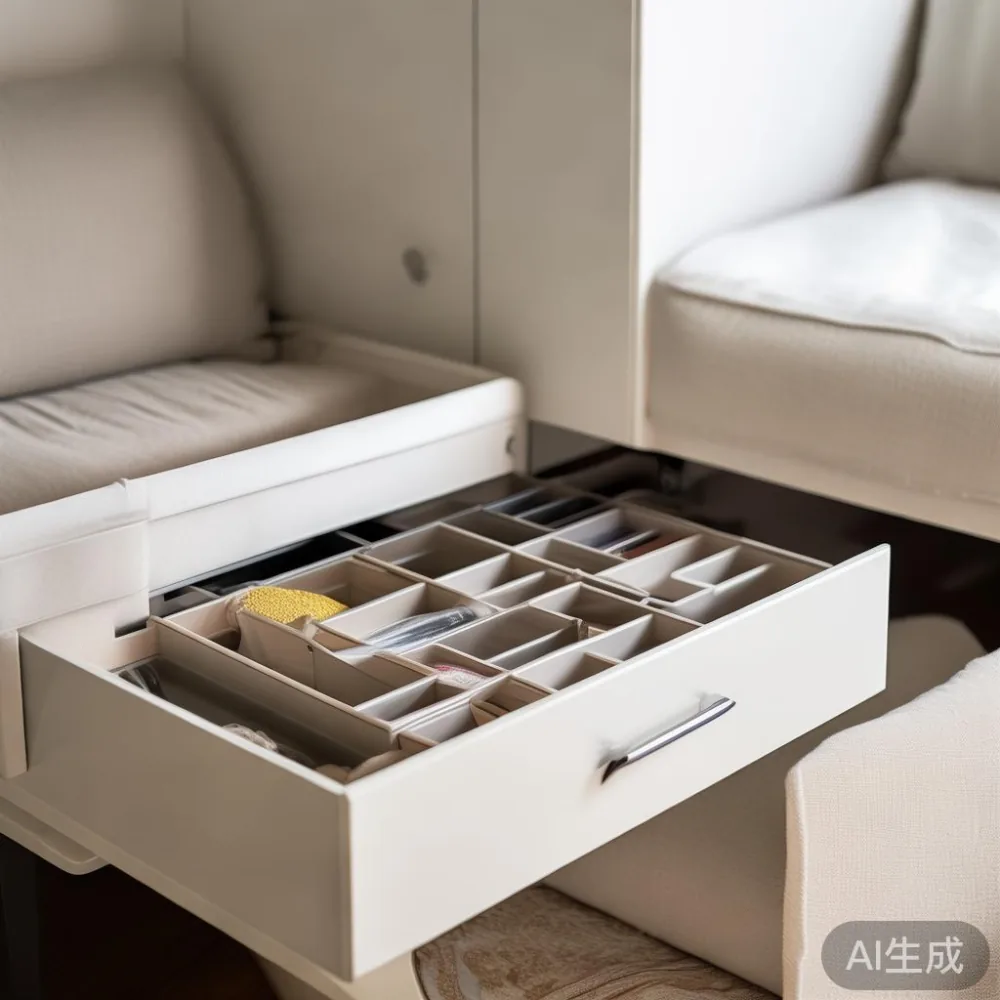
A small hygrometer is useful. Place it near the furniture rather than beside an air-conditioning vent. A reading around 50–60% relative humidity is a practical target for most Singapore interiors. If the display repeatedly shows more than 65%, consider a dehumidifier, better ventilation, or relocation. Below 40%, move the unit away from direct airflow and let indoor moisture settle gradually.
How much room does solid wood need to move?
Solid wood is expected to move. A movement allowance of about 3–6 mm across a 1 m width is normal for many indoor hardwood products, depending on species, construction, and seasonal conditions. Some manufacturers apply a deliberately restrained movement allowance to fitted wardrobes and drawer organizers, while freestanding dining tables and solid wood sofa frames need enough space to expand without being trapped against a wall.
Leave around 5–10 cm behind a freestanding wardrobe for inspection and air circulation, provided the installation instructions allow it. A bed frame needs side clearance of approximately 3–5 cm, and a nightstand should sit at least 2–3 cm from a cold wall. During wet weather, wipe exterior surfaces with a dry cloth and avoid leaving wet cleaning cloths against drawer runners.
Compact Singapore layouts require careful measurements. Many HDB corridors are about 90–120 cm wide, while lift cars may offer only 80–100 cm of usable door width. A wardrobe 180 cm wide can be difficult to turn through a 90 cm corridor even before its cartons are opened. For drawer organizers, check both the cabinet opening and the delivery route: an assembled insert measuring 55 × 35 × 20 cm may fit a lift but cannot be angled through a narrow service corridor.
Measure the lift door, the lift car, hallway corners, and the route from the ground floor to the apartment. Add at least 5 cm of clearance at the tightest point. If a product must be delivered in sections, confirm the number of protected modules before the courier arrives. Standard deliveries in Singapore commonly take 3–7 working days after dispatch, but access restrictions can add 1–2 days.
What should I do when a drawer organizer swells in the humid season?
Begin by measuring the affected drawer at its narrowest point and compare it with the opening. Remove the drawer organizer, or at least its movable tray, and identify the rubbing area with clean paper. Do not force the drawer closed. Persistent pressure can damage slides, soften finishes, and make later adjustment harder.
Check whether the drawer organizer is sitting directly against the cabinet wall. A 2–3 mm gap can sometimes prevent contact as timber expands. If the side rubs, remove the organizer and mark the high-contact zone with masking tape. Light sanding may help only when the interference is minor and the surface is already finished; deep grooves or a split require professional assessment.
Humidity control should come before sanding. Keep the cabinet interior dry, run a dehumidifier for 2–4 hours a day during sustained damp weather, and maintain about 45–60% relative humidity. Avoid sudden changes greater than 5% within 24 hours. Applying petroleum jelly to wooden runners is generally unsuitable because it can collect dust and stain the wood; hard wax or the manufacturer’s approved lubricant is a better choice.
Do not leave silica gel packets loose around the drawer organizer. They can damage the finish or become a choking hazard for children. A fixed compartment in the wardrobe or a small moisture-control insert in an occupied room is more practical. If condensation appears on a marble table top or wardrobe panel, wipe it immediately with a soft cloth rather than letting mineral-rich water sit on the surface.
How can I protect a solid wood dining table near an open balcony?
Start with distance and finish. A dining table positioned within 2 m of an open balcony receives more moisture than one placed deeper inside the flat. For a 200 × 100 cm dining table, allow at least 90 cm of clearance around the chairs where possible, and use coasters with a raised edge that can hold roughly 20–30 ml of liquid. Wipe spills within 5 minutes, especially near joints and end-grain edges.
Keep the table away from floor-level dampness and direct air-conditioning outlets. A floor fan running across the surface for 20–30 minutes after rain can remove trapped moisture. Use a breathable cloth rather than a plastic cover, because a sealed cover can trap condensation against the finish. Apply a suitable maintenance product only according to the finish type; oil, lacquer, and lacquered surfaces do not accept the same treatment.
Design references can still guide the purchase. Searches for Vintage for dining room often lead toward warm timber, rounded corners, and substantial joinery suited to a relaxed Singapore home. A table with a thick 3–5 cm top may show seasonal movement less dramatically than a thin panel, while a marble table introduces a different concern: its surface is less moisture-sensitive than timber, but its supporting cabinet and metal hardware still need protection.
For a light-luxury scheme, French provincial details work well with shaped chair backs and muted upholstery. A restrained solid wood dining table can sit comfortably among them without looking overly formal. Post-modern light luxury offers another route through clean geometry, mixed materials, and gentle contrast. These approaches should guide proportion and finish, not disguise the need for stable indoor conditions.
How do air conditioners, vents, and dehumidifiers change the risk?
Air conditioning cools but does not automatically control humidity. During a 2–4 hour cooling cycle, a room may fall to 22–25°C, yet relative humidity can remain high because warm moist air still holds substantial water. A dehumidifier is more effective for moisture control, particularly in a compact bedroom with a nightstand and drawer organizer close to the exterior wall.
Direct airflow can dry exposed timber unevenly. Keep vents at least 30–60 cm from a bed frame, wardrobe door, or solid wood sofa where practical. If the air-conditioner outlet cannot be redirected, place the wardrobe perpendicular to the wall rather than directly beneath the stream. Monitor a hygrometer for a week before deciding whether additional equipment is needed.
Dehumidifiers need sensible settings. Maintain indoor relative humidity around 50–60%, and use a 20–30 L/day unit for a medium HDB room of roughly 10–15 m². Portable models are useful, but their capacity falls as ambient temperature drops. Drainage, filter cleaning, and noise also matter: a noisy compressor beside a nightstand can undermine a calm bedroom.
Do not chase a low reading at all costs. A target of 45–60% suits many homes and limits unnecessary stress on timber. Very dry air, especially below 35%, can cause its own cracking and joint movement. Stable conditions are generally more useful than repeatedly forcing the reading down by large amounts.
How should I choose a bed frame or wardrobe for an HDB flat?
Begin with the room’s air movement, not only its dimensions. A bed frame placed beside a shared wall will see less ventilation than one near a window, yet a window can introduce rain-driven humidity. In a compact Tampines flat, choose a placement that balances airflow, access, and condensation risk. Confirm that headboards and side rails leave roughly 5 cm of space for movement and cleaning.
For a wardrobe, inspect the site after several rain-heavy days. Check the back corners with a moisture meter reading below about 12–14%, and look for mould, darkened timber, or swollen edges. Allow the unit to acclimatise in the room for 48–72 hours if it has arrived from a noticeably drier environment. Avoid pushing the wardrobe hard against a damp wall.
There are useful frameworks for comparing styles. Anyone considering how to choose French provincial bed should check curved detailing, adequate clearance, and finish care rather than focusing only on ornament. The logic behind how to choose Japandi bed prioritizes visual lightness and restrained storage, which can suit an HDB bedroom without adding bulky furniture. Buyers comparing Japanese sofa vs Mid-century modern sofa can evaluate frame construction, seat comfort, and humidity exposure as part of the choice.
The phrase American sofa vs Italian light luxury sofa is useful only when applied to actual specifications. Compare solid wood sofa framing, cushion density, fabric pilling, warranty terms, and local delivery access. A sofa may be upholstered, but its exposed timber frame still requires stable humidity. The same discipline applies to 2026 European light luxury furniture: origin language does not replace measurable joinery, finish quality, and environmental fit.
What should Singapore owners check before delivery?
Use a 3-point delivery check. First, inspect the carton for moisture, tears, or crushed corners. Second, photograph the opened furniture and note every scratch before assembly. Third, compare the item with the order specification, including dimensions, finish, hardware, and included drawer organizer compartments.
For a drawer organizer, test each removable tray on a level surface. Drawers should slide without forcing, and gaps of roughly 2–4 mm are common depending on the design. For a dining table, check that all legs contact the floor evenly; on an uneven surface, shim only as instructed rather than tightening joints aggressively. For a wardrobe, confirm that doors align and that the carcass is plumb before final securing.
Take note of the route. HDB lift dimensions and condo management rules can restrict deliveries of long packages even when the furniture fits the apartment. Lift pads can protect common-area surfaces, and carrying straps help avoid hand injuries. A 40–60 kg dining table should be carried by at least 2 trained people; larger wardrobes may need 3 people or professional installation.
Ask for the care documentation and warranty terms before accepting the delivery. MIDHILL provides a 10-year structural warranty and lifetime refinishing support, which gives owners a clearer route for long-term maintenance. Confirm what counts as a structural issue, which refinishing services are included, and how damage caused by flooding is treated. These details are more useful than vague assurances about tropical durability.
What routine keeps solid wood furniture stable through the year?
Use a simple 10-minute weekly routine. Dust with a soft cloth, inspect drawer runners, and wipe moisture-prone areas after rain. Each month, check the hygrometer and the backs of wardrobes. Every 3–6 months, clean the dehumidifier filter and inspect moving parts such as drawer slides. Make these checks part of household care rather than waiting for a visible defect.
Keep hot drinks in stable coasters, use felt beneath decorative objects, and avoid paper or plastic directly against wood for long periods. Do not place laundry, damp towels, or bedding inside a wardrobe drawer organizer. For a nightstand, use a tray with a 5 mm lip and wipe the area beneath it every 1–2 weeks.
After storms, check windows and balcony doors for standing water. Wipe a marble table surface with a neutral cleaner and dry it immediately. Avoid steam cleaners on lacquered or oiled timber because moisture can enter end grain and joints. If the finish becomes dull, use the product-specific maintenance method rather than applying polish over an incompatible layer.
Humidity does not make solid wood furniture unsuitable for Singapore. It makes responsible placement, stable indoor conditions, and regular inspection important. In a narrow lift lobby or beside a wet balcony, those details determine whether the furniture ages gracefully over 10 years or develops preventable movement. A well-chosen drawer organizer, solid wood sofa, bed frame, dining table, wardrobe, nightstand, or marble table can remain part of the home for a long time when its material and environment are treated as one connected system.
I tested a small oak drawer organizer in my own Bedok flat last month, beside an exterior wall during a wet evening. Its wood-based movable tray gained just under 1 mm of side movement as the nearby hygrometer moved from 58% to 69%. After I moved it 4 cm away from the wall, reduced the setting to 58%, and left the cabinet open for 2 hours each evening, the measurement returned close to its starting point within 3 days. The episode showed why a tiny gap, a useful instrument, and gradual adjustment can be more effective than forcing a swollen drawer.