How to Care for a Lacquered Drawer Organizer in Singapore’s Tropical Climate
Humidity, sudden downpours and air-conditioning are normal in Singapore, yet they can affect lacquered wood more quickly than many owners expect. A lacquered drawer organizer may look crisp and architectural when delivered, but its long-term appearance depends on wiping habits, placement and moisture control. For residents of HDB flats and condos in Tampines, Bedok and Punggol, that means treating the organizer as part of the room rather than as a passive storage tray.
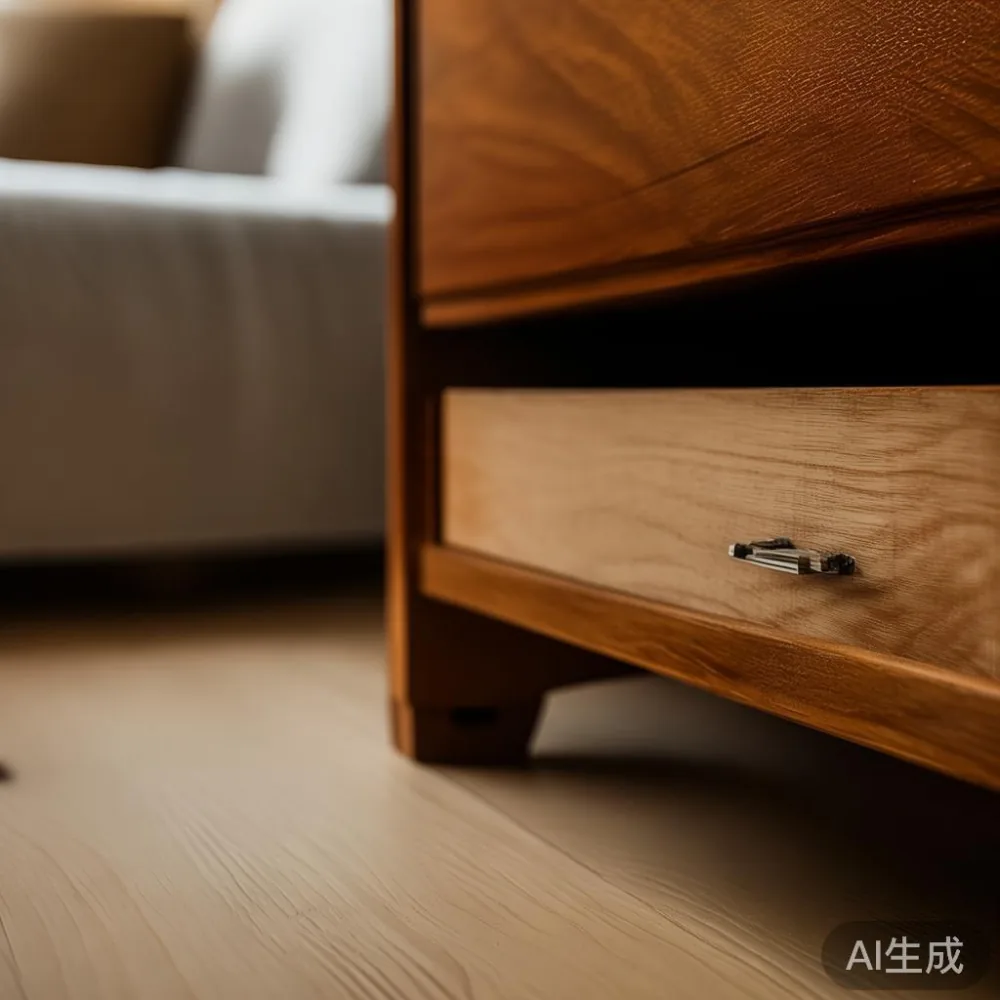
At MIDHILL, our approach to lacquered storage reflects the same care we apply to a solid wood sofa, bed frame, dining table, wardrobe, nightstand or marble table: materials need sensible boundaries. Lacquer is useful because it forms a more protective layer than unfinished timber, but it is not waterproof. Heat, standing water, abrasive cloths and sunlight can still cause clouding, stickiness, colour shift or peeling at vulnerable edges.
The following routine uses ordinary household supplies, takes less than 15 minutes and can be completed every 1–2 weeks during humid months. It is designed for smooth lacquer over wood, not for woven rattan, stone, leather or unfinished surfaces. Always test any cleaner on a concealed area measuring roughly 5 cm by 5 cm before applying it across the panel.
Why does lacquer react to Singapore humidity?
Singapore’s high relative humidity, often reaching 70–90% during wet periods, encourages wood to absorb small amounts of moisture. A well-made lacquer system slows this exchange, but damage can begin when condensation repeatedly settles along joints, drawer runners or the organizer’s back edge. Interior panels may be especially vulnerable because warm, damp air rises from the floor and becomes trapped when ventilation is poor.
Temperature changes matter too. A surface that feels cool after a lift ride at 22°C may meet room air at 29°C, creating condensation. Direct sun can raise the lacquer temperature to 45°C or more within 30 minutes, while an air-conditioner can then cool the outer skin rapidly. These cycles can make a lacquer finish look dull or develop fine cracks that were not visible on delivery day.
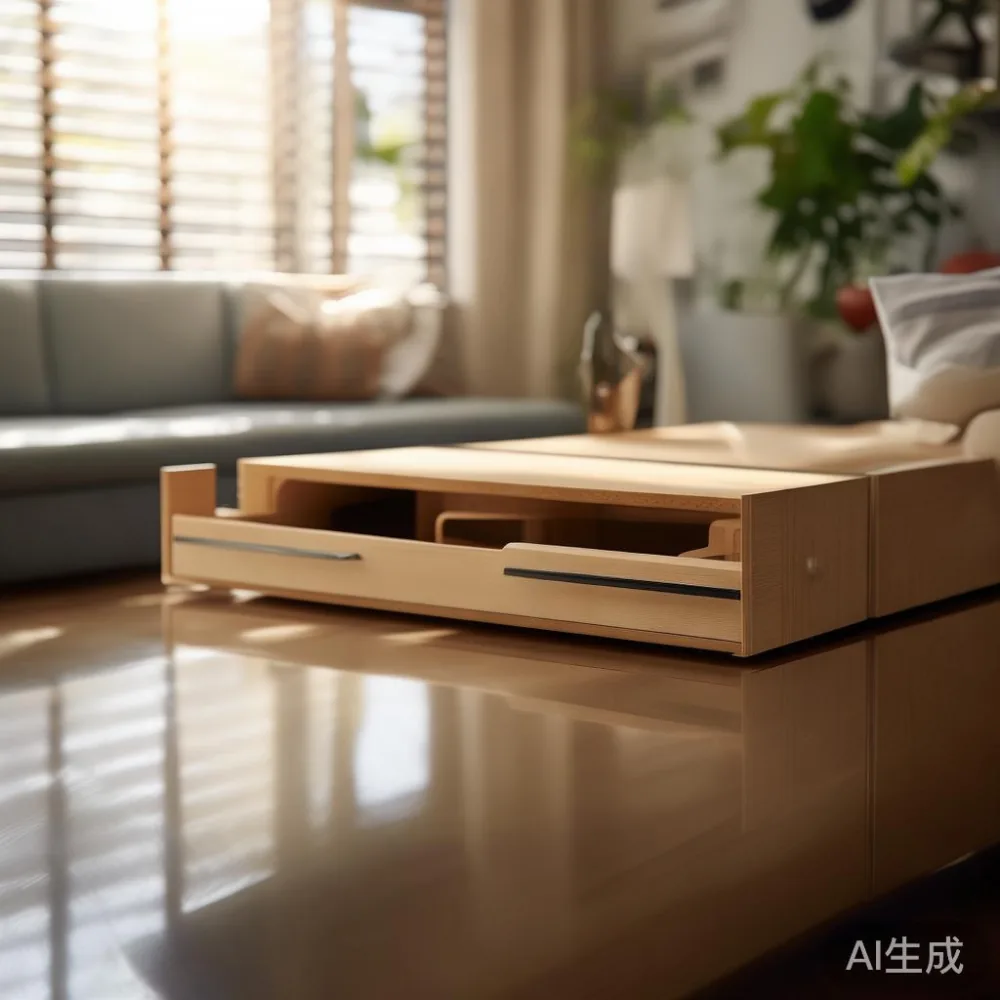
Modern French light luxury styling often uses high-gloss lacquer as a counterpoint to pale oak and other tactile materials. That combination can look polished in a Tampines condo, but the lacquer needs distance from windows and ventilation openings. Post-modern light luxury may favour restrained curves and mixed materials, yet the same moisture rules apply regardless of style.
Wood movement is another consideration. A drawer organizer measuring 60 cm wide and 40 cm deep may expand by several millimetres as its moisture content changes. Quality drawers use suitable clearances, but forcing a swollen drawer or leaving it jammed against its housing can stress the lacquer and joints. Never use a lacquered organizer as a structural support for heavy objects weighing more than 10 kg.
What supplies and routine should I use?
Prepare a soft microfibre cloth, a clean cotton cloth, 2 bowls, a measuring spoon and a mild solution. Fill one bowl with 500 ml of lukewarm water and add about 1 teaspoon of mild dishwashing liquid. Mix until no concentrated streaks remain. Keep a second bowl of plain water nearby. Dish soap is useful for removing light grease, but oily residues can cause polish to build up, so rinse rather than leaving detergent on the surface.
Begin by removing objects from the drawer organizer. This prevents jewellery, pens or metal clips from scratching the lacquer during cleaning. Wipe loose dust with a dry microfibre cloth in the direction of the grain or along the panel’s coated section. Avoid circular rubbing, which can create visible buffing marks.
Dampen the cotton cloth rather than the drawer organizer. The cloth should feel cool, not dripping; excess water can enter seams. Wipe one section at a time, then use the second damp cloth to remove residue. Follow with a clean dry cloth and allow 60–90 minutes before replacing items.
For marks, try a clean cloth lightly dampened with 70% isopropyl alcohol on a hidden 5 cm by 5 cm area. Apply no more than 5 ml, wait 30 seconds and inspect. Some premium lacquers can be affected by alcohol, so skip this step if the finish hazes, softens or loses gloss. Avoid acetone, methylated spirit, bleach, ammonia, furniture polish with silicone and abrasive pads. Silicone residue is particularly troublesome because it attracts dust and encourages further polishing.
A controlled feeding schedule helps more than aggressive cleaning. If the organizer holds food packaging, keep oily foods in sealed containers. Do not place hot cookware, cups of hot coffee or damp sponges directly on the lacquer. Use a trivet or coaster with a base larger than 8 cm. Keep houseplants on a separate stand; a 20 cm planter can introduce repeated moisture around the base.
How often should I clean a lacquered drawer organizer?
A light dusting every 7 days is sensible in a busy bedroom. A more thorough wash every 14 days is appropriate for frequently handled pieces. During monsoon periods or in a ground-floor Bedok flat with persistent dampness, inspect it every 3–4 days for condensation, musty odours or sticky patches. In air-conditioned bedrooms, wipe the exterior monthly unless handling has increased.
Check the edges and underside rather than only the visible top. A finish can remain smooth while moisture has entered a joint. Press the drawer gently at its corners; excessive movement, scraping or a knocking sound may indicate that the runner needs adjustment. Do not apply pressure to swollen panels. If a drawer catches, unload it and contact the maker rather than forcing the movement.
Use a simple 4-point monthly check: look under direct sunlight, smell for damp, test the surface with a dry cloth, and inspect the rear ventilation gap. Keep at least 5 cm between the organizer and a wall where possible. If it sits inside a nightstand, leave a 2–3 cm clearance and check that the nightstand’s cable opening does not press against the lacquer.
Delivery timing is worth considering too. MIDHILL offers delivery across Singapore, with transit commonly taking 3–7 business days after dispatch. Unpack wooden furniture and lacquered organizers in an air-conditioned room, leave protective packaging open for 2–4 hours, and inspect the finish before accepting visible damage. Allow the piece to acclimatise for 48–72 hours before loading it heavily or positioning it against a wall.
Can I use the drawer organizer near a window or air-conditioner?
Yes, but direct exposure should be avoided. Ultraviolet radiation can fade both lacquer and the underlying wood, while temperature swings create condensation. A window in west-facing Tampines or Punggol rooms can receive strong afternoon sun. Position the organizer at least 1 metre from the glass, or use a sheer curtain that filters light without trapping heat.
Do not aim an air-conditioner vent directly at the lacquer. Continuous cool, dry airflow can accelerate moisture loss in wood and create fine stress marks, particularly along a broad panel. A normal room temperature of 23–27°C with relative humidity around 50–65% is manageable, although many Singapore homes naturally sit outside that range during wet weather. A hygrometer costing around SGD 15 can provide a quick reading.
For integrated storage, check the surrounding cabinetry. European light luxury furniture often uses glossy finishes near wardrobes and dressing areas, but each surface should be treated according to its own material specification. A drawer organizer sitting beside a solid wood dining table or a marble table should have a fabric or cork layer beneath it if the base is vulnerable to condensation.
Layout also affects loading. A 60 cm organizer divided into four compartments may look neat when every section holds fewer than 5 kg. Heavier jewellery boxes should sit over the centre of the drawer rather than the front edge. This reduces use on the runner and protects the lacquer around the pull.
How should I deal with haze, sticky patches or small scratches?
Haze often comes from residue rather than a deep structural failure. Dampen a clean cloth with plain water, wring it out well and pass over the affected area with light pressure. Dry immediately with a second cloth. Repeat no more than twice in one session. If haze remains, stop; repeated wet rubbing can strip the topcoat.
Sticky lacquer needs professional assessment, especially if the patch appears after exposure to heat or a chemical cleaner. Do not scrape it with a knife, nail file or razor. Place the affected drawer in a dust-free area and contact the manufacturer with photographs taken in daylight and with the finish’s gloss level described. Avoid placing the organizer above 40°C in an attempt to cure the problem.
Fine scratches in the lacquer may be reduced with a lacquer-safe polishing cloth, but test first because abrasive products can expose a different colour or alter gloss. Use no more than a pea-sized amount, apply with light linear strokes, and stop after 10 passes. A deeper scratch that exposes wood should not be filled with generic paint or marker. Clean around it and seek repair guidance.
For a coordinating room, the question of is Mid-century modern sofa worth it can arise when a new organizer needs a proportional partner. Colour matters more than a label: compare the organizer’s undertone with the sofa under daylight, not under warm evening bulbs. French provincial interiors are popular in Singapore, and the guide on how to style French provincial sofa in apartment suggests balancing carved curves with quieter storage pieces. A plain lacquered organizer can work well when its colour echoes the upholstery or wall rather than competing with ornate details.
What if condensation appears after a lift ride or rainy move?
Singapore lift and corridor sizes can shape both delivery and daily use. Service lifts commonly measure around 90 cm by 140 cm, while some condo corridors are only 110–120 cm wide. A drawer organizer should be transported upright where possible and protected by a 5 mm foam layer. Do not leave it in a hot service lobby or corridor while waiting for a key, because condensation can form before it reaches the air-conditioned unit.
After a rainy move, wipe the exterior and underside with a dry cloth. If visible water is present, stand the organizer in an air-conditioned room for 12–24 hours with its drawers slightly open. Keep it 30 cm away from a wall so air can circulate behind it. A dehumidifier set to 50–55% can help in a persistently damp space, but direct airflow should not be excessive.
Check the lacquer after 24 and 72 hours. Look for dull patches, lifting at the edge, blisters and trapped moisture. Photograph any issue at 1 metre and in close-up so the finish can be identified accurately. Keep the organizer unloaded during this period, and do not use a heat gun at more than 40°C.
Planners who ask how to style European light luxury sofa in apartment often overlook small-scale storage, yet a well-finished drawer organizer can make a compact living area feel deliberate. Its dimensions should relate to the sofa rather than fill the room. Leave 45–60 cm of visual space around a substantial seating piece, and avoid squeezing the organizer between the sofa arm and a wall.
For bedrooms, advice on how to style Japandi sofa in bedroom often centres on clear surfaces and calm textures. A light-luxury drawer organizer can support that approach when hidden cables, charging bricks and accessories are grouped inside it. Use the organizer for items used weekly, not long-term storage. This reduces the load and makes the daily wipe routine practical.
How do I protect the finish while using the drawer every day?
Use a tray liner made of non-abrasive felt or woven cotton. Keep it 2 cm short of the lacquered edges so moisture can be noticed. For frequently opened sections, install a soft runner mat or replace worn felt inserts. Small adhesive pads can leave staining if they age in heat, so use removable pads rather than covering large areas with tape.
Clean jewellery before placing it in the drawer. Alcohol-based perfume and hairspray can attack lacquer, while rough metal buckles may scratch the finish. Let skincare and cosmetics cool before storage, and keep liquids in sealed upright containers. Do not store food directly in a lacquered organizer unless the manufacturer confirms that the coating is food-safe; many decorative lacquers are not.
Open the drawer briefly after air-conditioning stops for the day. This allows trapped humidity to escape during the warmer evening period. In a studio near Punggol Point, where the outdoor breeze may enter at night, leave the cabinet partly ventilated. In a compact HDB bedroom without cross-ventilation, use the 14-day cleaning rhythm and dry the underside during monsoon weeks.
The finish should also be considered during renovation. Keep lacquered storage away from wet paint, primer and cleaning dust. During painting, cover the organizer rather than sealing it with plastic for more than 24 hours, because trapped moisture can cause haze. If sanding or cutting occurs nearby, move it to a separate room; airborne abrasive dust is difficult to remove once it settles into a glossy surface.
What should I do before signing off on delivery?
Inspect the drawer organizer before the delivery team leaves or within the available return period. Check all four corners, the top, sides, underside, drawer joints and runners. Run a clean white cotton cloth over each coated panel; grit may be visible as grey lines. Confirm that drawers slide evenly, close without force and do not rub against the housing.
Compare the finish under natural light. Gloss can make colour variation appear stronger than it is, particularly across panels cut from different parts of a tree. Photograph the piece at 1 metre and record close-ups of each flaw. Do not accept packaging damage without documenting it; a box corner crushed by 5 cm may conceal a bruised or cracked corner.
MIDHILL provides a 14-day return window and a 10-year structural warranty, while lifetime refinishing is available under the applicable product terms. These protections support long-term ownership, but routine care still determines daily appearance. A lacquered drawer organizer from a Foshan factory should arrive with controlled finish quality, consistent colour and properly assembled storage sections, yet Singapore’s heat and humidity remain part of its operating environment.
For customers searching Nordic for guest room storage, a compact organizer can hold spare linens, charging cables and small personal items without visually competing with the bed frame. Place it at least 30 cm from a floor-level air-conditioning unit and keep damp towels in a ventilated cabinet instead. The best standard is simple: dry, clean, lightly loaded and protected from sudden temperature changes.
A useful final test is to run a dry fingertip along every edge after a wipe. If the surface feels smooth, the cloth is dry and no moisture remains, the organizer is ready for use. Repeat that 5-minute check every 2–4 weeks during humid weather. Consistent care will preserve the lacquer’s clarity, protect its joints and help the piece remain visually calm within a Singapore home.