Solid Wood Furniture Pricing: What You Pay for in Singapore
Solid wood furniture is often compared by timber name, colour and photograph, yet those details tell only part of the price story. Species, grade, moisture, joinery, hardware, finish, dimensions and delivery all affect the final bill. For Singapore homes, even the route from the loading bay to the living room can change the practical cost. A 180 cm dining table may weigh 78 kg, while a 42 cm nightstand may weigh only 16 kg. Both can be called “solid wood,” but their material use and production demands are very different.
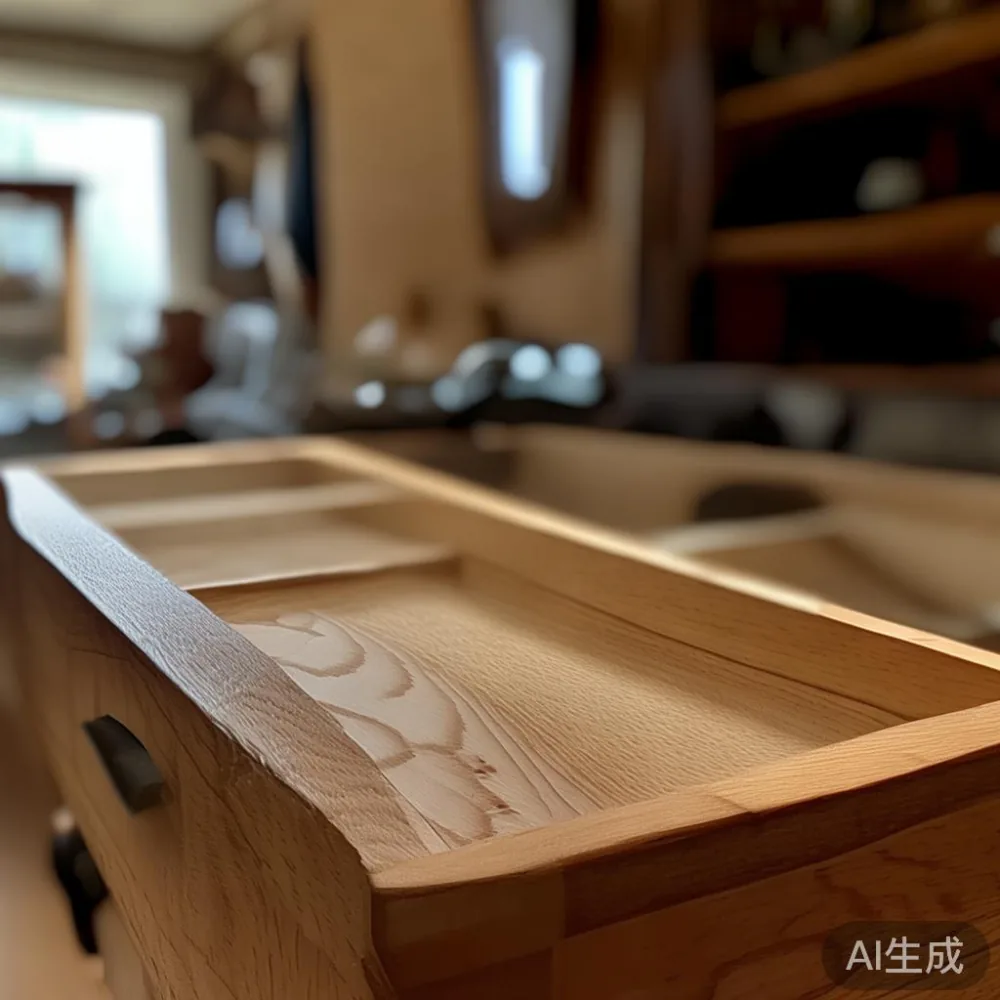
MIDHILL was established in 2008 and exports to more than 15 countries. Its 10-year structural warranty and lifetime refinishing policy show that price should be considered alongside service life, not as a one-off payment. A drawer organizer can also reveal hidden choices: solid hardwood sides, plywood backing, metal slides, dovetail joints and hand-finished edges each influence the cost of a smaller piece that people use every day.
Is solid wood itself enough to explain the price?
No. “Solid wood” identifies the principal material, but it does not specify the species, board selection or construction method. Rubberwood, pine, poplar, oak, ash, beech and walnut have different densities, grain patterns and working requirements. A 100 cm bedside table using oak may use about 0.025 cubic metres of timber before losses; a visually matched design may need 0.035 cubic metres because knots, sapwood and colour variation must be avoided.

Grade matters too. FAS or better hardwood can provide wider faces and more consistent colour, while lower grades increase waste. A kitchen cabinet with broad visible panels needs cleaner boards than a drawer organizer whose sides are partly hidden. Customers paying for designer French provincial furniture are often paying for controlled grain flow, matched doors, shaped mouldings and repeatable finish—not simply a heavy wooden frame.
Thickness is another easy-to-miss factor. A 20 mm tabletop uses more material than an 18 mm top and can resist warping better under humidity. Veneered furniture can use less solid timber, but a well-made veneer is not automatically inferior; its quality depends on the substrate, adhesive, backing and edge treatment. The honest comparison is structural performance, appearance and expected lifespan rather than a slogan on a label.
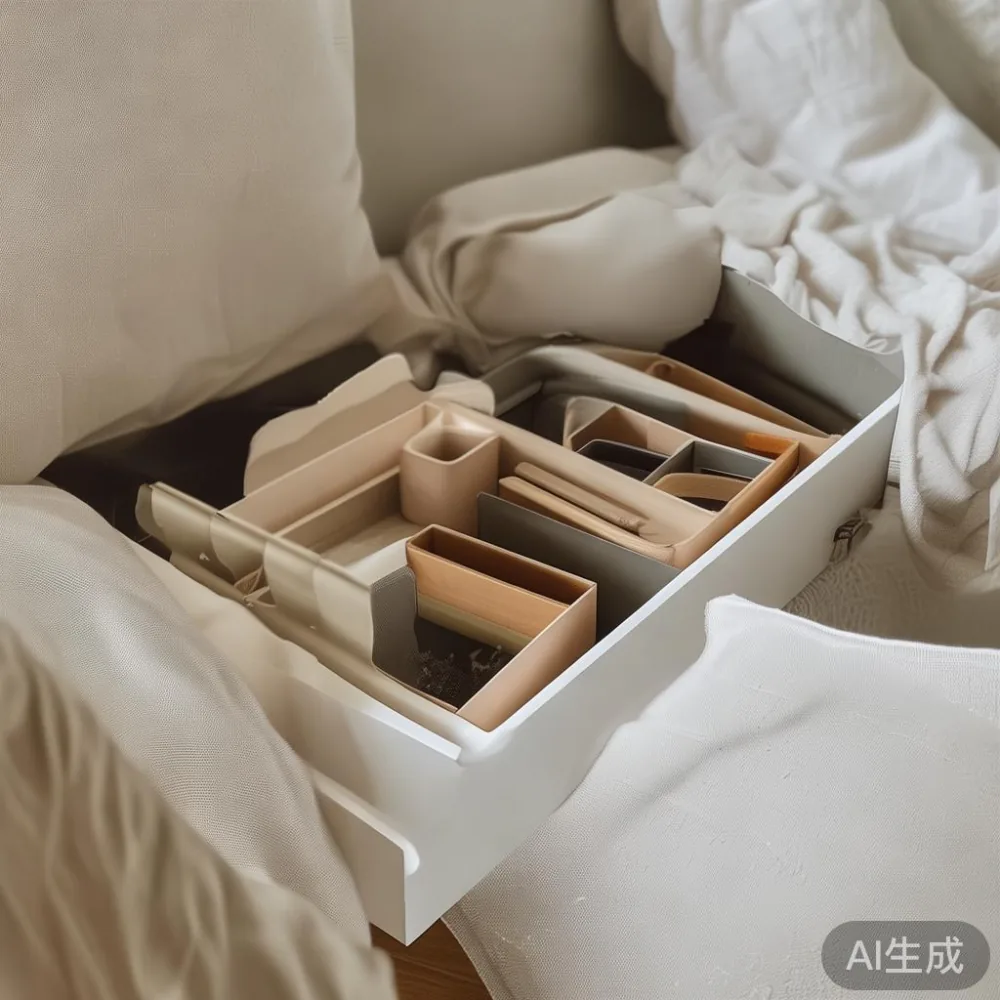
For HDB flats in Tampines, Bedok and Punggol, engineered or carefully selected solid components can be sensible where storage volume matters. However, the design still needs stable drawer movement. If a drawer organizer has a 45 cm-wide drawer and solid wood sides that expand differently from the back panel, seasonal movement can cause binding unless the joinery and slides accommodate it.
Which wood species and grades move the price most?
Species pricing changes with availability and processing difficulty. Dense hardwoods are slower to machine and harder to finish evenly. Sofwood such as pine may be more affordable and can suit post-modern light luxury, while oak offers pronounced grain suited to American light luxury. Walnut, normally positioned above oak in decorative applications, can also create waste because colour matching is demanding.
Compare dimensions rather than relying on vague quality claims. An oak dining table measuring 200 × 100 cm may cost around SGD 2,400 before delivery, while a similar table in a less expensive species may be SGD 1,650. Neither figure is universal: construction can move either result by hundreds of dollars. A French provincial TV console may use carved panels, shaped legs and matched timber, so its labour and timber consumption can exceed a simpler console of the same width.
The dimensions of every board affect yield. A 240 cm board can yield two 118 cm shelf sides, but cutting them from knotty sections may require a longer board. Stable moisture content is especially relevant in Singapore, where relative humidity is often high. Properly kiln-dried timber should be conditioned for the local environment before machining. A structural warranty means little if timber is sealed too aggressively and develops splits at edges or joints.
Ask sellers for species, thickness, finish and structural coverage in writing. Ask whether “oak” means solid oak, oak veneer or an oak-patterned surface. The answer should be clear enough to compare a solid wood bed frame with a drawer organizer made from mixed components. Specifics prevent an expensive label from hiding a modest construction detail.
How much do joints, hardware and drawer slides affect cost?
Joinery accounts for both material savings and production time. Dowels are economical; mortise-and-tenon joints can be strong and precise; dovetails improve corner resistance and require accurate cutting. Machine-cut dovetails save labour, while hand-cut dovetail tails demand more setup and skill. On a drawer organizer, visible dovetails may justify more than a machine-cut alternative, but hidden joints may offer similar service at a lower price.
Hardware has its own price range. A pair of soft-close drawer slides for a 500 mm drawer may cost SGD 18 to SGD 65, while heavy-duty slides can cost SGD 90 to SGD 180. Full-extension slides add convenience but also add moving parts and load ratings. For a 35 kg drawer, a 30 kg slide is technically inadequate; select hardware for actual loaded weight and intended use.
Hinges, hinges cups, connectors and centre guides also matter on wardrobes and cabinets. Upgrading one drawer organizer from ordinary slides to soft-close hardware can add SGD 35 per drawer. Four drawers can therefore add SGD 140 before installation. Over 8 years, quieter operation and fewer repairs may justify the expense, but the mechanism should still be serviceable.
Last month I visited a Singapore home to inspect a 60 cm solid wood dining table that had developed a gap across one joint. The timber had been fitted at about 7% moisture content, far above what I would normally recommend for this climate. The joint itself was sound; seasonal expansion had exposed the error. Replacing the tabletop would cost about SGD 1,100 and take 14 days. That visit reinforced why production method belongs in the price discussion: cheaper stock can become expensive after delivery, labour and damage.
Does the finish account for a large part of the quotation?
Yes. A clear matte finish, stain, fumed colour, wire brushing, painted lacquer and hand-rubbed oil each require different preparation and labour. Water-based coatings generally lower solvent emissions and simplify cleanup, but the finish still needs sanding, sealing and curing. A multi-coat conversion finish on a dining table may add SGD 180 to SGD 420. Hand-applied oil on a smaller wardrobe may add SGD 220, especially if each side is inspected and repaired.
Colour matching can be costly. Matching a marble table to surrounding stone involves veining, slab selection and fabrication. A natural stone top may add SGD 700 to SGD 2,200 for a 120 cm dining table, while a marble bedside surface may add SGD 250 to SGD 650. Natural variation is not a defect, but customers should understand whether the chosen marble is genuine, refined or reproduced.
Edges are often neglected in visual comparisons. A 2 mm eased edge, hand-rounded corner or eased underside is inexpensive in principle, yet repeated sanding can take 20 to 40 minutes per section. A dining table with six shaped legs can require far more finishing time than a boxy nightstand. French light luxury tends to balance decorative detail with restraint, whereas post-modern light luxury may use cleaner geometry and stronger contrasts. Neither direction removes the labour hidden in a good surface.
Are design style and detail work driving the difference?
Yes, because complexity increases cutting, setting and finishing operations. A straight solid wood sofa frame may have predictable components, whereas a solid wood bed frame can include shaped posts, inset panels and concealed supports. A dining table can range from SGD 980 for a straightforward design to SGD 3,800 for thick legs, detailed edges and premium hardware. A nightstand can range from SGD 320 to SGD 980 according to timber, drawer construction and surface treatment.
Curves require templates, jigs and careful sanding. Decorative carving adds labour, while a French provincial TV console may combine cabriole-inspired legs, bevelled drawer fronts and timber mouldings. A European light luxury TV console can use fewer carvings yet still demand accurate proportions, concealed cable management and matched grain. The price difference may be driven more by the execution than by the era named in the style.
Search results for “top 10 Rustic furniture” often favour dramatic knots, distressed edges and heavy-looking boards. That visual language does not require every board to be reclaimed. Reclaimed material may introduce checking, fasteners or old finishes, and its treatment can offset some of the material cost. Solid wood furniture with a controlled rustic finish can be more practical for a 12 m² bedroom corridor where protruding details are inconvenient.
Wardrobes deserve their own breakdown. A 180 cm wardrobe with two doors may cost SGD 2,200 to SGD 4,800 with solid timber components, while fitted interiors and premium slides can add SGD 700 to SGD 2,000. If you are comparing ideas for how to style American wardrobe in bedroom, remember that doors, drawer organizer modules, rails and lighting can consume more budget than the cabinet carcass. Door widths also affect fitting in lifts and corridors.
How do Singapore delivery and installation conditions affect furniture prices?
Delivery is not a small footnote. A bed frame may weigh 70 kg and require 2 people, while a six-drawer dresser may weigh 95 kg and need 3 people above a certain stair route. HDB lift doors may measure roughly 80 to 90 cm, and corridor widths can be tight at corners. A 65 cm nightstand may pass easily, but a 220 cm solid wood dining table often cannot be turned through a stair landing without planning.
Carriers may charge SGD 45 for a standard local drop-off and SGD 90 to SGD 180 for upper-floor delivery in a walk-up. A larger lorry or special move can cost SGD 220 to SGD 450, and storage may add another SGD 40 per week. Remove packaging before delivery where possible: a wrapped wardrobe can measure 15 cm wider than the actual cabinet and still fit a lift, but a narrow lift may not allow the turn.
Singapore GST is 9% and appears on taxable business sales, though some second-hand or non-standard transactions can be treated differently. A subtotal of SGD 2,500 becomes SGD 2,725 after GST. Buyers should check whether freight, assembly, insurance and installation are included rather than comparing only the displayed product figure.
MIDHILL offers free shipping above US$350 for qualifying orders under its stated policy. Because this threshold is in US dollars rather than SGD, customers should confirm the local payable total and delivery timing before paying. Typical production can take 25 to 45 days, followed by 5 to 10 days for international dispatch. A local customer should request an estimated Singapore delivery date and keep a 14-day return window in mind for eligible, unused goods.
What should a useful furniture price breakdown contain?
A useful quotation separates at least 7 items: timber species and grade; board thickness; dimensions; joinery; hardware and drawer capacity; finish; and delivery or installation. Without those figures, two prices may look different but describe products with similar materials. A SGD 880 drawer organizer can use 18 mm oak sides, ball-bearing slides and a lacquer finish; a SGD 560 organizer can use thinner timber, basic slides and a simpler coating.
Measure the room and route before ordering. Record the narrowest lift door, corridor turn, doorway and intended furniture position. Leave at least 5 cm of turning clearance where possible, and check whether the packaging is included in the measurement. For dining seating, allow about 60 cm per place; for a bed, allow 60 cm on each side when space permits. Good planning protects both the home and the furniture.
Ask how long the structural warranty lasts, what it covers and how claims are handled. A 10-year warranty should distinguish movement or joint failure from ordinary finish wear. Lifetime refinishing is a separate service benefit, not permission to use an unsuitable finish or neglect care. Clean with a damp cloth, avoid standing water and keep solid wood away from air-conditioning vents.
Price is a bundle of decisions, not a mystery. Timber grade, material volume, accurate joinery, drawer hardware, surface preparation, design labour, logistics and after-sales protection all belong in the total. Comparing a solid wood sofa, bed frame, dining table, wardrobe, nightstand, marble table or drawer organizer with the same 7-part checklist makes the difference between apparent luxury and useful durability easier to see. The most expensive appearance may not be the strongest value, and the lowest number may not account for delivery or future repairs.