The Sofa Dilemma: What to Check Before Buying One You Cannot Sit On
Shopping for a sofa in Singapore presents a unique set of challenges. Our city's modern apartments, from the compact HDB flats in Tampines to the sprawling condos in Punggol, demand furniture that is not just beautiful but also practical. The most significant hurdle? You often can't physically sit on the sofa before you buy it. Online shopping has become the norm, and while it offers endless choice, it requires a shift from sensory-based decision-making to a more analytical, detail-oriented approach. How do you ensure the plush-looking sofa in the photograph will be a perfect fit for your space, your lifestyle, and your body? The answer lies in rigorous pre-purchase research, focusing on the tangible, measurable aspects of a piece of furniture that will become the centrepiece of your living room.
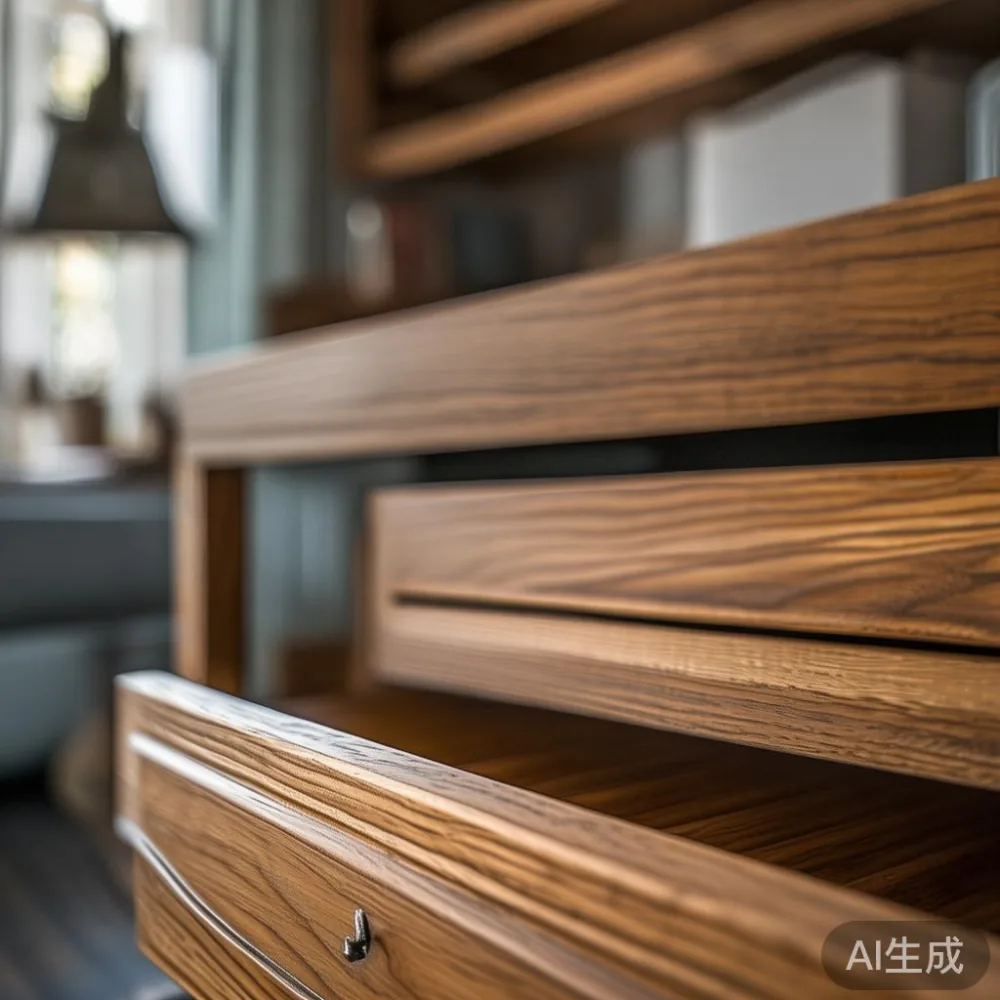
Why Can't You Sit on It? The Singapore Reality
The reality of the Singaporean furniture market is shaped by our living spaces and shopping habits. Many of us live in apartments where working through a large sofa through the narrow corridors and lifts is a major logistical puzzle. A sofa that is 220 cm long and 95 cm deep might look stunning in a showroom, but if your apartment's lift is only 110 cm wide, it simply won't fit. This physical constraint often means that online retailers, like the established Foshan furniture maker MIDHILL, become the primary source for new furniture. They offer detailed specifications, 10-year structural warranties, and lifetime refinishing services, giving buyers confidence despite the inability to test the product firsthand. My colleague last month faced this exact dilemma. She found a beautiful solid wood sofa online but was hesitant. She spent two days cross-referencing the product's dimensions with the floor plan of her new Bedok condo, checking the lift dimensions with her building management, and reading reviews about the specific foam density. Her diligence paid off; the sofa arrived perfectly and fits her space like it was made for it.
Mastering the Measurements: The Blueprint for a Perfect Fit
Measurements are the most critical element in buying a sofa you cannot sit on. This goes far beyond simply knowing the length and width. You need a comprehensive set of data points to make an informed decision. Start with the sofa's dimensions: length, width (or depth), and height. A 3-seater sofa can range from 180 cm to 220 cm in length, a difference that can dramatically impact a room's flow. The depth is equally important; a 90 cm deep sofa offers a more relaxed lounging experience than a 75 cm one, but it will protrude further into the room. Don't forget the height, especially if you have low windows or a specific aesthetic in mind. Seat height typically ranges from 40 cm to 50 cm, which affects how easy it is to get up and down.

Equally important are the clearance dimensions. Measure the height from the floor to the top of the sofa's arms. This is important for placing drinks or lamps. Also, consider the back height, which will determine how much of a wall it will cover and whether it will block a window. The height of the legs is another key detail. A sofa with 10 cm legs will create a different visual weight and allow for easier vacuuming than one with 4 cm legs or no legs at all. Finally, factor in the space required for opening the sofa if it has a pull-out bed or storage compartments. For those in HDBs, always measure your doorways, lift dimensions, and the corridor width to your apartment entrance. A sofa that is 88 cm wide might fit through a standard 90 cm door, but a 92 cm one will not.
What Are the Sofa's Actual Dimensions and Materials?
Once you have the basic dimensions, you need to look deeper into the construction and materials. This is where you can differentiate a high-quality piece from a cheap Mid-century modern furniture option. Ask the seller for the exact frame construction. A solid wood sofa frame, made from kiln-dried hardwood like oak or beech, is a sign of durability. It is resistant to warping and cracking, ensuring the sofa will last for years. Cheaper alternatives often use particleboard or softwood, which can degrade more quickly. The frame's joinery is also important; look for corner blocks, dowels, and screws rather than just staples and glue.
The comfort of a sofa is determined by its fillings. The density of the foam is a key metric, usually measured in kilograms per cubic metre (kg/m³). A high-density foam (around 30-40 kg/m³) will provide firm support and last longer than a low-density one (20 kg/m³ or less), which may quickly soften and lose its shape. The cushions should have a combination of high-resilience foam and a layer of down or polyester fibre for a soft, luxurious feel. For the upholstery, ask about the fabric's composition. Look for high-performance, stain-resistant materials if you have pets or children. Understanding these details helps you build a mental picture of the sofa's quality and feel, even without sitting on it.
How Will It Get Into Your Singapore Home?
Logistics are a non-negotiable part of the buying process, especially in Singapore. Before you click 'buy', confirm the delivery details. Most reputable sellers, including those offering light luxury furniture china, will provide a clear delivery timeline. Ask specifically about the delivery days and whether they include assembly. A standard delivery might take 7 to 14 business days, but this can be longer for custom pieces or during peak periods. Inquire about the delivery process: Will the sofa be brought to your door, or will it be left in the lobby? For residents in HDB flats with narrow lifts, this is a critical question.
Understand the delivery policy thoroughly. What is the cost? Many stores offer free shipping over a certain amount, such as SGD 1,500. What happens if the sofa doesn't fit? A good return policy is your safety net. Check if the seller offers a 14-day returns window and what the process entails. You don't want to be stuck with a sofa that is too large for your Punggol apartment. Also, factor in the Goods and Services Tax (GST). The price you see may or may not be inclusive of 9% GST, so ensure you have the final, all-in cost. For example, a sofa listed at SGD 2,000 before GST will cost you SGD 2,180. Knowing these financial and logistical details upfront prevents unpleasant surprises later.
European Light Luxury Bed vs Japandi Bed? Wait, That's a Sofa!
It's easy to get distracted by style names and trends, but when buying a sofa, it's important to stay focused on the product itself. You might see a sofa described as 'French light luxury' or 'post-modern light luxury' and be drawn to the aesthetic. These terms can be helpful for visualising the piece, but they shouldn't be your primary guide. A beautiful light luxury coffee table in the showroom photograph might inspire the sofa's style, but the sofa's own construction and dimensions are what matter most. Avoid getting sidetracked by comparisons like 'European light luxury bed vs Japandi bed'—those are different products. The key is to evaluate the sofa on its own merits: its dimensions, materials, and suitability for your space.
Instead of focusing on abstract style labels, look for concrete product terms. Is the frame solid wood? Does it have a marble table inlay on the side table? Is the finish on the wood consistent and high-quality? These tangible features are far more reliable indicators of quality than a vague style name. Remember, a for sale Italian light luxury furniture piece might be beautiful, but if its dimensions don't work for your Singapore HDB, it's not the right choice. Keep your research grounded in the specifics: centimetres, kilograms, material types, and delivery timelines. This analytical approach will lead you to a sofa that you will love for years to come, even if you never got to sit on it in a showroom.
Is There a Warranty, and What Does It Cover?
A warranty is your assurance of quality and a critical factor when buying furniture online. A reputable manufacturer will stand behind their products with a clear, comprehensive warranty. Look for warranties that cover the structural integrity of the frame. A 10-year structural warranty, for instance, indicates that the company is confident in its craftsmanship. This warranty should protect against defects in the wood, joints, and frame. Beyond the structure, inquire about the warranty for other components. The cushions and foam may have a separate warranty, typically for 1 to 3 years, covering issues like excessive sagging or breakdown of the material.
Also, check for a finish warranty. A lifetime refinishing warranty is a significant benefit. It means that if the wood finish gets damaged over time, the company will refinish it for you, extending the life of your sofa. This is particularly valuable for solid wood pieces. Be sure to read the fine print. Understand what is covered and what is considered normal wear and tear. For example, a warranty might not cover fabric fading from sun exposure or stains caused by accidents. A clear warranty policy provides peace of mind and protects your investment, ensuring that your new sofa remains a beautiful part of your home for decades.
What About the Little Things: Drawers and Storage?
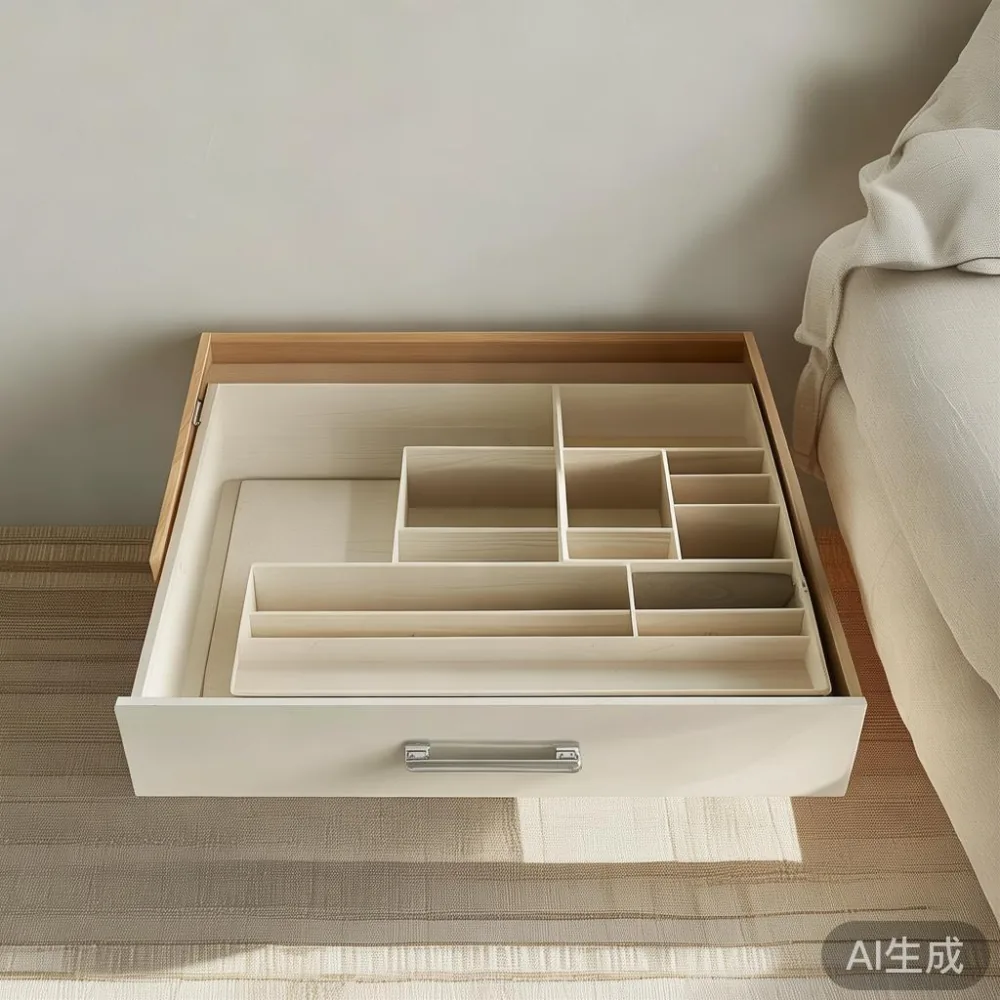
p>While the main focus is on the seating, many modern sofas come with integrated storage or side tables. If the model you're interested in has these features, you need to inspect them just as carefully. If a sofa includes a drawer organizer, check its dimensions. A drawer that is too small or poorly designed will be useless. Ask about the internal dimensions of any storage compartments. A sofa bed's pull-out mechanism should be smooth and sturdy, rated for a specific weight capacity. If there's a side table with a marble table top, confirm its thickness and how it is attached to the sofa frame. A flimsy attachment could lead to breakage. These small details contribute significantly to the functionality and longevity of the piece. A well-designed drawer or a secure side table can make a good sofa great, while a poorly executed one can be a source of constant frustration.