The Art of Warm Minimalism: Matching Furniture to Singaporean Homes
In the quiet elegance of a Singaporean HDB flat in Tampines or a modern condo in Punggol, the interior design philosophy of warm minimalism has found a perfect home. It's a style that celebrates simplicity without sacrificing comfort, creating spaces that feel both open and inviting. For residents working through the compact layouts of local homes—from the narrow corridors of a Bedok apartment to the generous living rooms of new-builds—the choice of furniture is paramount. It must be functional, beautiful, and perfectly attuned to the scale of the space. This guide explores how to curate a warm minimalist interior, focusing on the details that bring harmony to your home.
Understanding Warm Minimalism in the Singaporean Context
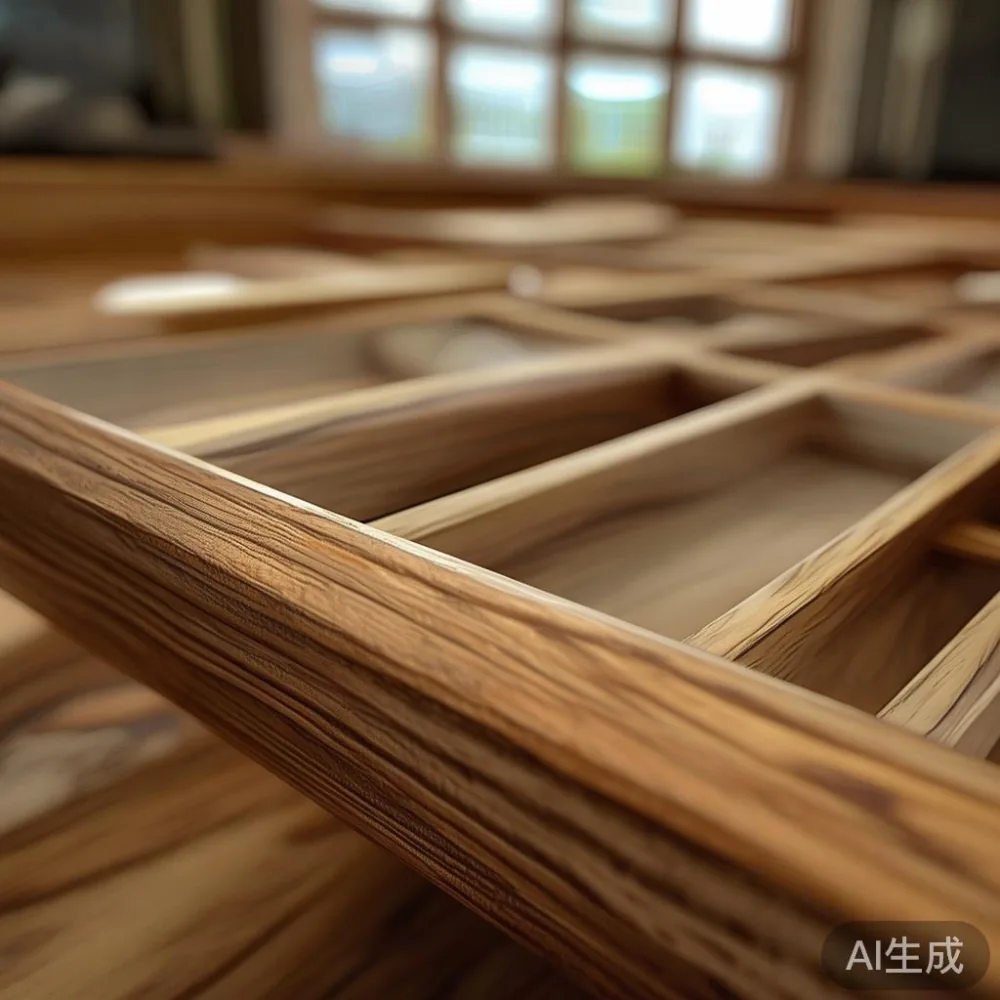
Minimalism is often misunderstood as cold or sterile, but warm minimalism introduces a layer of softness and human comfort. It's about creating a calm, uncluttered environment using natural materials, soft textures, and a neutral colour palette with warm undertones. In Singapore, where the climate is humid and the pace of life can be fast, this style offers a sanctuary of tranquility. The challenge lies in selecting pieces that fit the physical constraints of local living. A standard corridor in a Tampines HDB, for example, is typically 1.2 meters wide, which dictates the maximum width for a console table or a narrow wardrobe. Similarly, lift dimensions in older condos can be tight, making the flat-pack design of a solid wood dining table a practical consideration for delivery and assembly.
The colour palette for warm minimalism is anchored in whites, beiges, and light woods, with accents of muted tones like sage green or terracotta. This approach allows the natural grain of a solid wood sofa or the subtle veining of a marble table to become the focal point. It’s a style that values longevity over trendiness, investing in pieces like a well-constructed bed frame that will serve your family for years. This philosophy aligns perfectly with the practical sensibilities of Singaporeans, who appreciate quality and durability. When considering a major purchase like a wardrobe or a dining table, thinking about its lifespan and how it will age gracefully is part of the process.
How to Choose a Bed Frame That Embodies Warm Minimalism
The bedroom is the heart of the home, a personal retreat where rest and rejuvenation occur. Choosing the right bed frame is the first step in creating this sanctuary. For a warm minimalist aesthetic, a low-profile bed frame made of solid wood is an excellent choice. The natural material brings warmth and texture to the space, while the simple, clean lines keep the look uncluttered. When learning how to choose a Japanese bed, for instance, you would look for a platform design with a low headboard, or none at all, to maintain a sense of openness. This style is perfect for Singaporean bedrooms, which average around 12 to 15 square meters, as it doesn't overwhelm the space visually.
The Japandi style, a blend of Japanese minimalism and Scandinavian coziness, offers another compelling option. When considering how to choose a Japandi bed, look for a frame that combines the sleek, understated lines of Japanese design with the warm, inviting feel of natural oak or walnut. A simple, rectangular silhouette with a textured linen or wool throw at the foot of the bed adds a layer of softness without breaking the minimalist rule. The height of the bed is also a practical consideration. A standard bed frame is around 40cm high, but a lower profile can make a small bedroom feel more spacious. Remember to factor in the mattress height, which is typically 20-25cm, to ensure the total height is comfortable for getting in and out of bed.
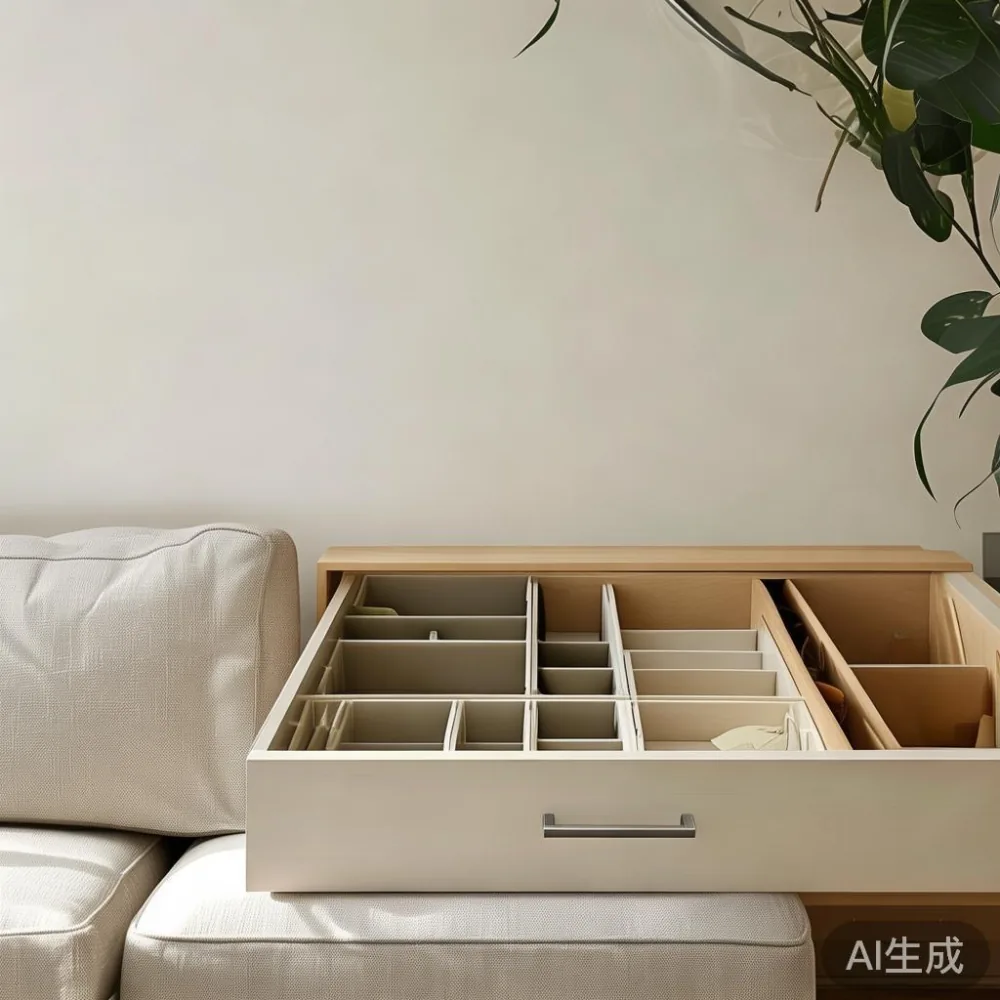
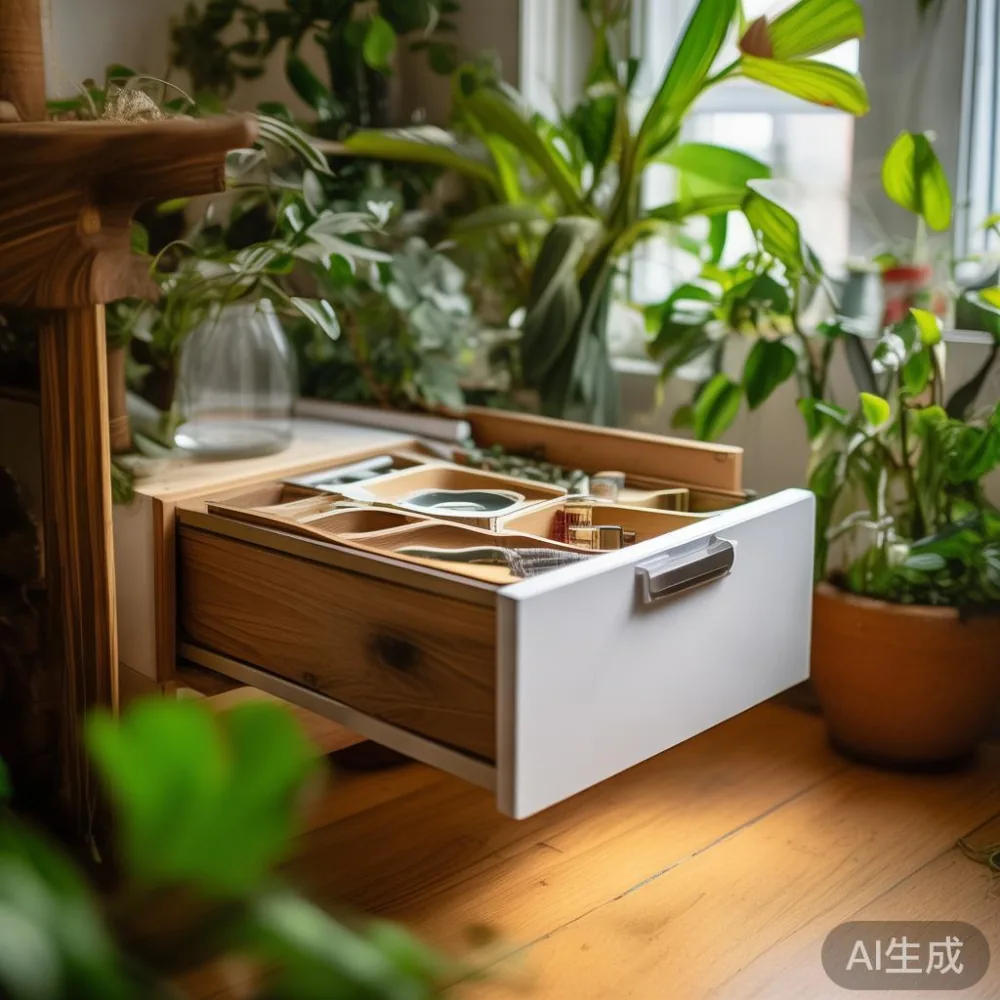
Storage is another key factor. In Singapore, where space is at a premium, a bed frame with integrated drawers can be a standout piece. These drawers, often 30-40cm deep and 60-80cm wide, provide a clever solution for storing bedding, seasonal clothing, or personal items. This reduces the need for bulky dressers, keeping the bedroom floor clear and contributing to the minimalist aesthetic. The internal drawer organizer can be a simple system of dividers or compartments, ensuring that even the smallest items have a designated place, maintaining the calm, uncluttered feel of the room.
Living Room Harmony: Selecting the Perfect Sofa
The living room is the social hub of the home, and the sofa is its central piece. In a warm minimalist interior, the sofa should be a statement of understated elegance. A light brown luxury sofa in a soft, textured fabric like linen or bouclé can anchor the room with its warmth and comfort. The colour is neutral enough to blend with a minimalist palette but rich enough to add depth. When comparing options, the choice between a Japanese sofa vs French provincial sofa reveals a clear difference in style. The Japanese sofa favors clean lines, low seating, and natural materials, fitting perfectly with the minimalist ethos. The French provincial sofa, with its more ornate details and higher, softer back, leans towards a more traditional, luxurious look.
For a Singaporean condo living room, which might be 25 to 35 square meters, the scale of the sofa is critical. A three-seater sofa is typically 180-200cm long, while a two-seater is 140-160cm. It's important to measure your space carefully, leaving at least 45-60cm of clearance around the sofa for easy movement. The depth of the sofa, usually 85-95cm, also affects the room's feel. A deeper sofa offers more lounging comfort but can protrude further into the room. Consider a modular sofa system, which can be configured to fit your space precisely and adapted as your needs change. The simplicity of a solid wood sofa with clean, geometric lines aligns with the minimalist principle that form follows function.
Complement the sofa with a coffee table that is both functional and aesthetically pleasing. A marble table with a slim metal or wooden base adds a touch of light luxury without cluttering the space. Its cool surface provides a beautiful contrast to the warmth of the sofa. The table should be at a comfortable height, around 40-45cm, to align with the seat of the sofa. A round or oval shape is often better for small spaces as it has no sharp corners and encourages a more relaxed flow. The weight of a marble table is significant, usually between 40-60kg, so ensure your floor can support it and plan for assistance during delivery and placement.
Dining Room Elegance: Balancing Form and Function
The dining room is where families gather and memories are made, making it a space that deserves thoughtful design. A warm minimalist dining room focuses on clean lines, natural materials, and a sense of airiness. For the dining table, a solid wood piece in a light oak or ash finish is an ideal choice. The grain of the wood adds visual interest, while the simple, tapered legs keep the look light and unobtrusive. The size of the table should be proportional to the room. A standard dining table for 4 to 6 people is 140-160cm long and 80-90cm wide. In a Singaporean HDB flat, where the dining area might be part of the living room, a round table can be a smart choice as it takes up less space and promotes conversation.
p>When styling a dining room, the concept of 'Coastal for dining room' can be interpreted through the use of natural textures and a soft, airy colour scheme. Think of a table set with linen napkins in a sandy beige, ceramic plates in a matte white, and glassware with a simple, elegant shape. The chairs should complement the table; a set of wooden chairs with woven rattan or fabric seats adds texture and comfort. Avoid overly ornate designs that would clash with the minimalist aesthetic. The goal is to create a space that feels both refined and welcoming, a place where you can enjoy a meal without feeling overwhelmed by decorative elements.Storage is just as important in the dining area as it is in the bedroom. A sideboard or buffet provides a place to store tableware, linens, and serving items, keeping the dining area clutter-free. Look for a piece with clean lines and simple hardware. Its height should be around 80-90cm to match the dining table, creating a cohesive look. The depth of a sideboard is typically 40-50cm, offering ample storage without dominating the room. Inside, a drawer organizer can be used to cutlery and smaller utensils, ensuring everything has its place. This attention to detail is what transforms a functional piece of furniture into an integral part of the warm minimalist design.
Storage Solutions: The Unsung Heroes of Minimalism
In a minimalist home, storage is not an afterthought; it is a core design element. The goal is to have a place for everything, so that surfaces remain clear and the space feels calm and orderly. This is where the humble drawer organizer becomes a hero. A well-designed drawer system can turn a chaotic mess of utensils, stationery, or accessories into a neatly arranged, easy-to-work through collection. For a kitchen drawer, for example, a multi-compartment organizer can separate knives, spoons, and gadgets, making cooking and cleaning more efficient. The beauty of a good drawer organizer lies in its simplicity; it is a practical tool that enhances the minimalist aesthetic by bringing order to the small details of daily life.
Wardrobes are another critical storage component in Singaporean homes. A built-in wardrobe is a common solution, offering maximum storage within a fixed footprint. The interior of the wardrobe should be planned with care, incorporating a mix of hanging rails, shelves, and drawers. A dedicated drawer organizer for socks, underwear, and accessories prevents these smaller items from creating a jumbled mess at the bottom of the wardrobe. Sliding doors are a popular choice for wardrobes as they save space compared to hinged doors. When selecting a wardrobe, consider the material; a solid wood wardrobe with a smooth, matte finish will align with the warm minimalist style, while providing durable, long-lasting storage.
For those living in smaller apartments, multi-functional furniture is a key strategy. A storage ottoman that doubles as a coffee table or extra seating is a perfect example. It can be used to store blankets, board games, or other items that are not needed daily, keeping them out of sight but within easy reach. Similarly, a bed with hydraulic lift storage provides a large, hidden space for items that are used seasonally. These solutions are not just practical; they are elegant, demonstrating that minimalist design is about intelligent problem-solving. By integrating storage smoothly into the furniture, you maintain the clean lines and uncluttered feel that define the style.
What Are the Common Mistakes to Avoid When Creating a Warm Minimalist Home?
While the principles of warm minimalism seem straightforward, there are several common pitfalls that can undermine the desired effect. One of the most frequent mistakes is going overboard with the 'minimal' aspect and creating a space that feels cold, stark, and uninviting. A minimalist home should still feel like a home, filled with comfort and personality. To avoid this, introduce layers of texture through throws, rugs, and cushions. A soft wool throw draped over a solid wood sofa or a jute rug under a coffee table can add warmth without adding clutter. Another mistake is choosing furniture that is too large for the space. In Singapore, where rooms can be compact, it's tempting to select statement pieces, but oversized furniture will make the room feel cramped and oppressive.
A third common error is neglecting the importance of negative space. Minimalism is as much about what you leave out as what you put in. Resist the urge to fill every surface and corner. Allow your furniture to breathe, with clear pathways around pieces and open space on walls. This not only makes the room feel larger but also creates a sense of calm. Finally, be mindful of colour. While a neutral palette is the foundation of warm minimalism, using too many shades of beige and grey can result in a monotonous and dull space. Introduce subtle variations in tone and add a few carefully chosen accent colours to create depth and interest. A single piece in a muted terracotta or sage green can provide the perfect focal point.