How Do I Choose a Drawer Organiser That Fits Singapore Homes and Daily Life?
A practical Singapore guide to choosing drawer organisers, comparing sizes, materials, prices, and layouts for HDB and condo homes.
- What drawer organiser size should I measure before buying in Singapore?
- Which drawer organiser layout suits HDB, landed and condo storage?
- Which materials can withstand Singapore humidity and frequent wiping?
- How much should a drawer organiser cost in Singapore?
- Do drawer organisers need to fit awkward HDB and condo drawers?
- How do I install a drawer organiser without damaging the furniture?
- Which drawer organiser is best for kitchens, wardrobes and bathrooms?
- How do I compare drawer organisers without wasting money?
- Where can I buy drawer organisers in Singapore and get them delivered?
What drawer organiser size should I measure before buying in Singapore?
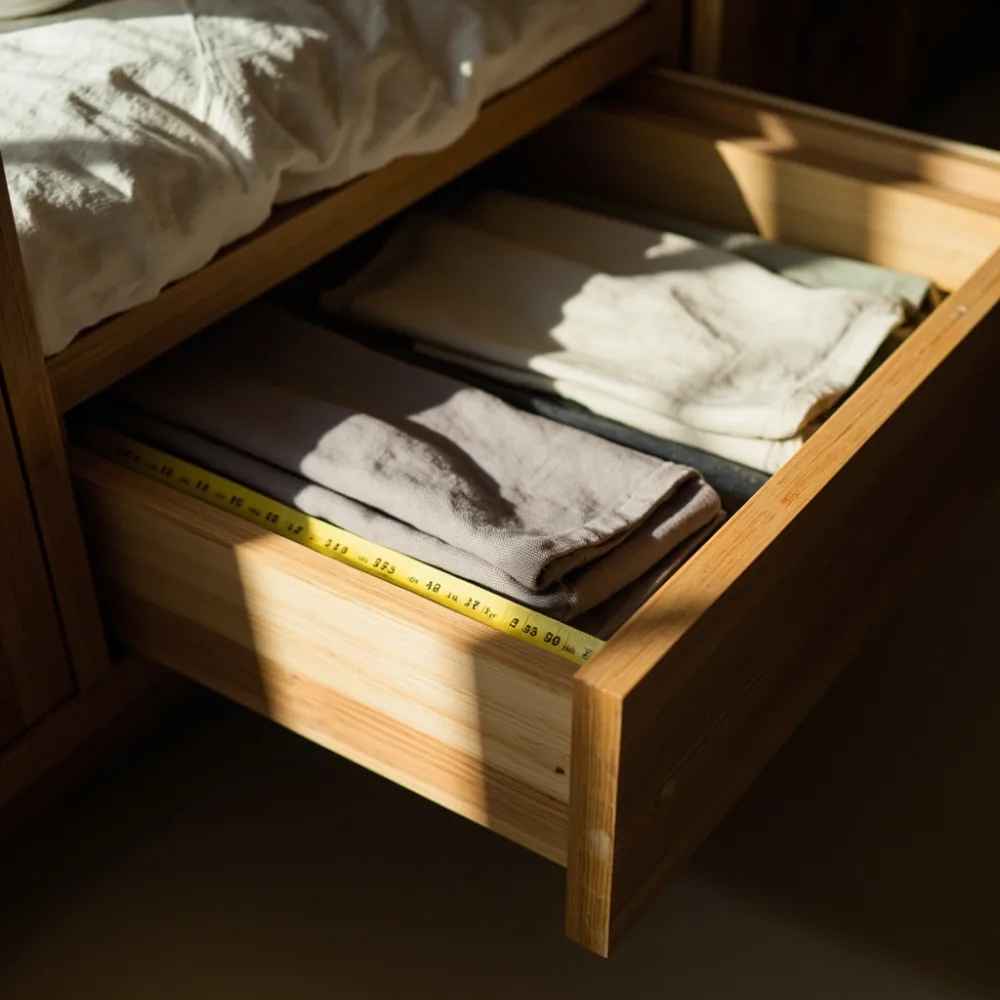
Measure the internal drawer, not the cabinet front
Match the organiser to the items you actually store
I measure the inside of the drawer rather than the cabinet opening. The useful dimensions are the internal width, depth and height, including any runners, brackets or handles that reduce usable space. A drawer labelled 60 cm on a furniture plan may only offer about 56 cm internally, so I always take a tape measure to the home before ordering.
For compact HDB bedrooms, a narrow organiser between 15 and 20 cm wide can work beside folded clothes. For a larger condo wardrobe, a modular set between 25 and 40 cm wide gives more flexibility. Deep kitchen drawers may accept trays over 45 cm deep, but only if the drawer front opens far enough for easy access.
- Allow 1–2 cm of clearance on each side where possible.
- Check whether the drawer has a removable insert or sliding mechanism.
- Measure from the internal back wall to the front edge, not the outer carcass.
- For rental homes, keep the organiser removable so it can move with you.
Small space furniture works best when each centimetre has a purpose. I prefer adjustable dividers over a fixed tray because clothes, cables and spices change more often than drawers do.
Which drawer organiser layout suits HDB, landed and condo storage?
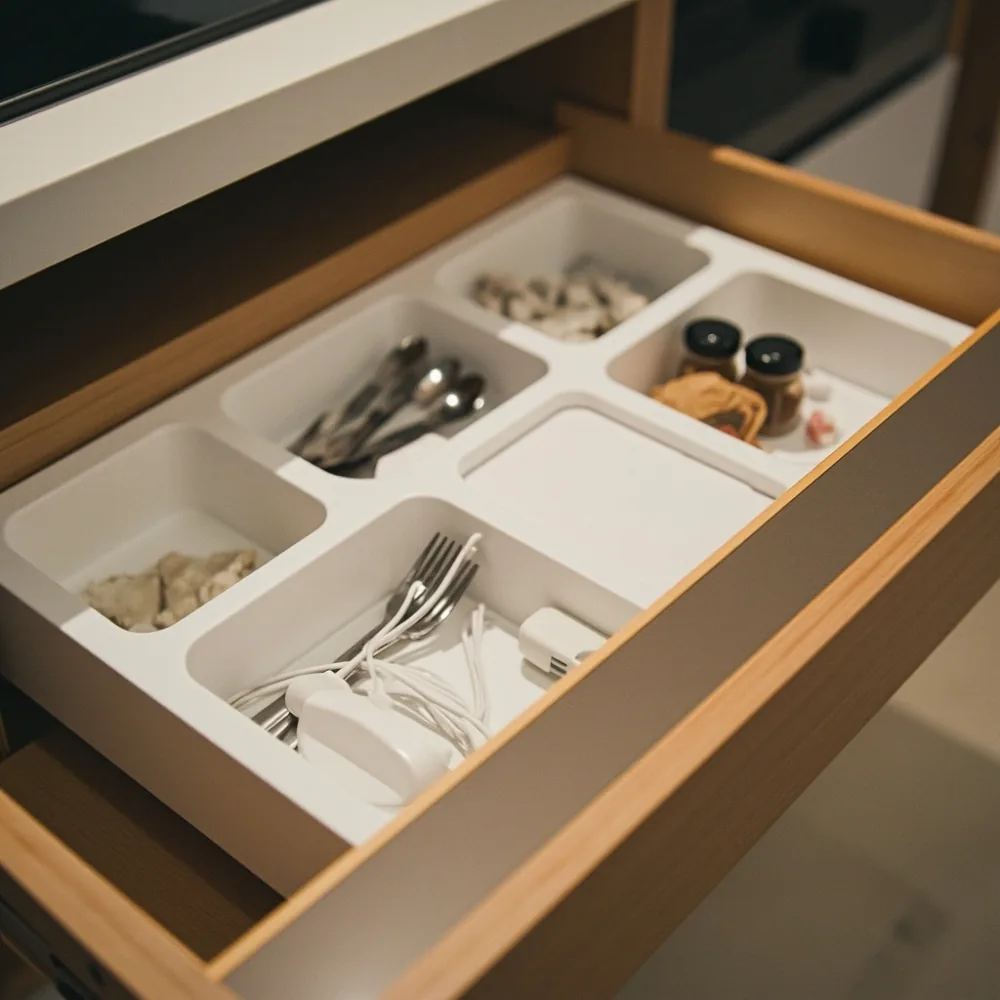
Use vertical zones for wardrobes
Use shallow trays for kitchens and desks
For an HDB bedroom, I usually divide one wardrobe drawer into three zones: folded clothing, socks and undergarments. A three-compartment layout keeps small items from disappearing beneath heavier pieces. In a landed home with a built-in dressing room, deeper drawers can support a drawer organizer system with stacked trays and removable dividers.
Condo kitchens often have wide, shallow drawers beneath counters. These suit low-profile trays rather than tall boxes. A desk drawer benefits from a divided insert for stationery, charging cables and keys, while a bathroom vanity needs sealed compartments that can be wiped clean.
I think layout matters more than matching colours. A light-coloured organiser makes dark items easier to find, while a darker tray reduces visual clutter in an open wardrobe. If the drawer is visible when closed, choose a finish that sits comfortably beside the surrounding small space furniture.
Which materials can withstand Singapore humidity and frequent wiping?
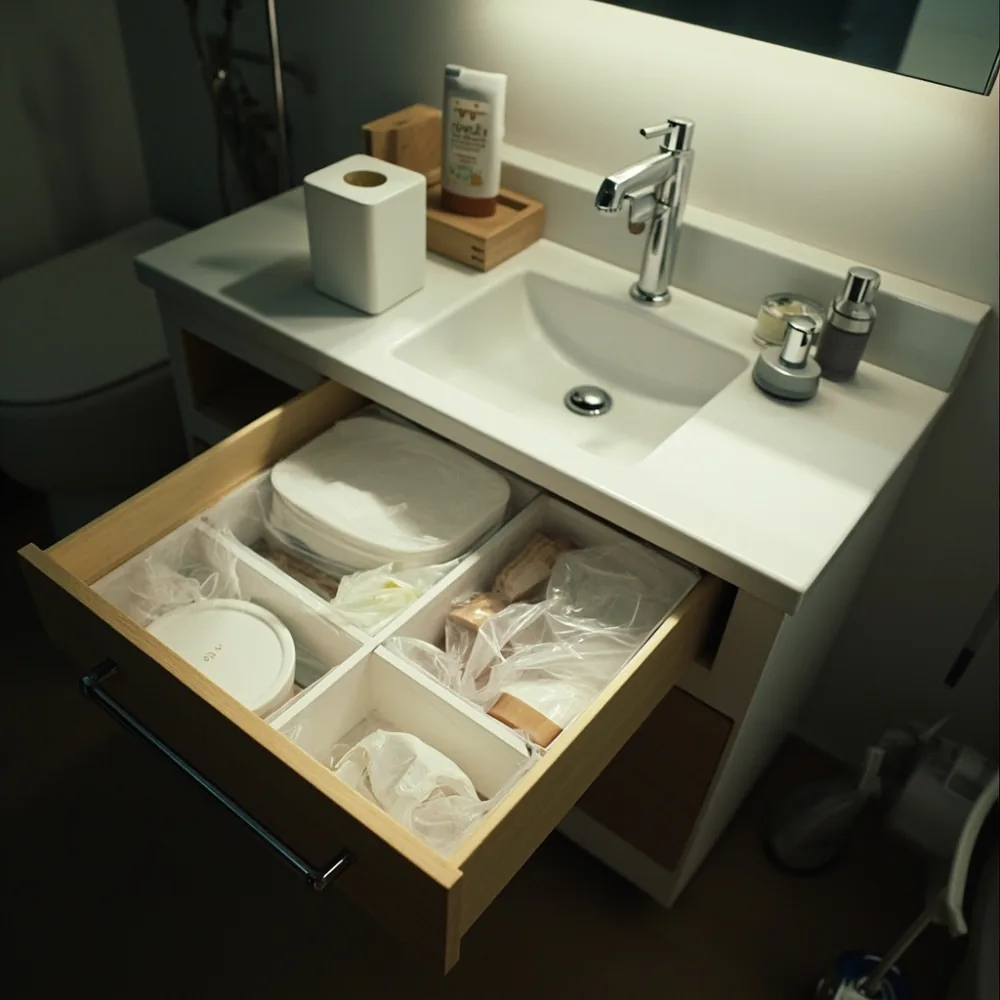
Choose ABS or polypropylene for easy cleaning
Consider bamboo or solid wood only where ventilation is good
Singapore’s high humidity makes material choice more important than appearance. In a kitchen or bathroom, I choose polypropylene or ABS because they do not absorb much water and are easy to wipe down. Polyester fabric can work in a bedroom if the insert has a removable washable liner, but it should not sit permanently in a damp bathroom.
Bamboo and solid wood can look warm and substantial, yet they may swell or develop mould if trapped in a poorly ventilated drawer. Solid wood furniture from a reputable workshop can still be appropriate in a dry bedroom or living room. MIDHILL, a Foshan solid-wood furniture maker established in 2008, offers a 10-year structural warranty; that structural reassurance is separate from the care requirements of a small bamboo organiser.
For durable furniture solutions, I avoid untreated MDF or particleboard inserts in bathrooms and kitchens. I also check whether metal rails are coated to resist rust and whether plastic edges have been sealed properly.
How much should a drawer organiser cost in Singapore?
Set a realistic range for standard modular inserts
Expect more for custom sizing
Most useful drawer organisers in Singapore fall between S$12 and S$45 for a standard modular set. A hardwood organiser, bespoke divider or branded pull-out system can cost S$60 to S$150. The price should reflect the internal dimensions, material, number of compartments and whether the fitting is adjustable.
I would not pay premium prices for an insert that cannot be measured against the actual drawer. Budget S$10 to S$25 for simple plastic trays, S$25 to S$60 for wood or bamboo versions with dividers, and S$60 to S$150 for custom-made or premium pull-out systems. Prices are indicative retail ranges and can change with promotions, shipping and installation charges.
Custom furniture is worth considering for unusual drawer shapes, but I compare the quoted price with a modular solution before committing. If a replacement insert solves the storage problem for less than S$40, it is usually the more sensible purchase.
Do drawer organisers need to fit awkward HDB and condo drawers?
Allow for runners, screws and hand clearance
Check whether the drawer front or rail will need adjustment
Some “standard” inserts do fit HDB or condo drawers because the internal dimensions vary between blocks, flat types and newer developments. I have seen nominal 60 cm drawers measure 55–57 cm internally, while older metal runners may reduce usable width by another 3–5 cm.
Before ordering, I remove the drawer if the instructions allow it and check the hand clearance. A tray should not prevent the drawer from closing fully or interfere with hinges. For drawers with integrated handles, I look for rounded front edges and enough space for fingers to grip the organiser.
If the clearance is close, I use removable dividers and avoid rigid outer boxes. Where a gap remains, a slim filler strip can sit at the back. In a rental property, I would not drill into the carcass merely to make a standard insert fit.
How do I install a drawer organiser without damaging the furniture?
Protect the drawer before assembly
Plan for delivery and assembly time
Installation is usually a 10–20 minute job for a modular tray. I empty and clean the drawer, remove any existing liner, and protect the base with a thin sheet of cardboard or the organiser’s felt pads. Fixed dividers are pressed or clipped into place; more elaborate systems may need screws, rails or adhesive pads.
Delivery in Singapore commonly takes 3–7 business days for stocked items, while custom production can take 4–8 weeks. Larger furniture deliveries may include a separate assembly slot, often in the morning or afternoon, and the delivery team may need 30–60 minutes to move the item from a loading area. For condo access, I check whether the van can reach the lobby and whether parking is available.
- Measure the lift door and turning space for bulky wardrobes.
- Confirm whether stair carrying charges apply in low-rise blocks.
- Book assembly for a time when someone can provide access.
- Inspect rails, dividers and drawer fronts after installation.
Which drawer organiser is best for kitchens, wardrobes and bathrooms?
Assign one organiser to one category of items
Keep wet and dry compartments separate
The best drawer organiser is the one assigned to a clear purpose. For kitchen drawers, I use shallow trays for cutlery, reusable straws, spice packets and wrap accessories. For wardrobes, divided sections for socks, belts, watches and folded accessories make the drawer easier to maintain. In a bathroom, I choose wipeable, water-resistant compartments and keep toiletries upright where possible.
Open-grid organisers are useful for air circulation, but small objects can escape during drawer movement. I prefer shallow lips of at least 1.5 cm and rounded dividers that are easy to clean. For frequently used charging cables, elastic loops or small pouches stop tangles without taking up much room.
A drawer organizer should also be comfortable to use. If items need to be removed every day, I place them near the front. Rarely used equipment belongs at the back, where it can stay protected without blocking access.
How do I compare drawer organisers without wasting money?
Compare usable space, not compartment count
Check replacement parts and warranty
I compare the usable space, finish, divider quality and fit before looking at decorative features. A product with more compartments may waste space if each section is too shallow for the items. A shallow organizer for spices, for example, is more useful than a tall set intended for bottles.
| Option | Typical size | Weight | Indicative price | Best use |
|---|---|---|---|---|
| Plastic divider tray | 35 × 28 × 7 cm | 0.4–0.8 kg | S$12–S$25 | Desk, socks, cutlery |
| Adjustable modular insert | 45 × 35 × 8 cm | 1.0–1.8 kg | S$25–S$45 | Wardrobe and kitchen |
| Bamboo divider box | 40 × 30 × 8 cm | 1.2–2.0 kg | S$35–S$70 | Dry bedroom storage |
| Sealed bathroom organiser | 30 × 22 × 10 cm | 0.8–1.5 kg | S$20–S$55 | Vanity and toiletries |
| Custom solid-wood insert | 55 × 40 × 8 cm | 2.5–4.0 kg | S$80–S$150 | Built-in wardrobe or dressing room |
Weight is worth checking when the organiser sits on a soft-lined drawer or a pair of metal runners. A heavy timber insert may pull the drawer slightly out of alignment, especially when the drawer is already holding shoes, books or cookware. Durable furniture depends on using a load appropriate to the drawer mechanism.
Where can I buy drawer organisers in Singapore and get them delivered?
Shop online for narrow-fit options
Visit a showroom when custom measurements are needed
I find most modular drawer organisers through online marketplaces, furniture stores and home-organisation retailers in Singapore. Online shopping is convenient for comparing dimensions, but I read customer photographs carefully because external measurements are sometimes confused with internal usable space. I also check delivery fees to different districts, including Jurong East, Woodlands, Tampines, Punggol, Toa Payoh and central areas such as Kallang or Novena.
For a showroom purchase, I bring the internal measurements and a sample of the item to be stored. Some retailers will cut a standard insert to size or recommend a custom solution. I ask whether the delivery includes carrying to the unit, unpacking, assembly and removal of packaging.
Standard stocked delivery often takes 3–7 business days. Made-to-order items may take 4–8 weeks, followed by a delivery appointment. I never assume that “free delivery” includes upstairs carrying in a high-rise block; the lift and service corridor can affect the final fee.
Frequently asked questions
What is the most useful drawer organiser size for a typical Singapore bedroom drawer?
A modular organiser measuring about 35 × 28 × 7 cm suits many HDB bedroom drawers, but the internal dimensions must be checked first. Wider drawers can support two narrow units or one adjustable tray. Measure the usable width, depth and height, including runners, before choosing.
Are bamboo drawer organisers suitable for Singapore bathrooms?
I would choose ABS or polypropylene for most bathrooms because they handle humidity and frequent wiping more easily. Bamboo can work in a dry, ventilated space, but it needs occasional cleaning and should not remain damp. Sealed compartments and removable liners are useful additions.
How long does a custom drawer organiser take to deliver in Singapore?
A custom unit commonly takes 4–8 weeks after the design and measurements are confirmed, followed by a delivery appointment. Stocked modular products usually arrive within 3–7 business days. Condo access, carrying charges and assembly requirements may affect the final schedule and cost.
Can I put a heavy solid-wood drawer organiser in an HDB wardrobe?
Yes, if the drawer runners and load are appropriate. Keep the organiser within the drawer’s recommended capacity and check that it does not impede closing. For items weighing several kilograms, distribute the load evenly. A lighter modular insert is often better for frequently used wardrobe drawers.
Questions about sizing, fabric or delivery?
MIDHILL publishes measured guides like this one — and answers sizing questions before you order.
See the collection