Factors Influencing Solid Wood Furniture Prices: A Guide for Singapore
Furniture prices can look straightforward on a product page: one solid wood dining table, one solid wood sofa, one wardrobe, one drawer organizer. The difficult part is understanding why two pieces with similar dimensions can differ by several hundred Singapore dollars. In a Tampines HDB flat, a 45 cm corridor lift and a 90 cm living room can make access and proportion as important as timber species. In a Punggol condo, GST and delivery terms can affect the final invoice as clearly as joinery does.
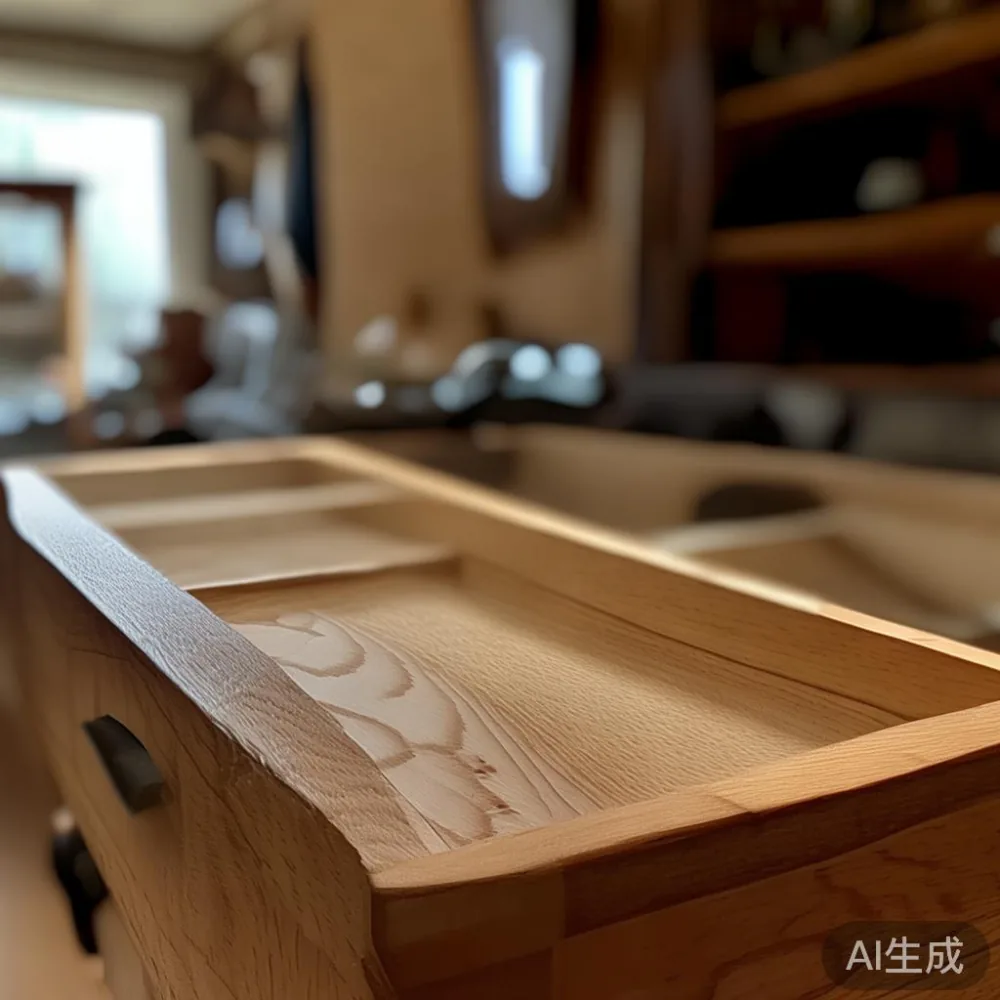
I have handled furniture quotations for several years, and the variables I check are repeatable: board thickness, joinery, finish, hardware, dimensions, weight, access conditions, and after-sales support. A useful example is the drawer organizer: a neat tray of solid oak may cost SGD 38, while a larger hardwood organizer with dovetailed corners may cost SGD 96. The difference is not simply the name on the label.
This guide explains what actually drives the price of solid wood furniture, using Singapore homes, delivery routes, and common furniture formats. MIDHILL is a Foshan solid wood furniture maker established in 2008, exporting to more than 15 countries, with a 10-year structural warranty, lifetime refinishing, free shipping over US$350, and 14-day returns. Those service commitments matter, but they should be assessed alongside measurable product details rather than treated as a substitute for them.

What determines the price of a solid wood dining table?
The timber and the amount of timber are the first two price drivers. A dining table described only as “solid wood” may use solid wood for the top while using engineered panels inside the apron or legs. A 180 cm table with a 20 mm solid top and hardwood supports can weigh approximately 55–75 kg; a lighter construction with thinner boards may weigh 35–45 kg. Each kilogram adds material cost, freight pressure, and handling effort.
Thickness changes both appearance and rigidity. A 25 mm top looks more substantial than an 18 mm top, but the price difference also reflects more drying time, more machining, and stronger joinery. Table length adds cost through longer boards and more waste. A 140 cm table may use 2–3 boards, while a 220 cm table may require 4–6 or more, depending on the board width and grain selection.
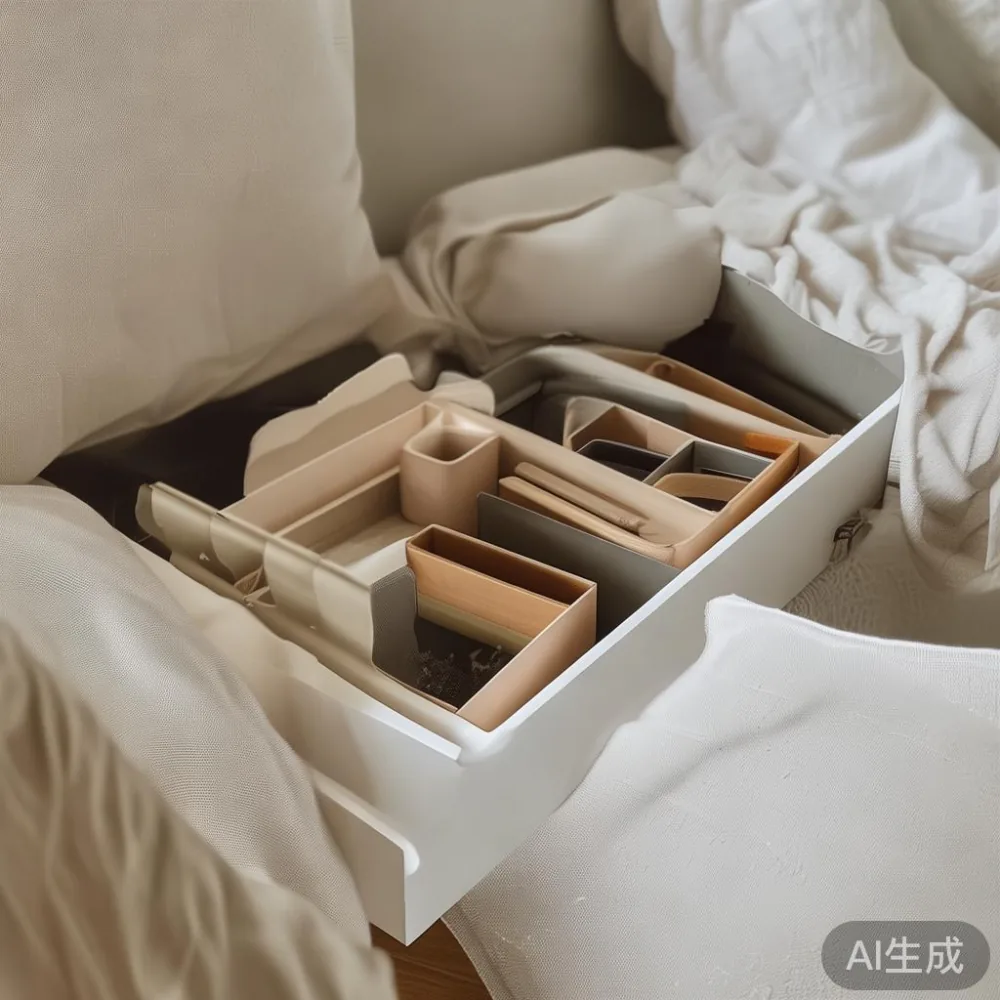
The second factor is movement. Solid wood expands and contracts with humidity. A well-made table uses appropriate fasteners, joinery, and controlled drying rather than pretending the material will remain perfectly still. A Singapore home with air conditioning and humid outdoor air still sees seasonal movement, so the table should be able to accommodate it. Ask for the moisture target, board thickness, and construction details in writing.
The third factor is the finish. Hand-applied oil, matte lacquer, stain, and clear-coated surfaces require different preparation and labour. A lightly oiled oak dining table may take 4–6 hours to prepare for final coating, while a heavily filled and painted surface can take 2–3 days. The finish should also be described accurately: “natural,” “whitewashed,” “smoked,” and “wire-brushed” are not interchangeable.
For Singapore apartments, delivery is part of the furniture price. A lift with a 90 cm door and a 210 cm internal height may accept a 180 cm table only if it is turned correctly or partly disassembled. A corridor with a 90 cm width can make a 45 cm-deep table easy to carry but a 95 cm-deep marble table difficult. Delivery from Singapore stock to Tampines may take 3–7 days, while a made-to-order import may take 6–10 weeks, plus customs and local handling.
GST treatment is another commercial factor. A Singapore business importing furniture may be entitled to GST relief in some circumstances, but a consumer should verify the invoice treatment rather than assume it. For ordinary retail purchases, GST at 9% may apply where required. Compare the displayed price, GST, delivery, and installation separately so that a low headline price does not hide a higher landed total.
How much do drawer organizers vary in price?
A drawer organizer is a useful small-scale lesson in furniture pricing because the material is easy to under-specify. A 30 cm × 20 cm × 8 cm unit may be made with pine, rubberwood, oak, or a mixture of solid wood and plywood. Pine can be economical because it grows quickly and is widely available. Oak has a stronger visual grain and greater density, but board selection, thickness, and curing still affect the cost.
The price rises with the number of compartments and the complexity of making them fit. A 6-compartment organizer may cost SGD 28–46. A 12-compartment unit with hardwood dividers, shaped handles, and a more refined finish may cost SGD 52–96. A fitted insert for a 60 cm drawer may cost SGD 120–220 after measuring, cutting, and matching the drawer’s internal shape.
Joinery is a meaningful price driver. Machine-cut components can be inexpensive; hand-cut dovetails, finger joints, or precisely fitted dividers take more time and skill. The visible end grain can reveal whether corners are glued, pinned, screwed, or joined properly. A drawer organizer should also have smooth edges and a stable base. For children’s rooms, rounded corners and a non-slip base are practical details, not decorative extras.
Hardware matters even in a small organizer. Standard zinc-alloy slides may cost SGD 3–8 per pair, while soft-close runners with a longer service life may cost SGD 12–30. For larger organizers, consider a removable insert rather than a fixed box. It allows the drawer to be cleaned and makes future replacement more practical.
The storage context also affects the specification. HDB bedrooms often have drawers with internal widths around 45–60 cm, while condo wardrobes may include shallower pull-out trays of 25–40 cm. Measure the inside width, depth, and height, then subtract 5–10 mm for movement and fitting. A drawer organizer that looks right online but is 8 mm too wide will be returned, adding freight and labour to the original purchase.
What makes a solid wood wardrobe cost more?
A wardrobe is priced around usable storage volume, construction, surface treatment, and fitting. A 120 cm-wide, 200 cm-high, 58 cm-deep wardrobe may offer around 1.39 cubic metres of gross internal volume. The usable hanging and shelf space is lower because of rails, partitions, drawer boxes, and the door system. It is more useful to compare internal dimensions and storage components than to rely on the external cabinet size.
Solid wood doors generally carry more material cost than hollow-core or engineered doors, although the frame and interior construction still require inspection. Hanging space, shelves, trouser drawers, shoe racks, LED strips, mirrored panels, and a soft-close hinge system can add hundreds of dollars. A basic wardrobe may begin around SGD 680–1,080; a more fully fitted hardwood wardrobe may range from SGD 1,480–3,200, subject to materials and finishes.
Installation is often the hidden cost. A wardrobe may be delivered flat-packed or as modules. Flat-pack packaging can reduce freight damage and fit through a 90 cm lift door more easily, but it adds assembly time. Modular delivery can shorten installation but may require more carrying space. In a Bedok flat with a narrow corridor, the supplier should be given the lift door width, corridor turns, hallway width, and stair or landing dimensions before quoting delivery.
European light luxury is a design direction, not a timber specification. If you are comparing a European light luxury wardrobe, ask how to choose European light luxury wardrobe by checking the wood species, solid-wood coverage, hinge type, drawer construction, and finish. French provincial styling may include shaped panel doors, muted cream or taupe finishes, and curved hardware. If you want to know how to style French provincial wardrobe in bedroom, pair it with plain bedding, one framed picture, and a simple rug rather than crowding the room with matching furniture.
For a calmer apartment, how to choose Japandi wardrobe should focus on proportion, pale finishes, restrained handles, and visible material grain. A tall wardrobe in a compact bedroom should usually sit within 2–5 cm of the ceiling. Avoid making every surface visually heavy. Light reflects from pale solid wood and can make a 12 m² room feel more open, although room size does not change the furniture’s actual price.
How should you compare solid wood sofas and bed frames?
A solid wood sofa combines an external frame with cushions, suspension, upholstery, and labour. The visible wood may be solid oak, ash, or another species, while concealed structural components may use plywood or another engineered material. A 200–220 cm three-seat sofa may weigh 75–120 kg. That weight affects delivery, especially where the lift is 90 cm wide and the sofa must pass through a 210 cm door.
Suspension changes comfort and durability. A frame with solid-wood rails and webbing may be more expensive than one relying mainly on foam and elastic. A solid wood sofa with a hardwood frame, high-density foam, removable seat covers, and reinforced corner joints can cost SGD 1,280–2,680. The frame is important, but the quote should describe cushion density, cover composition, and any bonded wood clearly.
To plan a bedroom, how to style light luxury sofa in bedroom usually means choosing a compact two-seat or modular sofa rather than a bulky set. Keep the sofa 60–75 cm away from the bed edge if circulation space allows. Use 2–3 cushions, one throw, and a 160 cm × 230 cm rug. If a product search includes the best Industrial sofa for 2026, check the frame specification rather than assuming the trend label guarantees solid wood.
A solid wood bed frame is also driven by board dimensions and visible joinery. A queen bed frame may use rails, slats, a centre support, and a headboard. A basic slatted design may be lighter and less expensive; a framed, upholstered, or storage-bed version will cost more. Mattress compatibility matters: confirm the internal dimensions, centre clearance, and slat spacing. A frame that is inexpensive but incompatible with the mattress can create noise or uneven support.
French light luxury, American light luxury, and post-modern light luxury each describe different design vocabularies. They do not automatically mean higher quality. French light luxury often uses pale woods, gentle curves, linen textures, and warm neutral colours. American light luxury tends toward generous proportions, layered upholstery, and polished details. Post-modern light luxury may pair geometric forms with restrained materials. In all three, the price should be traced to timber, labour, hardware, and finish—not to a vague style label.
Does marble table pricing have the same logic?
A marble table follows the same commercial logic but with added weight and fragility. Marble slabs vary in tone, vein pattern, thickness, and origin, so two visually similar tables can have different prices. A 120 cm coffee table with a 20 mm marble top and solid wood base may weigh 55–90 kg. A thicker 30 mm top can add 15–30 kg.
When comparing a European light luxury coffee table, ask whether the marble is natural, treated, or engineered, and whether the base is solid wood or another material. “European” may refer to the style, design influence, or manufacturing route; it does not by itself certify the origin of every component. A natural-stone top with a kiln-dried hardwood base may cost SGD 760–1,580, while a marble table with a more architectural base may cost SGD 1,280–2,280.
Access planning is important. A 120 cm × 60 cm marble table can fit through a 90 cm door, but the turning radius of a corridor or lift may still be a problem. Professional movers may quote SGD 90–220 for a standard Singapore apartment delivery, with extra charges for carrying, lifting, or removing packaging. The damage risk is not limited to the marble: a chip at an edge can ruin the surface even when the structural base remains sound.
Compare replacement support as well. A thin top needs a stable base, level floors, and careful handling. Ask whether anti-slip pads, felt protectors, and a maintenance guide are included. For a marble table, use a pH-neutral cleaner and avoid acidic liquids. Solid wood also needs care, but oil and wax refresh can often repair minor surface wear more readily than a polished stone top.
How do finish, hardware, and warranty affect solid wood furniture prices?
Finish accounts for both material and time. Natural oil may require several coats and drying intervals. Lacquer may be quicker to apply but can chip at exposed edges. Wire-brushing, fuming, whitewashing, and staining add steps. If a finish makes every board look identical, the labour cost may rise; if it highlights grain and minor tonal variation, some production steps may become simpler.
Hardware should be named by type and grade. European hinges, soft-close mechanisms, full-extension drawer runners, and solid wood slides are not interchangeable. A drawer organizer with ordinary slides may cost less than one with premium soft-close runners. Likewise, a wardrobe may use a standard hinge, a soft-close hinge, or a more complex lift-up mechanism. Ask for the number of drawers, the runner length, and the hinge opening angle.
Warranty and service terms affect the total ownership cost. MIDHILL’s 10-year structural warranty provides a specific commitment, and its lifetime refinishing service can help preserve the look of a piece over time. These are relevant when comparing furniture meant for 10–20 years of use. Free shipping over US$350 applies to the stated threshold, while a 14-day return window gives buyers time to inspect dimensions, finish, and condition. Check the applicable terms for the destination market, because international and local delivery arrangements are not identical.
Last month, I visited a Singapore showroom and watched a customer compare two nightstands that looked nearly identical in photographs. One had 18 mm solid wood, dowelled corners, and a standard drawer runner. The other had 25 mm solid wood, dovetailed drawer corners, rounded edges, and soft-close hardware. The second unit cost SGD 178 more. The customer chose it because her 11-year-old drawers had previously lost alignment, and the more substantial construction addressed a real household need.
The customer also measured her bedside clearance before ordering. The larger unit was 48 cm wide, 42 cm deep, and 58 cm high. It left 7 cm between the bed and the wall, enough for a narrow drawer organizer to slide out without hitting the mattress. That measurement prevented a practical mistake that a photograph could not show.
How can you tell whether a furniture price is fair?
Start with a comparable specification sheet. Record the dimensions in cm, solid-wood species, board thickness, joinery, drawer count, hardware, finish, and delivered weight in kg. Confirm whether GST, delivery, assembly, and installation are included. A dining table quoted at SGD 1,580 may become SGD 1,722 after 9% GST, while a table quoted at SGD 1,722 with GST included may offer less value.
Ask for three material details that are often missing: the thickness of the top or drawer bottom, the wood used in hidden structural parts, and the finish on the underside and edges. Then check the moving parts. Open and close 5–8 drawers if possible. Listen for grit, look for uneven gaps, and confirm that runners are mounted to solid material rather than thin decorative panels.
For delivery, provide the lift door width, internal lift depth, corridor width, landing dimensions, and the number of obstacles. A supplier that asks for these figures is more likely to quote a realistic delivery plan. Allow 1–3 days for stock items and 2–6 weeks for made-to-order furniture, depending on production and shipping. A 14-day return policy can help if the piece arrives with a finish or dimensional issue, but it cannot prevent the cost of returning a poorly planned purchase.
Price is driven by a chain of choices: solid wood and its thickness, construction, surface treatment, hardware, storage engineering, logistics, and service. A drawer organizer can reveal that chain in miniature. A solid wood sofa, bed frame, dining table, wardrobe, nightstand, and marble table reveal it at different scales. The most useful question is not simply whether the price is high, but which measurable feature and service support it buys.
For a complete quotation or to review dimensions and finish options, MIDHILL’s product and contact information is available at m.midhill.co. Compare specifications in writing, measure the route into your home, and include GST and delivery in the final figure. That approach gives the purchase a clearer basis than style labels or discount language alone.