What Actually Drives the Price of Solid Wood Furniture?
When furnishing a home in Singapore, the choices are often shaped by our unique living conditions. Whether you reside in a compact HDB flat in Tampines or a spacious condo in Punggol, every piece of furniture must serve a purpose. The narrow corridors of a 5-room HDB unit, with a width of just 120 cm, or the elevator dimensions in a new Bedok development, which measures 110 cm by 210 cm, dictate the maximum size of a wardrobe or dining table that can be brought in. This practical reality is one of the first factors influencing the final price tag of solid wood furniture. The cost is not just about the wood; it's a complex equation of material, craftsmanship, logistics, and value-added services.
Material Matters: The Foundation of Value
The most significant factor in the price of solid wood furniture is, without a doubt, the material itself. Not all wood is created equal. The type of wood, its origin, and its grade all play a critical role in determining the final cost. For example, a dining table made from European oak is priced differently from one made from rubberwood, even if both are solid wood. Oak is a dense, hard, and durable hardwood with a prominent grain pattern. A single plank of European oak wide enough for a dining table top can cost a furniture maker SGD 800 to SGD 1,500, depending on the board's width, length, and grade.
Conversely, rubberwood is a more affordable hardwood, often used for more budget-friendly pieces. While still durable and stable, it lacks the same level of character and longevity as oak. The choice between these materials directly impacts the price. For a light luxury aesthetic, a post-modern light luxury wardrobe might feature American walnut veneers on solid oak frames. The walnut veneer adds a rich, dark tone that is highly sought after, but the underlying oak structure ensures the piece remains stable and strong for decades. The veneer itself adds a layer of cost, as it requires precise cutting and application.
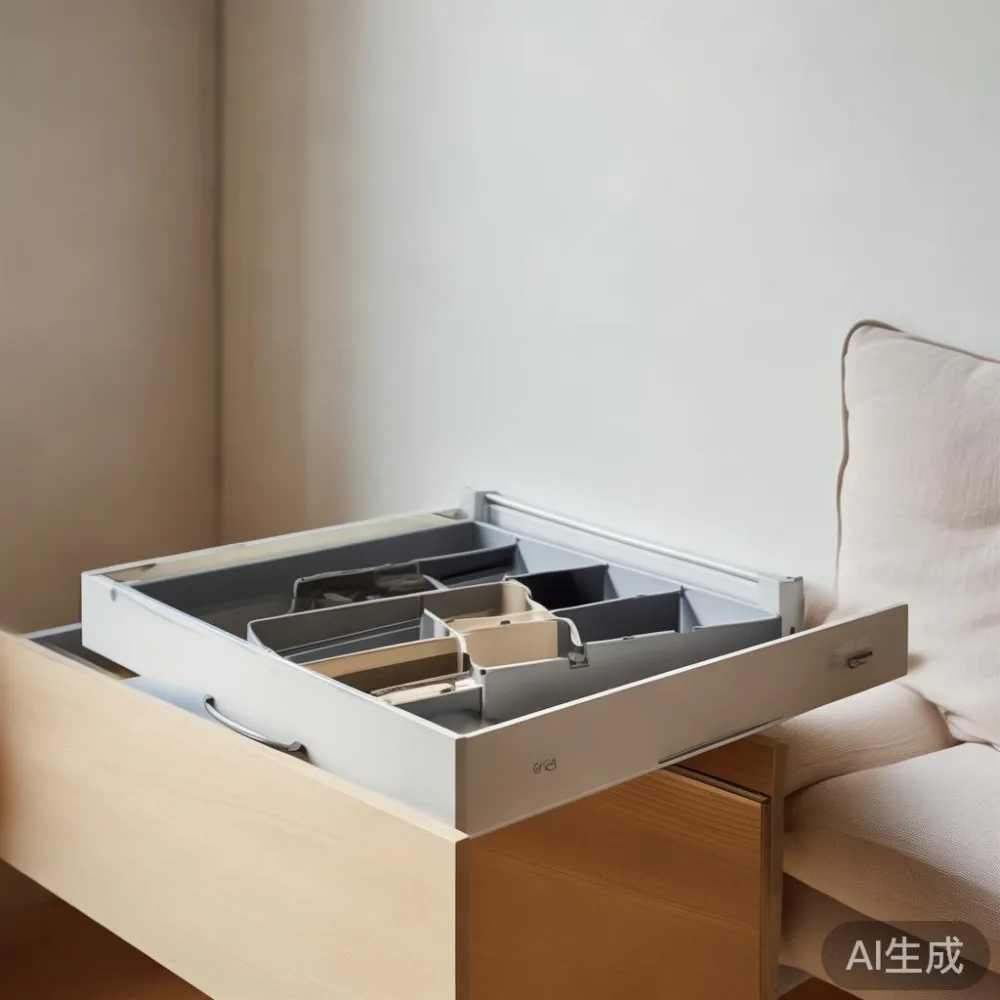
Another material consideration is the hardware. A high-quality drawer organizer system is not just a set of plastic dividers. It consists of solid wood trays, smooth-gliding metal runners, and soft-close mechanisms. A single set of soft-close drawer slides can cost a manufacturer SGD 50 to SGD 80 per pair. For a large wardrobe with four such drawers, that's an additional SGD 200 to SGD 320 just in hardware, before it's even assembled. This is why a simple, open-shelved unit is always less expensive than one with multiple drawers featuring advanced mechanisms.

The Art of Craftsmanship: Labour of Love
If material is the foundation, then craftsmanship is the soul of solid wood furniture. This is where the human element, and its associated cost, becomes apparent. Unlike furniture made with automated machines that can cut 50 identical drawer fronts an hour, handcrafted work involves a skilled artisan who might produce five or six pieces in the same time. This labour-intensive process is reflected in the price.
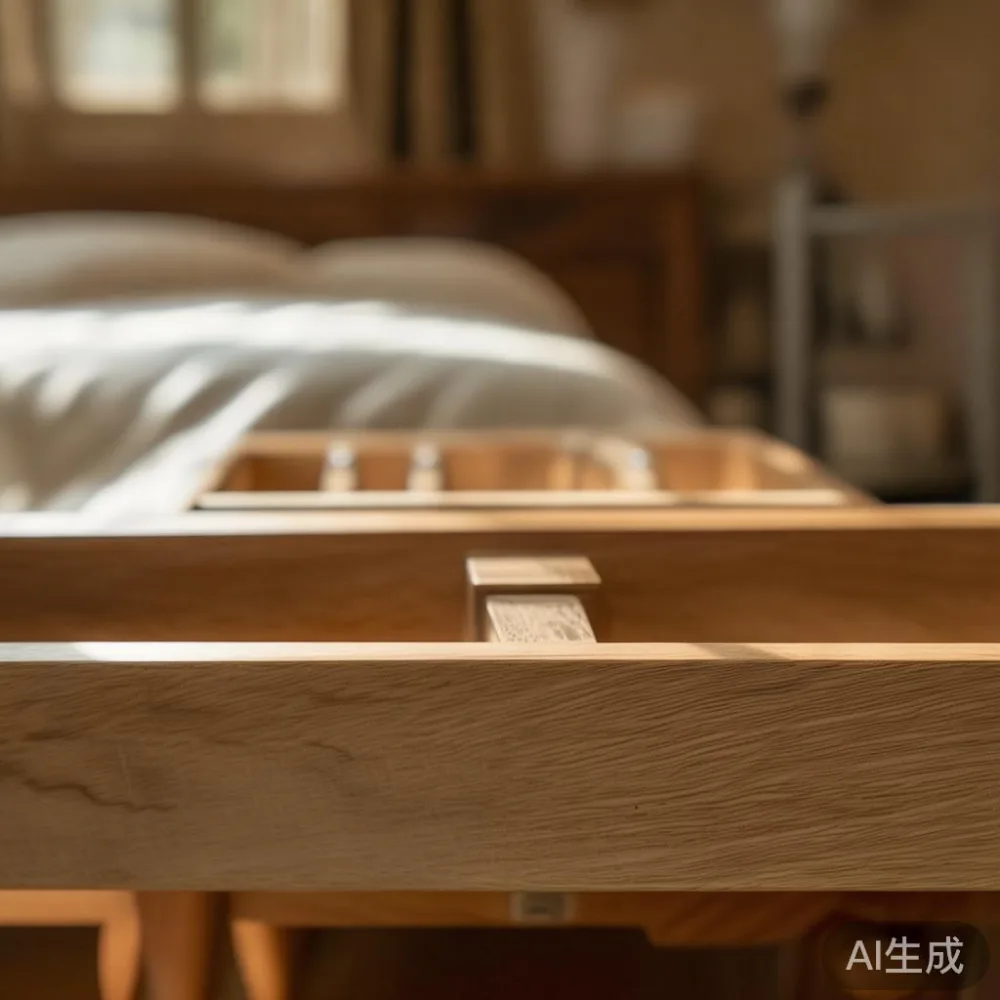
Consider the process of creating a solid wood bed frame. Each piece of wood must be precisely cut, planed, and sanded to ensure a perfect fit. The joints are the most critical part. A high-quality dovetail joint, where the interlocking fingers of wood create an incredibly strong bond, requires significant skill to cut by hand. This technique is often used in drawer boxes to prevent them from pulling apart over time. A machine-cut dovetail is functional, but a hand-cut one is a mark of superior quality and adds to the piece's longevity and value. My colleague, who visited a workshop in Foshan last month, observed a master carpenter spending over an hour hand-finishing a single nightstand drawer. That level of attention to detail simply cannot be rushed or replicated by mass production.
Finishing is another area where craftsmanship shines. A high-quality finish protects the wood from moisture and scratches while enhancing its natural beauty. This involves multiple stages of sanding, staining, and applying a protective lacquer or oil. Each coat must be applied evenly and allowed to dry completely before the next step is applied. A French provincial for apartment style might feature a distressed finish, which requires an artisan to carefully hand-wear the edges to create a vintage look. This is a time-consuming process that adds to the piece's unique character and cost.
Logistics and the Singaporean Context
For a piece of furniture to reach a home in Singapore, it must travel a long way. Most solid wood furniture makers, including those in Foshan, export globally. The cost of logistics is a substantial component of the final price. A single marble table top, for instance, is incredibly heavy and fragile. Shipping a marble dining table from Foshan to Singapore involves custom crating, specialised freight handling, and careful transport. The shipping cost alone can be several hundred Singapore dollars, depending on the size and weight.
Once the furniture arrives in Singapore, it must work through our specific urban landscape. The GST of 9% is applied to the landed cost of the goods, which includes the product price, international shipping, and insurance. This tax is a fixed percentage but is applied to a base cost that already includes significant logistical expenses. Also, the local delivery within Singapore is not a simple task. A large wardrobe must be manoeuvred through the building's lift and into the apartment. In older HDB estates, the lifts might be smaller, requiring disassembly and reassembly, which adds to the labour cost. This is why a free shipping offer over SGD 350 from a brand like MIDHILL is a significant value proposition; it removes a major variable cost for the consumer.
Local storage and handling also play a role. Furniture often sits in a warehouse before delivery. Climate-controlled storage is necessary to prevent the wood from warping in Singapore's humid climate. This adds overhead for the seller, which is factored into the price. The entire supply chain, from the forest to the customer's living room, is a complex web of costs that contribute to the final price.
How to Choose a French Bed: Understanding the Value Proposition
With so many factors influencing price, how does a consumer make a smart decision? It's easy to be swayed by a low price, but that often comes at a hidden cost. A cheap European light luxury furniture piece might look good in a showroom, but it could be made from low-quality wood with poor joinery and cheap hardware. The drawer organizer in such a piece might be flimsy particleboard that warps after a year of use. The initial savings are quickly lost when the piece needs to be replaced.
When considering a purchase, it's important to look beyond the initial price and consider the value proposition. A 10-year structural warranty is a strong indicator of a manufacturer's confidence in their product. This warranty promises that the frame, joints, and main structural components will not fail for a decade. A lifetime refinishing offer is another key benefit. Solid wood can be sanded down and refinished multiple times, allowing it to look new for generations. This extends the life of the piece far beyond that of a laminate or veneered alternative.
Let's take the example of choosing a bed. The question of European bed vs Mid-century modern bed often comes down to aesthetics, but the underlying principles of quality are the same. A French bed, for instance, might feature ornate carvings and a high headboard. A high-quality French bed will have these carvings made from solid wood, not glued-on mouldings. The frame will be constructed using traditional mortise and tenon joints, which are exceptionally strong. A lower-priced version might use simpler, weaker butt joints or rely on screws and dowels that can loosen over time. The choice between French sofa vs Modern sofa is similar; one is about ornate detail, the other about clean lines, but both require a solid foundation of quality materials and construction.
Investing in Longevity: The True Cost of Ownership
The price of solid wood furniture should be viewed as an investment, not just an expense. When you buy a high-quality piece, you are paying for decades of use. A cheap dining table might need to be replaced in 5-7 years. A solid wood dining table, properly cared for, can last 50 years or more. Over the long term, the annual cost of ownership for a high-quality piece is significantly lower.
This concept of longevity is particularly relevant in Singapore, where space is at a premium. We cannot afford to replace furniture frequently. A well-made piece that can withstand the humid climate, daily use, and even a potential move to a new condo in Punggol is a wise choice. The drawer organizer system in a high-quality dresser will function perfectly for years, keeping your clothes neatly arranged without jamming or breaking. The solid wood frame of a sofa will not sag or wobble, providing consistent comfort.
When you see a price for a solid wood piece, consider the value you are receiving. You are paying for the natural beauty of the wood grain, which is unique to each piece. You are paying for the comfort of knowing the furniture was made with care and will not harm your indoor air quality with toxic glues or finishes. You are paying for the peace of mind that comes with a warranty and the knowledge that the piece can be refinished to match your decor as your style evolves. The initial cost is higher, but the return on that investment is a home filled with beautiful, functional, and lasting furniture.
Why a Drawer Organizer is the Perfect Case Study
To truly understand the price drivers, let's focus on a seemingly simple component: the drawer organizer. A basic plastic insert from a homeware store costs under SGD 20. A built-in, solid wood drawer organizer in a high-end dresser can cost SGD 300 or more. This stark difference highlights all the factors we've discussed.
The material is solid wood, not plastic. The craftsmanship involves cutting multiple small pieces of wood to precise dimensions, fitting them together without gaps, and sanding them smooth. The hardware includes full-extension drawer slides that allow you to access the back of the drawer effortlessly. The design considers the specific items you want to store—socks, ties, jewellery—creating a customised solution. This small component encapsulates the value of solid wood furniture: it's functional, durable, and tailored to your needs. A well-designed drawer organizer turns a simple storage space into an efficient part of your daily life, and that level of thought and execution is reflected in the price.
Ultimately, the price of solid wood furniture is a reflection of its entire lifecycle. It's the sum of the raw material, the skilled labour to shape it, the logistics to bring it to your door, and the promise that it will be a part of your home for a very long time. It's an investment in quality, durability, and timeless beauty. For those who appreciate these qualities, the price is not just a number; it's a proof of the piece's worth.