How to Choose the Right Size Furniture for a Singapore HDB Living Room (A Drawer-Organizer First Approach)
I visited a 4-room HDB in Tampines last month with a client who had just received her keys. The resale flat had a 3.2 m x 4.1 m living room, a narrow corridor of 1.1 m, and a lift cavity that comfortably fits a crate of 1.6 m x 0.7 m x 0.9 m. Within forty minutes we measured the front door (0.9 m wide x 2.1 m tall), walked the path from the service lift to the living room , and decided that anything deeper than 95 cm simply would not survive the turn at the stairwell landing. That single afternoon convinced me that sizing furniture for an HDB is a much narrower problem than sizing furniture for a landed property in Bukit Timah. The wrong couch wastes four square metres you cannot spare; the right couch, paired with the right drawer organizer, makes the room feel twice as generous.
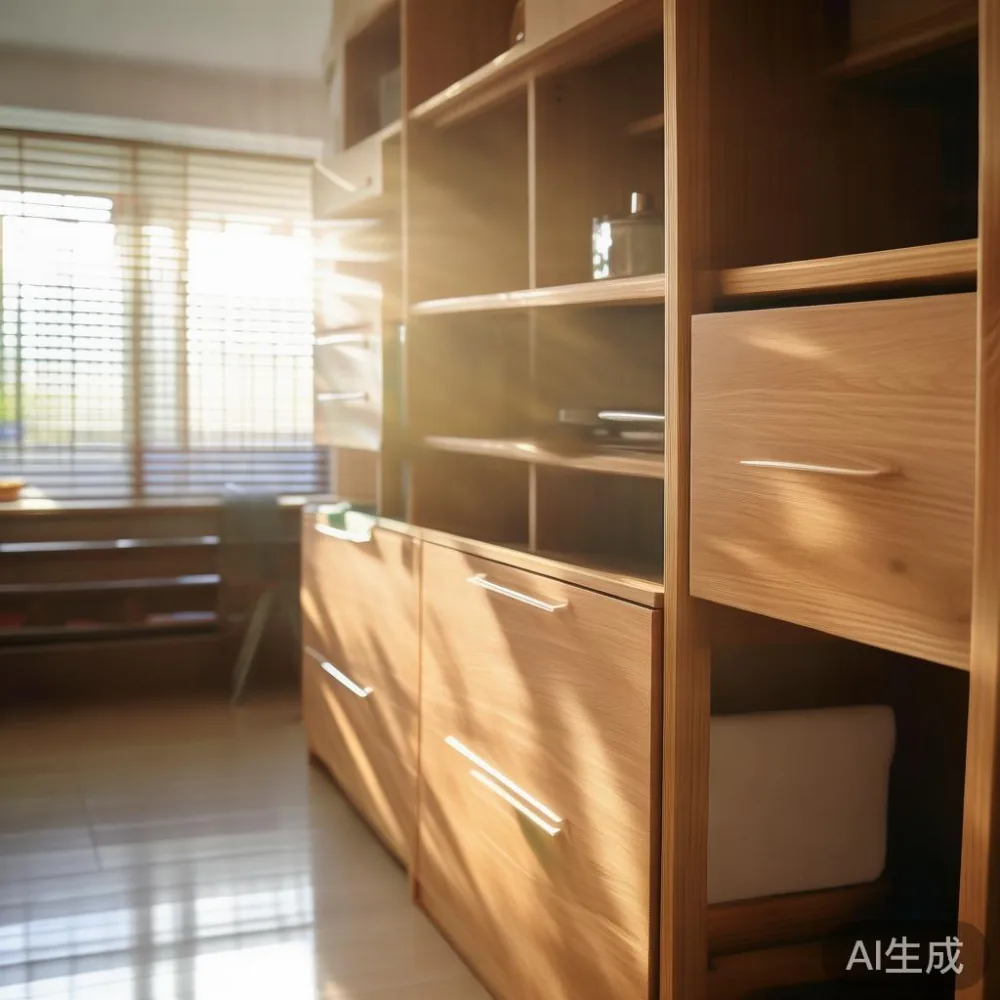
This guide is written from a drawer-organizer perspective. We begin with the smallest object that defines the room's geometry, then scale up to a solid wood sofa, a bed frame, a dining table, a wardrobe, a nightstand, and even a marble table for the dry kitchen counter. Every figure is in centimetres, every price in Singapore dollars, and every recommendation is anchored in the lift-door widths, corridor clearances, and HDB renovation rules that actually govern Tampines, Bedok, and Punggol flats. MIDHILL, the Foshan solid wood maker behind midhill.co, builds to these compact dimensions as a matter of course, with a 10-year structural warranty and lifetime refinishing that suits the way Singapore households move every five to seven years.
What exactly counts as the right size for an HDB living room?
For a standard 4-room HDB (Type 4S or 4I), the living room sits between 11 m² and 16 m² once you subtract 1.5 m² for the entrance vestibule and 2 m² for the aircon ledge. For a 5-room flat in Punggol's newer Northshore developments, you gain another 4-6 m², and corridor widths stretch to 1.2 m. The lift door on most HDB blocks measures 0.9 m wide by 2.1 m tall, the service lift goes to 1.5 m x 2.1 m, and a typical staircase turn needs a minimum clearance of 1.6 m x 1.6 m for a flat-pack crate. Any piece deeper than 95 cm or taller than 2.0 m is going to be a logistics problem on move-in day.
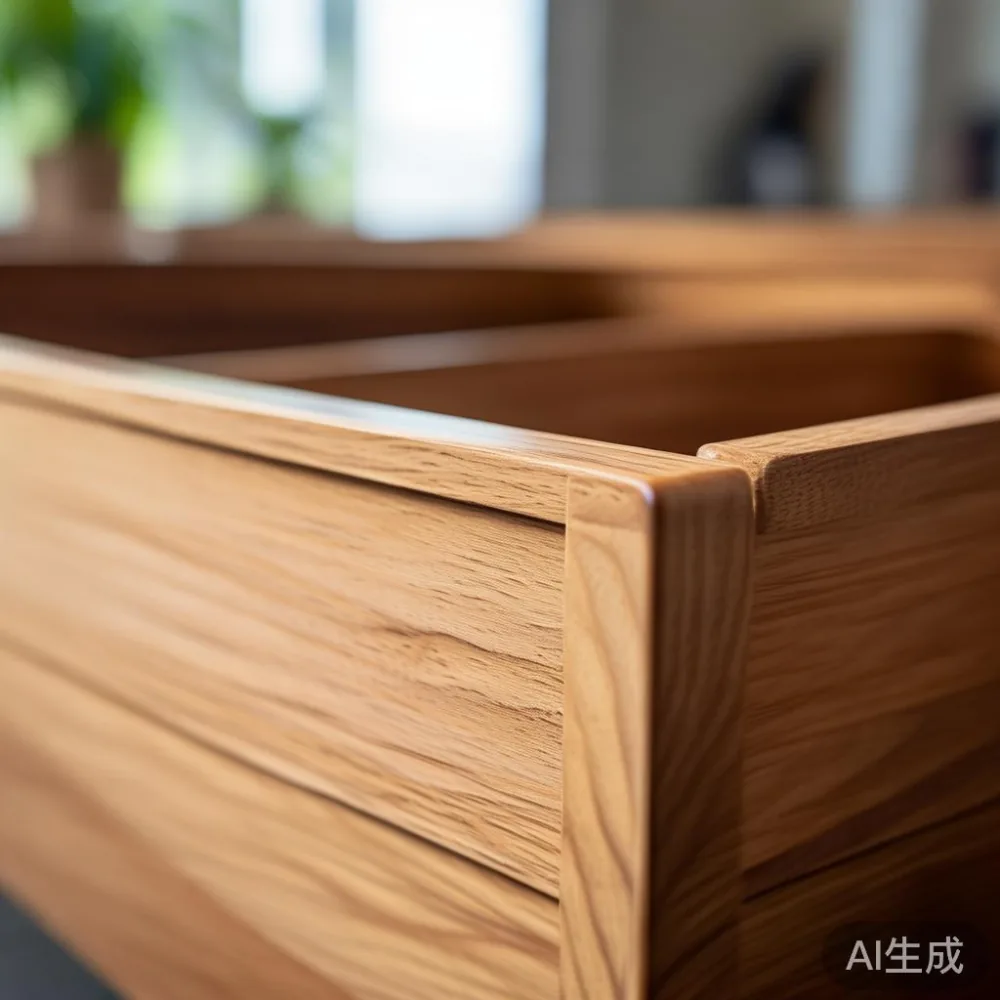
Before you order anything, write down three numbers: room length in cm, room width in cm, and the width of your narrowest doorway. Tape the floor in your living room so you can physically walk the dimensions you plan to buy. A 240 cm solid wood sofa looks modest on a Tampines West showroom floor but eats an entire 3.2 m wall once the TV console takes another 45 cm. As a rule of thumb, leave 90 cm of walking lane behind the sofa and 70 cm between the coffee table and the TV; that gives you a circulation path wide enough for two adults and a stroller.
How should a drawer organizer dictate the rest of the layout?
The drawer organizer is the smallest, densest piece of furniture in the room, and it sets the rhythm. Pick a console or sideboard with a 6-drawer or 8-drawer organizer first, because its width and depth determine how much wall length you can spare for the sofa and the TV. A 160 cm-wide drawer organizer (42 cm deep, 85 cm tall) gives you 8 compartments large enough for remotes, gaming controllers, cable organisers, tea sets, and a folding dinner tray, while leaving 80 cm of clear floor on either side. Pushing it flush against a 3.2 m wall frees exactly 160 cm for a 3-seater sofa, which is the sweet spot for a 4-room HDB.
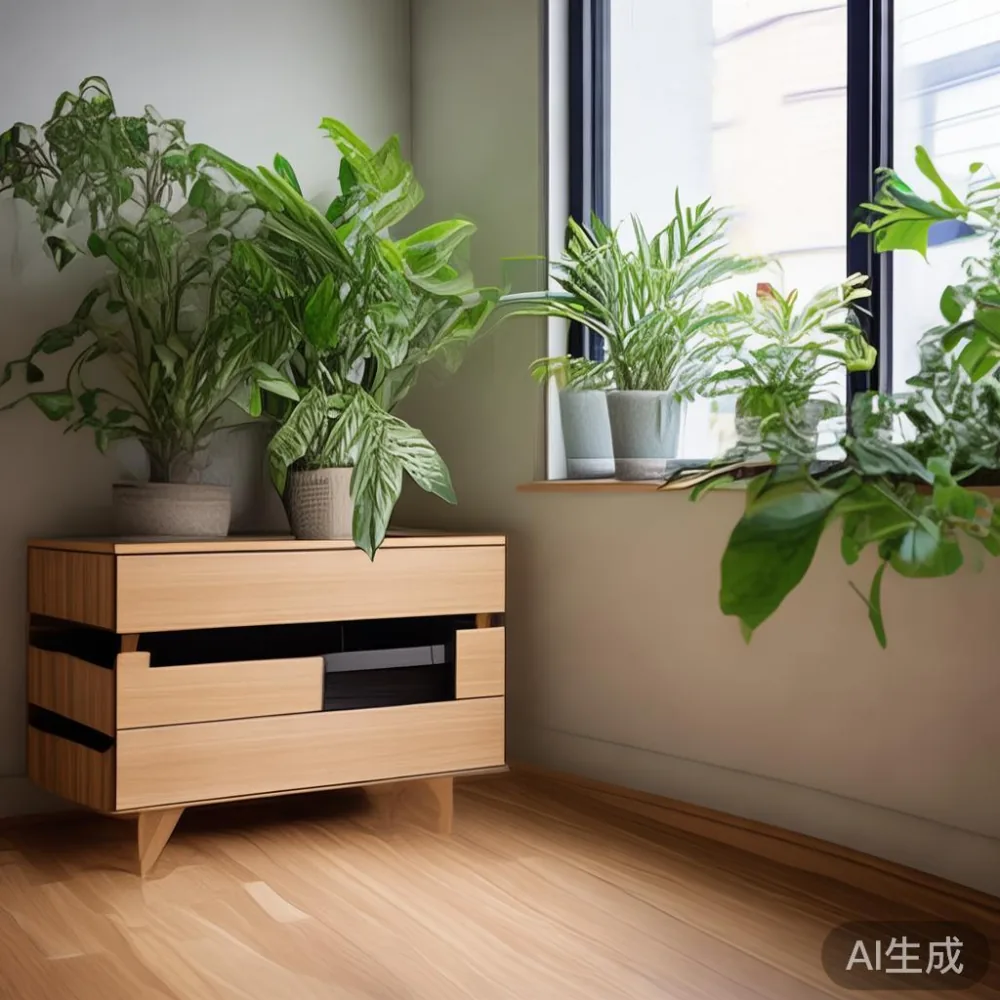
Most Singapore homeowners underestimate the drawer organizer because it looks like an afterthought. It is actually the single piece that decides whether your living room reads as cluttered or composed. Choose solid oak or ash over MDF when you can: a 160 cm ash organizer from a maker such as MIDHILL weighs around 38 kg, slides on full-extension ball-bearing runners rated to 45 kg per drawer, and will outlast three lease cycles. The drawer organizer also lets you skip a separate display cabinet, which is one less deep piece fighting the lift door on delivery day. If you are sketching a plan on graph paper, draw the drawer organizer first, then build the rest of the layout around its footprint.
Which sofa dimensions actually fit a 4-room or 5-room HDB?
For a 4-room HDB living room, a 200-220 cm solid wood sofa with a 95 cm depth is the practical maximum. Anything longer than 240 cm will block the corridor entrance or force the TV console to scale down to 120 cm, which then cramps your soundbar. For a 5-room flat in Punggol or Bedok Reservoir, you can stretch to a 260 cm L-shape, but only if the long side runs parallel to the longer wall and the chaise measures 160 cm x 160 cm or smaller. Seat height should sit between 42 cm and 46 cm to match HDB dining chairs and to keep elderly parents comfortable when they stand up.
Frame material matters as much as size. A solid wood sofa on a kiln-dried ash or rubberwood frame, with sinuous spring or pocket-coil suspension, weighs 55-70 kg for a 3-seater and handles Singapore's humidity far better than a hollow MDF frame wrapped in bonded leather. Pricing in SGD for an imported light-luxury piece ranges from S$2,400 for a 3-seater up to S$4,800 for a 5-seater with chaise; add roughly S$250-450 for GST and delivery to a Tampines or Sengkang address. For readers comparing options across the top 10 Mid-century modern furniture makers, the size rule holds: the silhouette is slim, but the footprint is what governs your HDB.
How big should a dining table be in a combined living-dining space?
Most 4-room HDB layouts push the dining zone within 1.5 m of the sofa, so a 120 cm x 70 cm 4-seater dining table is the practical ceiling. For a family of five in a 5-room Punggol flat, a 140 cm x 80 cm rectangular table works, but only if the chairs measure 45 cm wide and tuck fully under the apron. Round tables save space: a 110 cm round seats four comfortably, while a 90 cm round seats two adults and two children for weeknight dinners. Marble table tops are popular in the dry-kitchen counter, but a 120 cm marble table weighs 28-32 kg per square metre, so plan two fit-out days for delivery and a four-person carry from the service lift.
Leave at least 70 cm between the table edge and any wall or drawer organizer, so a chair can be pulled back without hitting a cabinet door. A bench on one side saves another 15 cm and tucks neatly under the table when not in use. If you are researching the question is European light luxury bed worth it for the master bedroom that opens off the dining zone, the same material logic applies: a slim European light-luxury bed frame in white-oak veneer, 180 cm x 200 cm, weighs 42 kg and clears the standard HDB doorway once you angle the headboard. MIDHILL's light luxury wardrobe and matching bed frames are sized for these exact doorways, which is why their Singapore customers often order both pieces at the same time.
Can a wardrobe and nightstand actually live in the HDB master bedroom?
A standard HDB master bedroom is 3.0 m x 3.4 m, sometimes larger in newer Punggol BTOs. A 180 cm-wide wardrobe fits comfortably against the 3.4 m wall, with 80 cm left over for a drawer organizer or a dressing mirror. Depth should sit at 55-60 cm; anything deeper than 65 cm eats the walking lane and forces the bed frame to shrink. A queen-size bed frame at 160 cm x 200 cm needs 70 cm of clearance on at least one side and 90 cm at the foot for a nightstand or a bench. Two single nightstands of 45 cm x 40 cm x 55 cm each, one on either side, fit neatly without crowding the door.
For the smaller bedrooms that often double as a study or guest room, consider a Modern for guest room setup: a 120 cm x 200 cm daybed, a 40 cm-wide drawer organizer tucked under the window ledge, and a wall-mounted reading lamp. The Modern for guest room approach frees the floor for a yoga mat or a fold-out desk, and the daybed can become a single bed at night without anyone wrestling with a sofa bed mechanism. The under 2000 Minimalist furniture bundle from most light-luxury makers covers the daybed, a slim wardrobe, and two nightstands in solid ash, all under S$2,000 before GST and delivery, which lands around S$1,950-1,990 for a typical Tampines order.
What about the marble table, the TV console, and the small stuff?
The marble table is best kept to a 110 cm x 60 cm console depth behind the sofa, or a 90 cm round café table near the window. Anything larger overwhelms the HDB living room and fights the lift door. A 180 cm TV console, 40 cm deep, leaves room for a soundbar, two gaming consoles, and a cable-drawer organizer at the back. Add a 120 cm x 60 cm shoe cabinet at the entrance with a felt-lined drawer organizer for keys, mail, and the EZ-Link card, and you have closed the storage loop without a single piece deeper than 95 cm.
Speaking of small stuff, plan a drawer organizer for every horizontal surface. The console gets one, the coffee table gets a hidden felt-lined tray, the nightstands get a watch-and-wallet tray, and the wardrobe gets three drawer organizers for underwear, workwear, and weekend casuals. MIDHILL's drawer organizers use dovetail joinery and ride on soft-close runners rated to 40,000 cycles, which matches the 10-year structural warranty on the larger pieces. When you size each organizer to the drawer it lives in (15 cm, 25 cm, 35 cm wide versions), the whole room reads as quiet, considered, and quietly light-luxury rather than busy.
How do you measure delivery and access before you click pay?
Singapore delivery for a flat-packed solid wood sofa runs S$80-150 from a Jurong or Tuas warehouse to a HDB block, with an extra S$40-60 for the upper floors if there is no direct lift access. Cranage up the outside of the block is possible only with HDB's prior written approval and starts at S$350. Lead times from Foshan run 35-45 days by sea to PSA, then 7-10 days for customs clearance and last-mile delivery to Tampines, Bedok, or Punggol. MIDHILL consolidates orders in their Guangzhou warehouse, photographs each crate, and emails the packing list two days before the lorry arrives.
Returns are honoured within 14 days for pieces that have not been assembled, which covers roughly 8% of orders according to industry data. Refinishing, which most Singapore owners request at the three-year mark when the sealant dulls, costs S$180-280 per piece and includes a free drawer-organizer tune-up. Free shipping applies to orders above US$350, which translates to roughly S$470-480, easily met by a single solid wood sofa or a wardrobe plus nightstand bundle. When you measure first, plan the lift path, and order the drawer organizer before the larger pieces, the entire fit-out tends to land within 14-21 days of the shipment leaving China.
So how do I choose Mid-century modern bed and matching pieces for my HDB?
Readers who are weighing how to choose Mid-century modern bed frames for the master bedroom should treat the bed as the second-largest geometry problem after the wardrobe. A 160 cm x 200 cm queen frame, a 180 cm x 200 cm king frame, or a 150 cm x 190 cm super-single for the smaller HDB bedroom all need 5-7 cm of breathing room on every side for sheet changing. A Mid-century modern bed in solid ash or walnut, with a slatted headboard and tapered legs, weighs 38-52 kg and arrives in two flat-pack crates that clear a 0.9 m door when the headboard is detached and reattached inside the room. Pair it with a low 160 cm-wide drawer organizer under the window, and the bedroom reads as calm and proportioned even at 10 m².
For households that prefer the post-modern light luxury look, swap the tapered legs for brushed-brass sabots and the felt-lined drawer organizer for a leather-wrapped tray. The American light luxury look goes wider and lower: a 200 cm x 220 cm king bed frame, channel-tufted headboard, and two 60 cm-wide nightstands with marble tops. Whichever direction you lean, the sizing rules remain: 95 cm maximum depth for any piece crossing the HDB threshold, 180-200 cm maximum width for wardrobes and bed heads, and a drawer organizer in every horizontal surface. That is the quiet discipline that makes a Tampines or Bedok living room feel composed rather than crowded, and it is the same discipline that the Foshan workshops at MIDHILL follow when they cut, sand, and finish a piece for a Singapore address.