Caring for Lacquered Wood Furniture in Singapore's Humid Climate
Living in Singapore, with its year-round high humidity and intense sun, presents a unique challenge for maintaining the pristine beauty of fine furniture. A lacquered surface, with its deep, reflective sheen, is particularly susceptible to the environmental conditions common in our HDB flats and condominiums, from the coastal breezes of Punggol to the urban heat of Tampines and Bedok. For those who appreciate the subtle artistry of a well-crafted piece, understanding how to protect this delicate finish is not just about maintenance; it's about preserving an investment in style and comfort. This guide provides practical, actionable advice for Singaporean homeowners on how to care for lacquered surfaces, ensuring their solid wood sofa, dining table, and nightstand retain their lustre for years to come.
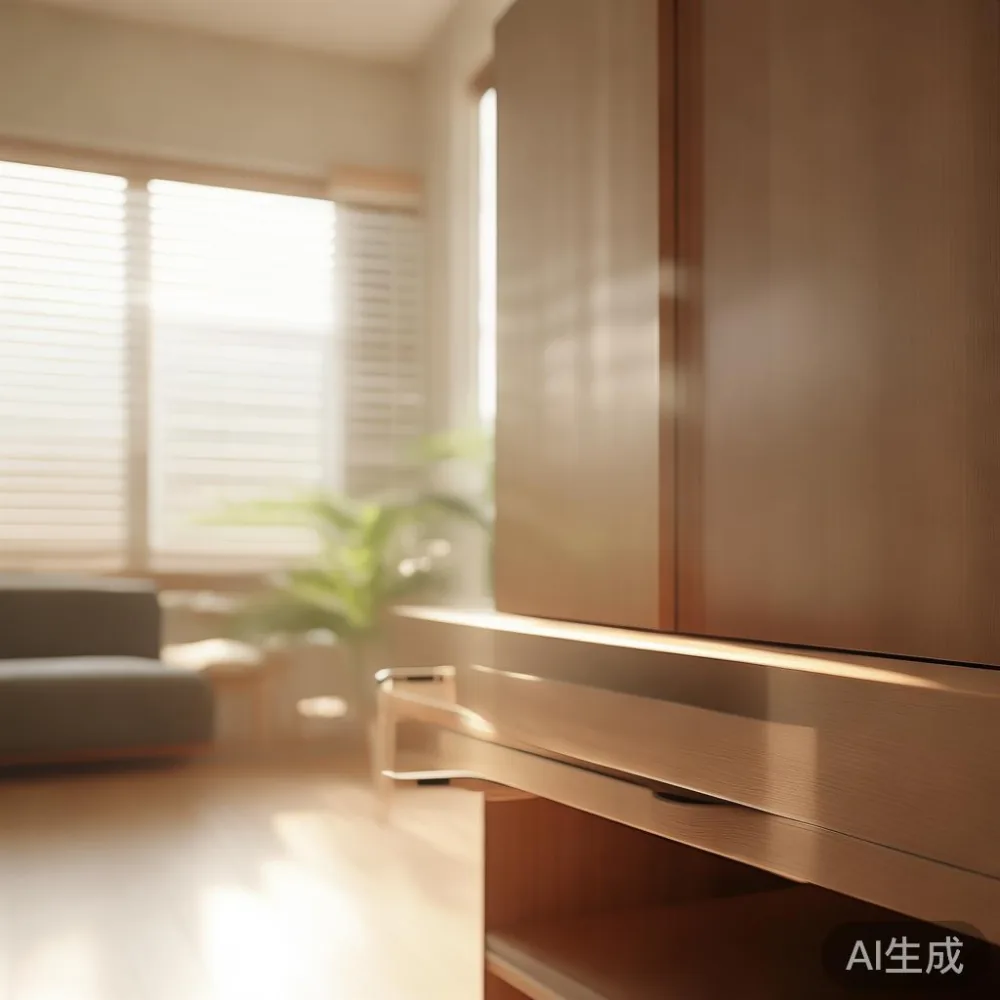
Why Does Singapore's Climate Affect Lacquered Wood?
The primary enemy of a lacquer finish in a tropical climate is moisture. Singapore's relative humidity often hovers between 70% and 90%, creating a persistent dampness that can seep into the wood beneath the lacquer layer. This moisture causes the wood to expand and contract. Over time, this constant movement can stress the lacquer, leading to several common issues. The finish may appear cloudy or develop a white, hazy film, a condition known as blooming. In severe cases, the wood itself can warp, causing drawers to stick or tabletops to lose their flatness. The intense ultraviolet rays from the sun can also cause the lacquer to fade or yellow, dulling the rich, deep colours that make it so desirable. A good drawer organizer protects its contents, but protecting the exterior of the furniture requires a different kind of care.
How Often Should I Clean My Lacquered Furniture?
For general upkeep, a light dusting every 2 to 3 days is recommended. This prevents a fine layer of dust from accumulating, which can scratch the surface when wiped away. A more thorough cleaning should be performed every 2 weeks. This involves using a soft, lint-free cloth—preferably a microfiber cloth—dampened with a small amount of water. The cloth should be wrung out until it is only slightly damp, not wet. Wipe the surface gently in the direction of the wood grain. Avoid using any harsh chemical cleaners, polishes, or ammonia-based products, as these can strip the lacquer of its protective oils and cause irreparable damage. Cleaning frequency should increase during the monsoon season, from November to January, when humidity levels are at their peak.
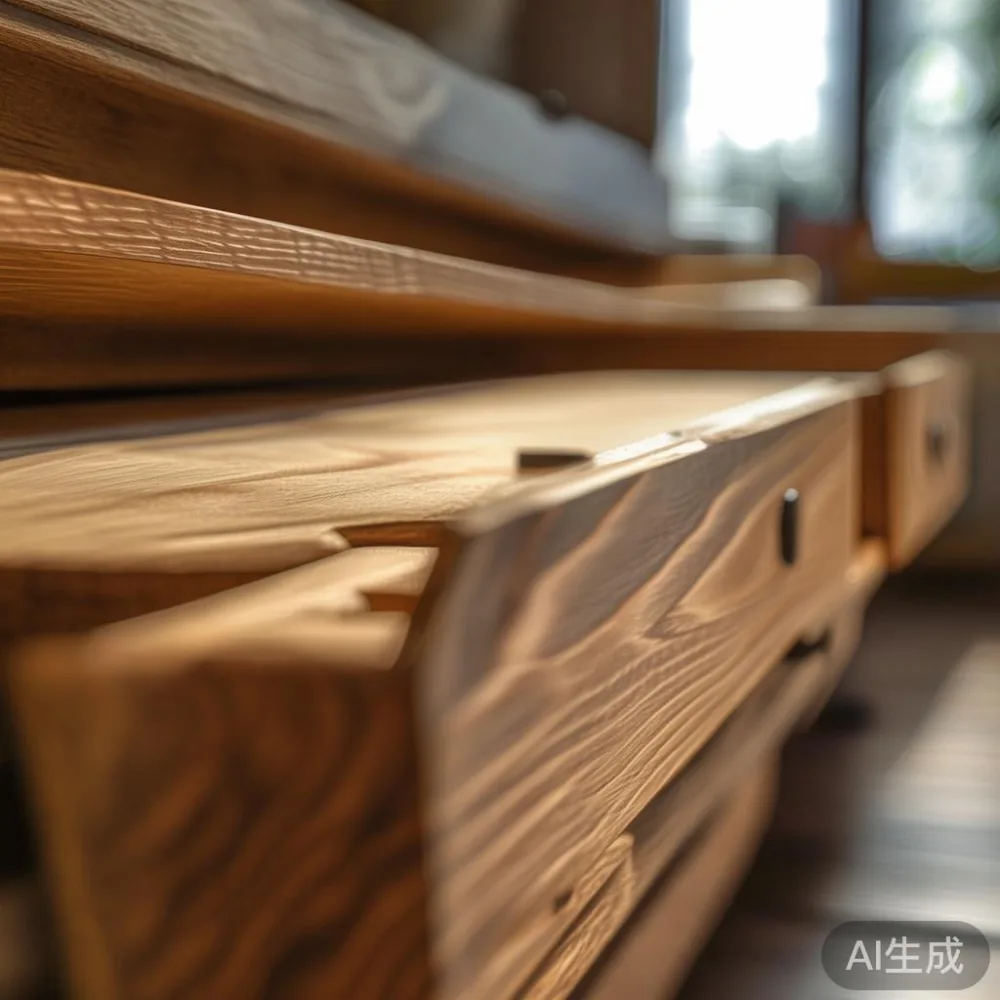
What is the Proper Way to Polish a Lacquered Surface?
When a lacquered surface begins to lose its shine, a dedicated furniture polish is in order. However, the type of polish matters immensely. For lacquered finishes, it is best to use a non-silicone, non-wax polish designed specifically for this purpose. Silicone polishes can create a buildup that dulls the finish over time, while wax polishes can leave a cloudy residue. Apply a small, pea-sized amount of polish onto a soft cloth and rub it onto the furniture in a circular motion. Allow the polish to sit for 30 seconds to 1 minute, then buff the surface with a clean, dry cloth until it shines. This process should be done no more than once a month, or less frequently if the furniture is not in a high-traffic area. Over-polishing can lead to a buildup that attracts more dust, defeating the purpose of the exercise.
How to Protect Lacquered Furniture from Direct Sunlight?
Sunlight is one of the fastest ways to degrade a lacquer finish. The UV rays break down the polymers in the lacquer, causing it to fade, turn yellow, and become brittle. In a Singaporean apartment, especially those with large windows in condos like those in Punggol or Tampines, this is a significant concern. The first line of defence is placement. Position your solid wood dining table or European light luxury accent chair away from windows that receive direct afternoon sun. If this is not possible, invest in high-quality window treatments. Blackout curtains or UV-blocking window films can block up to 99% of harmful UV rays. For smaller items like a nightstand, simply rotating the piece by 45 degrees every few months can ensure that one side is not constantly exposed to the sun, helping to maintain an even colour across the entire surface.
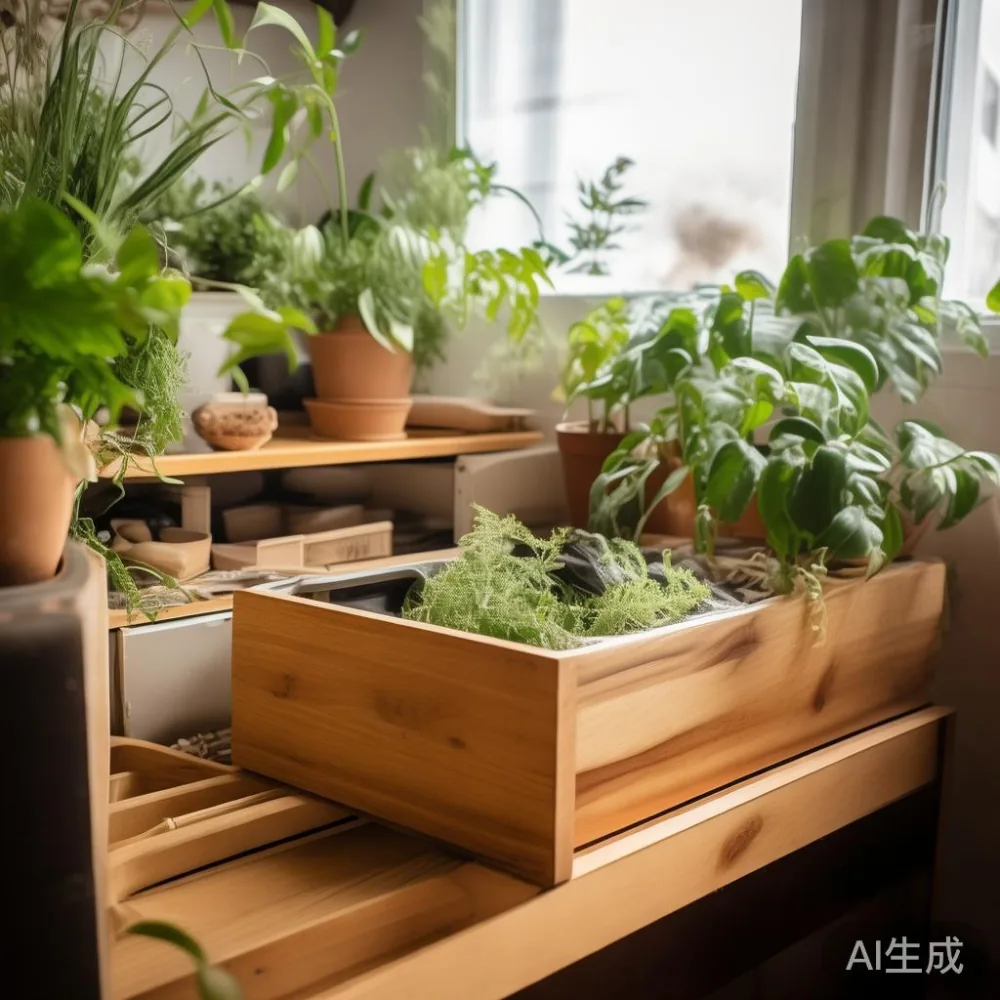
What Should I Do About Water Rings and Spills?
Accidents happen, but how you respond to a spill can determine whether your furniture is permanently damaged. The most common issue is a water ring, caused by a cold glass or mug being placed directly on the lacquered surface. The moisture gets trapped between the glass and the wood, seeping into the finish. To remove a fresh water ring, immediately wipe the area dry with a soft cloth. For a stubborn mark, you can try applying a small amount of mayonnaise or petroleum jelly to the ring, letting it sit for a few hours, and then wiping it away with a clean, dry cloth. This method works because the oil helps to draw moisture out of the wood. For more serious damage, such as a white haze or blooming caused by excessive humidity, a professional refinishing service may be required. This is where the value of a lifetime refinishing warranty, offered by some manufacturers like MIDHILL, becomes apparent. A colleague of mine recently discovered a white haze on her marble table after a particularly humid week. She was relieved to find that her warranty covered the cost of having it professionally restored, saving her an estimated SGD 250.
How Does Humidity Affect Drawers and Storage Solutions?
While the focus is often on the visible surfaces, the internal components of furniture are equally affected by humidity. The wood panels in a wardrobe or the runners of a drawer can swell in the damp air, causing them to stick or become difficult to operate. This is especially true for a drawer organizer system made of wood, as it is constantly exposed to the air inside the furniture. To prevent this, ensure your home is well-ventilated. Use a dehumidifier in rooms with heavy furniture, such as the bedroom where a Japanese bed vs French provincial bed might be located. Running a dehumidifier for 6 to 8 hours a day can reduce the ambient humidity to a more manageable 50-60%. For sticking drawers, a thin coat of paraffin wax or candle wax applied to the drawer runners can provide a smooth, low-friction surface that allows the drawer to open and close easily, even when the wood is slightly swollen. This simple trick can save you the frustration of a stubborn drawer organizer that won't slide out.
Is it Better to Choose Lighter or Darker Lacquer Finishes in Singapore?
This is a common question for homeowners trying to balance aesthetics with practicality. Lighter lacquer finishes, such as white or pastel shades, are more prone to showing yellowing and stains from dust and dirt. They require more frequent cleaning and polishing to maintain their bright appearance. Darker finishes, like black, navy blue, or deep wood tones, are better at hiding minor imperfections and dust. However, they absorb more heat from sunlight, which can make the surface feel uncomfortably warm to the touch and may accelerate the fading process. Ultimately, the choice comes down to personal style. A light luxury sofa vs Modern sofa might be chosen for its clean lines, and the colour of the lacquer is a matter of taste. The key is to be prepared for the maintenance that comes with your choice. If you love a crisp white finish, be prepared to wipe it down more often. If you prefer a dramatic dark look, be mindful of its placement near windows.
What About Furniture Placement in Smaller Singaporean Homes?
Space is a premium in Singapore, and HDB flats and condos often have specific layouts to consider. The standard lift width in most older HDB blocks is approximately 110 cm, which means moving larger items like a bed frame or a wardrobe requires careful planning. Corridor widths in apartments can be as narrow as 80 cm, so measuring your space before purchasing is critical. When placing your furniture, ensure there is at least 10 to 15 cm of space between the back of the piece and the wall. This gap allows for air to circulate, which helps to dissipate moisture and prevents the back of the furniture from becoming a damp, mould-prone area. For example, placing a MIDHILL TV console too close to a wall in a humid living room can trap moisture, leading to potential damage over time. Proper spacing is a simple but effective preventative measure.
How to Style a Room with Lacquered Furniture in Singapore?
Incorporating lacquered furniture into a Singaporean home is an opportunity to create a sophisticated and light-filled space. The key is to balance the high-shine finish with other textures and materials to prevent the room from feeling too cold or clinical. A European light luxury bed vs French provincial bed offers a different aesthetic; the former is sleek and minimalist, while the latter is ornate and traditional. Pairing a lacquered nightstand with a textured linen lampshade or a plush rug can add warmth. When styling a room with a Japanese wardrobe in room, the clean lines of the lacquer can complement the minimalist aesthetic. The use of natural materials like marble, rattan, and cotton can soften the reflective surface of the lacquer. For instance, a marble table top on a solid wood base can create a stunning contrast that is both modern and organic. This Modern light luxury with storage approach ensures that your beautiful furniture remains the star of the show.
When Should I Consider Professional Restoration for My Lacquered Furniture?
Despite your best efforts, there may come a time when a professional touch is needed. If the lacquer finish is deeply scratched, chipped, or has suffered significant water damage that DIY methods cannot fix, professional restoration is the best course of action. A skilled craftsman can strip the old finish and apply a new, high-quality lacquer, restoring the piece to its original condition. This process can be costly, often ranging from SGD 800 to SGD 2,500 depending on the size and complexity of the item. However, for a well-loved piece of furniture, it can be a worthwhile investment. This is where a long-term structural warranty, such as the 10-year warranty offered by some manufacturers, provides peace of mind. Knowing that your investment is protected against structural defects, which can be exacerbated by humidity, allows you to enjoy your furniture without constant worry. The warranty covers the frame and structure, ensuring your solid wood dining table or wardrobe remains sound for decades.
How Does the Singaporean Climate Affect Different Types of Wood?
Not all woods react to humidity in the same way. Hardwoods like teak, walnut, and oak are generally more stable and resistant to warping than softer woods like pine or rubberwood. When choosing furniture, consider the type of wood used. A solid wood sofa made from a stable hardwood will fare better in Singapore's climate than one made from a softer, more porous wood. The lacquer finish itself is a protective barrier, but the wood beneath it needs to be able to withstand the environmental changes. For example, a Japanese bed vs French provincial bed might be made from different woods. The Japanese bed often uses lighter woods like ash or maple, which, while beautiful, may require more careful climate control. A French provincial bed, typically made from darker, heavier woods like mahogany, might be more resistant to humidity but could be more susceptible to heat damage from direct sunlight. Understanding these characteristics helps in making an informed decision and taking the right precautions.
What is the Long-Term Outlook for Lacquered Furniture in Singapore?
With proper care, a piece of lacquered furniture can last a lifetime and even become a cherished heirloom. The key is consistent, gentle maintenance. By controlling the humidity in your home, protecting the furniture from direct sunlight, and cleaning it regularly, you can mitigate the effects of the tropical climate. The initial investment in high-quality furniture, like a piece from a reputable maker established in 2008 and exporting to 15+ countries, is an investment in durability and craftsmanship. These pieces are designed to withstand the test of time. The 14-day return policy offered by many reputable sellers also provides a safety net, allowing you to ensure the piece fits your space and lifestyle before committing. While the climate in Singapore presents challenges, they are not insurmountable. With a little knowledge and effort, your lacquered furniture will continue to be a source of pride and beauty in your home for years to come.