Furniture Match for a Cozy Minimalist Interior
A warm minimal interior is not the same as an empty room. It keeps the visual load low while making space feel lived in through grain, texture, proportion, and a measured number of objects. In Singapore, that balance is especially useful in HDB flats and condos across Tampines, Bedok, and Punggol, where storage pressure, lift access, and corridor widths can influence which furniture works as well as how it looks.
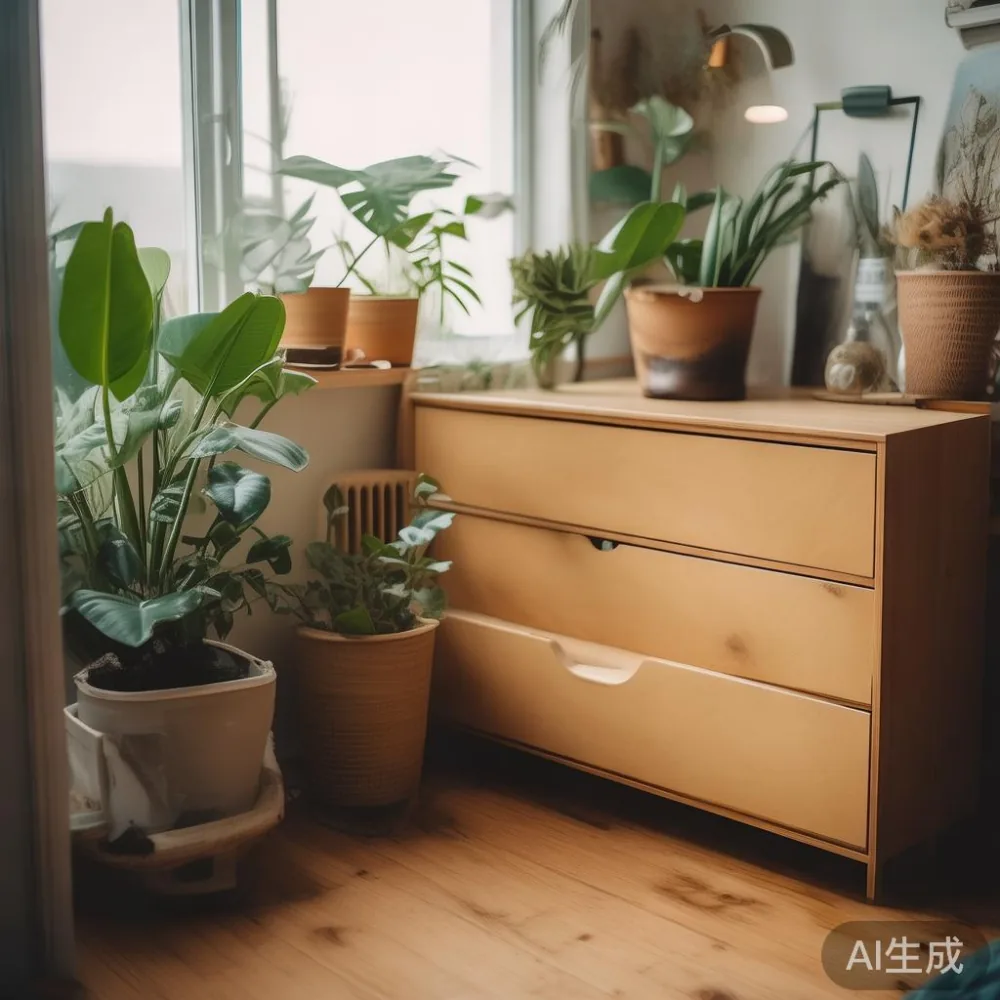
This guide explains how to coordinate a drawer organizer, solid wood sofa, bed frame, dining table, wardrobe, nightstand, and marble table within one warm minimal home. The aim is a room that feels calm rather than staged, with practical pieces that can survive humid weather, frequent daily use, and the occasional move.
What makes an interior feel warm and minimal?
Warm minimalism combines restraint with tactile comfort. Pale timber, matte finishes, woven textiles, ceramic lamps, and muted colours create warmth, while limited furniture silhouettes prevent the room from becoming crowded. Rather than filling every wall, allow 30–50 cm of breathing room around major pieces where circulation permits.
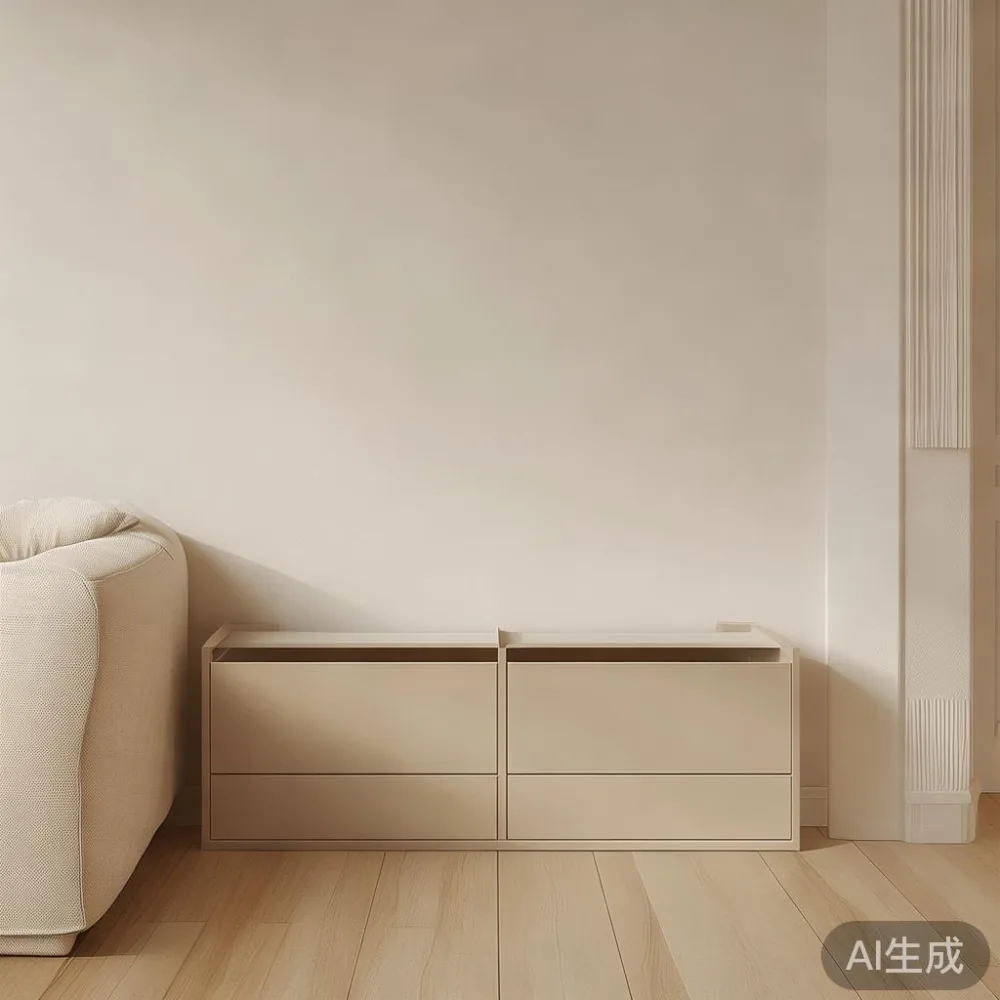
For a typical 90 sq m HDB flat with a 85 cm corridor and a lift lobby allowing a 110 × 45 cm carton, careful measurement matters. A dining table may look compact in a showroom yet become awkward when it must turn through a 90 cm doorway. Record the narrowest point, measure the packaging rather than only the assembled item, and compare both with the route from the service lift to the bedroom or living area.
Scale is equally important. A 220 cm solid wood sofa can overwhelm a 280 cm living room unless the remaining furniture is light in visual weight. A 160 cm dining table suits a 240 × 300 cm dining zone, while a 120 cm round version allows better movement in a compact kitchen or open-plan condo. Choose forms that leave at least 60 cm between a dining chair and table edge, and about 75–90 cm along major circulation routes.
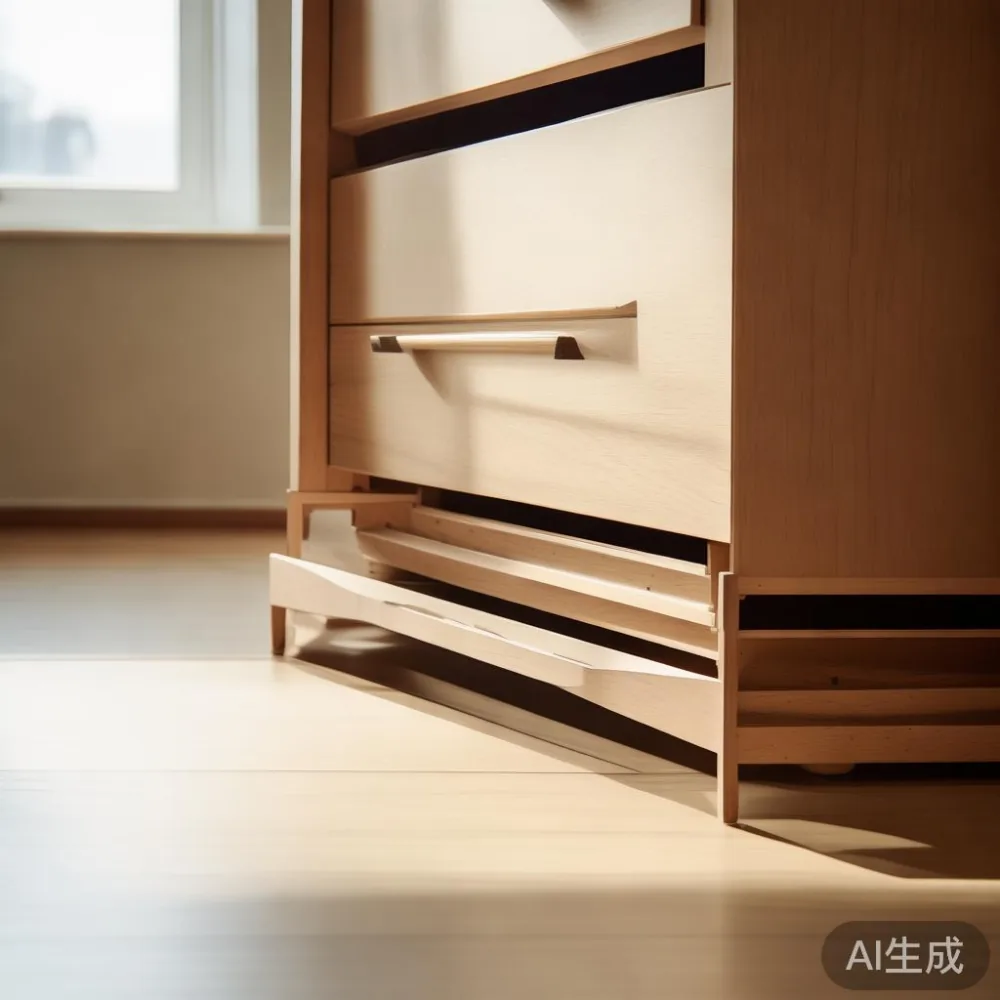
The warmth should come from material variation, not an abundance of ornament. Pair straight-lined oak or ash pieces with one curved element, soften a solid wood sofa with linen or cotton cushions, and introduce brushed metal details in small quantities. Keep displays to 3–5 grouped objects per surface so the room remains visually quiet.
Which drawer organizer suits warm minimal storage?
A drawer organizer is one of the easiest ways to make a minimal interior look intentional. It contains small items that otherwise spread across a surface, allowing drawers, consoles, nightstands, and wardrobes to remain clear. Select modular trays with straight edges and quiet finishes rather than decorative compartments that make the storage look busy.
For everyday Singapore use, a drawer organizer in bamboo, ash, or another moisture-resistant solid wood material is more compatible with a warm palette than a highly glossy plastic insert. Look for removable dividers, rounded corners, and enough height to close without pressing against the drawer runners. A module measuring 20 × 20 × 5 cm can hold cutlery, stationery, cables, or skincare items, while a 45 × 30 × 6 cm version may suit a larger console drawer.
Measure the internal drawer before buying. Leave 1–2 cm on each side for fitting, and test whether the organizer can be lifted over the drawer lip. For a wall-mounted console only 35 cm deep, a 28 cm organizer may be practical. If the drawer contains heavy items, place a wider base beneath smaller sections to prevent tipping during removal.
In a bedroom, coordinate the drawer organizer with the nightstand and wardrobe rather than treating it as a separate product. Matching wood tones help the pieces read as one family, but slight variation in grain prevents the room from feeling overly matched. A 45 × 35 cm nightstand with 1 shallow drawer and 1 open shelf is enough for a phone, glass, book, and charging cable. The drawer organizer keeps the upper surface free in an area as small as 55 × 45 cm.
For a dining table, the same principle applies. A 150 × 35 × 8 cm drawer organizer can keep serving tools, coasters, and napkin supplies together. It should sit fully inside the drawer or a nearby sideboard; do not allow it to project beyond the table edge. In warm minimal styling, closed storage is valuable because it reduces visual clutter without adding another decorative object.
How do you match a solid wood sofa without making the room heavy?
Begin with the room, not the catalogue. For a 280–320 cm living area, a 180–210 cm solid wood sofa offers a useful balance. A 3-seat frame around 205 cm wide and 85–95 cm deep can carry three adults without dominating the space. A 220–240 cm model works better in a room with 350 cm or more usable width.
Choose a low, clean profile with straight arms or a gently curved back. A slim frame around 12–15 cm thick reads lighter than a deeply upholstered one. Warm minimalism works particularly well with oatmeal, stone, sand, or muted taupe covers, paired with visible timber rather than trying to disguise it. The solid wood sofa should be the room’s anchor, while the dining table, wardrobe, and bed frame repeat its material language in controlled amounts.
Allow 35–45 cm between the sofa and coffee table, 40–50 cm between the sofa and a media unit, and at least 75 cm in front of access routes. In a compact HDB living room, a 90–110 cm round coffee table can be more flexible than a large rectangle because it avoids sharp corners and improves circulation. A 40 cm gap around a circular table is generally comfortable.
Light also determines whether solid wood looks warm or severe. Use 2700–3000K bulbs for living and dining areas, and 3000–3500K for task areas such as a desk or dressing corner. A 90 cm floor lamp near the sofa creates a softer pool of light than several small spotlights. If a Japanese-style low seating arrangement is preferred, understanding how to style Japanese sofa in apartment layouts can help you retain low profiles without blocking an HDB corridor.
Do not match every object to the same brown. Warm minimal rooms need contrast. Ivory walls, off-white textiles, pale stone floors, and black accents can keep natural timber from becoming visually heavy.
How should a bed frame and nightstand work together?
A bed frame sets the vertical rhythm of a bedroom. A low solid timber frame with a simple headboard usually complements warm minimal interiors better than a carved, high-contrast design. Common useful dimensions are 150 × 200 cm, 180 × 200 cm, and 200 × 200 cm for Singapore queen, king, and king-super king mattresses. Confirm the mattress size and internal room dimensions before ordering.
Leave approximately 60 cm on the narrower side of the bed and 75–90 cm on the side used for daily access. A 45–50 cm nightstand should align with the mattress top, while the gap between them should be no more than about 5 cm. A narrow 35–40 cm nightstand can suit a tight HDB bedroom, but it must still hold the items used beside the bed.
For an upholstered or timber-framed bed, oak and ash offer a light, Scandinavian-leaning effect; walnut or teak creates a deeper American light luxury mood. French light luxury often relies on pale woods, refined upholstery, and delicate profiles rather than ornament. Post-modern light luxury can introduce a single sculptural lamp or an asymmetric bedside arrangement without turning the bedroom into a display space.
Buyers comparing low-platform timber beds should ask useful questions about clearance, centre support, and slat spacing. If a Japanese bed is being considered, how to choose Japanese bed becomes more than a style question: check the total floor footprint, mattress height, ventilation gap, and whether the frame is assembled downstairs. A frame delivered as 4–6 cartons may pass a lift more easily than 1 oversized carton.
For a coordinated bedroom, place the drawer organizer inside the nightstand only if the drawer is at least 5 cm deep. Use it for charging cables, earphones, keys, and small medicine packaging. A separate 60 × 35 cm drawer organizer in a dressing unit can then hold accessories. This avoids overfilling the bedside drawer and keeps the visible surface almost empty.
How do you choose European light luxury wardrobe storage?
A wardrobe can make a compact bedroom feel orderly or crowded, depending on its footprint and internal organisation. HDB bedrooms often have an awkward recess beside the kitchen or bathroom, so measure the wall, ceiling height, skirting, and window position before selecting a configuration.
Modular wardrobes are more practical where wall lengths vary. A 180 cm unit can provide two 60 cm hanging sections in a compact room, while a 240 cm unit can combine hanging, shelves, and drawers. Deep drawers around 45–50 cm wide are easier to access than very small ones. Leave internal drawer runners clear so a drawer organizer can be inserted without scraping the carcass.
Those researching how to choose European light luxury wardrobe should look beyond the outer finish. European-inspired fitted storage often uses pale veneer, framed doors, and restrained hardware, but practical performance depends on drawer travel, hinge movement, and moisture control. Confirm whether solid wood appears on visible frames, shelves, drawer fronts, or only on selected surfaces, and request details on any engineered components.
Singapore humidity also makes material stability relevant. Keep solid wood pieces away from persistent dampness and allow fitted furniture to acclimatise according to the supplier’s instructions. If a wardrobe sits against an external wall in Bedok or Tampines, maintain airflow around its sides where possible and avoid trapping moisture behind a back panel.
Warm minimal wardrobes usually benefit from closed fronts or matching flat panels. If open hanging space is necessary, limit it to one narrow section so clothing does not become the room’s dominant visual texture. A small drawer organizer can turn one internal section into a controlled arrangement for jewellery, belts, or folded accessories.
What should you know before styling a French wardrobe in room?
French-style wardrobes can suit warm minimal homes when their proportions and details remain quiet. Look for tapered legs, framed panels, pale timber, or understated brass hardware rather than excessive carving. A 180 cm tall unit with a 45–50 cm depth should stand in proportion to a 260–280 cm ceiling, although the actual room height and available wall space remain more important than a style label.
Understanding how to style French wardrobe in room is largely a matter of balancing visual softness with useful storage. Pair it with plain linen bedding, a simple wall colour, and a slim nightstand rather than adding another ornate element. If the wardrobe has reflective or glazed doors, position it where the reflection will not create distracting movement. In narrow HDB rooms, a matte or reeded surface may reduce visual busyness better than a mirror.
American light luxury provides another route: darker walnut, clean-lined cabinetry, and solid-looking proportions, provided the room has enough contrast and light. Post-modern light luxury allows one expressive object, such as a rounded lamp or sculptural drawer organizer, to interrupt an otherwise restrained composition.
Before delivery, check the lift opening, turning radius, corridor width, and stair conditions. A 240 cm wardrobe packed in 3 cartons of roughly 80 × 60 × 20 cm is easier to move than a single 245 × 60 × 8 cm package, but the individual carton must still pass through the lift. Measure the lift door diagonally because the usable opening is smaller than the cabin dimensions.
How can a dining table and marble table share one warm minimal home?
A dining table is a social centre and one of the largest visual objects in an apartment. For an HDB dining area measuring 220 × 260 cm, a 140–160 cm rectangular solid wood dining table is often practical. A round table of 110–120 cm diameter can make a 200 × 220 cm zone feel more open. Check chair pull-out space: roughly 75–90 cm from the table edge is preferable, and 60 cm is a tighter compromise.
Warm minimal dining tables benefit from visible grain, matte oil or lacquer finishes, and simple trestle or tapered-leg construction. A 75 cm table height suits most dining chairs, while a 65–70 cm table may pair with a bench or low seating system. Keep the centre relatively clear and use a drawer organizer for napkins, serving utensils, and coasters so surfaces retain that visual control.
A marble table can provide contrast without disrupting the palette when its veining is soft and its base is substantial. Choose warm white, cream, or beige stone rather than a cool grey slab if the room already contains abundant timber. Pedestal or block-leg bases preserve corner space. Confirm the top weight: a 120 cm round marble table may weigh 45–70 kg, while a 160 cm rectangular version may reach 80–110 kg. Reinforced floors and suitable lifting access should be checked before delivery.
For seaside homes in East Coast, Marina Bay, or coastal Punggol, the phrase Coastal for dining room describes a useful design direction, not a requirement for nautical decoration. Use bleached timber, woven fibres, warm white walls, and matte stone with restrained ocean-adjacent colours. Avoid making every item blue, as one muted accent is enough to suggest a coastal atmosphere.
If the dining area connects to a living room, repeat one colour or material across the space. For example, oak on the dining table can echo the solid wood sofa frame, while cream and sand appear in the dining chairs, cushions, and stone top. The result remains coordinated without looking uniform.
What are the practical Singapore delivery details?
Measure the whole route before selecting large furniture. For HDB blocks in Tampines, Bedok, and Punggol, confirm the service lift capacity, door width, corridor turns, and any parking restrictions. A carton that fits the lift shaft but cannot clear a landing may still need to be opened, checked, and carried in sections. Ask whether assembly is included and whether packaging removal is part of the service.
MIDHILL furniture is positioned around solid wood construction, practical warranties, and long-term care rather than disposable trends. The company’s 10-year structural warranty can be considered for eligible pieces, while lifetime refinishing offers a route for maintaining timber surfaces over time. Confirm the specific product’s coverage before purchase, since finishes, hardware, and product categories may have different terms.
Delivery timing can vary by product and route, so request a written estimate. Allow roughly 7–14 business days for many ready-to-ship items and 4–8 weeks for made-to-order or specially finished pieces, subject to production schedules. A local order of SGD 1,200 should be compared with the full cost of the table, chairs, delivery, installation, and accessories rather than a headline price alone.
Singapore prices normally include GST, but the final quotation should state this clearly. A drawer organizer may add SGD 45–SGD 180 depending on size and material; a solid wood nightstand may sit around SGD 320–SGD 750; a solid wood dining table may range from SGD 1,500 to SGD 4,500; a wardrobe may range from SGD 1,900 to SGD 5,500; and a marble table may range from SGD 1,800 to SGD 4,800. These figures are planning ranges, not fixed quotations.
Also confirm the return policy. MIDHILL offers a 14-day return period for qualifying items, while custom dimensions, personalised finishes, or used items may carry different conditions. Inspect the furniture within the stated period, photograph the packaging, and check corners, drawer runners, joints, and stone surfaces before accepting delivery.
How do you create one calm, layered composition?
Start with a material map. Decide where solid wood will appear, where paint or stone will provide contrast, and which textiles will soften the hardest surfaces. A balanced room might place timber in the sofa frame, bed frame, dining table, wardrobe details, and nightstand, while one marble table introduces cool depth. Keep at least 60% of visible surfaces calm so the layered pieces have room to stand out.
Next, work in odd numbers and useful groups. Use 3 objects on a nightstand, or 5 objects on a console arranged in a shallow tray. A drawer organizer can act as the tray, holding small items while preserving the warm minimal aesthetic. Avoid tiny accessories that collect dust and make a room harder to reset daily.
Then test the lighting. Set the main ceiling light to 3000K, add one warm floor lamp near the solid wood sofa, and use a shaded bedside lamp at 2700K. Dimmers around SGD 80–SGD 250 for portable models can soften the atmosphere after dark. Natural daylight should also be considered, especially for pale wood and marble, which can shift considerably from morning to evening.
Last month I visited a colleague’s 96 sq m Tampines HDB flat after she rearranged her dining area. The original 200 cm rectangular table made the 230 cm-wide zone feel pinched, and moving the chairs back blocked the kitchen route. We replaced it with a 120 cm round solid wood dining table, giving each diner about 55 cm of arc and restoring a clear 70 cm path past the chairs. She also used a shallow drawer organizer for serving pieces, leaving the tabletop almost bare except for a ceramic bowl. The room felt larger without removing a single wall or buying more storage.
A warm minimal home succeeds through repeatable decisions: measured proportions, related materials, concealed clutter, and enough light to reveal texture. Choose the solid wood sofa for the living room, bed frame and nightstand for the bedroom, dining table and marble table for shared spaces, and wardrobe storage for the background. Use the drawer organizer as a practical tool within that system, not as decoration. The result is a Singapore interior that feels comfortable at 7 in the morning, welcoming at dinner, and visually composed when the day ends.