How to Choose the Right-Size Drawer Organizer for a Singapore HDB Living Room
Choosing a drawer organizer for a Singapore HDB living room is rarely just a matter of counting compartments. A 60 cm console may look modest in a showroom, yet it can feel oversized against the narrow wall beside an HDB flat’s entrance. A 45 cm unit may suit a compact Tampines home, but it can appear undersized in a newer Bedok condo with a wider living area. The right size depends on the cabinet, the available wall length, the depth of its drawers, the routes from the lift, and what you actually need to store.
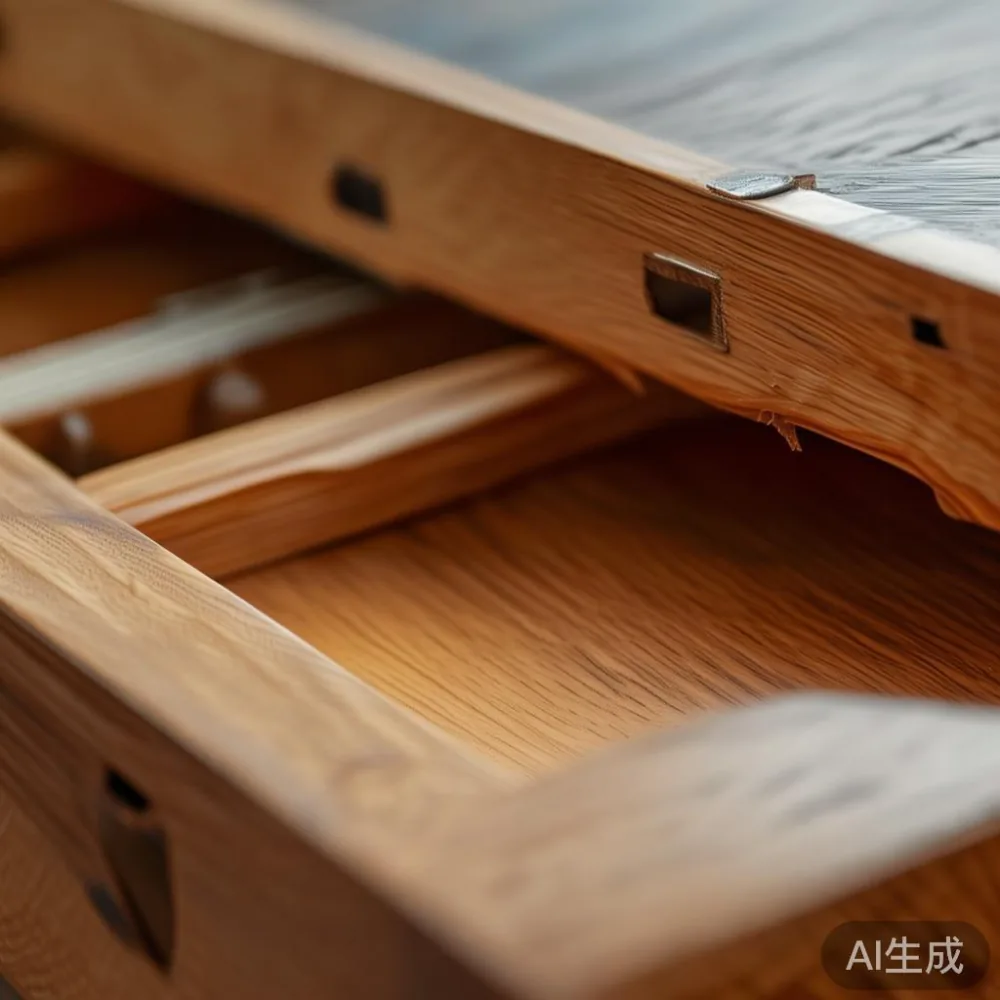
This guide uses practical measurements from Singapore layouts, including common corridor widths, lift-door clearances, and the space needed to open a drawer without blocking a walkway. It also considers delivery, GST, and the durability of solid wood furniture. MIDHILL designs drawer organizers around repeatable dimensions and long-term use, with a 10-year structural warranty and lifetime refinishing support.
What Size Drawer Organizer Fits an HDB Living Room?
The most useful starting point is the internal width of the cabinet that already owns the drawer organizer. Measure from the inside edge of one drawer wall to the other, then subtract 2–3 mm on each side. That small allowance prevents the insert from scraping when the wood expands during Singapore’s humid weather. Measure the internal depth at the front and back as well, because drawers often taper and usable depth may be 10–20 mm less than the nominal figure.
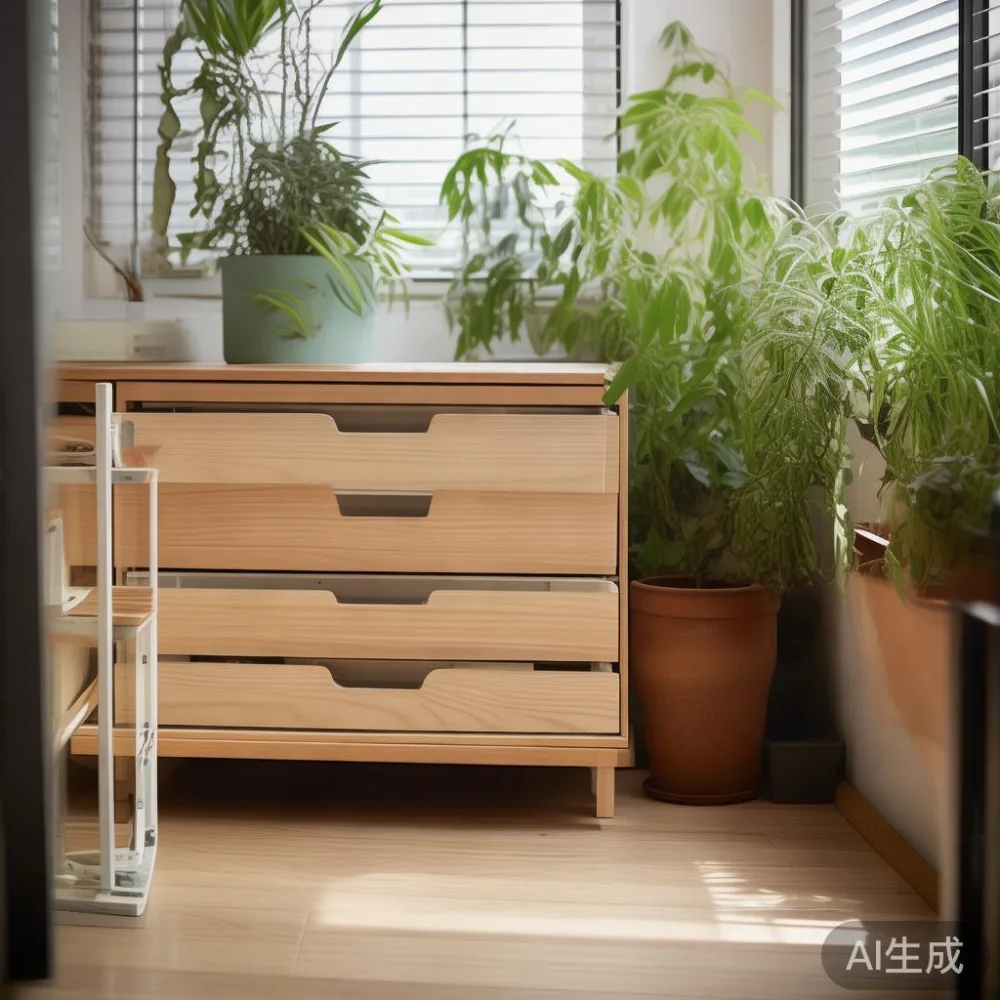
For an HDB living room, a drawer organizer between 35 cm and 55 cm wide usually fits a media console, sideboard, or compact writing desk. Narrow units around 25–35 cm suit slim cabinetry, while 60–80 cm organizers suit larger sideboards. Height matters too: a drawer with only 60 mm of internal clearance cannot hold a box measuring 75 mm, even if its floor area looks sufficient.
Before ordering, open the existing drawer fully and note its usable height. Leave about 10 mm below the organizer for the drawer base, and check that the insert will not obstruct the runner. A packed insert should still allow the drawer to open by at least 80% of its travel. For families using a drawer organizer to hold charging cables, remotes, keys, and small accessories, this operating clearance is more practical than maximizing every millimetre.
Do not rely on the outer size printed on a product page. Look for three numbers: internal width, internal depth, and usable internal height. If one is missing, ask the seller before purchase. In Singapore, an inaccurate measurement can lead to a return trip through the lift lobby and a frustrating second delivery.
How Do You Measure a Singapore HDB Living Room for Storage?
Begin with the wall that will receive the existing cabinet or the planned drawer organizer. Run a tape measure along the skirting board, because the wall may not be perfectly straight. Leave 3 cm at the nearest corner when a hinged door or passage is involved. If the organizer will sit beneath a television, check cable outlets, the television’s lowest point, and the distance needed to access a soundbar.
Then measure the route. A standard Singapore HDB lift interior is often about 110 cm wide and 110–140 cm deep, but building specifications differ. The lift door opening may be only 80–90 cm. Measure your own block rather than assuming. A boxed drawer organizer with a 60 cm width can usually travel through a 70 cm door easily, but its corner diagonal can still catch if the box is poorly made.
Corridors can be approximately 120–180 cm wide, with the usable width reduced by railings, fire hose reels, shoe racks, and other residents’ belongings. Carry the packed organizer on its side if needed, and protect the corners with 5 mm foam. A flat-pack unit can reduce the delivered length, but it should not require tools that could damage the surrounding floor.
Allow 75–90 cm of clearance in front of a drawer that opens toward the main walkway. Less than 60 cm can create a pinch point. In a compact Punggol or Tampines living room, wall-mounting a drawer organizer above a console may recover floor area, provided the fixing can support 15–25 kg and the drawer opens safely away from head height.
I measured a client’s Bedok living room last month before ordering a custom insert. The cabinet was advertised as 60 cm wide, but the internal opening measured 548 mm and narrowed to 531 mm at the rear. A 520 mm drawer organizer fitted with 5–9 mm on each side, while the 550 mm version fouled the runner. Checking 3 actual points would have prevented a wasted trip.
Which Drawer Organizer Size Works for Different Rooms?
For a compact HDB living room, choose a drawer organizer between 30 cm and 45 cm wide. These dimensions are usually suitable for remotes, charging leads, stationery, and daily necessities. A 30 cm model may sit on a 60–80 cm console without looking crowded, while a 45 cm model works when the console is 100–120 cm wide. Keep tall items below the drawer’s top edge so the organizer remains easy to remove.
In a larger Bedok or Tampines condo living room, a 50–65 cm drawer organizer can handle more household items, including board games, craft materials, or entertainment accessories. It should occupy no more than about 65% of the top surface of a sideboard. The remaining area can display a lamp, framed art, or a small object. This balance supports French light luxury styling without turning the cabinet into a visual warehouse.
For a narrow console, select an organizer no deeper than the cabinet’s internal depth, with a 2–3 mm side allowance. A shallower tray, around 12–18 cm deep, is easier to access. A deep box, especially one above 25 cm, may be useful for files but becomes difficult to reach into.
Choose the number of compartments around the items in use, not a large number of tiny sections. A 40 cm-wide model with 4–6 compartments is usually easier to manage than one with 12 divisions. Each compartment should be at least 60 mm wide for a remote and 90–120 mm long for a standard 15 cm charging cable. For papers, use a vertical file section rather than folding everything into a 10 cm square tray.
Scale the storage to the room as well as the cabinet. An organizer that holds more than the family uses often becomes a place for discarded items. A 35 cm unit holding 2–3 categories is usually more useful in a 70–90 sqm HDB flat than a 60 cm unit filled with rarely used objects.
Can a Drawer Organizer Fit a Narrow HDB Console?
Yes, if the insert is chosen from the cabinet’s internal dimensions and tested with the drawer fully open. Narrow HDB living rooms often use a 40–60 cm console, a 30–40 cm tall media unit, or a slim side table. An organizer between 25 cm and 35 cm wide can sit inside these without making the furniture look top-heavy.
Check the base thickness. Many drawer bases are 10–16 mm thick, while the visible cabinet opening may be 65–90 mm tall. For a 72 mm opening, an organizer measuring 55 mm high leaves roughly 5–8 mm above its rim and 2–4 mm below. This clearance reduces rattling and protects the drawer from forcing the organizer against the top panel.
Use dividers only where needed. Adjustable dividers are useful for a shared household, but fixed sections can feel more orderly and save several centimetres. Rounded corners are practical in a home where children use the living space. Smooth drawer runners are also worth paying for, since a stiff runner can make a correctly sized insert appear difficult to use.
For a console positioned opposite the main door, a shallow drawer organizer helps preserve sightlines across the room. In a high-rise condo with a wide living room, a larger organizer can support a coordinated arrangement featuring a solid wood sofa, a Mid-century modern accent chair, and a Mid-century modern coffee table. The organizer should complement these pieces, not compete with them.
Will a Solid Wood Drawer Organizer Fit Through the Lift and Corridor?
It should, but measure the lift door, lift interior, corridor turns, and your home’s entrance before ordering a large unit. Solid wood drawer organizers are heavier than hollow plastic or fibreboard alternatives. A 50 × 35 × 12 cm hardwood organizer may weigh 8–12 kg; a larger 70 cm version may weigh 15–22 kg. Check the packaged weight as well as the product weight.
Ask whether the organizer arrives assembled or flat-packed. Flat packing can reduce the longest side, making transport through an 80 cm lift door easier. It can also expose joinery and fixing points, so inspect the package for chips, loose screws, and corner damage before accepting it. For stairs, carry no more than 12–15 kg per item where possible and use two people for larger loads.
Choose furniture with dovetail or mortise-and-tenon corners when the design calls for them. These methods resist the repeated opening and closing expected in a living room. Solid wood throughout the drawer organizer also avoids the screw-loosening and swelling sometimes seen in lower-grade composite panels, although the product should still be protected from prolonged dampness.
Delivery across Singapore commonly takes 3–7 working days after production or stock confirmation. Some made-to-measure pieces can require 10–15 working days. GST at 9% is added to displayed prices unless the seller states that a price already includes GST. Check the final invoice carefully before paying.
MIDHILL provides free shipping on orders over US$350, equivalent to about SGD 470 at an illustrative rate of SGD 1.34 per US$1. The amount charged in Singapore should be shown in SGD, and any bank conversion difference may affect the final card total. Delivery arrangements should still be confirmed for HDB blocks with restricted loading-dock hours.
How Should Drawer Organizers Complement Different Furniture Styles?
A light oak drawer organizer works well with Scandinavian and post-modern light luxury furniture because the grain remains visible and the profile stays visually light. A walnut finish adds depth to a neutral room, while an off-white or warm cream finish can connect with upholstery and wall paint. Avoid matching every surface exactly; contrast can make the organizer read as a purposeful object.
In a French provincial living room, curved edges, pale timber, and modest ornament create a softer composition. A slim organizer with rounded corners and small brass-coloured pulls can suit that scheme. A search for top 10 French provincial furniture may lead to broad recommendations, but the practical result is to coordinate one drawer organizer with the cabinet rather than crowd the room with unrelated furniture.
For hotel-influenced interiors, search results for French provincial for hotel can provide useful references for proportions and warm materials. In a Singapore home, however, compact sizing and humidity care matter more than reproducing a full hospitality look. A tidy drawer organizer contributes to that calm impression by giving small objects a defined home.
American light luxury often pairs clean furniture lines with warmer accents. A 45–55 cm organizer in walnut or oak can bridge a solid wood sofa and a marble table without appearing utilitarian. If the cabinet is already highly patterned, select a simpler organizer with straight edges. If the room is minimal, a finely profiled insert may provide the detail instead.
For a coordinated bedroom or dressing area, the same size logic applies. A European light luxury dressing table may have drawers with different internal widths, so each organizer should be measured separately. A European light luxury wardrobe can use similar wood tones, but its organizers need greater depth for folded clothing and accessories. A nightstand may accept only a 25–30 cm drawer organizer, while a larger dresser can support a 50–60 cm insert.
What Material and Finish Should You Choose?
Solid wood gives a drawer organizer stability, repairability, and a tactile surface that suits MIDHILL’s furniture programme. The species affects appearance and care: oak usually shows pronounced grain, walnut offers a darker tone, and beech or maple provides a calmer finish. Confirm whether the drawer organizer is solid wood throughout or has solid wood components with a different backing or insert.
For a high-traffic HDB living room, a satin or low-sheen finish is easier to maintain than a very glossy surface because fingerprints and small scratches are less conspicuous. Wipe with a slightly damp cloth, then dry immediately. Avoid leaving cleaning spray or hand sanitiser on the wood for more than a few minutes.
Give new solid wood time to acclimatise. Singapore’s indoor humidity commonly sits around 50–70%, although it varies with ventilation and monsoon conditions. Keep the organizer away from direct air-conditioning vents and windows with persistent condensation. A simple care routine is to dust weekly, inspect runners every 6 months, and tighten fixing hardware after 30–60 days of use.
Weight capacity is another specification worth checking. A light-accessory organizer may be rated for 5–8 kg, while a deeper unit intended for books or tools should support at least 15 kg. The cabinet drawer itself must be rated for the loaded weight. A timber organizer cannot compensate for weak runners or particleboard cabinetry.
How Do You Order the Right Drawer Organizer Without Paying for Returns?
Send 3 clear photographs of the open drawer, a tape measure placed across the internal width, and another showing the internal depth and height. Include the cabinet’s outer width and the measurement of the delivery route. Good photographs reduce the chance of a mismatch and speed up confirmation.
Ask for a dimensioned drawing before production. It should show the drawer organizer’s outer width, depth, height, compartment sizes, and intended clearance. For custom work, request 2–3 mm of side clearance and a runner gap appropriate to the cabinet. If your household needs more than one drawer organizer, measure each drawer separately rather than ordering an identical set.
Review price, GST, delivery timing, and return terms together. A drawer organizer priced at SGD 189 becomes SGD 206.01 after 9% GST. A custom unit at SGD 420 becomes SGD 457.80. MIDHILL offers a 14-day return period, a 10-year structural warranty, and lifetime refinishing support, but returns can still involve packing and transport steps, so measurement remains the more efficient route.
For a 100 sqm HDB flat, a 40–50 cm drawer organizer in a 90–120 cm sideboard is often a practical starting point. In a 75 sqm Tampines flat, 30–45 cm may be more appropriate. A Punggol unit with flexible storage can suit modular inserts, while a spacious Bedok condo living room may justify a 55–65 cm organizer.
The correct size is the one that clears the cabinet, opens without blocking the walkway, survives the route from the lift, and holds the objects your household uses. Measure first, specify the usable internal dimensions, and choose a finish that supports the room’s light-luxury character. That small discipline can make the living room feel calmer without replacing the furniture around it.