Tropical Climate Care for Lacquered Drawer Organizers
A lacquered drawer organizer looks crisp and composed in a Singapore home, but tropical heat, humidity, salt-laden air and constant touching can leave marks long before the wood underneath shows any damage. Singapore’s relative humidity commonly reaches around 70–85% during the warmer months, while a corridor-facing HDB unit near Bedok or Tampines may also collect dust and cooking moisture. Good care is therefore less about occasional deep cleaning and more about controlling 4 variables: moisture, heat, friction and light.
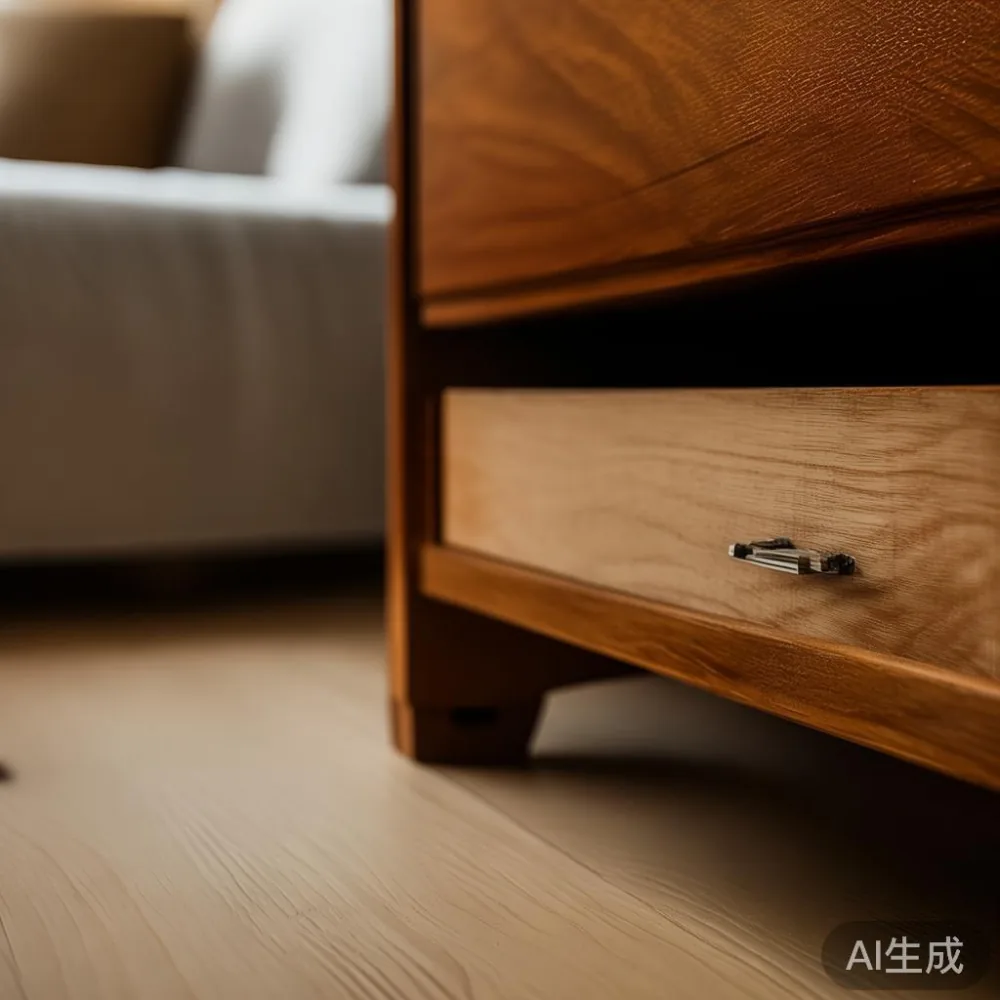
MIDHILL is a Foshan solid wood furniture maker established in 2008, with exports to 15+ countries, a 10-year structural warranty and lifetime refinishing support. Its solid wood sofa, bed frame, dining table, wardrobe, nightstand and marble table collections suit both local apartments and international homes. For drawer storage, the same discipline applies: stable indoor conditions, careful cleaning and prompt attention to scratches.
The practical measurements below are designed for Singapore homes, where a typical HDB lift interior may be about 100–140 cm wide and a condo corridor around 120–180 cm wide. Delivery should be checked against the actual lift door, turning radius and stairwell; a tidy room can still be difficult to reach. Prices are stated in SGD, including GST, to keep planning straightforward.
Why does lacquer behave differently in Singapore?
Lacquer is not one uniform material. A water-based acrylic lacquer, a solvent-based finish and a conversion finish can react differently to water, alcohol and prolonged humidity. The drawer organizer may also combine lacquered solid wood with metal runners, bamboo inserts or fabric-lined compartments. Cleaning one component with a method intended for another can create dull patches or trapped moisture.
Heat is often the overlooked factor. A drawer organizer placed beside a window in Tampines can reach 40°C during a bright afternoon, even when the living room feels comfortable. At 35°C and 80% relative humidity, wood can absorb enough moisture to swell slightly and move against its joints. Repeated cycles of expansion and contraction may stress lacquer around edges, grooves and runner housings.
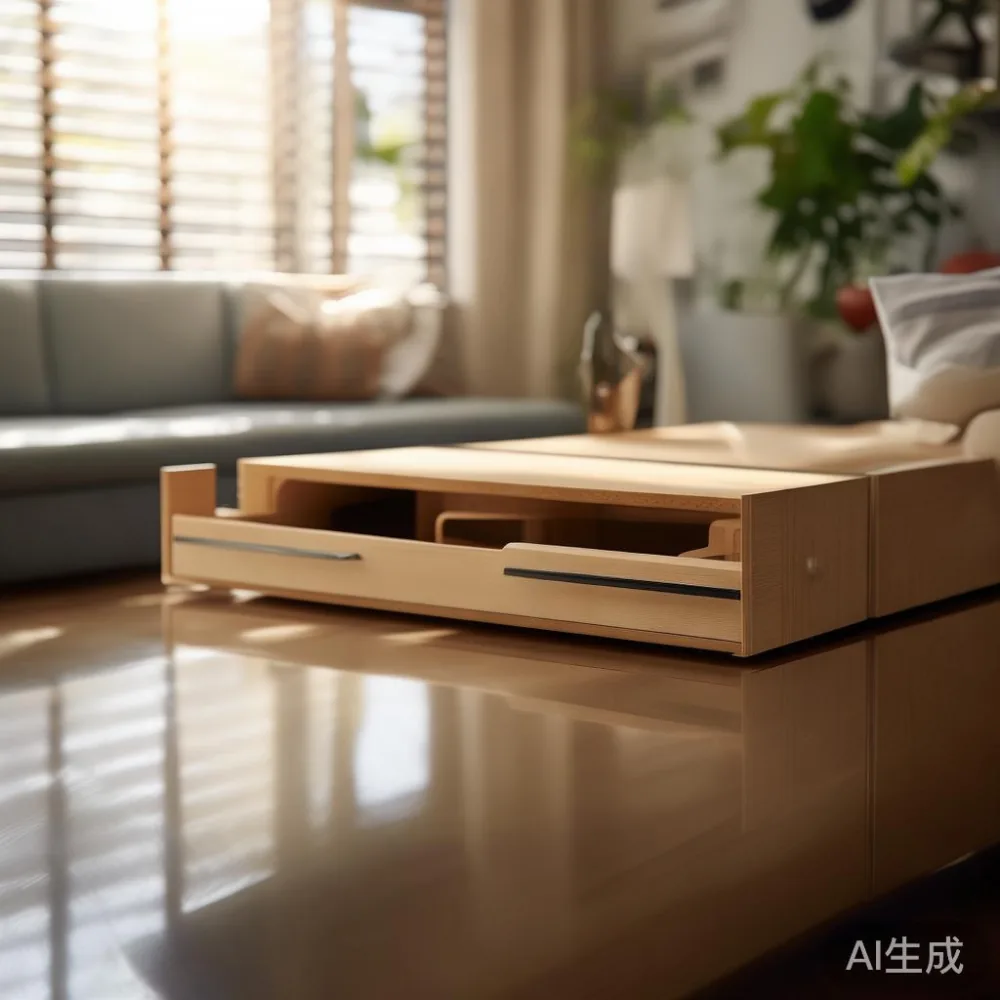
Sunlight adds another layer of risk. A shelf receiving 3 hours of direct afternoon sun may show colour change in the lacquer, especially across a pale finish. UV exposure does not necessarily mean immediate failure, but 2–3 years of repeated exposure can produce visible fading compared with an identical organizer kept out of direct light.
Touching is a quiet source of wear. Fingers carry oil and salt, and they often land on drawer pulls and narrow front rails. In a household with 2 children, a pull might be touched 40–60 times per day. Over 12 months, that is roughly 15,000–22,000 contacts. A soft cloth and a slightly damp cleaning routine are safer than repeatedly polishing a greasy mark.
What cleaning kit and routine should I keep at home?
Prepare a compact care kit with 2 microfibre cloths, 1 soft natural-bristle brush, 1 small spray bottle and 1 neutral pH cleaning solution diluted according to its label. Keep the spray bottle under 500 ml for control near furniture, and test it on a concealed 2 cm by 2 cm area for at least 24 hours. Avoid letting liquid sit on seams or enter runner channels.
For weekly care, vacuum the drawer organizer with a brush attachment kept about 2 cm above the surface. This reduces grit without pushing it into joints. Next, wipe the lacquer with a clean microfibre cloth lightly dampened with water. The cloth should leave no visible beads; if it does, wring it out again. Dry with a second cloth within 30 seconds.
Use diluted mild soap only when the surface has accumulated fingerprints: mix about 5 ml of pH-neutral soap with 500 ml of water. Wipe once, then remove residue with a separate barely damp cloth. There is no need to soak the organizer, flood the drawers or use a household steam cleaner. Excess water can swell wood and encourage mould in inaccessible corners.
Clean glass or acrylic dividers on a separate schedule because trapped grit can scratch these surfaces. A dry microfibre cloth handles ordinary dust in 1 minute. For sticky residue, place a small drop of mild detergent on the cloth rather than spraying it directly. If a mark remains, the panel may need professional assessment rather than stronger household chemicals.
For shoppers comparing complete room layouts, the search for how to choose Japanese sofa can be useful, but so can understanding which proportions fit a 320 cm HDB living room. A low solid wood sofa, bed frame or nightstand should complement the drawer organizer rather than compete with it through mixed finishes.
How should I control humidity without damaging the lacquer?
Keep the drawer organizer away from air-conditioning vents, bathroom doors, kitchen steam and external walls that stay cool and damp. Aim for indoor relative humidity around 50–65% when possible. Singapore homes often fluctuate much more widely, so stable placement matters more than chasing a temporary reading.
Use a digital hygrometer, ideally one that records minimum and maximum readings over 24 hours. Place it near the drawer organizer but not directly against the wall. If the display remains above 70% for several days, improve ventilation or use a small dehumidifier. A unit rated for 10–20 litres per day can manage a normal bedroom, provided its outlet is clear and water is changed every 2–3 days according to the manual.
Do not use a open-container passive moisture absorber as the main solution. It may help in a small enclosed drawer for short periods, but it can release collected moisture later and create uneven conditions. Silica gel in a breathable pouch can be used cautiously; replace or regenerate it when the indicator turns, often every 1–3 months in humid weather.
Leave a 3–5 cm air gap behind the organizer and avoid pushing it tightly against a damp external wall. In a Bedok HDB flat, the better position is usually an interior bedroom wall or a ventilated dressing area, not beside a window or an ensuite bathroom. For a Punggol condo, check whether the unit faces a reflecting pool or sea breeze: salt residue can become more apparent on frequently touched surfaces.
How do I remove fingerprints, scratches and dull areas safely?
For fingerprints, first try the barely damp microfibre method. If residue remains, use the diluted pH-neutral solution described above and dry immediately. Never scrub with a scouring sponge, abrasive pad or rough cloth. Lacquer can show circular abrasion after only 5–10 firm passes with a dirty cloth.
For minor scratches, distinguish a mark in the finish from a break in the substrate. Run a fingernail lightly across the line: a lacquer scratch usually feels smooth, while a deeper split feels raised or catches. Photograph the area under daylight, then compare it under a 400–600 lux lamp. Avoid promising that a household product will repair a deep gouge; that is a refinishing task.
Minor surface marks can sometimes be treated by a furniture specialist with a colour-matched lacquer system. Masking around adjacent handles and hardware may take 1–2 hours, while cure time can take 24–72 hours. Do not stack items or place the drawer organizer in a humid cupboard during that period. MIDHILL offers lifetime refinishing support, so customers should retain the purchase details and contact the company when a service assessment is needed.
For broader bedroom planning, a guide to how to style light luxury bed in apartment can help create one consistent finish palette. A French light luxury direction works well with pale lacquer, cream textiles and warm oak, while American light luxury favours clean lines and neutral contrast. The drawer organizer should coordinate with the bed frame and wardrobe rather than introduce a third unrelated finish.
Can I move and deliver a drawer organizer safely?
Measure before ordering. Record the organizer’s width, depth, height and weight, then measure the lift door, lift car, corridor turns and the route to the bedroom. A 90 cm-wide lift car with a 75 cm door may accept a 60 cm-wide organizer but still leave insufficient turning room for a long package. The organizer should be protected with corner guards, foam or bubble wrap and a rigid outer carton.
For a local Singapore purchase, standard delivery is commonly estimated at 7–14 days after order confirmation. Made-to-order pieces may require 30–45 days. Ask the supplier whether delivery is curbside, doorstep or room-of-choice, and check whether assembly is included. A lift surcharge or two-person carry may apply, particularly for a large wardrobe or solid wood dining table, but the drawer organizer should normally fit one route.
Many MIDHILL orders over US$350 qualify for free shipping under the brand’s stated delivery policy, though the final quote for Singapore should be confirmed because duties, GST, transit and lift access can vary. Check the landed SGD total, not just the product price. For example, a drawer organizer quoted at SGD 260 before delivery may reach SGD 290–340 after freight, insurance, GST and access charges.
Once delivered, acclimatise the organizer for 24–48 hours before loading it with contents. Keep it away from direct sun and air-conditioning vents while it settles. If possible, place 4–6 coasters or small felt pads under it to protect the base and allow airflow beneath.
How often should I inspect a lacquered drawer organizer?
Perform a quick 5-minute inspection every month. Check the top, drawer fronts, handles, runner housings and areas beneath removable inserts. Look for 3 warning signs: stickiness, colour change or a sharp change in sheen. These often appear before a visible split develops.
Every 3 months, clean the runners and check that screws remain secure. Drawers should open with light force, normally around 5–10 kg of hand pressure. If they require more than 20 kg, stop forcing them and check alignment, humidity swelling or debris. A metal runner with a 30 kg load rating is not the same as a drawer rated for that weight; the component with the lower rating governs.
Every 6–12 months, review the room’s humidity pattern and the organizer’s position. After 2 years, compare colour with an older piece in the same room. Sun-facing lacquer may need closer attention than pieces in shaded bedrooms. For a new house fit-out, searches for where to buy wardrobe from MIDHILL or a top 10 Industrial furniture roundup may help coordinate several pieces, but finish care should be planned separately for each material.
For seating, the phrase best Industrial bed for 2026 can return mixed product categories, so it is sensible to verify the construction and finish specification yourself. Likewise, a search for best light luxury sofa for 2026 should not replace measuring a sofa against a 280–320 cm living-room wall. The same restraint applies to a drawer organizer: precise dimensions, solid wood specifications and care requirements matter more than a marketing label.
What should I avoid in a tropical climate?
Avoid silicone-based furniture polish unless the lacquer manufacturer explicitly permits it. Some polishes leave a greasy film that attracts dust and may require solvents to remove. Avoid ammonia, bleach, acetone, alcohol-heavy glass cleaner, abrasive powder and oil-based household sprays. Test any new product on a 2 cm by 2 cm hidden area for 24–48 hours, even if the label says it is suitable for “wood”.
Do not place wet items directly on lacquer. Coastal vegetables, damp towels and leaking plants can leave water rings within 30 minutes. Use a separate tray with a raised edge, and keep at least 2 cm between the tray and the organizer. Food containers should be closed, especially in a kitchen-adjacent dining area.
Do not stack lacquered organizers on top of one another without a soft barrier. A cotton sheet can reduce rubbing, but it can trap moisture, so it should be changed every 2 weeks. Avoid direct contact with metal bed-frame legs or wardrobe runners that may carry moisture and transfer rust-like marks.
Do not ignore a damaged edge. If lacquer lifts over a 3–5 cm area, cover the organizer loosely with a clean cloth and seek advice within 48 hours. Moving the piece may worsen the lift. Deep scratches, mould, odour or swelling require inspection rather than repeated surface cleaning.
What is the simple care plan for long-term use?
A reliable routine takes less than 20 minutes each week. Spend 5 minutes vacuuming, 5 minutes wiping with a barely damp microfibre cloth, and 5 minutes checking runners and touch points. Once a month, spend another 10 minutes checking humidity and sunlight exposure. This simple cadence protects the lacquer more effectively than an aggressive clean performed only when marks appear.
For coordinated interiors, keep the palette narrow: 2 main wood tones, 1 lacquer family and no more than 2 accent colours. French light luxury can use pale oak, soft cream and brushed metal; American light luxury can pair warm wood with charcoal details; post-modern light luxury can use clean geometry with one sculptural accent. A drawer organizer, solid wood sofa, dining table and nightstand can share these cues without looking copied.
Marble requires its own pH-neutral care, so keep marble table cleaning products away from the drawer organizer. Likewise, do not let a bed frame’s fabric or wardrobe’s mirror cleaning spray contaminate nearby lacquered surfaces. Material-specific care is part of good furniture management, not a sign of neglect.
With stable humidity, gentle cleaning and immediate attention to damage, lacquered drawer storage can remain presentable through humid years. Keep the product information, care instructions and warranty documents in a single digital folder. If a finish issue appears, document the room conditions, mark size and date before arranging service.