How to Care for a Lacquered Drawer Organizer in a Tropical Climate
A lacquered drawer organizer looks crisp in a Singapore home because its reflective surface catches daylight from HDB windows and condo corridors. The finish can also be demanding to maintain. Temperature changes, monsoon humidity, salt-rich air, fingerprints, and trapped moisture may dull gloss or leave pale marks around a drawer organizer’s edges. Regular care takes only 10 to 15 minutes a week and can preserve a lacquered appearance for 10 years or more.
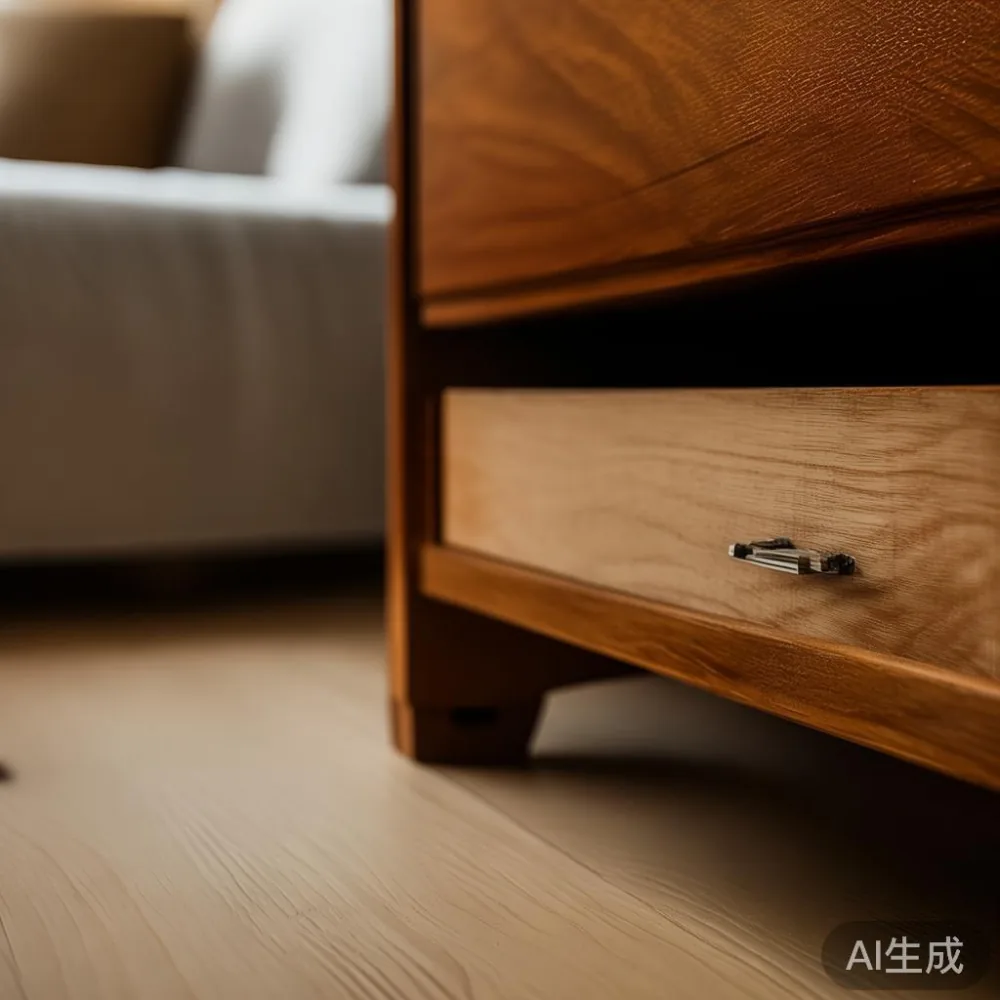
At MIDHILL, solid wood furniture is built for use rather than display. A drawer organizer may sit inside a solid wood sofa, support accessories beside a bed frame, or organize stationery near a dining table. Its lacquer deserves the same attentive care as the surrounding furniture, especially between Singapore’s hotter months.
Why does lacquer need special care in Singapore?
Singapore’s climate commonly moves between 26°C at night and 33°C during the afternoon. Relative humidity can range from roughly 65% to 90%, while an air-conditioned HDB flat may be only 22°C to 25°C. Repeated expansion and contraction can stress lacquer applied over engineered wood or solid wood, particularly along corners, drawer runners, and narrow seams.
Direct sun adds another risk. A drawer organizer placed beside a Tampines or Punggol window may receive 2 to 4 hours of morning light. Over several years, ultraviolet exposure may cause uneven fading. Coastal air in Bedok can also carry fine salt particles that settle on the surface and become abrasive when wiped.
Moisture matters more than a small spill. Water can travel beneath a lacquer film through a hairline opening. Once underneath, it may cloud the finish or create a blister. Good drawer organizer care therefore includes controlled wiping, prompt spill removal, and checks of the surrounding room conditions.
What should I use to clean a lacquered drawer organizer?
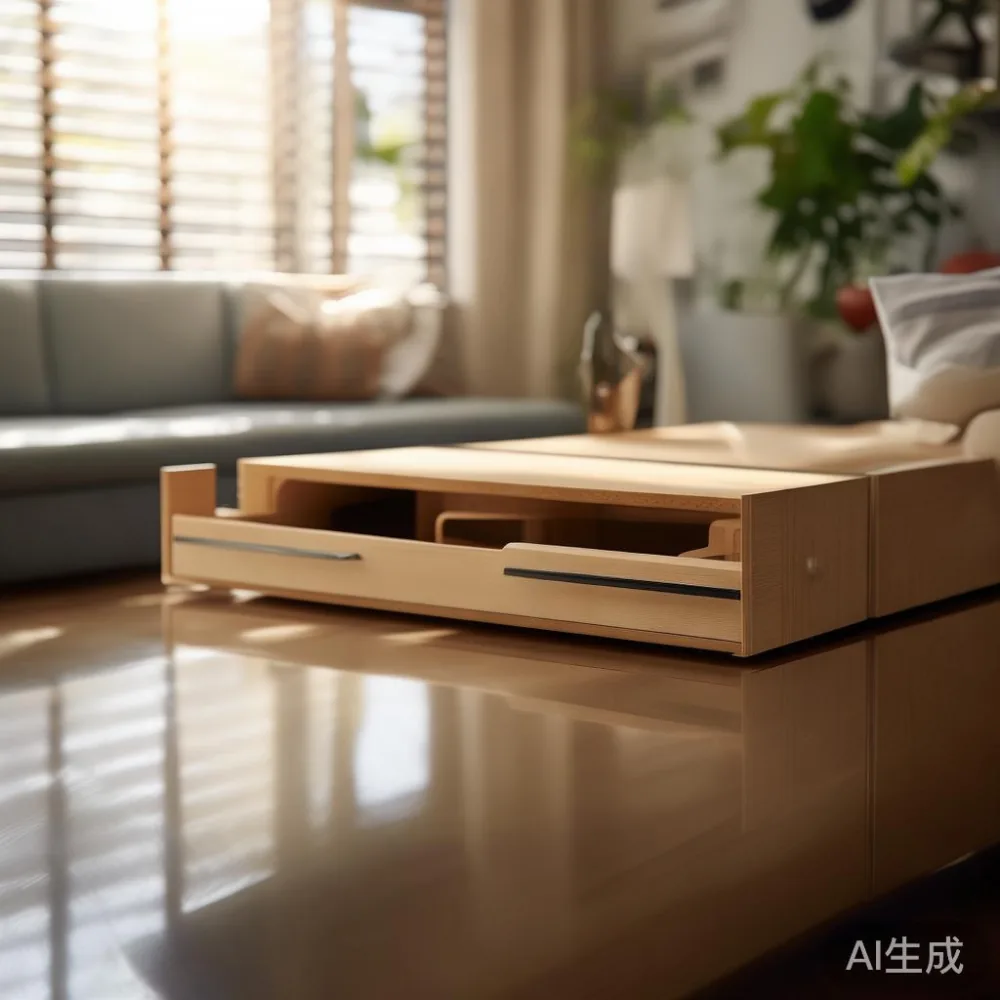
Use a soft, lint-free microfibre cloth, preferably 20 cm to 30 cm square, dampened with plain lukewarm water. Wring it out until no water drips from the fabric. The cloth should feel barely damp, not wet. Wipe in the direction of the grain or along the drawer’s length, then use a second dry cloth to remove moisture.
For weekly cleaning, dilute a small amount of mild dishwashing liquid in 500 ml of water. One teaspoon is normally enough for several drawer organizers. Avoid ammonia, alcohol, bleach, acetone, and acidic cleaners. These products may attack resin, polyurethane, or nitrocellulose lacquers. A product labelled “wood cleaner” may contain silicones or solvents, so test it on an inconspicuous 2 cm section for 24 hours before use.
Do not use household sprays directly on the finish. Spray a cleaner onto the cloth instead. This reduces the amount of liquid entering joints. Never soak a removable drawer organizer, and do not place it under a running tap for more than 30 seconds.
How often should I clean and polish the finish?
Wipe the top and side panels once every 7 days. Inspect the underside and corners once every 30 days, especially if the organizer holds cosmetics, damp clothing, or kitchen accessories. Remove rings, grease, and adhesive residue immediately with a soft cloth; allow a mark to remain for more than 24 hours and it may require more careful treatment.
Polishing is optional. If the lacquer is sound but feels slightly dull, apply a wax suitable for lacquered wood with a clean cloth. Use an amount about the size of a 5 SGD coin, spread it thinly, and buff after 10 minutes. Test every 90 days rather than polishing weekly, because excess wax can collect at the edges.
No lubricant is needed for lacquer itself. Apply a tiny amount of silicone-free furniture lubricant to moving drawer runners, not to the coated panels. A drop covering roughly 1 cm is sufficient. Wipe off any lubricant that reaches the lacquer.
How can I prevent humidity damage and heat marks?
Keep the drawer organizer at least 30 cm from a window, radiator, kettle, or hot-water pipe. An ideal distance is 60 cm from strong afternoon sunlight. In an HDB flat with a narrow lift and corridor, furniture is often moved through tight circulation spaces, so protect the finish during relocation by wrapping each piece in 2 layers of moving blankets and securing it with soft straps.
Use breathable storage. Cotton liners or acid-free tissue help separate metal objects from lacquer. Avoid newspaper, because its ink can transfer after 30 days of contact. Do not seal damp items inside the organizer; trapped moisture may remain for several days even in an air-conditioned room.
A hygrometer placed near the unit should read between 45% and 60% relative humidity when possible. Singapore’s outdoor conditions often exceed that range, so indoor management matters. Run air conditioning for 2 to 3 hours before opening wardrobes, and avoid placing the organizer against an exterior wall where condensation is more likely.
What if the lacquer gets scratched, stained, or swollen?
Begin with the least severe repair. For a fresh fingerprint, rub the area gently with a clean microfibre cloth. A shallow scratch may respond to a lacquer-safe repair pencil after testing on a hidden edge. Deep scratches exposing brown wood or grey substrate need professional refinishing rather than household wax.
For heat marks or an adhesive stain, place a clean cotton cloth over the mark and warm it gently with a hairdryer set to low, at least 20 cm away, for 20 seconds. Do not exceed 40°C. Move the dryer continuously, then let the surface cool for 10 minutes. If the mark remains, contact the manufacturer or a refinishing workshop. Test any solvent or abrasive on a 2 cm area for at least 48 hours.
Blistering, peeling, or widespread clouding indicates moisture intrusion or chemical damage. Stop using solvents and keep the area dry. A new lacquered insert may cost from SGD 68 to SGD 180 depending on its dimensions and finish, while professional refinishing may begin around SGD 120 per drawer. These are planning ranges rather than quotations, and a supplier should confirm the final price before work begins.
How should I care for a lacquered organizer after delivery?
Allow a new drawer organizer to acclimatise indoors for 48 hours before loading it heavily. This is particularly important after a delivery from a cooler warehouse or during Singapore’s wettest period. Check the corners, underside, and runner area for moisture before installation.
Inspect after the first 7 days, 30 days, and every 6 months thereafter. Look for changes in gloss, lifting edges, runner stiffness, and discoloration under accessories. Keep a photograph of the finish so repairs can be matched against the original tone. If the organizer accompanies a marble table, use separate coasters and trays; acidic liquids can damage both marble and nearby lacquer within minutes.
For broader style comparisons, a designer Modern light luxury furniture scheme often pairs a lacquered drawer organizer with restrained metal details and warm timber. Searches for light luxury sofa vs Mid-century modern sofa may lead toward different upholstery, but the drawer remains the practical storage component. Similarly, 2026 French provincial furniture can work beside a light luxury dressing table, provided the organizer’s finish is coordinated rather than crowded with jewellery and damp products.
A solid wood bed frame needs more ventilation than a lacquered insert. Leave a gap of at least 5 cm between the frame and a wall, and check underneath every 90 days. A wardrobe benefits from the same separation, while a dining table should be kept at least 45 cm from humid service areas. A nightstand with a drawer organizer should have a stable, level surface to prevent joints from binding.
How do I style an organizer without harming the finish?
Use a tray, liner, or small dish for pens, rings, watches, and skincare products. Keep perfume and body lotion away from the lacquer, as repeated contact may leave oily patches over 30 to 60 days. Leave at least 2 cm between stored items and the edge so the drawer can be opened without scraping the coating.
For furniture that connects several rooms, a light luxury dressing table may be paired with a lacquered drawer organizer containing only dry accessories. In a compact Bedok condo, limit each compartment to 4 cm of stacked items and avoid overfilling a 20 cm-deep drawer. For practical bedroom guidance, how to style American wardrobe in bedroom layouts can include a small drawer organizer inside the bedside unit, separate from heavy textiles.
The visual finish can also influence nearby choices. A French-inspired room may suit pale lacquer and curved profiles, while a solid wood dining table benefits from a less reflective insert that does not compete with the timber. Buyers searching for the best French bed for 2026 should check whether the manufacturer defines the finish, care method, and structural warranty clearly rather than assuming every lacquer behaves identically.
What if I need replacement advice for a badly worn drawer?
Compare width, depth, height, runner spacing, and finished internal dimensions before ordering a replacement drawer organizer. Measure in centimetres at 3 points because HDB and condo furniture may sit slightly out of square. Allow 5 mm of clearance for runners, then record the load requirement in kilograms. A stationery organizer may need to carry only 2 kg, while one holding records or tools may need 15 kg.
Check the care requirements of the larger piece as well. A solid wood sofa may receive less direct moisture than a dining table, while a bed frame placed near an open window can suffer greater UV exposure. MIDHILL provides a 10-year structural warranty, and eligible pieces include lifetime refinishing; confirm the coverage for lacquer, movement parts, and replacement inserts in writing.
Delivery to Singapore may take 7 to 14 business days after production, depending on the configuration and shipping schedule. A 2-piece order weighing under 30 kg may fit a standard building delivery route, whereas a large wardrobe may need a 30-minute installation window and 2-person handling. GST and the final delivery charge should be shown before payment, and a lift reservation may add 1 to 3 days to the access date.
Returns are accepted within 14 days under the stated policy, provided the item is unused, clean, and protected. Check the finish under daylight and warm light before accepting delivery. Photograph all 6 sides, the underside, and the corners within 10 minutes of arrival, because this creates a practical record of its condition.
Can regular care keep lacquer looking good?
A lacquered drawer organizer can remain visually coherent in a tropical home when moisture, heat, friction, and cleaning products are managed consistently. A 10-minute weekly wipe, a monthly edge inspection, and a 90-day wax test usually take less than 45 minutes each cycle. The drawer’s internal dimensions, runner clearance, and load should still be checked every 6 months.
Most marks arise from delay, excess liquid, or the wrong cleaner, not from ordinary use. Keep one microfibre cloth and one mild cleaning solution dedicated to the furniture. Store a dry cloth nearby so spills can be lifted before they penetrate a joint. These small habits protect both the lacquer and the longevity of the solid wood pieces surrounding the drawer organizer.