The Long-Term Value of a Solid Wood Drawer Organizer
In the compact living spaces of Singapore, from the efficient layouts of HDB flats in Tampines to the more open designs of condos in Punggol, every piece of furniture must earn its place. The drawer, a simple yet ubiquitous storage solution, is no exception. Homeowners often face a choice: a veneer-finished drawer that is more affordable at the point of sale, or a solid wood drawer that commands a higher initial cost. This article will conduct a detailed, 5-year cost comparison between these two options, factoring in purchase price, maintenance, replacement, and the value of longevity. We will examine the true cost of ownership through the lens of a typical Singaporean household, considering local factors like GST, delivery logistics, and the wear and tear of daily life.
Understanding the Core Difference: Solid Wood vs. Veneer
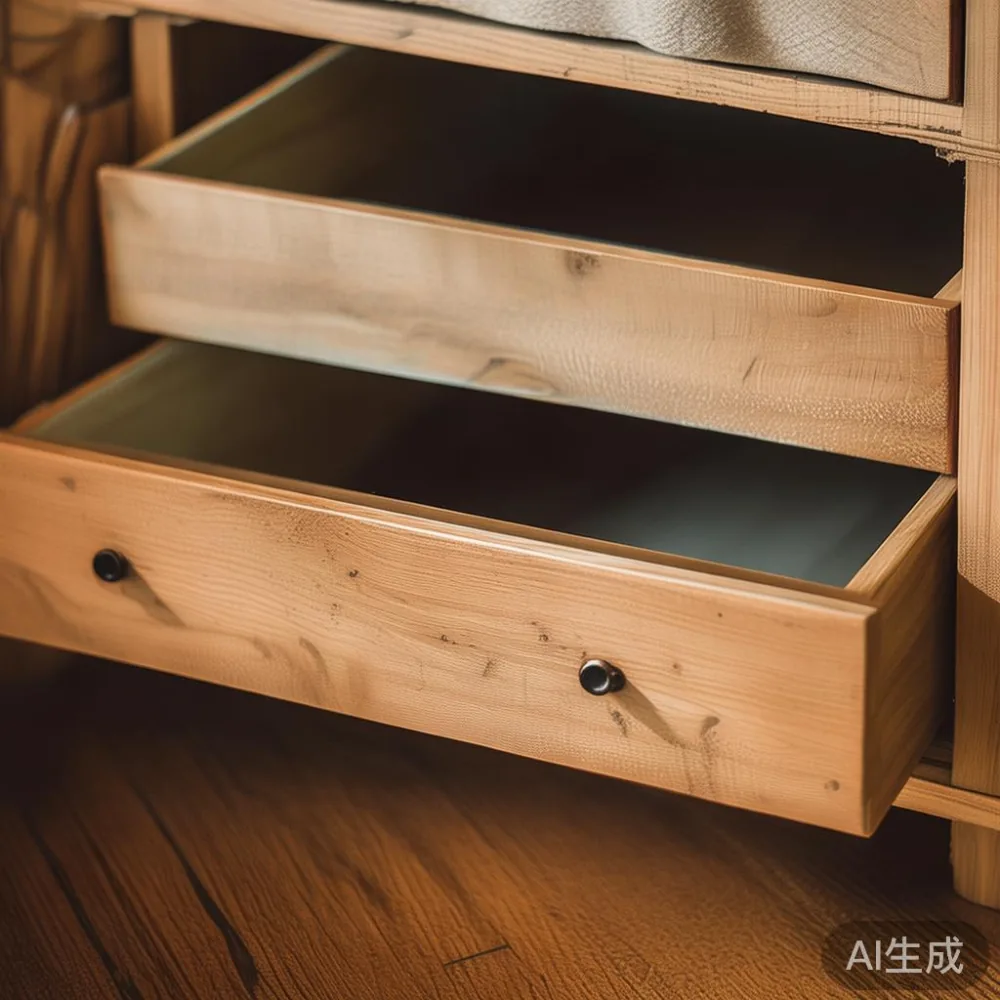
The fundamental distinction between a solid wood drawer and a veneer drawer lies in its construction. A solid wood drawer is crafted from a single, continuous piece of wood or solid wood panels. The drawer box, sides, and front are all made from the same material, giving it a substantial weight and a natural, tactile feel. This construction is inherently durable and can withstand significant stress. In contrast, a veneer drawer is typically made from a less expensive material like MDF (Medium-Density Fiberboard) or particleboard, which is then covered with a very thin slice of real wood, known as the veneer. This veneer provides the appearance of solid wood but lacks the same structural integrity. For a drawer organizer, the internal dividers and the main box structure are critical. A solid wood drawer organizer will maintain its shape under the weight of utensils or linens, whereas a veneer drawer organizer is more susceptible to sagging or delamination over time, especially in Singapore's humid climate.
The Initial Investment: A Singaporean Price Breakdown
Let's establish a baseline for our comparison. We will consider a standard 60cm wide by 40cm deep by 20cm tall drawer unit, a common size for a bedside nightstand or a kitchen cabinet drawer. We will also include the prevailing 9% Goods and Services Tax (GST) in our calculations to reflect the true cost of purchase in Singapore.

A typical veneer drawer unit from a local furniture store might be priced at SGD 450 before GST. Adding 9% GST brings the total initial cost to SGD 490.50. This unit is lightweight, often flat-packed, and delivered within 3-5 business days. It fits easily through standard HDB lift widths of 110cm and corridor spaces.
A comparable solid wood drawer unit, made from a durable hardwood like oak or walnut, will have a higher price point. A quality piece might be listed at SGD 850 before GST. With the 9% GST applied, the initial investment is SGD 926.50. This drawer is heavier, approximately 12 kilograms compared to the veneer's 5 kilograms, and may require more careful handling during delivery. Delivery might take 7-10 days as it could be a custom or made-to-order piece. The physical presence of the solid wood drawer is immediately noticeable; its weight and solid construction convey a sense of quality that the lighter veneer unit cannot match. This difference in initial outlay is the most significant factor for many buyers, but it is only the beginning of the financial story.
Year 1-2: The Cost of Appearance and Function
During the first two years, both drawer types will likely perform their primary function adequately. However, the differences begin to emerge, particularly in a Singaporean context. The high humidity, averaging around 80%, can be a silent enemy of furniture. A veneer drawer's thin wood layer is more susceptible to moisture absorption. This can lead to subtle but irreversible changes. The veneer might start to lift at the edges, a process called delamination, creating an uneven, bubbled surface. Small scratches from daily use, like a key catching on the edge, are more likely to damage the veneer, exposing the MDF underneath, which is not repairable in the same way as solid wood.
Maintenance costs start to appear here. For the veneer drawer, a simple scratch might require a specialized touch-up pen or a clear furniture marker to hide the damage, costing an additional SGD 20-30. The solid wood drawer, however, tells a different story. A minor scratch on solid oak can often be buffed out with a soft cloth and a bit of wood oil. A colleague of mine, who lives in a Bedok HDB flat, recently bought a solid wood nightstand. Last month, she accidentally scuffed the drawer front while moving a heavy lamp. Instead of panicking, she simply used a walnut oil polish she already owned, and the mark was gone in minutes. The drawer looked as good as new, with no permanent damage. This inherent repairability saves money and preserves the furniture's appearance without the need for costly professional intervention.
Year 3-4: The Tipping Point of Durability
By the third year, the initial charm of the veneer drawer may have faded. The daily opening and closing of the drawer, combined with the weight of its contents, puts a continuous strain on the structure. Veneer drawer boxes are often joined with staples or glue, which can weaken over time. You might notice the sides beginning to bow slightly or the drawer starting to stick in the frame. This is a common point of failure. The drawer organizer compartments, if present, may also become detached or warp, compromising the entire system's functionality. Repairing this level of structural damage is often impractical and costly, sometimes approaching the price of a new, cheap unit.
The solid wood drawer, on the other hand, continues to perform reliably. The natural strength of the wood allows it to maintain its structural integrity. The joints, often dovetailed or mortise-and-tenon, are exceptionally strong and designed to last for decades. The drawer will continue to glide smoothly, and its internal structure will remain true. The only maintenance required at this stage might be an occasional application of a high-quality furniture wax or polish to maintain the wood's lustre and protect it from the environment. This simple upkeep costs about SGD 40 for a good quality tin of wax that can last for years. The drawer looks better with age, developing a rich patina that adds character to the piece.
Is a Solid Wood Drawer Organizer Really Worth the Extra Money?
This is the question every Singaporean homeowner asks when faced with the price difference. The answer lies not in the initial cost, but in the total cost of ownership over a 5-year period. Let's break down the numbers. The veneer drawer had an initial cost of SGD 490.50. By year 3, it might need a repair for delamination or a sticking drawer, costing SGD 80 for a handyman visit. By year 5, the structure is likely failing, and the drawer needs to be replaced entirely. A replacement veneer drawer costs another SGD 490.50. The 5-year total cost is SGD 490.50 + SGD 80 + SGD 490.50 = SGD 1,061.00.
Now, let's look at the solid wood drawer. Its initial cost was SGD 926.50. Over 5 years, the owner might spend SGD 40 on wood polish and another SGD 20 on touch-up oil for minor scuffs. The drawer is still in excellent, functional condition. There is no need for replacement. The 5-year total cost is SGD 926.50 + SGD 40 + SGD 20 = SGD 986.50. After five years, the solid wood option has proven to be the more economical choice, even before considering the inconvenience and environmental impact of replacing a piece of furniture. For a household that values a light luxury aesthetic, such as the understated elegance of French light luxury, a solid wood drawer's enduring beauty is an asset that a veneer piece simply cannot replicate.
The Hidden Costs of Replacement and Disposal
When a veneer drawer fails and needs to be replaced, the costs extend far beyond the purchase price of the new unit. There is the logistical hassle of arranging for disposal. In Singapore, throwing out a bulky item like a drawer requires booking a bulky item collection with the town council, which can take several days to schedule. Alternatively, hiring a private disposal service can cost SGD 50 or more. Then there is the cost of delivering and installing the new drawer, which might be another SGD 30-50 if not included in the purchase price. These hidden costs can easily add another SGD 100 to the replacement bill, bringing the total 5-year cost for the veneer drawer to over SGD 1,161.
These are costs the solid wood drawer owner never incurs. The piece remains in service, eliminating the hassle and expense of disposal and re-purchase. This is particularly relevant for Singaporeans living in condos in Punggol, where managing bulky item disposal is a recurring concern. The longevity of solid wood furniture aligns perfectly with the modern desire for sustainable and practical consumption. The drawer organizer in a solid wood chest, for example, will remain perfectly functional for years, ensuring that the storage solution itself does not become a disposable commodity. This long-term reliability is a cornerstone of the value proposition for a brand like MIDHILL, which has built its reputation on craftsmanship and durability since 2008.
Making the Right Choice for Your Singaporean Home
The choice between veneer and solid wood for a drawer is a personal one, but it should be an informed one. For a temporary rental or a student hostel where furniture is likely to be moved or replaced frequently, a veneer drawer might be a pragmatic, short-term solution. However, for anyone creating a long-term home, whether it's a permanent HDB flat or a condo they plan to live in for many years, the case for solid wood is compelling.
Solid wood furniture offers a sense of permanence and quality that resonates with the Singaporean ethos of building a home. It is an investment in daily comfort and peace of mind. The tactile experience of solid wood, its warm texture and substantial feel, contributes to a living environment that feels more curated and personal. When you pair a solid wood nightstand with a MIDHILL dining table or a light grey luxury sofa, you create a cohesive and harmonious interior design. The principles of light luxury bed vs Modern bed design often emphasize natural materials and clean lines, a philosophy that solid wood embodies perfectly. A solid wood drawer is not just a storage box; it is a piece of functional art that ages gracefully, becoming a part of the home's story. For those seeking wholesale light luxury furniture or a best European sofa for 2026, the underlying quality and craftsmanship of the supporting pieces, like drawers, are just as important as the main items themselves. Ultimately, the drawer organizer that remains functional and beautiful for a decade is the one that offers the greatest value, proving that sometimes, the most expensive option is the most economical in the long run.
Conclusion: A Drawer That Lasts a Lifetime
The 5-year comparison reveals a clear financial advantage for solid wood when all factors are considered. While the initial price is higher, the total cost of ownership—factoring in repairs, replacements, and disposal—is significantly lower. But the value of a solid wood drawer transcends mere economics. It is about the daily experience of using a well-made object. It is about the satisfaction of knowing your furniture is built to last, just like the homes in Singapore are built to endure. It is about making a choice that aligns with a sustainable and thoughtful approach to consumption. When you choose a solid wood drawer, you are not just buying a piece of furniture; you are investing in a future where your home continues to feel like a sanctuary, one reliable, beautiful drawer at a time.