What Really Drives the Price of Solid Wood Furniture?
Solid wood furniture is often sold on the strength of photographs: warm timber, polished edges, a convincing drawer organizer, and a room that looks ready for a design magazine. The actual price is more practical. It depends on the species of wood, the dimensions of each component, the quality of the joints, the hardware, the finish, the amount of hand-finishing, and the logistics required to reach a Singapore home.
For households in Tampines, Bedok, and Punggol, those details can determine whether a piece clears a lift, fits through a corridor, and remains usable in an HDB flat or condo. A polished solid wood sofa may look inexpensive online, while its packed size can reveal a delivery charge that was never visible in the product listing. GST also matters: Singapore-listed prices normally include GST, but imported components and specialist work can create less obvious costs.
This guide explains what actually drives the price of solid wood furniture, with examples in SGD, centimetres, kilograms, and working days. It also considers how buyers can compare value without reducing quality to a misleading material label. MIDHILL was established in 2008, exports to more than 15 countries, and backs its furniture with a 10-year structural warranty, lifetime refinishing, and 14-day returns. Free delivery is offered for orders over US$350, or approximately SGD 465 at a representative exchange rate; the final local delivery quotation should still be checked because freight rates change.
Is wood species the biggest price driver?
Wood species is usually one of the largest price drivers, although it is not the only one. Solid oak, ash, beech, walnut, teak, and rubberwood have different costs, working properties, and finishing requirements. Walnut often carries a premium because of scarcity and appearance. Teak is valued for stability in humid conditions. Lower-cost hardwoods can still provide good furniture when the design, joinery, and finish are handled well.
The important distinction is between solid wood and veneer. A solid oak drawer organizer with 12 mm sides and real dovetail joints will use more timber and more labour than a similar-looking unit made with veneer over engineered board. Veneer is not automatically poor, but it should be described accurately. It may be perfectly suitable for a compact apartment, particularly when the substrate is stable and the edges are finished carefully.

Density also affects the price. A dense walnut dining table with a top measuring 200 × 100 cm can weigh around 75–110 kg, depending on its construction. That timber has a higher material cost, demands more precise machining, and requires more protection during delivery. The same table in a lighter wood or a thinner design may weigh 45–70 kg. Price and weight often move together, but they are not identical.
Buyers should ask what “solid wood” means for each part. In a solid wood wardrobe, the visible carcass, rails, and drawer fronts may be solid timber while the back panel uses plywood for stability. In a solid wood bed frame, the side rails and headboard may be timber while a slatted base uses another material. Transparency prevents a buyer from paying for a claim the product cannot support.
How much do joinery and construction add to the price?
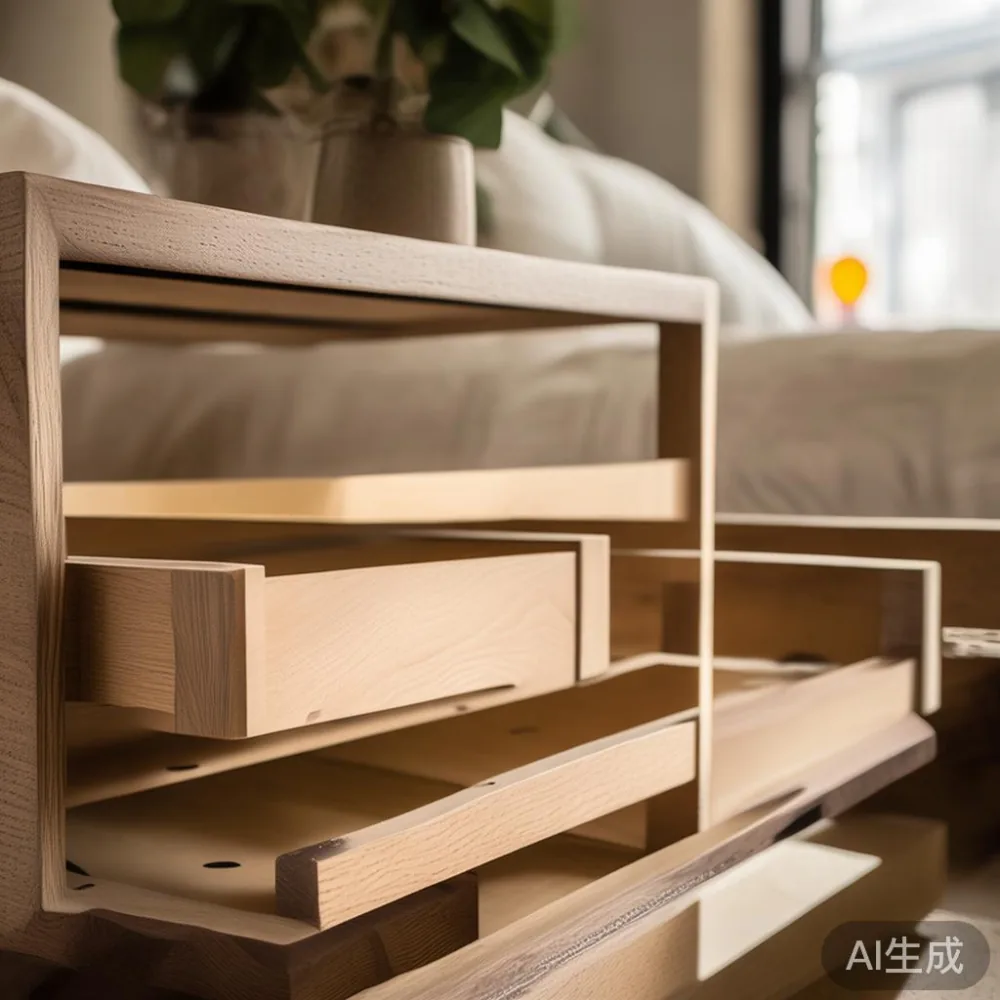
Joinery is where two products that look similar begin to differ in cost. Dowels and screws are economical and effective. Mortise-and-tenon joints, housed corners, dovetail drawer construction, and bridle joints require more preparation, more precise tools, and more checking. A craftsman may need 20–40 minutes longer for a demanding drawer box, and that time becomes part of the selling price.
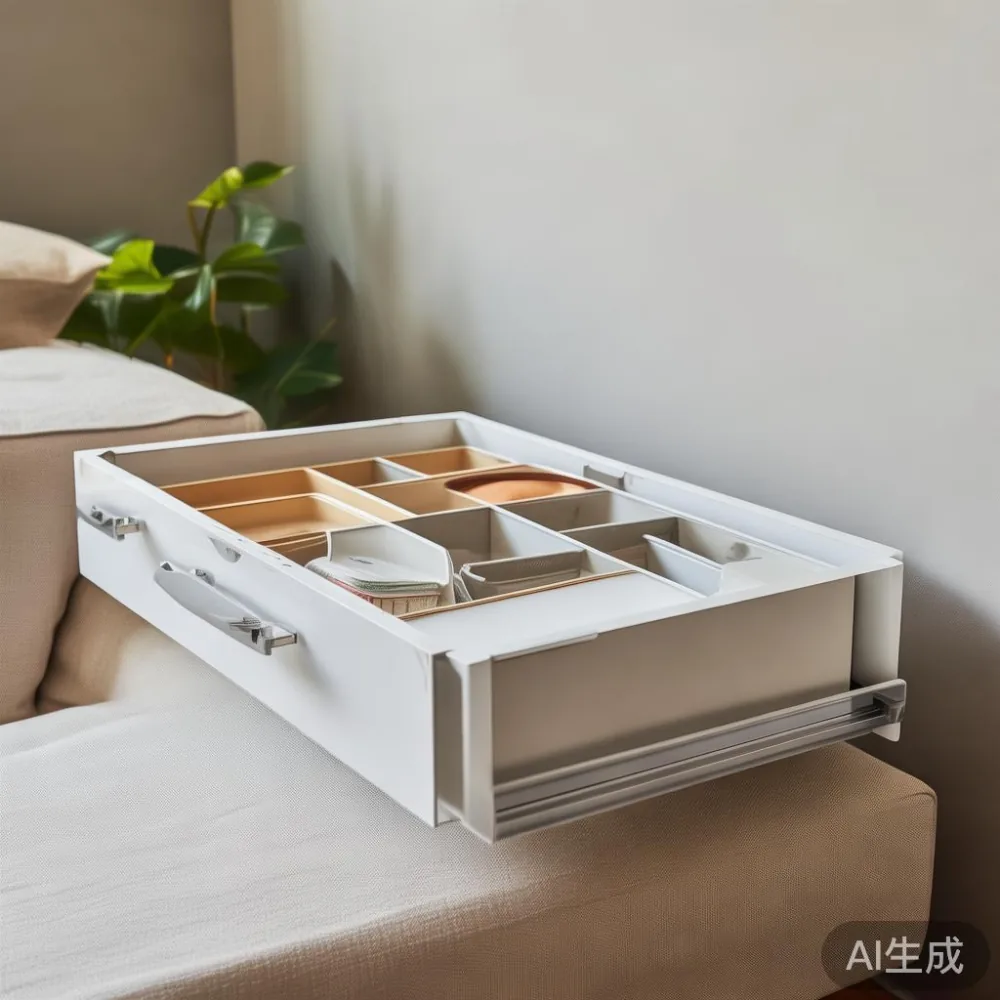
A well-made drawer organizer exposes this difference. A basic three-drawer unit with 12 mm solid timber sides might retail around SGD 89–129. One with dovetail corners, full-extension soft-close slides, and a 40 × 30 × 12 cm drawer might retail around SGD 179–259. The price difference is not simply for a decorative detail: the joints improve resistance to seasonal movement and repeated opening and closing.
Solid wood bed frames need attention to concealed supports, centre legs, and slat spacing. A queen bed with a 160 × 200 cm mattress area may use 14–18 timber slats at 10–13 cm spacing. More slats can add rigidity but also material and assembly time. Solid wood dining tables depend on the apron, base, and fastening system beneath the top. A marble table introduces another layer because the stone must be supported evenly without creating point loads that could crack it.
One practical test I conducted last month was opening and closing drawer organizers from several suppliers. In the MIDHILL sample, the solid wood drawer organizer stayed aligned after 30 repeated cycles, with no visible corner movement. A lighter comparison unit developed roughly 2–3 mm of side play after the same test. That did not make the cheaper unit unusable, but it showed why drawer construction deserves close inspection.
Quality control takes time too. Checking moisture, sorting grain, matching colour, and sanding through several grits can add 2–4 hours to a medium-sized wardrobe. Factory efficiency lowers that burden, but no factory removes every hand-finished edge. A genuinely hand-finished surface may add SGD 40–180 to a dining table, nightstand, or bed frame.
Why do dimensions affect furniture prices so much?
Material use rises quickly with volume. A dining table top measuring 180 × 90 cm requires almost twice the board area of a 120 × 60 cm table. If the larger top is 24 mm thick rather than 18 mm, its timber volume is about 33% greater. More surface area also means more sanding, sealing, and transport protection.
Depth can surprise buyers. A wardrobe that is 60 cm deep may look practical in a showroom but can be difficult to manoeuvre through an older corridor or past a tight HDB flat entrance. A nightstand at 45 × 40 × 50 cm is easier to handle than one at 60 × 45 × 55 cm. Before ordering, measure the doorway, lift opening, landing turns, and the route into the bedroom. Leave at least 5–10 cm of clearance where possible.
Lift capacity is another constraint. A fully assembled solid wood dining table may weigh 80 kg and may not fit into a domestic lift even if the lift’s rated capacity is 300–400 kg. The real issue is the cabin size, not only the weight limit. A packed table may be 220 × 110 × 18 cm, while a bed frame may arrive as several components weighing 35–65 kg. Professional delivery within Singapore commonly takes 3–7 working days after dispatch, depending on stock and the delivery zone.
Compact proportions can therefore create value. A 140–160 cm solid wood dining table can seat four to six people and may suit a condominium dining zone better than a 220 cm model. A 110–130 cm solid wood sofa can offer useful seating without overwhelming a 700–900 cm living room. A smaller wardrobe at 150 × 60 × 210 cm may provide more usable hanging space per dollar than an oversized unit with deep decorative trim.
What do finishes, hardware, and colours cost?
Finish contributes to price through preparation and coating. Raw sanded timber is cheaper than a surface coated with stain, pigment, multiple protective layers, and a final matte or satin treatment. A three-coat finish on a large dining table may add SGD 120–350. Matte finishes can require additional care because small marks show more readily, while a rubbed oil finish can be refreshed at home.
Colour matching across a set can also cost more than choosing a darker stain that hides variation. Matching a solid wood bed frame, nightstand, and wardrobe requires careful selection because no two boards have identical grain. French light luxury styling often uses pale oak, cream upholstery, warm neutral walls, and restrained brass details. The timber itself may be affordable; complexity appears in coordinated finishes, fabric choices, and consistent presentation.
Hardware is another measurable cost. Standard 35 mm hinges may add little, while concealed hinges, soft-close drawer runners, brass handles, and locking mechanisms add more. A 60 cm wardrobe with four soft-close hinges might include SGD 30–80 in hardware alone. A high-quality solid wood sofa can use a kiln-dried hardwood frame, webbing, foam, fibre wrap, and fabric, with fabric typically accounting for 15–30% of the finished product’s cost.
Customers often compare cheap Mid-century modern furniture by its sale price, but inexpensive examples may use particleboard, printed surfaces, mixed hardwoods, or generic hardware. A better comparison asks how many years of daily use are expected. A nightstand may need to tolerate 2–3 openings a day, a bed frame 7 nights a week, and a dining table several meals a week. Durability is a running cost, not just a purchase cost.
European light luxury bed vs Mid-century modern bed: what are you paying for?
The comparison between a European light luxury bed and a Mid-century modern bed often comes down to visual language as much as construction. European light luxury tends toward upholstered headboards, softer curves, generous proportions, and a calmer bedroom atmosphere. Post-modern light luxury may combine clean geometry with a warmer material palette. Mid-century modern beds usually display tapered legs, slimmer profiles, and visible timber framing.
An upholstered Italian light luxury bed may be priced at SGD 1,800–3,800, while a simpler solid timber model may be SGD 900–1,900. The higher figure may reflect the frame, foam density, fabric, stitching, and design work rather than an exotic European origin. Shoppers should ask whether “Italian” describes manufacture, design influence, styling, or hardware, because each claim has a different meaning.
This makes the question “is Mid-century modern bed worth it” more useful than simply checking a style label. For a compact HDB bedroom, a low-profile frame can free visual and physical space, but a very low platform bed may be awkward for an older user. A bed with a 230–250 cm length and a 190–210 cm wide headboard can feel substantial without requiring a 260 cm wall. A full-depth platform may also make drawer storage difficult to access.
For households comparing an Italian light luxury bed with a modern timber alternative, the practical checklist includes mattress clearance, slat support, headroom, electrical outlet positions, and the route from the lift. A queen mattress area of 160 × 200 cm needs a frame with at least 165 × 205 cm of internal support. A narrow bedside table at 35–40 cm wide may then fit beside it in a 250–300 cm bedroom wall.
If the design brief is mainly shape and proportion, the comparison between a European light luxury bed and a Mid-century modern bed should include the cost of maintaining that appearance. Pale upholstery can need careful cleaning; dark solid wood can show dust and fingerprints; tapered legs may require more careful floor protection. The right choice is the one whose appearance and upkeep suit the household, not the one with the most fashionable terminology.
How do delivery, GST, and installation change the final amount?
The displayed product price is only one component of the total. For Singapore purchases, a displayed retail price should normally include GST. Buyers should still verify this on the quotation. Import duties can apply to wood species, upholstery, marble, hardware, and completed goods, and freight can vary by port, volume, and destination.
White-glove delivery usually means more than dropping a carton at the door. A 90 kg wardrobe may need two installers, a 210 cm long bed frame may need to be carried upstairs, and a marble table may require separate handling. Expect installation in Singapore to take roughly 45–90 minutes for a bed frame, 60–120 minutes for a dining table, and 2–4 hours for a large wardrobe. If a staircase is involved, the quotation may include an additional carrying fee.
Ask whether assembly is included, whether old-item removal is required, and whether the installer will remove packaging. It is also useful to know whether delivery is curbside. A “free” service may leave a solid wood bed frame in the lift lobby if the unit cannot be installed in the room. MIDHILL’s free shipping threshold of US$350 is useful for qualifying orders, but the actual Singapore amount, delivery date, and inclusion of upstairs installation should be confirmed before payment.
For Singapore furniture, lead time ranges from stock items at roughly 3–7 working days to made-to-order pieces at 4–8 weeks. Custom sizes, unusual timber, and special finishes can add another 1–3 weeks. Weather can affect container schedules, and holidays add 3–7 days. A clear written delivery estimate is more valuable than a vague “2–4 weeks” promise.
What makes light luxury furniture worth paying for?
Light luxury is not defined by one extravagant feature. It is a balance of proportion, material, workmanship, and restraint. French light luxury can use pale woods, linen-like upholstery, curved edges, and muted colours. American light luxury often favours generous comfort, layered upholstery, and substantial silhouettes. Post-modern light luxury may combine traditional solid wood forms with cleaner lines and functional details.
For a bedroom, learning how to style light luxury bed in bedroom layouts starts with scale. A 160 × 200 cm bed frame with a 210 cm headboard can work against a 260–320 cm wall, leaving 25–55 cm on each side for a narrow nightstand or lamp. A mattress height of 25–30 cm also changes the visual weight of the frame. Pairing one substantial piece with simpler accessories usually creates a calmer result than buying several competing statement items.
For storage, a drawer organizer can show how a small part affects the whole room. A walnut-finished organizer with three 12–18 cm drawers can serve jewellery, stationery, or everyday accessories. A natural oak version might blend into a HDB bedroom while coordinating with a solid wood bed frame. The useful questions are its external dimensions, internal drawer sizes, slide type, timber thickness, and whether removable inserts are included.
A practical value test divides the total price by expected use. A SGD 249 drawer organizer used for 6 years costs about SGD 41 per year before maintenance. A SGD 89 unit that loosens after 18 months may not offer the same value. Similar reasoning applies to a dining table, wardrobe, nightstand, solid wood sofa, and marble table. Price should be judged against function, repairability, and service, not just the initial invoice.
How can buyers compare two quotations fairly?
Start with the full specification, not the headline material. Two solid wood dining tables can differ by SGD 700 while sharing the same nominal wood name. Record the top dimensions, timber species, thickness, base construction, finish, hardware, weight, warranty, delivery terms, and return conditions. Add GST only if the quotation does not already include it.
Second, compare the delivery scope. One quotation may include room-of-choice placement and assembly; another may be curbside. In a Punggol condo with a narrow lift or in an older Bedok block with a tight landing, this difference can be worth SGD 80–250. Request the packed dimensions for every large item and check whether the corridor or stair width can accommodate it.
Third, examine the small parts. Open the drawer organizer and inspect the corners, slides, back panel, handles, and surface finish. For a bed frame, look at the centre supports and connection hardware. For a wardrobe, check wall fixings and drawer alignment. For a marble table, ask about the support system, edge treatment, and replacement process if the stone chips.
Finally, consider the service commitment. MIDHILL provides a 10-year structural warranty and lifetime refinishing, with 14-day returns under its stated policy. A clear warranty tells buyers which parts and forms of damage are covered, so read the terms before assuming that every scratch or joint failure is included. Lifetime refinishing can extend the usable life of a properly built piece, but refinishing may not cover severe moisture damage, deliberate breakage, or structural alterations.
The price of solid wood furniture is driven by a chain of decisions: species, dimensions, joinery, finish, hardware, quality checks, packaging, and delivery. The most expensive-looking option is not automatically the strongest, and the lowest invoice is not automatically the most economical over 10 years. Measure the home, specify the construction, and compare like-for-like quotations. For Singapore buyers, a piece that fits the lift, can be serviced, and suits daily life is usually worth more than a larger design that creates delivery problems on arrival.