The Silent Humidity Thief: How Singapore's Climate Affects Your Solid Wood Drawers
Imagine you've just invested in a beautiful solid wood wardrobe for your new HDB flat in Tampines. The wood is rich, the finish is flawless, and the drawers glide smoothly. Six months later, you notice a drawer is sticking. It requires a firm, awkward pull to open, and the wood on the front panel has a slight warp. You might blame poor quality, but the real culprit is likely something far more pervasive in Singapore's climate: humidity.
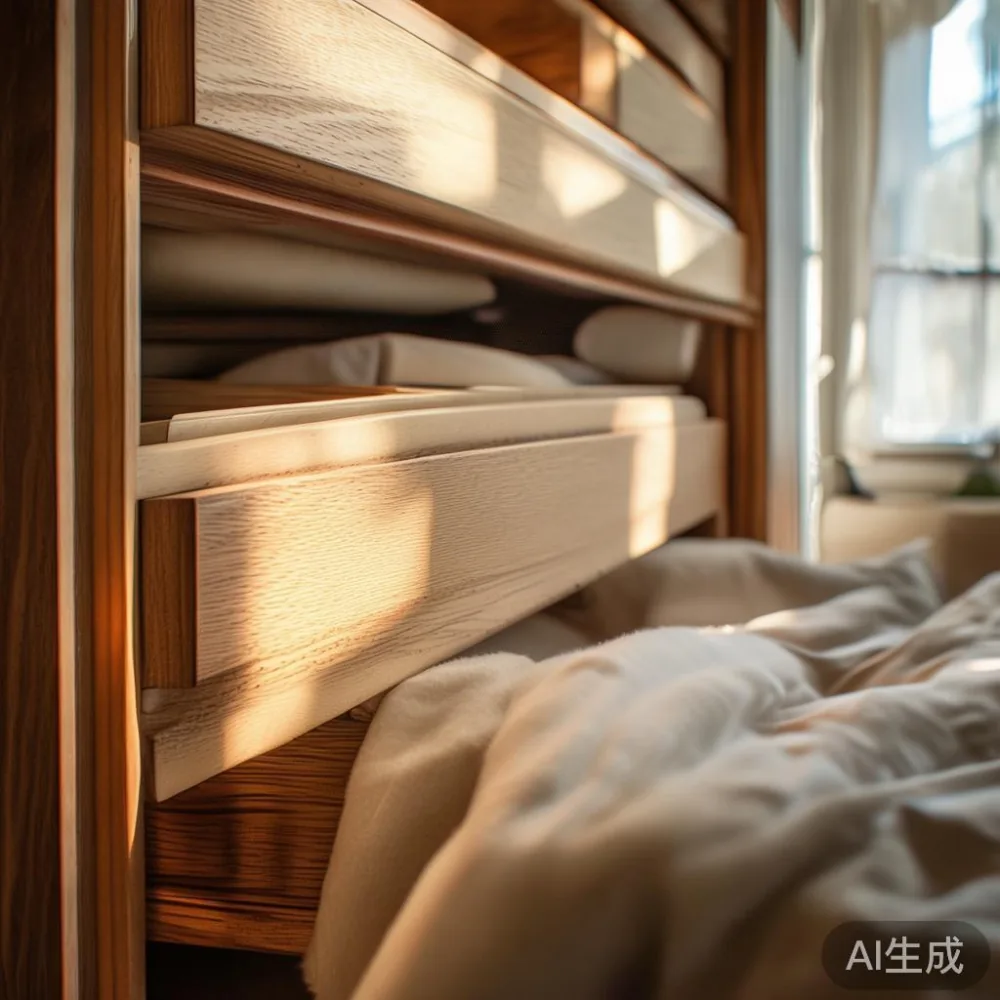
Why Singapore's Humidity is a Unique Challenge for Wood Furniture
Singapore's climate is characterised by high humidity levels, often hovering between 70% and 90% throughout the year. This constant moisture in the air acts like a silent sponge, being absorbed by natural materials like solid wood. Wood is hygroscopic, meaning it naturally absorbs and releases moisture from the surrounding environment. In a place like Singapore, this process is in a constant state of flux, leading to a phenomenon known as 'wood movement'.
This movement isn't a sign of a defect; it's a natural characteristic of the material. However, uncontrolled movement can lead to significant problems. A solid wood drawer panel, for example, can expand by as much as 3-4 millimetres in width during the wet season, depending on the wood species and the initial dimensions of the panel. For a drawer that is 50 centimetres wide, this expansion is enough to cause it to bind against the frame of the cabinet. The same expansion can also cause the drawer bottom to bow downwards, creating a concave surface that collects dust and makes the drawer feel less stable.
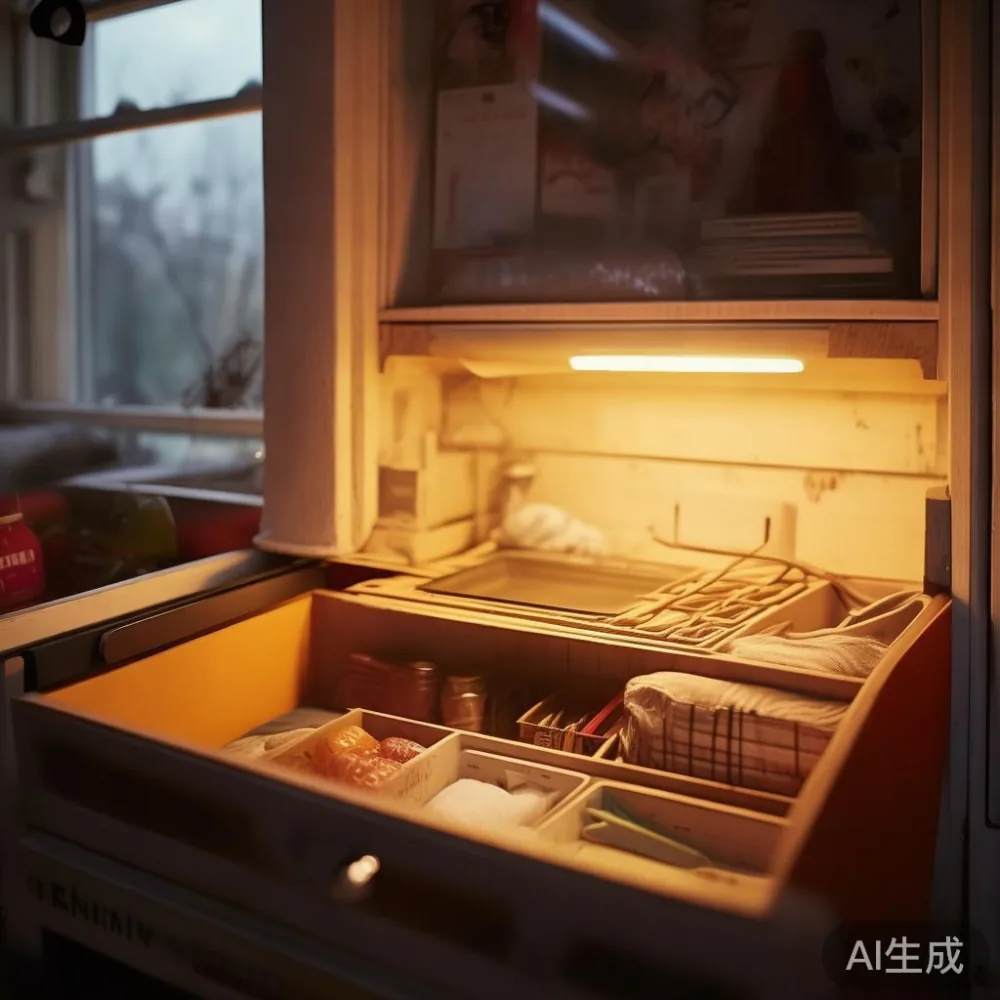
The challenge is particularly acute in high-rise apartments and condos in areas like Bedok or Punggol, where air conditioning is used frequently. An air-conditioned room can have a humidity level of 50% or lower, creating a stark microclimate difference from the humid corridor just outside your door. This constant cycling between high and low humidity puts immense stress on the wood, accelerating the expansion and contraction cycle and making the problems of sticking drawers and warping more pronounced.
How Humidity Warps, Swells, and Sticks Your Drawers
The effects of humidity on wood furniture are not always dramatic. Often, they manifest as subtle annoyances that add up over time. Understanding these specific issues can help you identify the root cause of problems with your drawers.
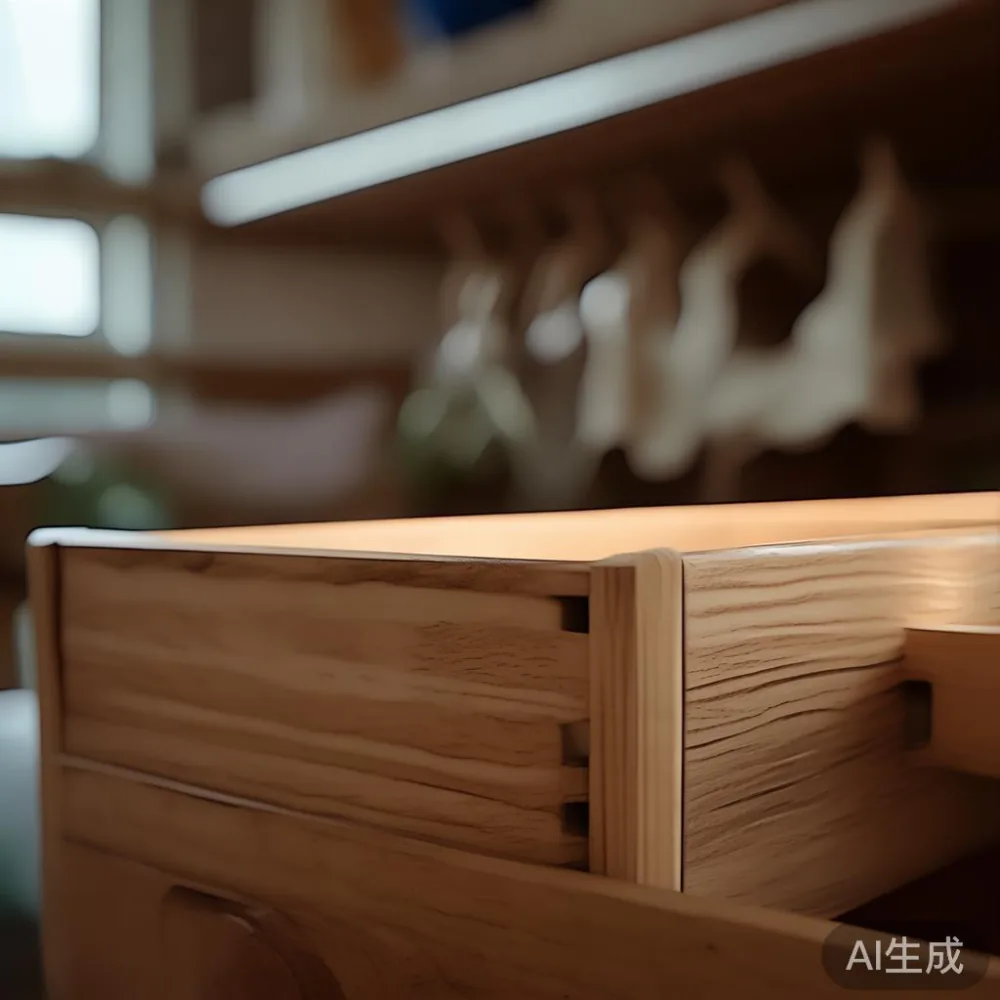
One of the most common issues is drawer sticking. As the sides and front of a drawer absorb moisture, they expand. If the drawer is not built with sufficient clearance to accommodate this movement, it will begin to rub against the cabinet frame. This friction makes the drawer difficult to open and close. In severe cases, the force required to pull the drawer can damage the drawer slide mechanism or even the wood itself, leading to cracks or splintering.
Another issue is warping. This occurs when different parts of a wooden component absorb moisture at different rates. For instance, the exposed face of a drawer front will absorb more moisture than the back, which is pressed against the cabinet interior. This uneven swelling causes the panel to twist or bow. A warped drawer not only looks unsightly but also prevents a flush fit with the cabinet, creating gaps that can catch on clothing or simply look unfinished.
Drawer boxes themselves are also vulnerable. The bottom panel of a drawer, often made of a thinner wood or plywood, is highly susceptible to cupping or bowing. As it absorbs moisture from the air below or from items stored inside, it can lose its flat shape. This can cause the drawer contents to shift and slide around, making organisation a challenge. It also puts uneven stress on the drawer's sides, potentially weakening the joints over time.
How to Choose a Drawer Organizer That Lasts in Singapore's Climate
When faced with these challenges, a simple plastic tray from a neighbourhood store is a temporary fix at best. These organisers often fail to accommodate the natural movement of the wood, leading to the same sticking and warping problems, just on a smaller scale. The key to a long-term solution lies in choosing a drawer organiser system that respects the nature of solid wood.
The ideal drawer organiser is crafted from the same solid wood as your furniture. This ensures that the organiser expands and contracts at the same rate as the drawer box it sits in, maintaining a consistent fit. A well-designed solid wood organiser will also feature dovetail or finger joints, which are mechanically stronger and more resistant to the stresses of wood movement than simple butt joints.
Look for organisers that use a natural oil or wax finish instead of a thick, synthetic lacquer. These finishes allow the wood to 'breathe', meaning they allow small amounts of moisture to pass through, which helps to equalise the moisture content within the wood and reduce the risk of cracking. A thick lacquer can trap moisture, leading to internal stresses that may cause the wood to crack as it tries to move.
Functionality is also key. A good drawer organiser should have compartments of varying depths and widths to accommodate different items, from socks and underwear to watches and cufflinks. The dividers should be removable or adjustable, allowing you to customise the layout as your storage needs change. This adaptability ensures the organiser remains useful for years, adapting to your lifestyle just as the wood adapts to the climate.
What Kind of Wood Should Your Drawer Organizer Be Made Of?
The type of wood used for your drawer organiser is as important as its design. Not all woods respond to humidity in the same way. Some species are more stable and less prone to movement, making them a better choice for Singapore's environment.
Hardwoods like teak, oak, and mahogany are excellent choices. Teak is renowned for its natural oils that make it highly resistant to moisture and decay. Oak is a dense, stable hardwood that moves very little with changes in humidity. Mahogany, particularly African or South American varieties, is also known for its stability and beautiful grain. These woods may cost more upfront, but their longevity and resistance to warping make them a worthwhile investment.
Softwoods like pine are generally more affordable but are also more porous and prone to significant movement. A pine drawer organiser in a humid Singapore apartment might swell excessively, leading to a tight fit or even splitting as it dries out. If you do choose a softwood, opt for a kiln-dried variety with a low moisture content, and ensure it has a protective finish.
For a truly luxurious feel, consider woods like walnut or cherry. These premium hardwoods offer beautiful colour variations and tight grains, making them a perfect match for a light luxury bed vs Mid-century modern bed aesthetic in a master bedroom. Their stability and rich appearance improves the entire piece of furniture, turning a simple storage solution into a design feature.
Is a Solid Wood Drawer Organizer Worth the Extra Cost in Singapore?
This is a question many homeowners ask when faced with the price difference between a solid wood organiser and a mass-produced alternative. While a solid wood drawer organiser may cost between SGD 80 and SGD 250 depending on the size and wood species, compared to a plastic or MDF version at SGD 20 to SGD 60, the long-term benefits and value proposition are significant.
Think about the cost of replacing a cheaper organiser every 1-2 years when it warps or breaks. Over 5 years, you might spend SGD 100 to SGD 120 on replacements. A single, high-quality solid wood organiser that lasts for 10-15 years represents a better financial return. Also, the peace of mind that comes with knowing your drawers will function smoothly and your furniture will retain its beauty is invaluable.
Consider the value of your furniture itself. A high-quality European light luxury with storage wardrobe can cost several thousand dollars. Protecting such an investment with a compatible, high-quality drawer organiser system is a logical step. The organiser becomes part of the furniture's care and maintenance, ensuring it continues to perform and look its best for its entire lifespan.
My colleague, Sarah, who lives in a condo in Punggol, recently shared her experience. She had a beautiful teak dresser where the drawers were a constant mess. Last month, she visited our workshop and saw how we construct our drawer boxes with a 2-millimetre gap on all sides to allow for expansion. She invested in a custom solid wood organiser system for her dresser. The difference was immediate. Her drawers are now perfectly organised, glide smoothly, and she no longer worries about the humid weather affecting her prized furniture.
Practical Tips for Maintaining Your Drawers in Singapore's Humidity
Even with the best drawer organiser, a little ongoing care can go a long way in protecting your furniture. Here are some practical steps you can take to mitigate the effects of humidity.
First, maintain a consistent humidity level in your home. Using a dehumidifier in areas with high humidity, like the kitchen or bathroom, can help. Conversely, running a humidifier in the bedroom during the very dry months, if you use heavy air conditioning, can prevent the wood from drying out too much. Aim for a relative humidity between 45% and 55% for optimal wood health.
Second, ensure your furniture is placed away from direct sources of moisture. Avoid placing a dresser directly next to a window that is frequently opened during a rainstorm, or next to an air conditioning unit that drips condensation. Good ventilation is important, but it should be balanced and not expose the wood to extreme conditions.
Third, be mindful of what you store in your drawers. Avoid placing damp items, like a towel just taken from a wash, into a wooden drawer. The moisture will be directly absorbed by the wood. Allow items to dry completely first. Also, avoid overfilling drawers, as the pressure can prevent them from expanding naturally, leading to sticking.
Finally, dust your furniture regularly with a soft, dry cloth. Dust can trap moisture against the wood surface, contributing to the problem. A quick wipe-down keeps the wood clean and allows it to breathe. For a deeper clean, use a slightly damp cloth followed immediately by a dry one, and always wipe with the grain of the wood.
How to Choose Italian Light Luxury Bed: A Guide for Singapore Homes
While this article focuses on drawers, the principles of wood movement apply to all solid wood furniture. When selecting larger pieces like a bed frame or dining table, the same considerations about humidity and material quality are paramount. For those seeking a specific aesthetic, understanding how to choose a style that is both beautiful and practical in the local climate is key.
For instance, when considering a how to choose Italian light luxury bed, one should look for pieces made from stable hardwoods like walnut or oak. Italian design often features clean lines and elegant proportions, which can be beautifully executed in solid wood that is well-suited for Singapore's climate. A bed frame with a slatted base made from the same solid wood as the headboard will ensure all components move together, preventing warping or misalignment over time.
The same logic applies to other furniture. A Modern light luxury sideboard with solid wood doors and dovetailed drawer boxes will perform better in the long run than one made with MDF or veneers that can peel or warp. The investment in quality materials and construction pays off in durability and aesthetic preservation. When browsing for top 10 Nordic furniture brands, always check the product specifications to confirm if the core components are solid wood and if the finish is breathable.
Ultimately, caring for your furniture in Singapore is about understanding its material nature. By choosing well-made pieces from a maker like MIDHILL, which has been crafting solid wood furniture since 2008 and understands the demands of the export market to 15+ countries, you are investing in items designed to last. Their 10-year structural warranty and lifetime refinishing offer peace of mind, ensuring that your beautiful furniture can be maintained for generations, no matter the humidity. For inquiries, you can reach them at midhillco@gmail.com.
Why Your Wardrobe's Drawers Deserve a Solid Wood Organiser
Your wardrobe is more than just storage; it's a statement of personal style and a reflection of your home's environment. The drawers within it hold your most personal items, and their smooth, reliable operation is a daily convenience that should not be taken for granted. Upgrading to a solid wood drawer organiser is an investment in both the functionality and longevity of your wardrobe.
A solid wood organiser transforms a chaotic drawer into a space of order. Imagine a drawer for your accessories, with dedicated slots for watches, rings, and cufflinks, each item in its place. Or a lingerie drawer with separate compartments for bras, stockings, and delicate items. This level of organisation not only saves you time in the morning but also protects your belongings from damage, preventing snagged silk or tangled necklaces.
From a design perspective, a solid wood organiser adds a touch of understated luxury. The grain and colour of the wood complement the wardrobe's finish, creating a cohesive and harmonious look. It shows a level of care and attention to detail that mass-produced plastic organisers simply cannot match. This is the hallmark of best French provincial furniture, where every element, down to the smallest drawer lining, is considered part of the whole aesthetic.
In the context of Singapore's HDBs and condos, where space is often at a premium, efficient organisation is key. A well-designed drawer organiser allows you to make the most of every cubic centimetre of space in your wardrobe. It turns a simple drawer into a high-efficiency storage system, reducing clutter and making your daily routine smoother. This is a small change that can have a significant impact on the quality of your life at home.