Beyond the Surface: What Actually Drives the Price of Solid Wood Furniture
Walking through a showroom, the price tags on solid wood furniture can seem arbitrary. A solid wood nightstand might cost SGD 800, while a marble table could be SGD 5,000. What makes one piece worth so much more than another? The answer lies in a complex web of factors, from the origin of the wood to the local realities of a Singapore HDB flat. As a specialist who has spent years examining these pieces, I can tell you that the price is not just for the object itself, but for the material, the labour, the design, and the journey it takes to reach your home. Last month, I visited a workshop in Foshan to see the process firsthand, and the level of detail involved was staggering. This article will break down those elements, providing a clear, numbered understanding of what you are truly paying for when you invest in solid wood furniture.

What is Solid Wood Furniture and Why Does It Command a Price?
At its core, solid wood furniture is constructed from genuine, solid lumber, as opposed to veneers (a thin layer of real wood over a cheaper base like MDF) or particleboard. This distinction is fundamental. Solid wood possesses a natural strength, a unique grain pattern, and the ability to be refinished multiple times, giving it a lifespan that can span generations. This inherent durability and timeless aesthetic are the foundation of its value. When you buy a solid wood bed frame or a wardrobe, you are not just purchasing a piece of furniture; you are acquiring an asset that can be passed down. The price reflects this longevity and the authentic materiality that cannot be replicated by synthetic alternatives. Unlike a simple plastic drawer organizer, a solid wood piece becomes a part of your home's story.
The Cost of Wood: The Foundation of Price
The single most significant factor influencing the price of solid wood furniture is the material itself—the wood. Not all wood is created equal. The cost is determined by the tree's growth rate, its rarity, and the geographical region it comes from. Hardwoods, which come from deciduous trees, are generally denser, more durable, and more expensive than softwoods, which come from coniferous trees.
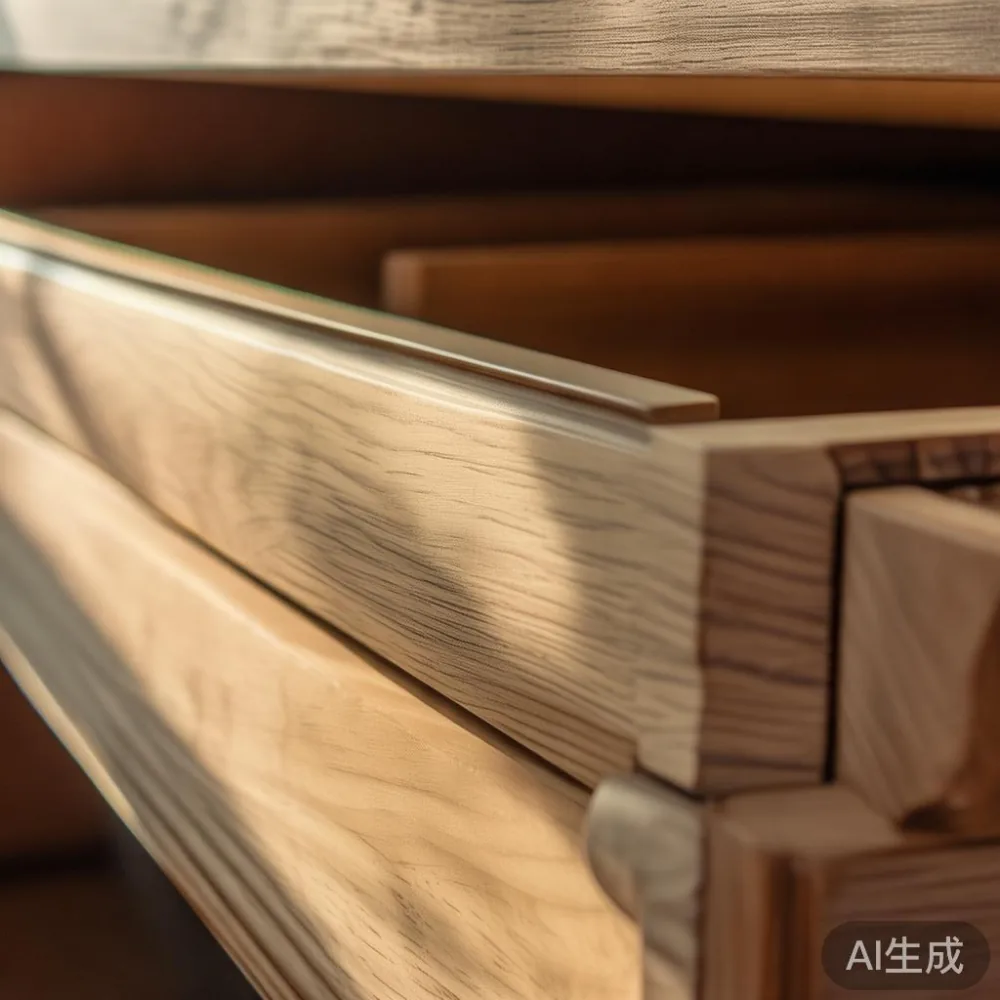
For example, teak is prized for its natural oils that make it highly resistant to moisture and insects, making it ideal for Singapore's humid climate. Oak, with its prominent grain and incredible strength, is a staple for dining tables and bed frames that need to withstand daily use. Mahogany, known for its rich, reddish-brown colour and fine, straight grain, often carries a premium for high-end pieces. On the other hand, pine is a softwood that grows quickly, making it a more affordable option, though it is more susceptible to dents and scratches.
To put this in perspective, here is a table comparing the approximate cost per cubic meter for common furniture woods:
| Wood Type | Characteristics | Approximate Cost per Cubic Meter (SGD) |
|---|---|---|
| Teak | Naturally water-resistant, durable, golden-brown colour. | 2,500 - 4,000 |
| White Oak | Very strong, prominent grain, light to medium brown. | 1,800 - 3,000 |
| Mahogany | Rich, reddish-brown colour, fine, straight grain. | 2,200 - 3,500 |
| Rubberwood | Sustainable, light-coloured, affordable, good for painted finishes. | 800 - 1,500 |
| Pine | Softwood, knots are common, light in colour and weight. | 600 - 1,200 |
A single dining table can require a significant volume of wood. A standard rectangular dining table measuring 180 cm by 90 cm with a thickness of 4 cm uses approximately 0.065 cubic meters of solid oak. At a cost of SGD 2,000 per cubic meter, the wood alone for that table would cost SGD 130. For a larger, more luxurious piece, the wood cost escalates quickly. This is why a solid oak dining table might be priced around SGD 2,500, while a similar-sized pine table could be closer to SGD 1,200. The material is the starting point from which all other costs are added.
Design and Craftsmanship: The Art and Labour Embedded in Every Piece
Once the wood is sourced, the price is further shaped by the design and the labour required to bring that design to life. This is where the difference between a mass-produced item and a well-crafted piece becomes clear. The complexity of the design, the skill of the artisans, and the time invested all contribute significantly to the final price tag.
Consider the construction of a solid wood sofa versus a simple nightstand. A sofa involves complex joinery to create a sturdy frame, precise cutting and shaping of curved arms, and the upholstery of cushions. A nightstand, while simpler, still requires careful mortise and tenon joints for the legs and drawer, and smooth, sanded edges. The more intricate the design, the more man-hours are required, and the higher the cost.
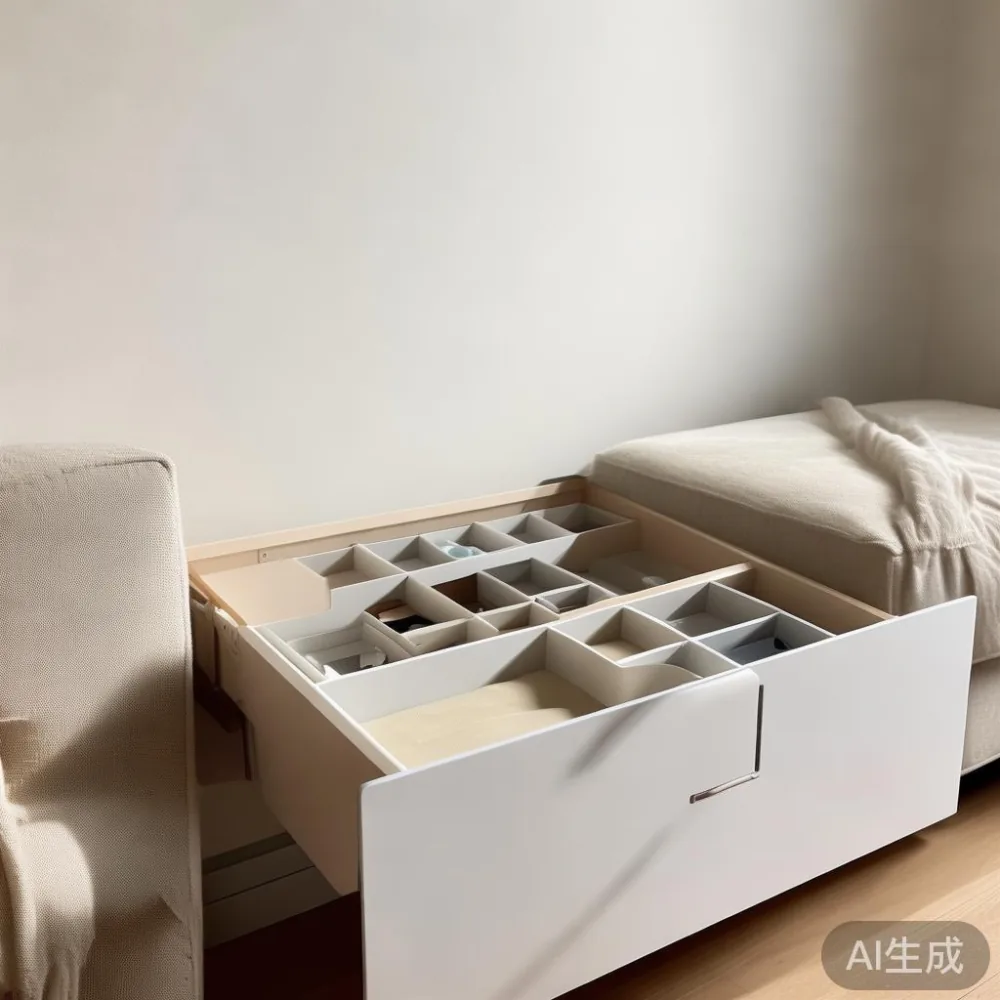
For instance, a minimalist, boxy nightstand might take a carpenter 3 hours to build. A nightstand with curved legs, a dovetailed drawer, and a hand-rubbed finish could take 8-10 hours. At an artisan rate of SGD 30 per hour, that's a difference of SGD 150 to SGD 300 in labour cost alone before the materials are even factored in. This is why a simple drawer organizer is cheap, but a solid wood nightstand with a built-in drawer organizer is a significant investment. The craftsmanship ensures that the piece is not just functional but also beautiful and durable.
How do Joinery and Finishing Affect the Long-Term Value of a Wardrobe?
The quality of joinery—the method used to connect pieces of wood—is a critical determinant of a furniture's lifespan and, consequently, its price. Cheap furniture often relies on staples, nails, or simple butt joints, which are prone to weakening over time. High-quality solid wood furniture, however, uses traditional joinery techniques that are incredibly strong and allow the wood to expand and contract with changes in humidity without breaking.
Common high-quality joinery methods include:
- Dovetail Joints: Recognizable by their interlocking, fan-shaped pins and tails, these joints are used in drawer boxes. They are exceptionally strong and prevent the drawer from pulling apart. A solid wood wardrobe with dovetail drawers is built to last a lifetime.
- Mortise and Tenon Joints: A tenon (a protruding piece of wood) fits precisely into a mortise (a cavity cut into another piece of wood). This joint is used for table legs, chair frames, and bed posts, providing immense stability.
- Dowel Joints: Wooden dowels are used to pin two pieces of wood together. While not as visually striking as dovetails, a well-executed dowel joint is very strong and a hallmark of good construction.
Equally important is the finishing process. A simple, machine-applied lacquer might look good initially but can chip and yellow over time. A high-end finish involves multiple steps of hand-sanding between coats of oil, wax, or varnish. This process creates a deep, lustrous finish that protects the wood and enhances its natural beauty. A colleague of mine who restores antique furniture says he can often tell the quality of a piece by its finish alone. A hand-rubbed finish on a solid wood wardrobe adds not just to its aesthetic appeal but also to its durability, justifying a higher price point.
Size, Scale, and the Singaporean Context of Space
The physical dimensions of a furniture piece directly correlate with its price. More wood means a higher material cost, and a larger piece requires more time to build. This is straightforward, but in Singapore, the context of space adds another layer of complexity. HDB flats and condos, especially in dense areas like Tampines, Bedok, and Punggol, often have limited living areas. This has created a market for furniture that is both functional and space-efficient.
A standard queen-sized bed frame in solid wood might measure 160 cm wide by 200 cm long and cost SGD 2,500. A king-sized bed, at 180 cm wide by 200 cm long, could cost SGD 3,500. The price difference reflects the extra 20 cm of width, which requires significantly more wood and a larger, more complex frame. However, in a Singaporean context, a king-sized bed might be too large for a standard bedroom. This has led to the popularity of more compact designs, such as platform beds with built-in storage or Murphy beds, which can command a premium due to their complex engineering.
Also, the logistics of delivery in Singapore are a tangible cost factor. Lifts in older HDB blocks and narrow corridors in some condos can make moving large furniture a challenge. Delivering a bulky item like a solid wood wardrobe or a marble table might require a specialized team, smaller vehicles, or even disassembly and reassembly. These services add to the final cost. For example, standard delivery might be included for purchases over SGD 350, but an oversized item that requires two men and a specific vehicle might incur an extra charge of SGD 80 to SGD 150. A buyer in a Punggol apartment with a narrow lift will face different logistics—and potentially different costs—than someone in a newer Bedok condo with a wider freight elevator.
Hidden Costs: Taxes, Logistics, and the Value of Service
Beyond the material and labour, several other factors contribute to the final price of solid wood furniture. One of the most unavoidable is tax. In Singapore, the Goods and Services Tax (GST) is currently 9%. This means that a piece of furniture listed at SGD 1,000 will have an additional SGD 90 added at checkout. This tax is applied across the board, but it can feel more significant on higher-priced items like a solid wood dining table or a marble table.
Logistics, as mentioned, are another hidden cost. The journey of a piece of furniture is long. A Foshan-based maker like MIDHILL, established in 2008, exports to over 15 countries. This involves international shipping, customs clearance, and local warehousing before the item even reaches a showroom or a customer's door. These costs are factored into the retail price. For a consumer in Singapore, the promise of free shipping over SGD 350 is a significant benefit, as it removes a potential financial hurdle and simplifies the purchase process.
Finally, the value of after-sales service should not be overlooked. A 10-year structural warranty is a powerful statement of confidence in a product's quality. It protects the consumer's investment for a decade, covering defects in the frame or joinery. Similarly, a lifetime refinishing service means that if the wood becomes scratched or worn over time, it can be restored to its original condition. This level of service is not cheap to provide, but it adds immense value, giving the buyer peace of mind. A 14-day return policy also mitigates the risk of purchase, allowing for a change of mind if the piece doesn't fit the space as expected. These services are part of the total value proposition, even if they aren't a line item on the price tag.
Understanding Market Positioning: From Italian Light Luxury to Mid-Century Modern
The price of furniture is also influenced by its brand positioning and the design trend it represents. A piece of furniture is not just an object; it's a style statement. This is why you see such a wide range of prices for items that might seem similar in function.
Take the concept of "light luxury." This design philosophy emphasizes clean lines, high-quality materials, and a sense of understated elegance. A nordic light luxury sofa might focus on minimalist form, natural fabrics like linen, and a light wood base, creating a serene and airy feel. In contrast, wholesale Italian light luxury furniture might feature more opulent details, such as polished brass accents, rich velvet upholstery, and大理石 (marble) tabletops, commanding a higher price for its more luxurious materials and craftsmanship. The aesthetic and the brand story behind it are part of what the consumer is paying for.
Similarly, a wholesale Mid-century modern furniture collection will have a distinct price point compared to a generic, contemporary line. Mid-century modern is a highly sought-after style known for its iconic shapes, use of tapered legs, and integration of organic forms. A Mid-century modern with storage sofa, for example, combines a retro aesthetic with modern functionality, appealing to a specific design-conscious market. The demand for this style allows manufacturers to price it at a premium. Understanding these trends helps explain why two solid wood bed frames, one in a simple Shaker style and another in a post-modern light luxury design, can have vastly different prices, even if they use the same type of wood.
Is a Japanese Wardrobe Worth the Investment Compared to a Standard Design?
When faced with a significant purchase, a common customer question is: is Japanese wardrobe worth it? The answer depends on what you value in a piece of furniture. A Japanese wardrobe is often characterized by its minimalist design, clean lines, and focus on functionality and craftsmanship. It typically features sliding doors (fusuma) instead of hinged ones, which saves space and creates a smooth, unbroken surface.
The price of a Japanese wardrobe might be higher than a standard wardrobe of similar dimensions. This is due to the specialized hardware for the sliding mechanism, the precise fitting required for the doors to glide smoothly, and the often superior joinery used throughout the piece. If you live in a Singapore HDB flat where every centimeter of space in the bedroom or corridor counts, the space-saving design of a Japanese wardrobe could be invaluable. The smooth, silent operation of the doors and the integrated aesthetic can also be a major draw for those who appreciate a calm, uncluttered environment.
On the other hand, a standard wardrobe might offer more hanging space or be more adaptable to different room layouts. The decision comes down to a trade-off between a higher initial cost for a specialized, space-efficient design and a lower cost for a more conventional, potentially more versatile piece. For someone in a compact Tampines apartment, the investment in a well-designed Japanese wardrobe might be entirely justified, while for someone with a larger bedroom in a Bedok condo, a standard wardrobe might suffice.
Practical Advice for Making an Informed Purchase
Working through the world of solid wood furniture can be daunting, but focusing on the key factors discussed can help you make a wise investment. Here are some practical steps to take:
- Define Your Needs and Space: Before you even start shopping, measure your space. Know the exact width, height, and depth of the area where the furniture will go. Consider corridor and lift widths for delivery. In Singapore, a piece that is 90 cm wide might be perfect for a narrow hallway, while a 120 cm piece could be a tight fit.
- Research Wood Types: Decide on the wood that best suits your budget and lifestyle. If you have children or pets, a harder wood like oak or teak might be more practical. If you prefer a lighter, more rustic look, pine or rubberwood could be a good choice.
- Inspect the Construction: When possible, look at the furniture up close. Check the joinery. Are the drawers dovetailed? Do the table legs use mortise and tenon joints? Run your hand over the surface. Is it smooth? Are there any gaps or rough spots? A how to choose Mid-century modern sofa guide will always emphasize the quality of the frame and cushioning as key indicators of value.
- Inquire About the Warranty and Services: Ask about the warranty policy. A 10-year structural warranty is a strong indicator of quality. Also, ask about refinishing services. Knowing that a piece can be restored decades later adds significant long-term value.
- Consider the Total Cost: Don't just look at the sticker price. Factor in the cost of delivery, especially if you live in an apartment with access challenges. Remember to add the 9% GST to your final budget. A piece that seems affordable might become more expensive once all these extras are included.
Ultimately, the price of solid wood furniture is a reflection of its material quality, the skill of its makers, and the value of the services that support it. It is an investment in beauty, durability, and functionality. By understanding these drivers, you can move beyond the price tag and appreciate the true worth of a piece that is built to last a lifetime.