Creating Serenity: A Guide to Warm Minimalist Furniture for Singaporean Interiors
In the heart of Singapore, from the high-rise condos of Punggol to the established HDB flats of Tampines and Bedok, a design philosophy is taking root. It’s a quiet rebellion against the sterile, a move towards spaces that feel both uncluttered and deeply personal. This is the world of warm minimalism. It’s not about stark emptiness, but about intentionality. It’s the careful selection of furniture that speaks of quality and comfort, creating a sanctuary from the city’s pace. The challenge, however, lies in finding the balance—how to choose pieces that are minimalist in form but rich in warmth and texture. This guide will walk you through the principles of this aesthetic, offering practical advice tailored to the realities of Singaporean living spaces, from working through narrow HDB corridors to choosing a statement piece that defines a room.
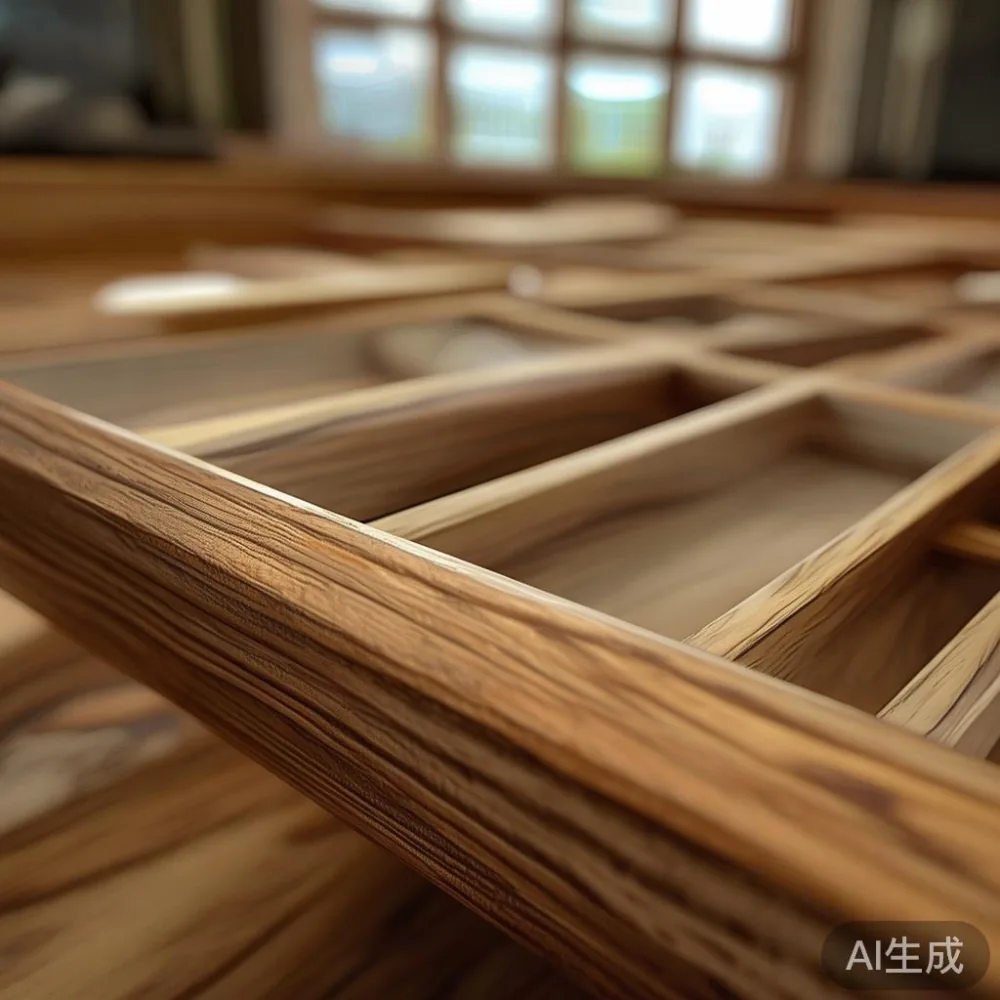
What is Warm Minimalism and Why Does It Work in Singapore?
At its core, warm minimalism is a design approach that combines the clean lines and uncluttered spaces of minimalism with the inviting textures and soft tones of a more traditional or rustic style. Think of a room with a light, airy color palette—creams, soft greys, warm beiges—but with furniture made from natural materials like solid wood, rattan, or linen. The focus is on craftsmanship, creating an environment that feels calm, sophisticated, and lived-in. This style is particularly well-suited to Singaporean homes for several practical reasons.
Our HDB flats and condos, while often compact, can feel spacious when they are not overwhelmed by visual noise. A minimalist approach maximises the sense of space. Also, the warm, natural materials common to this style—solid wood, marble, textured fabrics—bring a tactile quality that resonates in our humid climate. A cool, all-white minimalist space can feel stark and unforgiving in Singapore, but a warm minimalist one feels like a comfortable embrace. It’s a style that acknowledges our love for nature and our need for a peaceful retreat without sacrificing the clean, modern lines that many contemporary Singaporeans prefer.
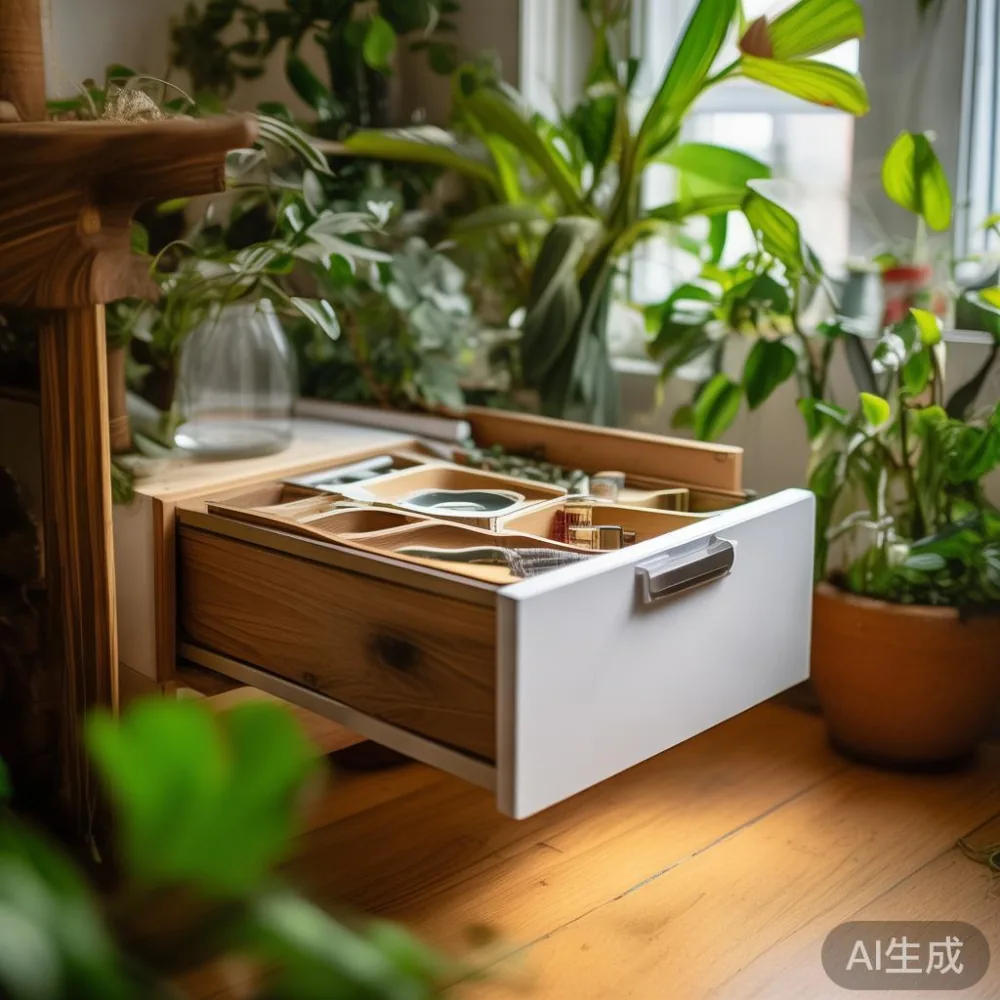
How Do I Choose Furniture That Balances Minimalism and Warmth?
Selecting the right furniture is the most critical step in achieving a warm minimalist aesthetic. The key is to focus on a few, high-quality pieces rather than filling a room with many smaller items. Each piece should have a clear purpose and a design that is both simple and beautiful. Let’s break it down by room.
For the living room, the anchor is often the sofa. A solid wood sofa with clean, simple lines and low-profile arms is a perfect choice. Opt for fabrics in natural tones—linen, cotton, or wool blends—in shades like oatmeal, sage green, or a soft charcoal grey. The texture of the fabric adds warmth, while the simple silhouette keeps the room feeling open. For the dining area, consider a solid wood dining table with a smooth, unadorned surface. Pair it with chairs that have a minimalist design but are upholstered in a warm, textured fabric. A marble table can also be a stunning centrepiece, especially if it has soft, veining patterns in grey or cream tones. The coolness of the marble is balanced by the warmth of the surrounding wooden chairs and the room’s colour palette.
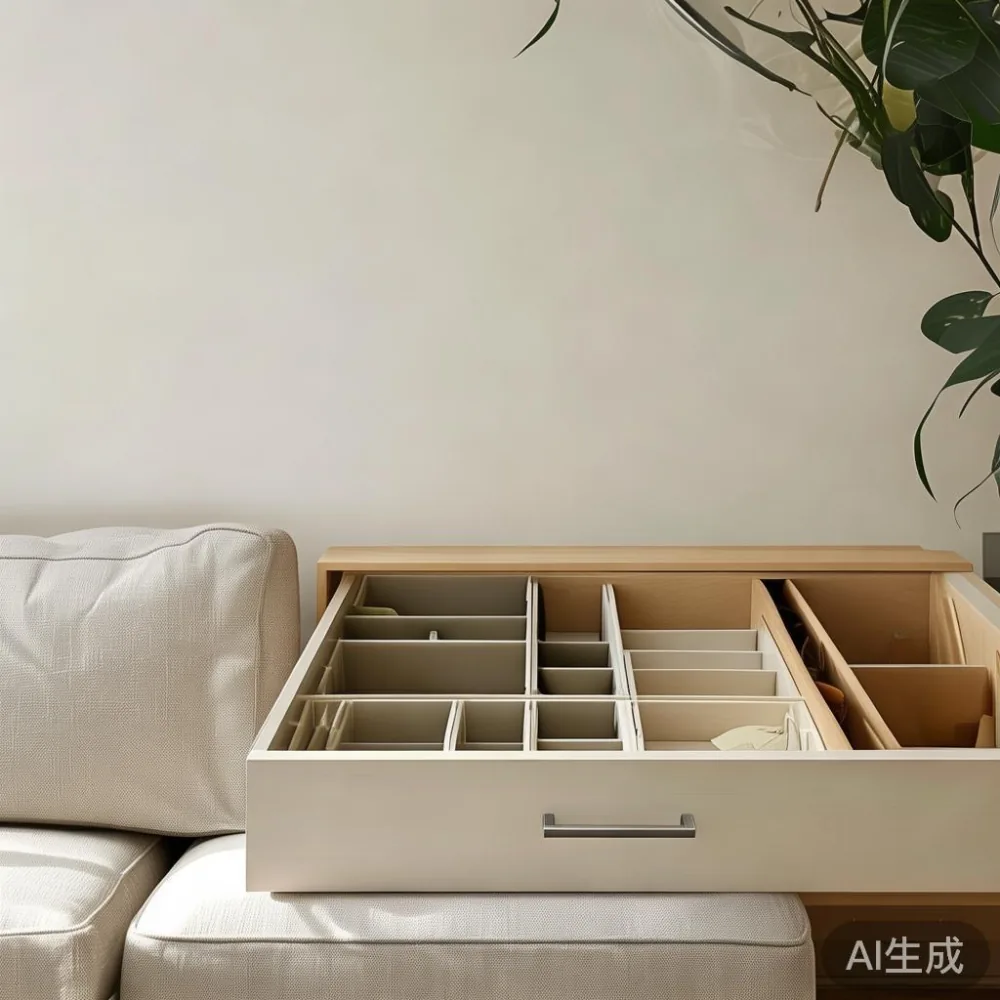
In the bedroom, the bed frame is the focal point. A light luxury bed with a low, platform-style headboard made from solid oak or walnut can create a serene and sophisticated look. The nightstands should be simple and functional, perhaps with a single drawer. The drawer organizer inside becomes a key element, ensuring that the minimalist aesthetic extends to the storage, keeping small items neatly concealed. The goal is to create a space that feels restful and uncluttered, where every piece contributes to a sense of calm.
Can You Match a European Light Luxury Sofa in a Small Singaporean Apartment?
Yes, you absolutely can. Styling a European light luxury sofa in a Singaporean apartment, especially in a smaller HDB flat, is about understanding its inherent qualities and working with the constraints of your space. A European light luxury sofa, often characterised by its elegant proportions, high-quality upholstery, and refined details, can anchor a living room beautifully. The key is to choose a model that is appropriately scaled for your room. A sofa that is too large will overwhelm the space, making it difficult to move around and defeating the minimalist principle of openness.
My colleague, Sarah, recently moved into a 90-square-meter condo in Bedok. She fell in love with a French-inspired light luxury sofa with a deep-buttoned back and elegant wooden legs. The sofa was 220 cm long and 90 cm deep, which was a significant piece of furniture for her living area. To make it work, she placed it against the longest wall, creating a clear focal point. She kept the surrounding furniture minimal—two slim armchairs and a low marble coffee table. This allowed the sofa to be the star of the show without making the room feel crowded. The light, neutral colour of the sofa fabric also helped to reflect light and make the space feel larger. The lesson here is that a statement piece like a European light luxury sofa can work in a smaller space, as long as it is balanced with other simple, unobtrusive elements and given room to breathe.
What Materials and Textures Define a Warm Minimalist Home?
The soul of warm minimalism lies in its material and texture palette. Moving beyond a flat, monochromatic look is what gives the style its depth and inviting quality. The foundation is, without a doubt, natural wood. A solid wood dining table, a bed frame with a walnut finish, or a simple nightstand made from oak—these pieces introduce organic warmth and a sense of permanence. The grain and texture of the wood are celebrated, not hidden. You don't need to match all the wood tones; in fact, mixing light and dark woods can add visual interest while still maintaining a cohesive, minimalist feel.
Alongside wood, natural stone, particularly marble, plays a significant role. A marble table top, whether for a dining or coffee table, adds a touch of understated luxury. Its cool, veined surface provides a beautiful contrast to the warmth of wood and the softness of textiles. Textiles are another important element. Think of the texture of a linen sofa, the softness of a wool rug, or the weave of a simple cotton throw blanket. These layers add comfort and tactile richness to a space that might otherwise feel cold. The drawer organizer in your dresser, for instance, might be made from a beautiful, smooth bamboo, a material that is both functional and aesthetically pleasing, reinforcing the natural material story of the room.
How Do Storage Solutions Like a Drawer Organizer Fit into This Aesthetic?
This is a question many people ask when transitioning to a minimalist lifestyle. How do you keep things tidy without resorting to bulky, visually intrusive storage? The answer lies in clever, integrated solutions, and the humble drawer organizer is a perfect example. In a warm minimalist home, storage should be as beautiful and well-considered as any other piece of furniture. A cluttered drawer is the enemy of a serene space, and a drawer organizer is the simple, effective tool to combat this.
Imagine a solid wood wardrobe with deep, cavernous drawers. Without a system, they become a jumbled mess of clothes, accessories, and miscellaneous items. By introducing a well-designed drawer organizer, you create order. Each compartment has a purpose, making it easy to find what you need and to put things away neatly. This act of organisation itself contributes to the calm and orderly feeling of the room. The drawer organizer itself can be a beautiful object—made from natural materials like wood, bamboo, or even fabric-lined compartments. It transforms a simple storage space into a curated, intentional part of your home, proving that functionality and beauty can go hand in hand. This principle applies to every room, from the kitchen to the bedroom, ensuring that the minimalist aesthetic is maintained in every detail.
Where Can I Find Furniture That Embodies This Style in Singapore?
Building a warm minimalist home requires sourcing furniture that aligns with the principles of quality, natural materials, and timeless design. Fortunately, Singapore has a growing number of retailers and makers who specialise in this aesthetic. When shopping, it’s important to look beyond just the style and consider the craftsmanship and materials. A solid wood sofa, for instance, is an investment that should last for decades, so quality is paramount.
Many local furniture showrooms in areas like Jalan Besar or Tampines offer collections that blend modern design with natural materials. You might find pieces inspired by post-modern for dining room settings, featuring clean lines and interesting geometric shapes. For those looking for a specific style, sourcing from international brands that focus on light luxury can be an option. For example, understanding the difference between a European bed vs Italian light luxury bed can help you make a choice that fits your budget and design preference. Some brands, like Wuhan Lingzhan, are known for their minimalist approach, offering pieces that are simple yet sophisticated. When making a purchase, always consider the practicalities of delivery in Singapore. A reputable company will offer clear information on delivery times, often within 7-14 days, and assembly services, which is a significant help when dealing with large items like a solid wood dining table or a wardrobe. Ensuring the piece fits through your door and into the lift is also a key consideration, especially for those living in older HDB flats with narrower corridors.
What Common Mistakes Should I Avoid When Creating a Warm Minimalist Space?
While the principles of warm minimalism seem straightforward, there are a few common pitfalls that can derail the aesthetic. The first is the temptation to go 'cold' minimal. This happens when you focus too much on the 'minimal' part—lots of white, hard surfaces, and metal accents—and forget the 'warm'. A room that is too stark can feel uncomfortable and unwelcoming. To avoid this, always introduce at least one or two elements of warmth and texture. This could be a solid wood coffee table, a rug with a soft pile, or a collection of ceramic vases in earthy tones.
Another mistake is creating a space that feels sterile and impersonal. Minimalism is not about removing all personality; it’s about curating it. A home should reflect the people who live in it. Avoid the trap of buying only 'safe', neutral-coloured decor. Instead, think about adding personal touches through art, books, or objects that have meaning to you. These items should be displayed with intention, perhaps on a simple shelf or a marble table, rather than being scattered randomly. Finally, don't underestimate the power of lighting. Harre, overhead lighting can ruin a minimalist space. Instead, use a combination of sources: a beautiful floor lamp next to a sofa, table lamps on nightstands, and perhaps even some subtle accent lighting to highlight a textural wall. The right lighting will enhance the warmth and tranquility of your home, bringing your warm minimalist vision to life.