How to Style a Small Singapore Apartment With Drawer Organizers and Light-Luxury Furniture
A compact home does not need to look sparse or crowded. In a Singapore HDB flat, a 45 cm passage can feel pinched if the furniture projects into the lift lobby, while an over-organised living room can lose its sense of calm. The practical solution is to assign every item a measured home, choose furniture with a light visual profile, and use drawer organizers to control the small clutter that quickly accumulates around a sofa, bed, dining table or wardrobe.
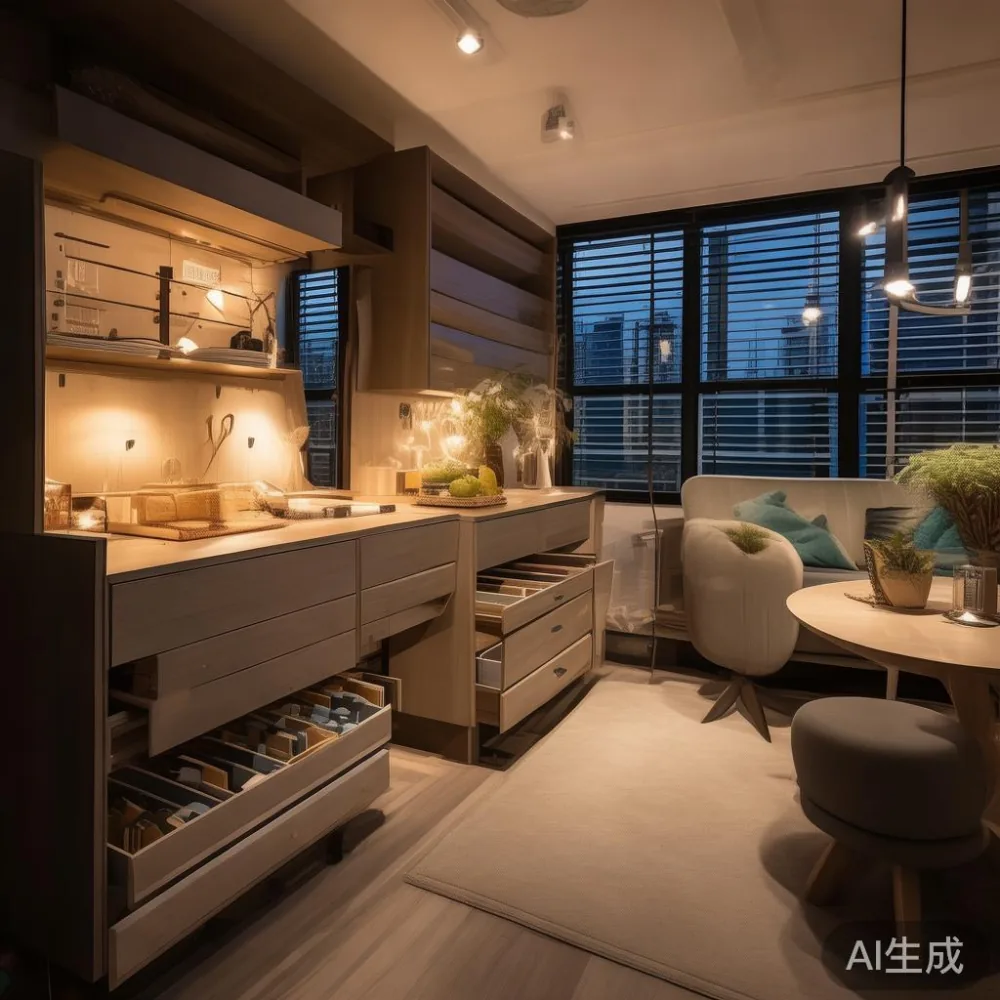
I visited a 2-bedroom, 68 sqm flat in Tampines last month to study this problem. The owners had moved into the home 3 years earlier and accumulated 14 baskets, 6 hangers and several stacks of loose cables. We removed 7 pieces of redundant storage, fitted 4 drawer organizers, and shifted a 182 cm dining table closer to the wall. The living room now has a 76 cm clear route from the entrance to the balcony door, yet the storage capacity increased by about 30% because the remaining containers were easier to use.
The same approach suits Bedok and Punggol condos, where glossy finishes, darker woods and oversized statement pieces can feel heavy in rooms with limited daylight. Here is a room-by-room plan using clear measurements, local costs and furniture choices suited to Singapore homes.
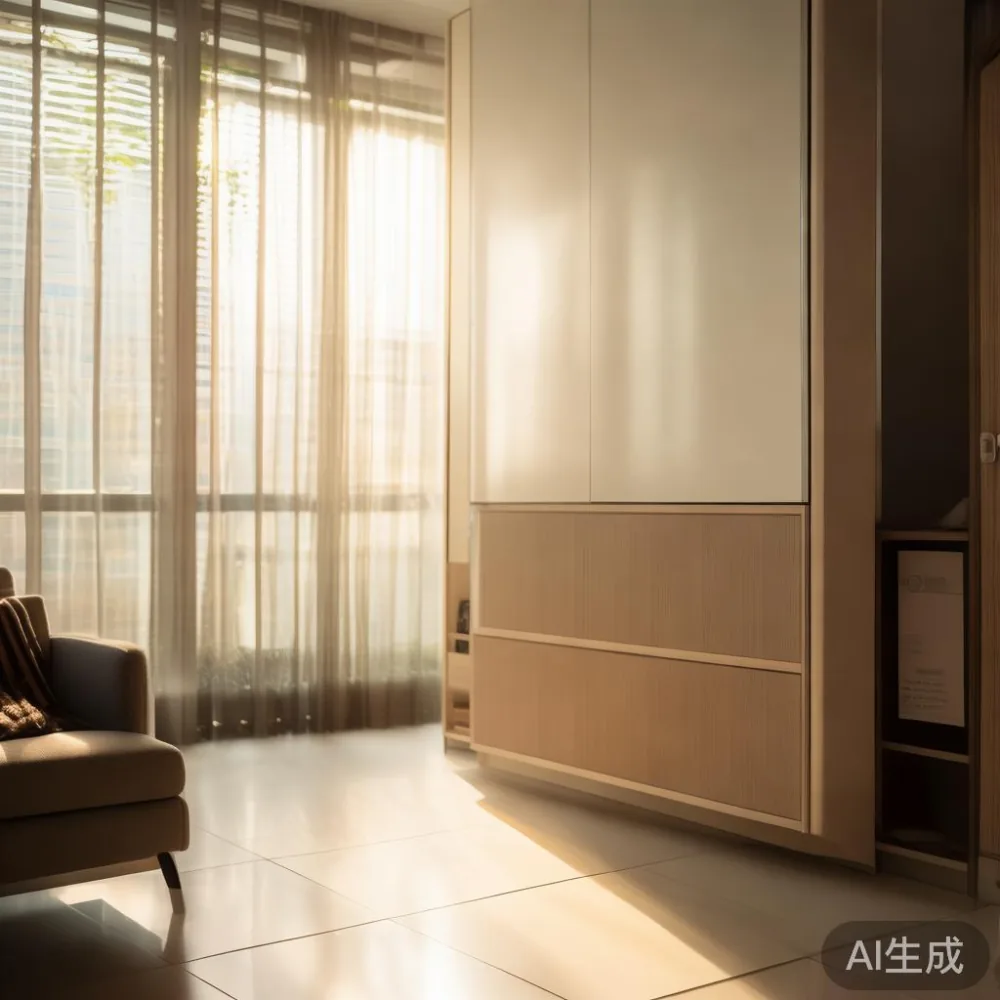
How can I make a small HDB flat feel less crowded?
Crowding is usually caused by unclear circulation, not by having too few possessions. Begin by measuring the narrowest point on the route from your flat door to the lift. Many HDB lift interiors are approximately 110 cm wide and 135 cm deep, while common corridor clear widths are about 120–150 cm. A dining chair that extends 50 cm from a table can interrupt the passage even when the floor area is available.
Map a 60–75 cm walking route through the main rooms, then allow 90 cm near a dining table and 75–90 cm beside a sofa. The exact figure depends on whether the route is for one person or two. For a more generous arrangement, place the dining table against the longest uninterrupted wall and use a slim 42–45 cm wide dining chair. A 120 cm round dining table with 4 chairs usually suits a compact breakfast area better than a 160 cm rectangular model, although the latter can seat 6 if space permits.
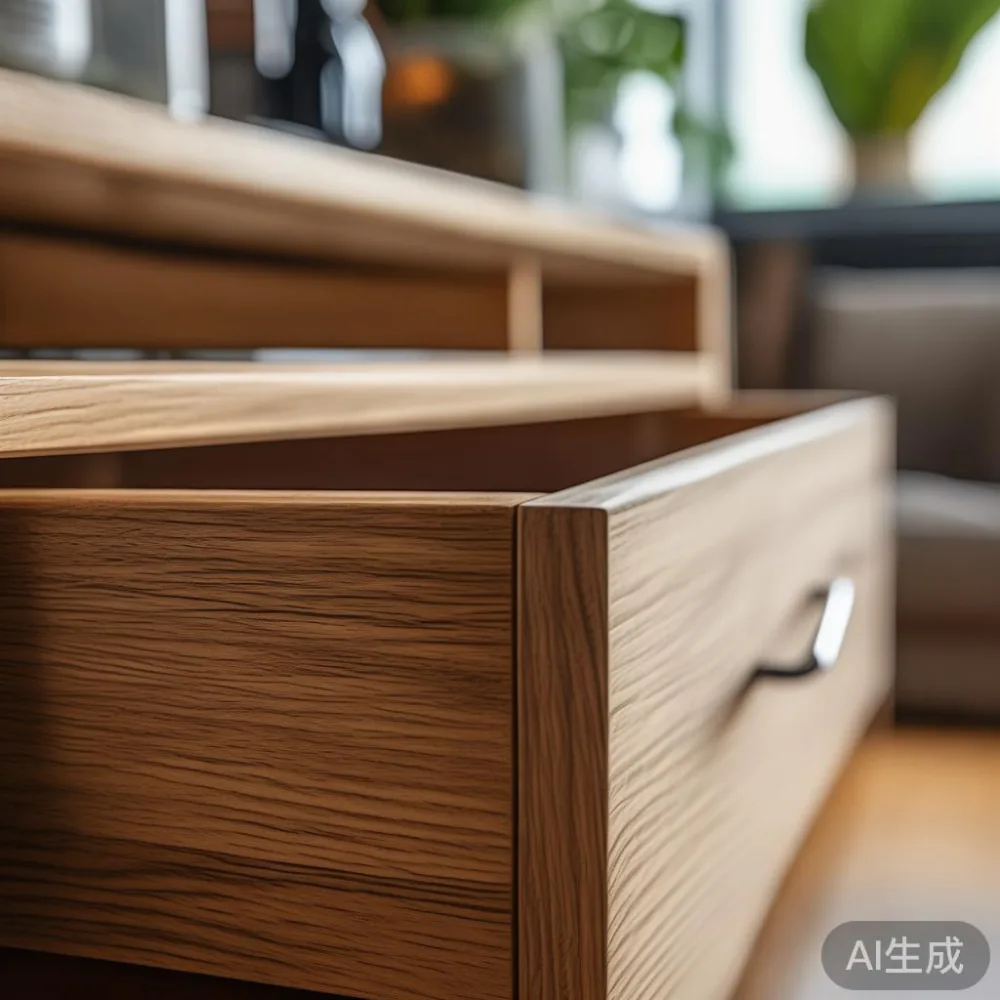
Lightness comes from several sources: pale timber, visible floor area, furniture raised on slender legs, fewer visual objects and consistent storage. A 198–210 cm solid wood sofa with a 92 cm depth can anchor a living room, but a 168–178 cm model with an 85 cm depth preserves more movement space. The correct choice is not simply the smallest one. A seat that feels cramped reduces comfort and encourages items to collect on the floor.
What should go inside a drawer organizer in a small apartment?
A drawer organizer works best when it divides the drawer into repeatable zones. Use one shallow 4-compartment tray for stationery, one deeper module for cables and adapters, and a slim 6–8 cm wide section for keys, coins and transit cards. For cutlery, a fitted insert with 5 or 6 compartments occupies less space than a loose-lined basket. The goal is to make every item visible within 5 seconds and return it within 10 seconds.
Measure the internal drawer width, depth and height before selecting inserts. A common 60 cm wide, 40 cm deep and 12 cm high drawer can hold a 56 x 36 cm tray with a 2–3 cm fitting allowance. A narrower 30 cm drawer may need a modular set rather than a large divided tray. The phrase drawer organizer covers different formats: a cutlery tray, a removable cup insert, a drawer divider, an under-bed pull-out and a narrow trolley. Buy for the actual opening, not the furniture catalogue image.
Group items by frequency, not just type. Daily-use charging cables belong in one charging station near a socket. Spare cables can be labelled and stored deeper. If your bed frame has 2 drawers, keep bedding in the upper drawer and seasonal clothing in the lower one. This prevents the 28 cm deep lower drawer from becoming a place where unrelated objects disappear.
MIDHILL solid wood furniture can be paired with organizers that fit conventional carcasses, but the internal dimensions should always be confirmed before purchase. A 10-year structural warranty addresses the frame, while lifetime refinishing supports long-term upkeep. Delivery to Singapore typically requires 7–14 working days after production, and 14-day returns allow you to check fit at home. Furniture orders above US$350 qualify for free shipping under the stated policy, while local GST and delivery charges should be confirmed for the destination address.
Can light-luxury furniture make a compact flat look bigger?
Yes, provided the pieces have restrained proportions and visible breathing room. French light luxury often introduces curved profiles, upholstered details and soft, neutral colours. It can make a 12–16 sqm living room feel refined, but the style becomes heavy if every element is ornate. A solid wood sofa with slim arms, a 36–42 cm high nightstand and a pale oak or walnut finish can provide the foundation without filling the walls.
American light luxury offers another route through clean lines, neutral upholstery and balanced spacing. For a compact living room, a 190 cm three-seat solid wood sofa leaves approximately 45 cm at either side when placed on a 280 cm wall. Keep nearby accessories below 55 cm high, or use one narrow floor lamp instead of a bulky side table cluster.
Post-modern light luxury is useful when you want character with controlled visual noise. Pair a simple bed frame with one expressive lamp, one framed print and a drawer organizer in a coherent finish. Avoid mixing more than 3 major colours across a 20 sqm room: warm white, light oak and muted beige already create a complete palette.
Marble table surfaces can brighten a compact dining corner, but a 90 cm square top needs 75–90 cm of clearance on at least 2 sides. A 100–120 cm round marble table may suit a narrower zone more easily. Check the edge treatment because projecting corners can make the room feel sharper. A light stone top with a warm timber base fits Singapore interiors without creating a stark contrast.
How do I style a dining area in a 45 cm passage?
A useful rule is to keep the dining zone between 2.4 and 3 sqm where possible. A 120 cm round dining table fits 4 chairs and usually requires a 200 cm diameter beyond the tabletop for movement. In a smaller area, consider a 90–100 cm wall-mounted table with 2 compact stools, but only if the stools can slide fully beneath the top. A 45 cm wide corridor cannot accommodate a conventional chair during use, so it should remain a clear route rather than a dining zone.
Japandi for dining room is a practical visual direction because pale timber, simple joinery and uncluttered surfaces suit compact plans. A 140 x 75 cm solid wood dining table can seat 4 if the room allows, while straight-backed chairs with a 44–48 cm seat width reduce visual bulk. Avoid placing a separate sideboard in a 75 cm recess. Instead, use a 30–35 cm deep drawer organizer cabinet or a narrow 80 cm wall shelf mounted at 145 cm height.
Table proportions matter. Leave 60–75 cm between the table edge and a wall for chair use, and at least 90 cm between opposing place settings. If those numbers do not fit, a 90 cm round table with 3–4 places is a better solution than squeezing a rectangular table into the area. Keep the centre clear, then use 1 tray for coasters and a small 20 cm planter rather than several decorative objects.
Which storage pieces hide clutter without adding weight?
Begin with closed storage, then add open storage only where movement and access are easy. A 150–180 cm wardrobe with 2–3 doors can conceal clothing, while a 60–90 cm nightstand with 2 drawers handles bedside items. If your bedroom is under 10 sqm, a 45–55 cm wide nightstand is more suitable than a broad 60 cm model. A 200 cm bed frame requires at least 45 cm on each side for a basic bedside route, with 60 cm preferred on the more frequently used side.
When comparing a French sofa vs Mid-century modern sofa, focus on depth, arm height and leg clearance. A low Mid-century design may use a 76–82 cm height, while a French-inspired sofa can sit around 80–88 cm. The lower profile leaves sightlines open, but very low furniture can look unstable beside a busy lift corridor. Test the silhouette with 2 or 3 sample colours rather than relying on a showroom arrangement.
For wardrobes, the best Vintage wardrobe for 2026 should be judged by internal planning rather than decorative labels. A 120 cm unit may include a 52 cm hanging section, 48 cm shelving and 3 drawers, but a 150 cm unit can offer greater flexibility. Solid timber frames and adjustable shelving remain useful long after a painted finish changes. Confirm that drawer runners, door swings and handle projection are included in the measurements.
One more storage decision is how the organizer relates to the furniture finish. Warm oak suits a Japandi dining room, walnut adds contrast to a pale HDB interior, and a creamy lacquer works with French light luxury. Matching every item perfectly can make the room feel rigid. Repeat one finish in 2 places and let the remaining organizers vary within the same colour family.
How do I keep a bedroom calm beside a busy corridor?
Bedroom doors near lift lobbies can be exposed to sound and movement, but heavy visual density makes the issue worse. A 150 x 200 cm bed frame needs about 70–80 cm from the side wall to the mattress edge for one occupant to pass comfortably. In a 9–11 sqm bedroom, a 140 x 200 cm bed is often easier to manage, especially with 2 drawer organizers installed beneath the frame.
Use 1 under-bed drawer organizer for quilt storage and 1 for clothing, each approximately 20–25 cm high. Low-profile runners reduce the need to lift the mattress, while a transparent or open-front box lets you see what is stored. Do not store heavy glass bottles or water containers beneath a bed frame; the load should remain below 15–20 kg per drawer section unless the manufacturer specifies otherwise.
Wall storage should begin about 20 cm above the headboard, leaving space for reading and cleaning. A 90–120 cm floating shelf is sufficient for 2 small objects and a charger. A 45 cm wide nightstand can hold a lamp with a 20 cm base, a book and a wireless charging pad, all within 1 shelf and 1 drawer.
If you work from home, Modern light luxury for office planning is about visual discipline rather than extra furniture. A 100 x 55 cm desk with a 55–60 cm depth leaves chair movement in a compact room, and a drawer organizer can separate papers, stationery and cables. Place the monitor at eye level, roughly 60–70 cm away, to reduce neck strain. A 120 cm desk is more useful if it can accommodate both a monitor and a laptop without creating a permanent paper pile.
How can I add French character without crowding the room?
Start with one curved or tailored piece, not a complete matching suite. A solid wood sofa with a lightly shaped back, a 42 cm round side table or a slim nightstand can establish a French direction. Keep the remaining furniture simple. The question of how to style French provincial wardrobe in apartment interiors is less about adding detail and more about controlling scale: choose a pale finish, limit the door profile, and use 1 warm lamp and 2 framed pieces nearby.
Italian light luxury with storage works particularly well in compact bedrooms and entry areas. A 90–120 cm sideboard with 2 drawers and 2 doors can hold shoes, bags or dining supplies, but it should leave 75–90 cm for door and drawer operation. A 35–40 cm deep unit against a 90 cm wall can feel more generous than a 50 cm deep cabinet, even if the internal capacity is smaller.
Decorative restraint also protects the room’s sense of calm. Use 1 large artwork or 2 smaller frames with a total width of no more than 70% of the furniture above it. A 90 cm console can support a 35 cm vase, 1 lamp and a 20 cm tray. Remove anything that cannot be reached without climbing or moving another object.
Before buying, photograph the room at 8 am, 1 pm and 8 pm, then check how the wood tone behaves under Singapore’s daylight and warm evening lamps. A medium-toned piece may appear lighter beside a white wall and darker next to a charcoal tile. Buy samples where possible and view them for at least 24 hours.
What delivery and warranty details should Singapore buyers confirm?
Measure the home before ordering, including the lift door, corridor turns and the route into the bedroom. A 180 cm wardrobe may fit inside a 135 cm deep lift diagonally, but packaging, handle projection and hand clearance can change the practical dimensions. Record the narrowest corridor point, which is often 85–100 cm at a fire door or mailbox recess even when the main corridor is wider.
For MIDHILL orders to Singapore, ask for the packed dimensions and the expected delivery window. Production and delivery commonly take 7–14 working days, though made-to-measure items may require 4–6 weeks. Check whether the quoted 10-year structural warranty applies to the specific bed frame, dining table or wardrobe, and retain the order documentation.
The lifetime refinishing service is another reason to inspect the timber and joinery carefully. Ask how surface scratches, moisture marks and colour changes are handled, and whether collection or return freight is charged. For returns, the stated 14-day policy is useful, but large furniture can incur return handling or delivery costs depending on its condition and the original arrangement.
Singapore buyers should also check the final price in SGD, including GST, delivery and any service or lifting fee. A lift surcharge may apply in older blocks without a compliant service platform. Measurements make the purchase more precise: a 52 cm wide nightstand may suit an alcove, while a 65 cm model can obstruct a 75 cm route.
The most effective small-apartment formula is simple: keep 75–90 cm of circulation, use closed storage for visually busy possessions, give daily objects a dedicated drawer organizer, and let one light-luxury detail carry the room’s personality. A 68 sqm flat can feel generous when every piece has a function and every centimetre has a purpose.