How Southeast Asian Humidity Affects Solid Wood Furniture—and How to Protect Drawer Organizers
Singapore’s warm, humid climate can change solid wood more than many homeowners expect. In an HDB flat in Tampines, a drawer organizer may soften slightly, swell, or bind after weeks of monsoon humidity. In a Punggol condo with strong air-conditioning, the opposite can happen: dry air contracts timber, opens minor gaps, and makes checked drawer runners feel rougher. These repeated cycles are normal in a tropical city, but they are manageable with sensible placement, ventilation, and occasional care.
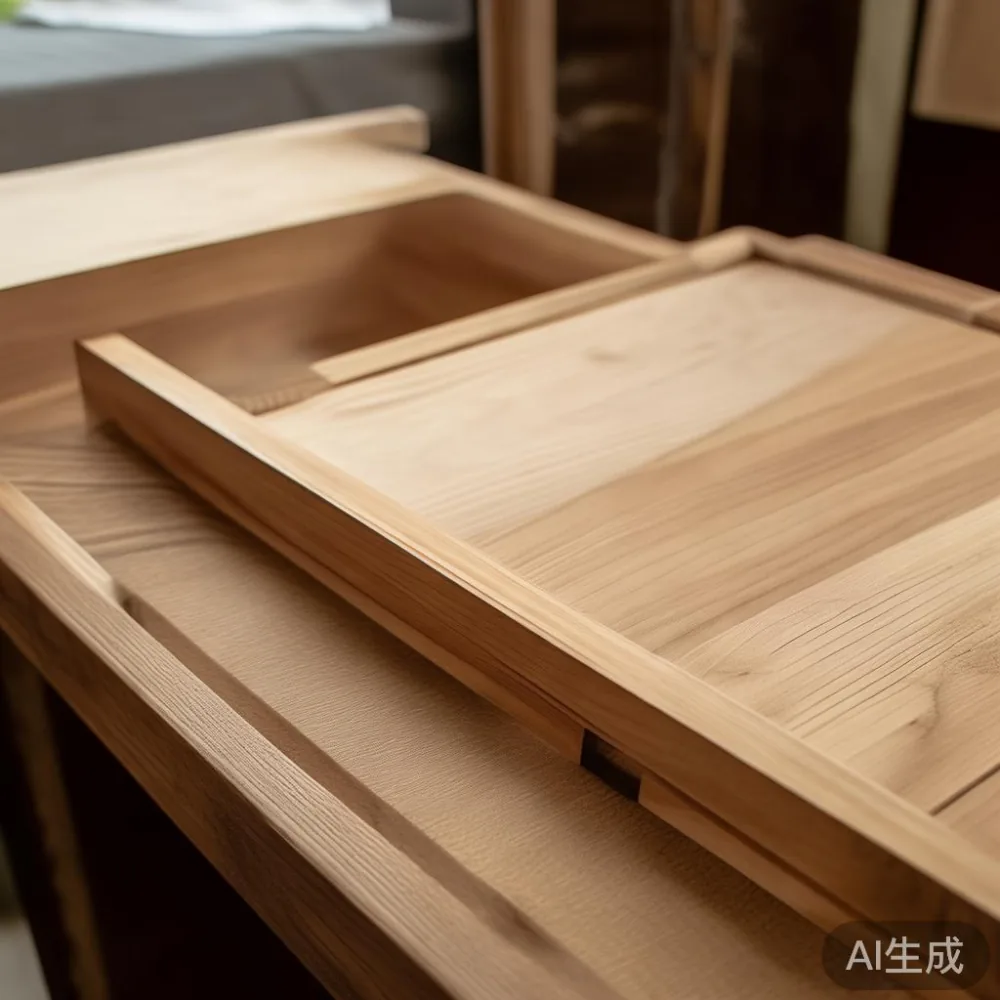
I visited a customer’s three-room Bedok flat last month to inspect a solid wood dining table and its fitted drawer organizer. The table stood 3 cm away from a balcony door, while the organizer sat inside a built-in wardrobe beside a return-air vent. A moisture meter registered 68% relative humidity near the balcony and 54% beside the vent. I wiped the table surface with a dry cloth, checked the organizer’s runners with a 15 cm ruler, and recommended moving both pieces 45 cm from the glazing. That simple adjustment reduced their exposure to rapid humidity swings.
This guide explains how moisture affects wood, what it means for drawer organizers and other solid wood pieces, and how homeowners in Singapore can preserve beauty and function without over-maintaining furniture. MIDHILL was founded in 2008 and exports to more than 15 countries, so tropical conditions are familiar territory for its workshop and product development team.

Why does humidity make solid wood furniture move?
Wood is hygroscopic: it absorbs or releases moisture as the surrounding air changes. The movement is not a sign of poor workmanship. Solid timber expands across its grain when damp and contracts when dry. A drawer organizer made from solid wood may therefore become tight during wet periods and slightly loose during drier periods.
Singapore’s monthly relative humidity often ranges from roughly 60% to 85%, with daily variation greater than in temperate countries. Outdoor temperature can remain near 30°C throughout the year, while indoor air-conditioning may reduce humidity to 40% or 50%. A bedroom in an HDB block with a west-facing window might experience repeated shifts within a single afternoon.
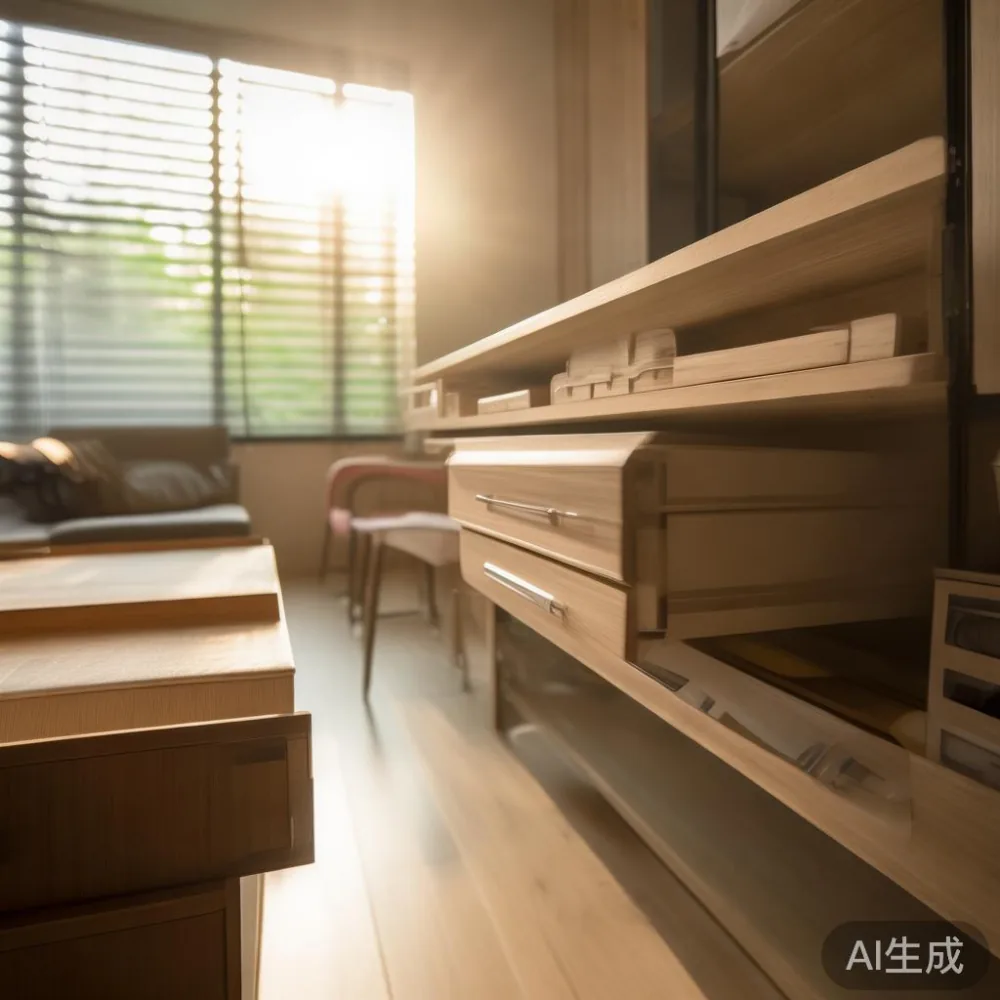
Typical seasonal timber movement is modest but visible: a 120 cm-wide drawer front might change by approximately 1–3 mm as moisture content moves by about 4–8 percentage points. The movement runs mainly across the grain, not along its length. Veneered or engineered panels can behave differently because their layers and adhesives respond in another way. Solid wood sofa frames, solid wood bed frames, and solid wood dining tables can tolerate seasonal movement when designed with expansion gaps and properly joined components.
The risk comes from speed and repetition. A slow, even change is less demanding than moving a cabinet repeatedly between a damp corridor and a heavily air-conditioned room. Direct airflow from a vent can dry one edge faster than another, encouraging small checks near joints or finishes.
How should I store a drawer organizer in a humid Singapore home?
Give the drawer organizer breathing room and keep it away from standing moisture. Avoid the floor of an HDB flat if the unit has a history of condensation or pipe leaks. Leave at least 10–15 cm between the back of a freestanding unit and a wall where circulation is possible, and do not wedge a fitted drawer organizer tightly against a cold surface.
For organizers inside a wardrobe, clean and dry the tracks before reinstalling them. Vacuum dust from a 30 cm section of rail, then wipe the metal parts with a cloth that is merely damp. Do not flood wooden runners with water. A silicone lubricant suited to furniture rails can reduce squeaking and binding; apply a small amount to the moving contact points after cleaning.
Use dividers that support the contents rather than pressing continuously against the drawer sides. Leave roughly 5–8 mm around removable dividers so expansion can occur. For cutlery, trays, and jewellery, the drawer organizer should be lifted out when the wardrobe floor is cleaned. Moisture trapped beneath an insert can be more damaging than ordinary cabinet humidity.
Position the organizer according to daily use rather than maximum air movement. A ventilated wardrobe shelf in a Bedok HDB flat may be preferable to a sealed cupboard near an exterior wall. In a Punggol condo with dehumidification, the air-conditioned interior is usually stable, but the organizer should still not sit directly beneath a cooling vent.
Can humidity loosen drawer runners and hinges?
Yes, but the material matters. Wood movement can alter the opening of a drawer, while humidity can also affect metal hardware through condensation. A runner with a 45 cm opening may need a 1–2 mm adjustment if seasonal swelling is present. Hinges can develop surface corrosion if salty outdoor air reaches them through an open window.
Inspect runners every 3 months. The drawer organizer should glide with light hand pressure, not require a hard pull. If it catches at one corner, check whether that corner is close to a humid rear wall. Tighten or loosen mounting screws by a quarter turn where appropriate; forcing a swollen runner may damage the track or drawer side.
For hinged wardrobes, wipe hinges after periods of heavy rain and inspect them twice a year. Lift a wardrobe door only with two hands and support it near the hinge line. A door carrying 20–30 kg should not be forced if the hinge has dropped. This practical care is relevant when comparing how to style Japandi wardrobe in bedroom plans, because low-profile timber storage often has wide panels and carefully positioned hardware.
MINI-LOAD hardware is a common option for fitted storage, including drawer organizer systems. Quality runners should remain usable through normal humidity changes when correctly aligned. If a 500 mm drawer travels 400–450 mm, verify the load rating before adding heavy kitchen tools or books.
Does Singapore’s coastal air cause mould or timber decay?
Ordinary humid air does not automatically cause mould or decay in sound furniture. Problems arise when moisture remains on a surface or inside an enclosed cavity. A drawer organizer in a frequently opened wardrobe benefits from routine airflow. Empty drawers left slightly open for 30–60 minutes after a wipe-down can release trapped moisture without creating security concerns in the home.
Salt-bearing coastal air may encourage corrosion on unprotected steel fasteners. In a ground-floor Tampines home near a sea breeze, inspect exposed screws every 6 months. After dry cleaning, use a discreet protective coating approved for indoor metal. Do not apply household cooking oil to hinges; it may collect dust and eventually become sticky.
Watch for early signs: musty odour, dark spotting, soft drawer bottoms, or swollen particleboard panels. A sound solid wood dining table should remain hard and stable. If a drawer organizer’s base feels soft, stop adding heavy items and have it inspected. Water ingress from a leaking air-conditioning condensate pipe is a separate issue and should be repaired immediately, not treated as normal humidity.
What finishes protect wood in a tropical climate?
The finish protects the surface, but it cannot stop wood from responding to humidity. Hardwax oil gives solid timber a tactile, natural appearance and can be refreshed after cleaning. Water-based lacquer dries fast and suits busy interiors, although careful wiping remains necessary. A wax layer may need more frequent renewal in warm conditions.
Use a coaster with a base of at least 8 cm and a lip of 2–3 mm beneath a warm drink. A marble table may be visually cool to the touch, but its stone surface does not protect an adjacent timber cabinet from dampness. Place solid wood furniture at least 20 cm away from a bathroom doorway and avoid wet towels being draped over a bed frame or wardrobe door.
Clean with a lightly damp cloth, then dry immediately. Harsh sprays can cloud a matte finish or leave residues that attract dust. A practical routine is to dust each week, wipe the drawer organizer every 2–4 weeks, and check the finish every 6 months. If the finish feels rough in a traffic area, renewal may be needed after 12–24 months depending on UV exposure and use.
This care approach supports MIDHILL’s lifetime refinishing service, available on qualifying pieces. It also aligns with an American light luxury preference for restrained finishes and durable construction rather than excessive ornament.
Is a solid wood bed frame safe in Singapore’s humidity?
A properly made solid wood bed frame can last for decades in Singapore when it is allowed to move slightly. Maintain ventilation beneath the bed and avoid direct contact with wet mops. Use felt pads under the legs and leave 8–12 cm from a bedroom wall where space allows. Check the centre support every 6 months, especially on a queen bed supporting two adults.
Many buyers research is French bed worth it because upholstered French provincial beds combine carved timber with fabric, which needs more attention in humid conditions. The timber frame may be stable, but the upholstered headboard can retain moisture and develop odours. Compare that with the light luxury bed vs French provincial bed question: the former often features cleaner lines and lower maintenance, while the latter may demand careful fabric and frame care.
For buyers comparing current designs, the phrase best Mid-century modern bed for 2026 may be useful, but no style removes the need for climate care. Slatted bases promote airflow better than solid decks. A solid wood bed frame with a slatted base and covered headboard is practical for an HDB bedroom where walls may sit close to the bed.
Allow the frame to acclimatise after delivery. Keep it in its packaging only as briefly as possible—ideally no more than 48–72 hours—because sealed packaging can trap moisture. The manufacturer’s delivery guidance should take priority.
How do lifts, corridors, and GST affect furniture delivery decisions?
Furniture dimensions matter before humidity does. A solid wood dining table may be easier to carry in sections than as one 180 cm slab. Check the lift door, lift depth, landing turns, corridor width, and staircase before ordering. A common HDB lift opening is about 90 cm wide and 100–120 cm deep, although older blocks and refurbished lifts vary. A 200 cm table cannot enter a narrower lift even diagonally.
Measure the route with a tape rather than estimating. Add clearance for the carrier’s hands and turning angle, usually 5–10 cm on tight routes. If a wardrobe cannot pass a 75 cm corridor corner, wall removal or hinge adjustment may be required. Better planning prevents damage to both the furniture and the building.
Singapore prices normally include GST for consumer purchases, but the final invoice should confirm it. Delivery timing also matters in humid weather. A local curbside delivery may take 3–7 days after dispatch, while production or consolidated sea freight can take 35–60 days depending on stock and route. Unwrapping in a dry, ventilated room allows a large solid wood dining table or marble table to acclimatise gradually.
MIDHILL provides free shipping for orders over US$350, although the exact Singapore conversion, taxes, and delivery terms should be confirmed on the quotation. The company also offers a 10-year structural warranty and 14-day returns, subject to the stated policy and condition requirements.
What should I check before buying solid wood furniture in Singapore?
Ask for clear information about the timber, construction, finish, dimensions, and environmental conditions. Solid wood should be identified at the relevant components, not simply described as “wooden.” For a drawer organizer, request the internal dimensions, runner type, load rating, and available clearances. A 60 cm wide drawer with 45 cm usable depth offers room for stacked dinnerware, while a shallower 25 cm model may suit jewellery and accessories.
Check whether the solid wood bed frame, dining table, wardrobe, or nightstand includes ventilation and expansion allowances. A well-designed solid wood sofa should use a frame that can accommodate seasonal timber movement without weakening its joints. For a nightstand beside an air-conditioned bedroom wall, confirm that drawer fronts are not mounted with screws that prevent slight expansion.
Design language matters too. A comparison of American sofa vs Japandi sofa can clarify seat comfort and visual character, while French light luxury often introduces softer profiles, pale woods, and subtle decorative details. For storage, the modern European light luxury furniture perspective favours clean joinery, tactile finishes, and restrained proportions. A marble table can anchor such a room, provided the timber furniture around it is protected from spills.
Owners should also receive care instructions specific to tropical climates. A reputable maker should explain which parts can be refinished, how long structural coverage lasts, and what return conditions apply. MIDHILL’s export experience in more than 15 countries and 10-year structural warranty provide useful reference points, while lifetime refinishing gives owners a path for maintaining rather than replacing worn surfaces.
Can I control humidity without replacing my drawer organizer?
Usually, yes. Start with placement, airflow, and wiping habits. A small hygrometer placed near the furniture—within 1–2 m of the drawer organizer—provides a more useful reading than a weather app. Aim for a reasonably stable indoor range, often around 45–65% relative humidity where the building systems allow it. Avoid trying to make every room identical.
If a piece is in a persistently damp location, use a dehumidifier only after checking the drainage route and power outlet. A compact unit may remove several litres of moisture per day, depending on conditions, but it should not be aimed directly at furniture. Keep 30–60 cm of space around the unit and clean its filter every 2–4 weeks. Air-conditioning already lowers humidity in many Singapore homes; running it for 2–3 hours after rain may be sufficient without adding another appliance.
For an organizer that repeatedly binds, remove the insert and check each runner with a 20 cm ruler. Clean the channels, adjust the mounting position, and allow the wood to equalise for 24–48 hours. Do not plane a swollen drawer in a hurry. Timber should acclimatise first, and a 1–2 mm adjustment may solve the issue without major intervention.
The central principle is steady care rather than panic. Solid wood furniture is expected to respond to Singapore’s climate. Protecting it from direct rain, salty airflow, spills, damp cloths, and abrupt temperature changes keeps movement gradual and controlled. With thoughtful placement and a simple maintenance rhythm, a drawer organizer, bed frame, wardrobe, nightstand, dining table, and marble table can remain functional and visually composed for many years.