Caring for Lacquered Solid Wood Furniture in Singapore's Tropical Climate
Singapore's humidity hovers between 70% and 90% for most of the calendar year. Tampines flat owners, Bedok condo residents, and Punggol HDB dwellers all share the same silent enemy: moisture creeping into every unsealed surface. A lacquered solid wood dining table, a French light luxury wardrobe with mirror panels, or even the inside of a bedroom drawer organizer can cloud, blister, or peel within twelve months if it is treated like a piece of furniture meant for a Scandinavian living room. This guide is built specifically for people who have already invested in solid wood sofa sets, bed frames, and Italian light luxury nightstands and now need a maintenance routine that respects the realities of a 28°C-to-33°C climate, lift-door clearances of around 210 cm by 90 cm, and corridor widths of roughly 120 cm.
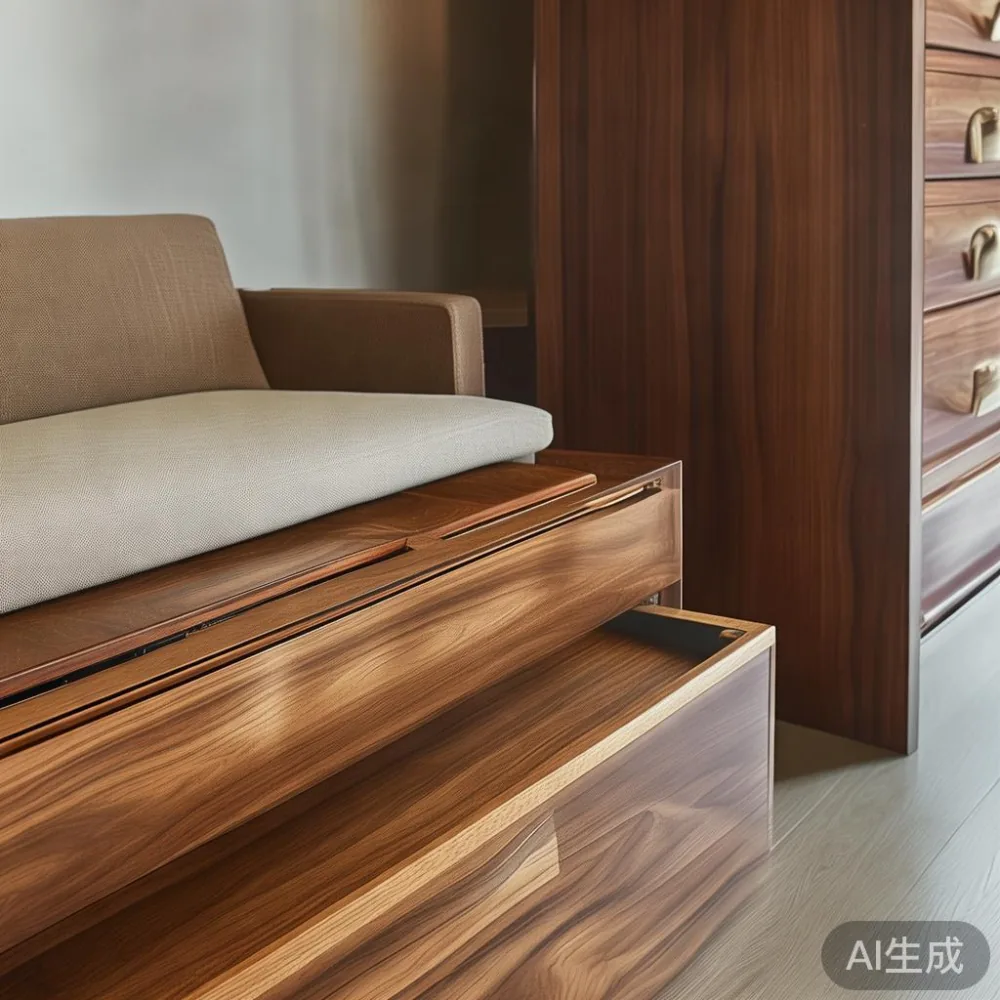
I visited a friend's new 4-room BTO in Sengkang last month and watched her wipe down a newly delivered dining set with a wet microfibre cloth. Within six weeks the lacquer on the table edge had begun to whiten. That single scene is why this article exists. Proper care is not about working harder; it is about using the right cloth, the right cadence, and the right humidity range.
Why Singapore Humidity Attacks Lacquer Faster Than Heat Does
Lacquer is in effect a thin, hard shell of resin cured over the wood grain. On a lacquered MIDHILL dining table measuring 180 cm by 90 cm, that shell might be only 0.3 mm thick. When relative humidity climbs above 75%, the wood beneath the lacquer absorbs water vapour, expands roughly 2% to 3% across the grain, and pushes outward against an inflexible coating. The result is micro-cracks that look like a fine spider web, followed by the cloudy patches Singapore homeowners call "water marks."
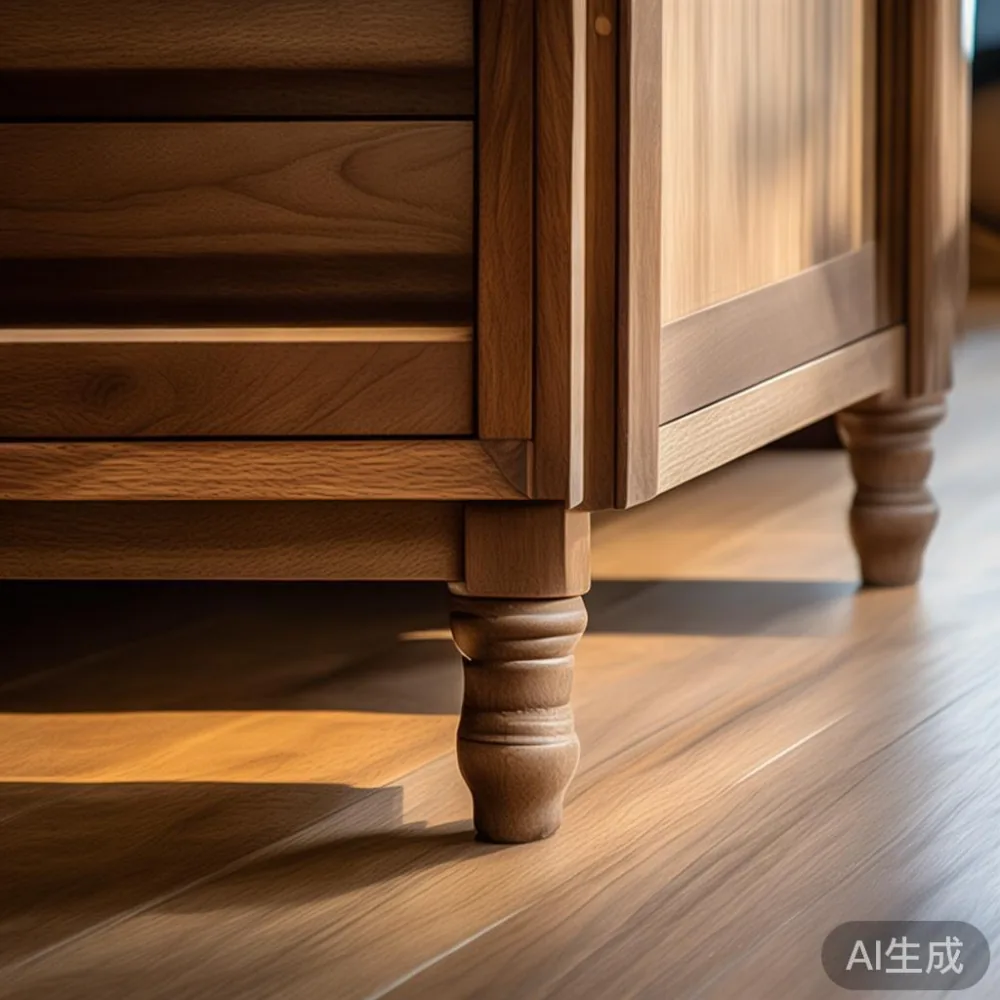
Wood movement in a tropical climate is not a defect; it is a physical law. A solid wood sofa frame from MIDHILL, for instance, uses kiln-dried ash or rubber wood at 8% to 10% moisture content, which is appropriate for an indoor Singapore environment but still slightly drier than the ambient air. Every time a window is left open during a thunderstorm at 4 pm, that gap closes fast. A drawer organizer in the bedroom catches this moisture from a different angle: the air inside a closed drawer stagnates, condensation forms on the lacquered walls, and a musty smell appears within seventy-two hours.
The Four Numbers That Actually Matter for Your Lacquer
Forget vague advice about "keeping the room cool." Four measurable numbers define the safe envelope for a solid wood bed frame, a post-modern light luxury coffee table, or a marble-top side table:
- Indoor relative humidity: 45% to 65%. Below 40%, joints shrink and crack; above 70%, the lacquer absorbs moisture and whitens.
- Distance from the wall: At least 5 cm behind a wardrobe or drawer organizer. A Punggol HDB wall can sweat during monsoon months, and direct contact transfers that moisture straight into the back panel.
- Direct sun exposure: No more than 2 hours per day. UV breaks down polyurethane resin in roughly 18 to 24 months if the piece sits beside an unshaded west-facing window.
- Surface temperature: Below 38°C. A hot cup of kopi on a bare lacquered surface at 70°C will leave a permanent ring within ten seconds.
A small SGD 25 hygrometer from a Tampines hardware shop is the cheapest insurance you can buy for a lacquered American light luxury wardrobe costing upwards of SGD 2,400.
"My Drawer Organizer Feels Sticky" — Why Does This Happen?
This is the single most common complaint we hear from customers who have lived with their MIDHILL light luxury bed frames for six to nine months. A sticky surface is not a cleaning failure. It is a chemical reaction between the cured lacquer and either (a) the plasticiser in a rubber drawer liner, (b) body oil transferred from hands, or (c) a silicone-based furniture polish sold at a Bedok mall.
The fix is counterintuitive but simple. Strip the drawer completely. Remove the felt or PVC liner. Wipe the lacquered interior with a cloth barely dampened — never dripping — with a 1:4 mix of white vinegar and filtered water. Let it air-dry for forty-five minutes with the drawer pulled out and a fan circulating at low speed. Once dry, place only unbleached cotton or linen inside. A 100% cotton drawer organizer liner from a local homeware store costs around SGD 18 for a 50 cm by 150 cm roll and will not react with cured lacquer.
If the stickiness returns within a week, the problem is not the drawer; it is the bedroom humidity. Run a dehumidifier set to 55% for forty-eight hours, then reassess.
A Weekly Care Routine That Fits a Singapore Workweek
Most HDB owners have less than fifteen minutes per week to spend on furniture. Here is the routine I personally use on my own lacquered drawer organizer and dining table, broken into a thirty-second daily habit, a six-minute weekly clean, and a thirty-minute quarterly inspection:
Daily (30 seconds): A quick feather-duster pass along the top of the wardrobe and over the marble table surface near the entryway. This removes the fine red dust that coats everything in Punggol during dry spells.
Weekly (6 minutes): Mix 250 ml of filtered water with two drops of pH-neutral dish soap (avoid anything with lemon, vinegar, or ammonia — these etch cured lacquer). Lightly wring a microfibre cloth so it feels almost dry to the touch. Wipe with the grain, never across it. Follow immediately with a second dry cloth to lift any residual moisture.
Quarterly (30 minutes): Inspect every joint on the bed frame, every corner of the drawer organizer, and the underside of the dining table. Look for dull patches, hairline cracks, or lifting veneer. Apply a pea-sized amount of beeswax-based furniture balm — paste, not spray — using a clean cloth. Buff off after eight minutes. One 200 g tin costs about SGD 32 and lasts fourteen months on a four-piece bedroom set.
"How Do I Style a Light Luxury Wardrobe in a Bedroom Without Damaging the Lacquer?"
This question comes up on every condo design forum from Tanjong Pagar to Pasir Ris, and the answer matters for the longevity of the wardrobe more than any cleaning product ever will. The styling choices you make on day one determine how the lacquer ages over the next decade.
Hang clothing at least 3 cm apart inside the wardrobe. Tightly packed cotton shirts trap moisture against the lacquered side panels and cause the same cloudy whitening as a wet glass on a dining table. Place cedar blocks (about SGD 12 for a pack of six) on each shelf rather than chemical moth balls, which off-gas and degrade the resin. If you are asking yourself how to style light luxury wardrobe in bedroom the right way, the rule is airflow first, aesthetics second. Leave the top shelf 8 cm below the ceiling to allow warm air to circulate; never push the wardrobe flush against the HDB dado wall.
For accessories, choose ceramic or solid wood drawer organizers over fabric cubes. Lacquer breathes through micro-pores, and a fabric liner pressed against it for years will leave a permanent outline you cannot buff out.
What About Spills, Stains, and the Occasional Red-Wine Accident?
Singapore dining rooms see a lot of red wine, sambal, and kopi spills. The first sixty seconds matter more than the next sixty minutes. Never wipe a spill outward across the lacquer; this drags pigment into the pores and creates a smudge. Instead, blot with a clean, dry, white cotton cloth, working from the outside of the spill inward. Lift; do not rub.
For oily sambal stains on a dining table surface, dust a tablespoon of cornstarch over the mark, leave it for ten minutes to absorb the oil, then wipe clean with the same pH-neutral solution described above. For a white water ring left by a glass, place a dry cotton cloth over the mark and press briefly with a warm (not hot) iron set to the silk position. The heat draws the trapped moisture back out of the lacquer. Repeat twice with fresh cloth. If the ring is older than seventy-two hours, professional refinishing is the only reliable option; MIDHILL offers lifetime refinishing on lacquered solid wood pieces for exactly this scenario.
Choosing Lacquered Pieces That Will Age Well in the Tropics
If you are still shopping, the lacquer specification matters more than the wood species. Look for closed-pore, acid-cured polyurethane with a minimum of five coats and a final sanding with 320-grit or finer. Open-pore finishes, such as the raw-oak look in some Scandinavian lines, look beautiful in a Tampines showroom but absorb humidity within four to six months in a HDB without air-conditioning running 24/7.
When comparing a European light luxury sofa vs Japandi sofa for your living room, remember that European light luxury tends to use high-gloss lacquered side tables and trim, while Japandi styling leans toward matte oil finishes. The European approach hides scratches better; the Japandi approach ages more gracefully but requires humidity control to survive a Punggol monsoon. For shoppers planning ahead, a best Modern light luxury sofa for 2026 will almost certainly use a matte lacquer with a 20° to 30° sheen, which is forgiving under Singapore's variable lighting conditions.
For guest bedrooms or compact study rooms, a Japandi approach — combining a low-profile solid wood bed, an Italian light luxury nightstand with a single drawer organizer pull-out, and a linen-upholstered chair — works beautifully, especially if you are leaning toward Japandi for guest room styling where simplicity and airflow matter more than heavy ornamentation.
When to Call a Refinisher vs When to Live With the Patina
Not every mark is damage. After ten to fifteen years, a solid wood piece develops a soft, uneven sheen that many owners mistake for neglect. As long as the surface is smooth to the touch and the lacquer is not flaking, this patina is desirable. It cannot be replicated by any retail product.
Call a professional refinisher if you see any of the following: lifting edges around a table corner, a crack wider than 1 mm running with the grain, dark brown or black spots that suggest mould beneath the lacquer, or a sticky film that does not respond to the vinegar-water method described earlier. MIDHILL customers can book a free assessment at the showroom in Foshan's Lecong furniture district, with consolidated shipping from SGD 280 per cubic metre back to Singapore. Local refinishers in Singapore typically charge between SGD 180 and SGD 420 per square metre of surface, depending on the number of coats required.
A Short Checklist Before You Close This Tab
Before you walk away from the screen, run through this list. It takes less than a minute and protects every lacquered surface in your home:
- Hygrometer reading between 45% and 65%.
- Drawer organizer interiors lined only with unbleached cotton or left bare.
- No furniture within 5 cm of an external HDB wall.
- Coasters under every cup, including the morning mug of kopi.
- Beeswax balm applied within the last ninety days.
- Air-conditioning or dehumidifier running for at least four hours daily.
Singapore's humidity is not going to soften next year or the year after. The pieces you own — the bed frame, the wardrobe, the Italian light luxury nightstand beside it — are built to outlast a decade of weather, but only if you give them thirty seconds of attention most days and a proper cleaning once a week. The lacquer remembers what you do to it, and so will your guests when they run a hand across the dining table ten years from now.