Lacquered Furniture Care in Singapore’s Tropical Climate
Humidity, sudden rain and trapped heat can make lacquered furniture look tired faster than solid wood, marble or upholstered pieces. In Singapore, a lacquered drawer organizer may face damp air inside an HDB flat, condensation near a bedroom wall and daily handling in a lift or corridor where surfaces are touched often.
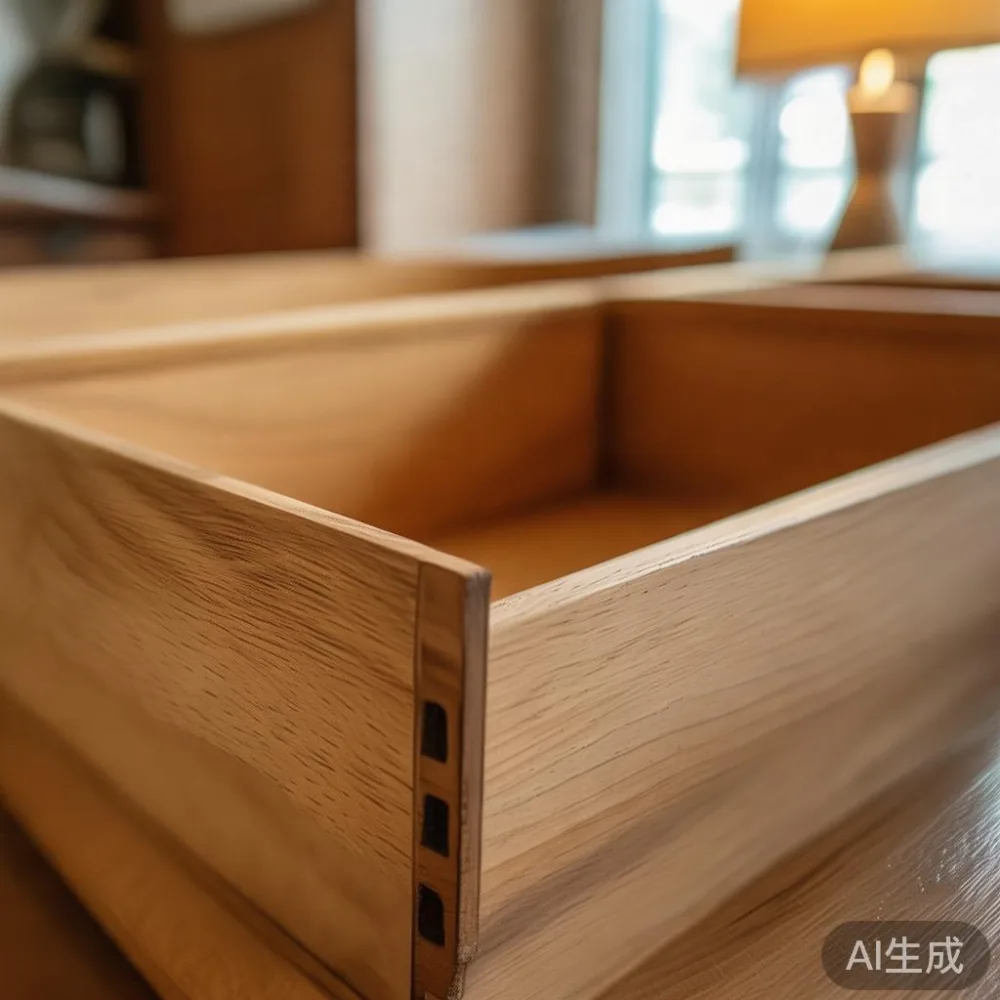
This guide explains how to care for a lacquered surface in a tropical climate without sanding it or using harsh chemicals. It also covers lacquered drawers, solid wood frames and the larger furniture that surrounds them. The goal is controlled moisture, gentle cleaning and regular inspection, not a spotless showroom appearance at every hour.
Why does lacquer react to Singapore humidity?
Lacquer is a cured surface coating applied in thin layers. It can look glass-like and feel smooth, but moisture, heat and mechanical wear affect it differently. Relative humidity in Singapore commonly ranges from roughly 60% to 90% across the year, with higher readings during wet periods and at night. A drawer organizer installed close to a window or external wall may see condensation of about 1 to 3 mm under severe conditions.

Wood beneath the coating still moves as its moisture content changes. Solid wood can expand around 3% to 6% across its grain during major seasonal changes, while movement across the grain is usually much smaller. Lacquer does not prevent every dimensional change, so swollen drawers may catch at the front, and repeated force can stress joints and coatings.
Direct sunlight adds another load. A dark lacquered panel exposed to afternoon sun can reach 45°C to 55°C, compared with about 27°C to 32°C in a shaded HDB room. UV exposure can fade colour and weaken resin finishes. Keep lacquered furniture at least 60 cm from windows with no curtains, or install a solar shade that blocks direct rays while preserving daylight.
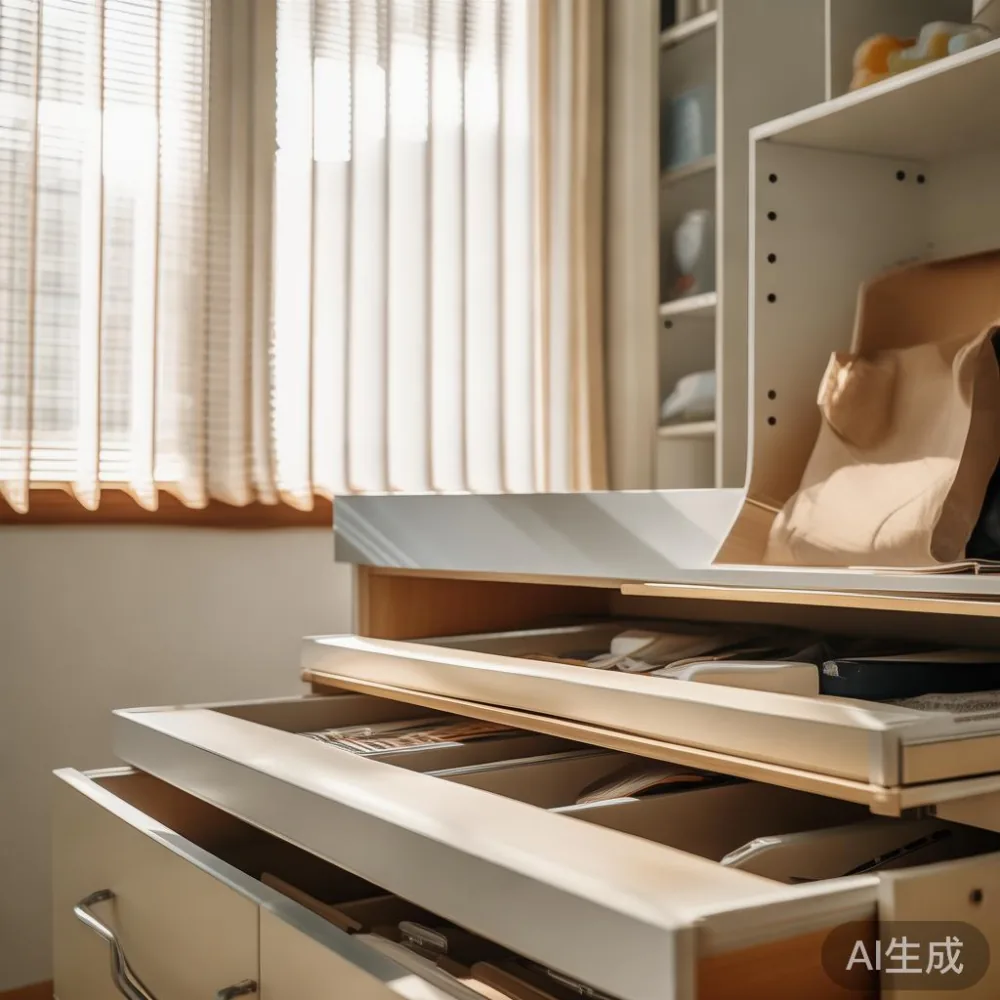
Air movement matters too. Closed corridors and compact utility rooms can remain warm and damp. A cabinet standing 5 cm away from a wall has limited airflow behind it; leave 8 cm to 10 cm where the manufacturer allows, and avoid placing the unit beside a bathroom wall or a clothes-drying area.
What should I use to clean a lacquered drawer organizer?
Begin with a soft, white or lint-free cloth. Dust the surface with light pressure, then wipe with a separate cloth dampened with plain water. The cloth should be damp, not dripping: wring it until no water runs out. Wipe in the direction of the grain and dry immediately with a clean microfibre cloth.
For marks, add a small amount of mild dishwashing liquid to a bowl containing about 500 ml of water. Use approximately 5 ml of detergent, mix it fully and test the solution on a hidden 5 cm by 5 cm area for 10 minutes. Dry that patch before proceeding. If the finish dulls or develops a white ring, rinse with plain water and dry again.
Never soak a lacquered drawer organizer, flood its joints or spray cleaner directly onto the front. Silicone oils, ammonia, acetone, alcohol-based glass cleaner, abrasive pads and furniture wax can haze or strip lacquer. Household disinfectant wipes should also be avoided unless the furniture maker confirms that the specific product is compatible.
Clean the top every 7 days, the handles every 3 to 5 days and the interior every 2 to 4 weeks. More frequent cleaning in a dusty corridor is reasonable; more product is not. In a high-risk area such as a kitchen beside a sink, dry any splash within 5 minutes and inspect the front edge within 24 hours.
For a lacquered solid wood sofa, bed frame, dining table, wardrobe or nightstand, use the same low-moisture method. Upholstery requires a different vacuuming routine, usually with a brush attachment at low suction for 10 minutes per seating section. Marble table surfaces need a neutral stone cleaner rather than wood lacquer care, because acidic liquids can etch marble.
How can I control moisture around a lacquered drawer organizer?
Place the organizer in a room with stable air conditions rather than against a cool exterior wall. An HDB flat in Tampines, Bedok or Punggol may experience daily temperature swings of 8°C to 12°C as hot outside air meets air-conditioned rooms. Moving a drawer organizer between a corridor landing and a bedroom can create repeated expansion and contraction.
Use a hygrometer with an accuracy of about ±2% relative humidity. Check the cabinet at different times: one morning reading is not enough. Record 3 readings over 24 hours, ideally at 8 a.m., 3 p.m. and 10 p.m. A range from 45% to 70% relative humidity is suitable for most indoor furniture. Readings above 75% call for better ventilation; persistent readings above 80% suggest a moisture source or an air-conditioning problem.
Run a dehumidifier when the room exceeds 70%. A model rated at 10 to 20 litres per day can remove meaningful moisture from one bedroom, although an open HDB flat needs a larger capacity than a closed study. Set the machine’s target between 50% and 60%, empty its tank every 2 to 3 days and keep at least 30 cm of clearance around the intake and outlet.
Do not use charcoal briquettes, tea trays or improvised desiccants directly against lacquer. They can shed dust, create pressure marks or leave moisture trapped against the surface. A cabinet fitted with sealed silica-gel packs may help if each pack is replaced before its colour indicator changes. Replace packs roughly every 3 to 6 months, depending on humidity.
How do I prevent scratches, dents and peeling?
Small scratches collect dirt and become the starting point for larger coating failure. Prevent contact rather than trying to polish every mark. Add felt pads beneath a table lamp, a vase or an air humidifier, and use 3 mm felt or 2 mm silicone bumpers under decorative items. Do not place keys, glasses or metal tools directly on a lacquered dining table.
Protect moving parts. Fit drawer runners with soft stops, and check clearance every 6 months. A drawer organizer with 3 mm of side clearance may swell in humid weather; adding another 3 mm can reduce binding, provided the runner and cabinet structure allow it. Lift a drawer from its front rather than forcing it by pulling the knob.
For a busy family home, apply a high-quality clear lacquer-compatible surface protector after cleaning and after any authorised refinishing. Read the technical data sheet first. Confirm coverage, cure time and compatibility with the existing lacquer. Most liquid protectors need 24 to 72 hours before heavy use, and solvent-free water-based options are preferable in an occupied flat.
Transport is another common source of damage. Measure the lift door, lift car and corridor before delivery. In many Singapore access routes, a lift door is 80 to 90 cm wide and a corridor may measure 90 to 120 cm, but older blocks and tight turns require a site check. Use corner guards, moving blankets at least 2 cm thick and straps rated for 80 to 150 kg. Carry a nightstand upright if its maker permits; avoid laying a wardrobe flat because its load can distort the frame.
How should I handle small chips and white marks?
First determine whether the mark is on the lacquer or in the wood. White rings may come from water, heat or a cleaning residue. Dab with a clean soft cloth, then wipe once with a barely damp cloth and dry. Do not rub aggressively, since abrasion can create a matte patch that is difficult to remove.
A shallow scratch around 0.2 mm deep may respond to a lacquer-safe repair pencil in a matching tone. Test it inside a drawer on a 2 cm area and allow it to dry for 15 minutes. If the chip exposes timber or has an irregular edge, a home repair kit may leave a visible patch. Stop sanding and contact the furniture maker instead.
Deep chips affecting a lacquered dining table, wardrobe door or nightstand usually need professional attention. A colour-matching repair process may take 5 to 10 working days. Large panel repairs can take 2 to 4 weeks because the repaired area must be levelled, sealed, recoated and cured under controlled conditions.
Do not tape glossy surfaces with ordinary tape. The adhesive can lift lacquer when removed. Use a furniture maker’s recommended masking material, and leave any temporary tape in place for no more than 24 hours. Likewise, do not attach price labels or command hooks directly to lacquered panels. Use removable picture-hanging hardware rated for 2 to 5 kg and fixed into the structural part of the furniture.
What should I check during Singapore’s wetter months?
Create a simple monthly inspection lasting about 10 minutes. Look for raised lacquer edges, sticky patches, dull areas, swollen drawer fronts, musty odours and water rings. Check beneath coasters and decorative trays because a slowly leaking vessel can damage the finish. Note the location of each issue with a photograph and a date.
During a monsoon month, wipe exterior lacquer every 5 to 7 days if it is near an open window or frequently touched landing. Inspect the back edge every 2 weeks. If a lacquered drawer smells musty, remove its contents and air both sides for 2 hours; keep the drawer away from direct sun so that drying does not warp the timber.
Check the moving parts with the drawer fully closed. A nightstand drawer should travel evenly for at least 30 cm. A bed frame drawer may have greater travel, often 45 to 60 cm. Listen for scraping and test the handle gently. A sticky knob may be caused by swelling or residue, not by lacquer itself.
For major furniture, inspect the wardrobe doors every 3 months, the dining table every 3 months and a solid wood sofa frame every 6 months. Tighten loose fittings only to the torque stated by the maker. Excessive force can crack a joint or leave a dent in a lacquered rail.
Can lacquered furniture match a light-luxury apartment style?
Yes, if the finish is treated as part of the room’s architecture rather than as a disposable surface. French light luxury uses pale woods, curved profiles, muted fabrics and restrained metal details. American light luxury draws on clean lines, warm neutral tones and carefully scaled furniture. Post-modern light luxury can combine lacquered planes with solid wood, marble and brass accents.
One Singapore reading room might pair a cream lacquered drawer organizer with a solid wood sofa, a French-style bed frame, a marble table and a slim wardrobe. The palette could include 3 dominant colours: warm ivory, soft taupe and pale oak. Keep the room visually calm by repeating one accent colour across at least 3 objects.
Search references for french sofa gallery photos to compare profiles and upholstery, and investigate where to buy sofa from MIDHILL when considering solid wood construction and export-standard joinery. For dining pieces, review MIDHILL dining table options in relation to room circulation, not only appearance. If a search result mentions for sale Mid-century modern furniture, check whether the dimensions suit an HDB flat before selecting it.
Wardrobe planning requires the same restraint. If you are working out how to style French provincial wardrobe in apartment, avoid crowding a 120 cm-wide bedroom with full-height panelling. A 90 cm to 120 cm wardrobe may offer sufficient hanging space while leaving 60 cm or more beside the bed where possible. A request for the best French bed for 2026 may yield ornate designs that need 3 cm to 5 cm of extra clearance around the headboard, so always measure the actual mattress and door swing.
Designer light luxury furniture can work well in a condo, provided one strong material sits beside another quiet finish. Lacquer, pale timber and honed marble should not compete through high-contrast veining in every direction. A coordinated room usually feels richer because scale, spacing and proportion are controlled.
How do I know whether the furniture needs refinishing?
Minor surface marks and structural defects require different responses. If a lacquered panel remains level and the wood is stable, a spot repair may be enough. If the finish is peeling across more than 10% of a visible panel, the edges are lifting or the timber has split, arrange a full inspection. Large-area coatings generally need professional stripping and recoating.
MIDHILL was established in 2008 and exports to more than 15 countries. Its 10-year structural warranty addresses the frame and construction, while a lifetime refinishing service can support long-term care. Eligibility should be confirmed in writing because refinishing terms may vary by finish, component and purchase date.
Before service, collect 5 photographs: the full item, the defect from 30 cm away, a close view, the underside and the damaged edge. Include the purchase date, room humidity readings and a short description of cleaning products used. These records help the maker distinguish lacquer failure from impact, moisture or chemical damage.
For Singapore delivery, confirm whether collection or delivery is included. Some furniture makers charge GST at 9% on taxable supplies, while the final amount depends on the seller’s registration and delivery terms. Free shipping over US$350 applies to qualifying international orders; local Singapore pricing and delivery should be confirmed directly. Standard delivery commonly takes 7 to 14 working days after production, while made-to-order pieces may require 4 to 8 weeks.
A 14-day return window offers time to inspect a lacquered item in its final room, but make sure packaging, assembly and surface condition meet the return terms. For a move involving a bed frame, dining table or wardrobe, retain protective covers for at least 14 days after assembly. Remove them progressively over 3 to 5 days so that the furniture can adjust to the room’s temperature and humidity without being left exposed to dust.
What is the practical care routine for a lacquered drawer organizer?
For the first 2 weeks, wipe the drawer organizer once with a clean damp cloth after unpacking, but do not treat faint marks immediately. Photograph the finish under daylight and under 2 warm LED lamps so later changes are easier to judge. Allow the furniture to acclimatise before loading it fully; a 48-hour settling period is sensible in a newly air-conditioned room.
After that, use a weekly 5-minute clean, a monthly moisture and hardware check and a quarterly inspection of nearby lacquered furniture. Move coasters and small objects so their positions can be checked. Keep drinks on trays, use 2 mm silicone pads under the tray and wipe spills before they cool. In a corridor with frequent contact, clean the handle 1 extra time each week.
Maintain the room between 45% and 70% relative humidity where possible, keep the furniture 60 cm away from direct sunlight and address condensation at the source. Do not compensate for a damp wall by heating the lacquer aggressively; stable conditions and airflow are safer.
Most importantly, match the response to the damage. Water marks need gentle drying, shallow scratches may accept a compatible touch-up product and lifting coatings need professional assessment. A disciplined routine prevents many repairs, while timely care protects the appearance of a solid wood sofa, bed frame, dining table, wardrobe, nightstand or marble table without making the room feel clinical.