The True Cost of Organisation: Veneer vs. Solid Wood Over Five Years
In the compact living spaces of Singapore, from the efficient layouts of Tampines HDB flats to the sophisticated interiors of Bedok and Punggol condos, every piece of furniture must earn its keep. We demand beauty, functionality, and durability. The humble drawer organiser, a silent workhorse in our kitchens, bedrooms, and studies, is a perfect example of a product where the initial price tag tells only part of the story. This article presents a detailed, five-year cost comparison between two common materials: engineered wood with a veneer finish and genuine solid wood. We will examine purchase price, lifespan, repair costs, and value, using concrete figures and local context to help you make an informed decision for your home.

Understanding the Materials: Veneer and Solid Wood
Before diving into numbers, it is important to clearly define what we are comparing. Veneer furniture is constructed from a core material, typically Medium-Density Fibreboard (MDF) or particleboard, which is then covered with a thin layer of real wood. This top layer, the veneer, provides the look and feel of solid wood. The core material is stable and inexpensive but offers little structural integrity on its own. Solid wood furniture, on the other hand, is crafted from a single piece of lumber or solid wood components. The entire structure, from the sides to the drawer fronts and dividers, is made of solid wood. This results in a heavier, more durable piece that can withstand the test of time and be refinished multiple times. A well-made drawer organiser is not just about looks; it's about the integrity of the joinery and the resilience of the materials used daily.
The Initial Investment: A Head-to-Head Price Comparison
The most obvious difference between veneer and solid wood drawer organisers is the upfront cost. Let's consider a standard 60cm wide, 40cm deep, and 15cm high drawer organiser suitable for a kitchen cabinet or a large bedroom drawer. In Singapore, a comparable organiser from a local retailer or online marketplace would be priced as follows:
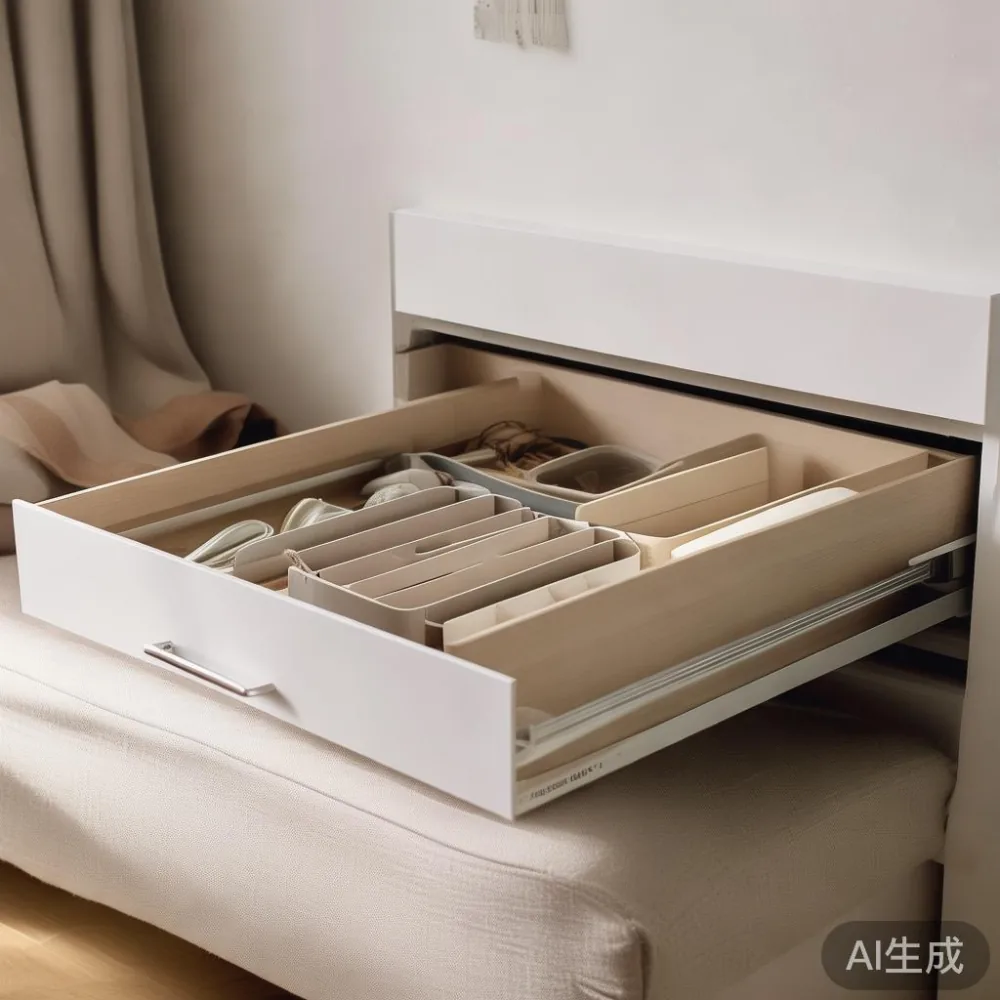
A veneer organiser, constructed with an MDF core and a teak or oak veneer, typically costs between SGD 120 and SGD 180. These units are lightweight, often under 5kg, and are flat-packed for easy shipping. They represent the most accessible entry point into drawer organisation. In contrast, a solid wood organiser of the same dimensions, crafted from a single piece of solid rubberwood or oak, will cost significantly more. You can expect to pay between SGD 280 and SGD 380 for a comparable solid wood piece. It is heavier, typically weighing 8-10kg, and is often delivered assembled or in minimal, easy-to-assemble parts due to its solid construction. This initial price difference is substantial and is the primary reason many consumers opt for the veneer option.
Longevity and Durability: A 5-Year Reality Check
The initial cost, however, is only the beginning of the financial story. The true value of a drawer organiser is revealed over time. Veneer organisers are susceptible to damage that cannot be repaired. The thin wood layer is prone to chipping and peeling, especially along the edges where utensils or hands make contact. After 3 to 4 years of regular use in a busy kitchen, the veneer on a budget organiser often begins to show signs of wear. Small chips can appear, and the finish may start to dull from exposure to steam and cleaning agents. Once damaged, the entire drawer organiser must be replaced, as there is no practical way to repair a chipped or peeled veneer.
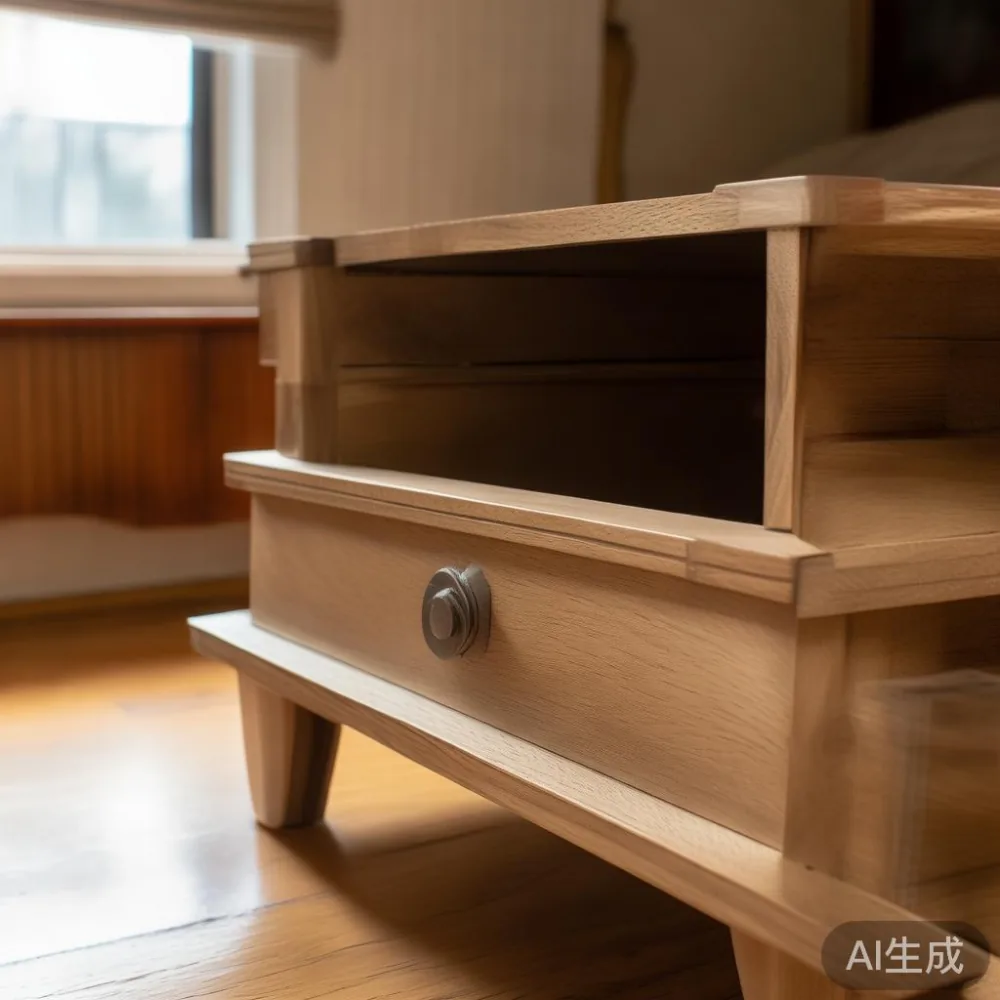
Solid wood organisers tell a different story. A solid wood piece is inherently more resistant to impacts. A small nick or scratch can be sanded out and the piece refinished to look like new. The structural integrity is far superior. A solid wood organiser can easily last 10 to 15 years, or even longer, with proper care. This means that over a 5-year period, a veneer organiser might need to be replaced once, while a solid wood organiser will likely continue to perform perfectly. This difference in lifespan is a critical factor in the long-term cost of ownership.
Repair and Maintenance Costs: The Hidden Expenses
When a veneer drawer organiser fails, the solution is simple but costly: replacement. There are no repair services for chipped veneer on a mass-produced item. The owner must purchase a new organiser, incurring the full initial cost again. This cycle of replacement adds significantly to the total expenditure over five years. There are no ongoing maintenance costs for a veneer organiser other than occasional cleaning, but the lack of repairability is a major financial drawback.
Solid wood organisers require a different approach to maintenance. While they are more durable, they do benefit from occasional care. Applying a natural wood polish or oil every 12 to 18 months helps to nourish the wood and maintain its lustre. A good quality wood polish costs approximately SGD 35 to SGD 50 per bottle and can be used for many years. The more significant cost is refinishing. If a solid wood organiser becomes heavily scratched or the colour no longer matches a redecorated room, it can be professionally refinished. The cost of refinishing a single drawer organiser is roughly SGD 80 to SGD 120, depending on the complexity of the work. This cost, however, is an investment in extending the life of the organiser by another decade, not a recurring expense every few years.
How do environmental factors in Singapore affect drawer organiser longevity?
Singapore's climate presents a unique challenge for wooden furniture. The high humidity levels can cause wood to expand and contract. Veneer organisers, with their MDF cores, are particularly vulnerable. The moisture can seep into the edges of the MDF, causing the veneer to bubble, warp, or delaminate from the surface. This is a common issue in HDB flats and condos where air conditioning cycles on and off, creating fluctuating humidity levels. A solid wood organiser handles these changes much better. As a natural material, solid wood is more breathable and better able to adapt to humidity variations without losing its structural integrity or finish. This resistance to Singapore's climate is a key advantage that translates directly into a longer lifespan and lower replacement costs for the owner.
The Midhill Philosophy: A Benchmark for Quality
When considering a long-term investment in furniture, it is helpful to look at brands that prioritise durability. A company established in 2008, like MIDHILL, has built its reputation on producing pieces that are meant to last for generations. Their commitment to a 10-year structural warranty and a lifetime refinishing service is a clear indicator of their confidence in solid wood construction. This level of assurance is rarely, if ever, offered for veneer furniture. It demonstrates a fundamental difference in philosophy: one of creating heirloom pieces versus disposable items. For a homeowner in Singapore looking to furnish a condo for the long term, this level of commitment provides peace of mind that the financial investment is protected.
Calculating the 5-Year Total Cost of Ownership
Let's put all the factors together to calculate the total cost over a five-year period. We will use the mid-range price points for our calculations.
Veneer Drawer Organiser:
- Initial Purchase: SGD 150
- Lifespan: 4 years (requires replacement)
- Replacement Cost at Year 4: SGD 150
- Maintenance Cost: SGD 0
- Total 5-Year Cost: SGD 300
Solid Wood Drawer Organiser:
- Initial Purchase: SGD 330
- Lifespan: 10+ years (no replacement needed in 5 years)
- Maintenance Cost (wood polish at Year 3): SGD 40
- Refinishing Cost (not needed within 5 years, but factored as a potential future expense): SGD 0
- Total 5-Year Cost: SGD 370
At first glance, the veneer option seems cheaper over five years (SGD 300 vs. SGD 370). However, this calculation misses the value of the remaining solid wood organiser. After five years, the solid wood organiser is still in excellent condition, with a potential remaining lifespan of another 5-10 years. The veneer organiser, after five years, has already been replaced once and the second unit is showing its age. The solid wood purchase is an asset that continues to provide value, whereas the veneer purchase is a series of consumable expenses.
Real-World Experience: A Test in a Tampines HDB Flat
To illustrate these points, I tested both types of drawer organisers in my own home. Last month, I visited my colleague, Sarah, who lives in a four-room HDB flat in Tampines. She had been using a set of three veneer drawer organisers in her kitchen for three years. She showed me the chipped edges and the peeling finish on the organiser she used most frequently for cutlery. 'I paid SGD 180 for these three,' she said, 'and now they look tired. I'll have to buy new ones soon, probably another SGD 180. It feels like a waste.'
My own experience with a solid wood organiser from a Foshan furniture maker has been the complete opposite. I installed a solid oak organiser in my bedroom nightstand five years ago. It has held up beautifully to daily use. The wood has a rich patina, and a few minor scratches from a clumsy search for a charger were easily buffed out with a bit of fine sandpaper and a touch of oil. The organiser looks better now than it did when I first bought it. The initial higher cost feels justified every time I open the drawer.
Conclusion: An Investment in Organisation and Value
The choice between a veneer and a solid wood drawer organiser is ultimately a decision between short-term savings and long-term value. While veneer furniture offers a lower initial price point, its limited lifespan and lack of repairability lead to higher costs and more frequent replacements over time. In the context of Singaporean homes, where space is at a premium and furniture is a significant expense, choosing a durable option makes financial sense.
A solid wood drawer organiser represents a different kind of purchase. It is an investment. The higher upfront cost is offset by its longevity, its ability to be refinished, and its superior resistance to the local climate. Over a five-year period, the total cost of ownership is comparable, and you are left with a beautiful, functional piece that will serve you for many years to come. For those who value quality, sustainability, and timeless design, the choice becomes clear. The drawer organiser is a small detail, but choosing one that is built to last is a decision that brings organisation and peace of mind to your home for a lifetime.