The Silent Enemy: How Southeast Asia's Humidity Affects Your Wood Furniture
Living in Singapore, from the high-rise apartments of Tampines to the landed homes in Punggol, we are surrounded by beauty. We design our spaces with care, selecting a solid wood sofa for the living room, a marble table for the dining area, and a sturdy wardrobe for the master bedroom. These pieces are more than just furniture; they are investments in our comfort and style. But there is a constant, invisible force at work in our homes that can silently compromise this investment: humidity. Understanding how moisture interacts with wood is the first step towards preserving the beauty and integrity of your furniture for years to come.
What Exactly Does Humidity Do to Solid Wood?
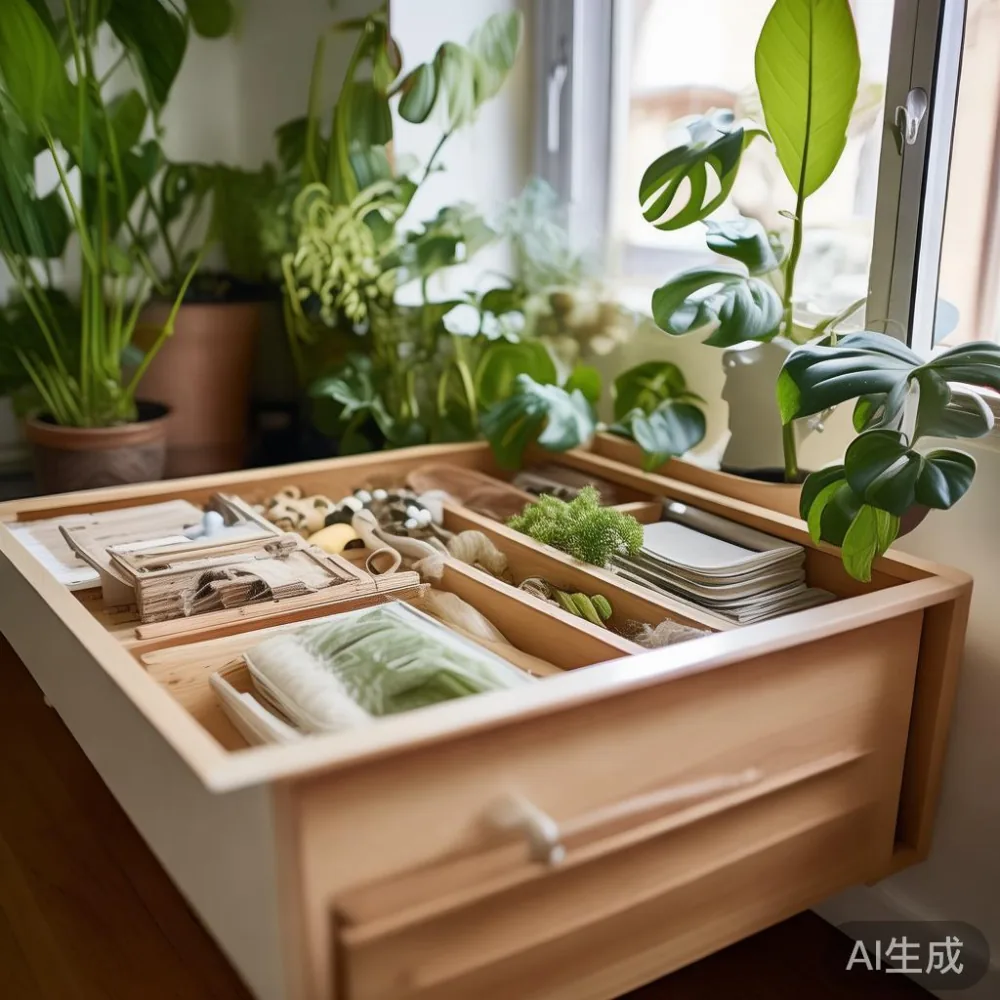
Wood is a natural, hygroscopic material. This scientific term simply means it absorbs and releases moisture from the air. Think of it like a sponge. In Singapore, the relative humidity often hovers between 70% and 90%, especially during the monsoon season. This constant exposure to moisture causes the wood fibers to absorb water, leading them to swell. Conversely, on drier days or when the air-conditioning is running, the wood releases moisture and contracts. This natural cycle of expansion and contraction is the root of most humidity-related problems.
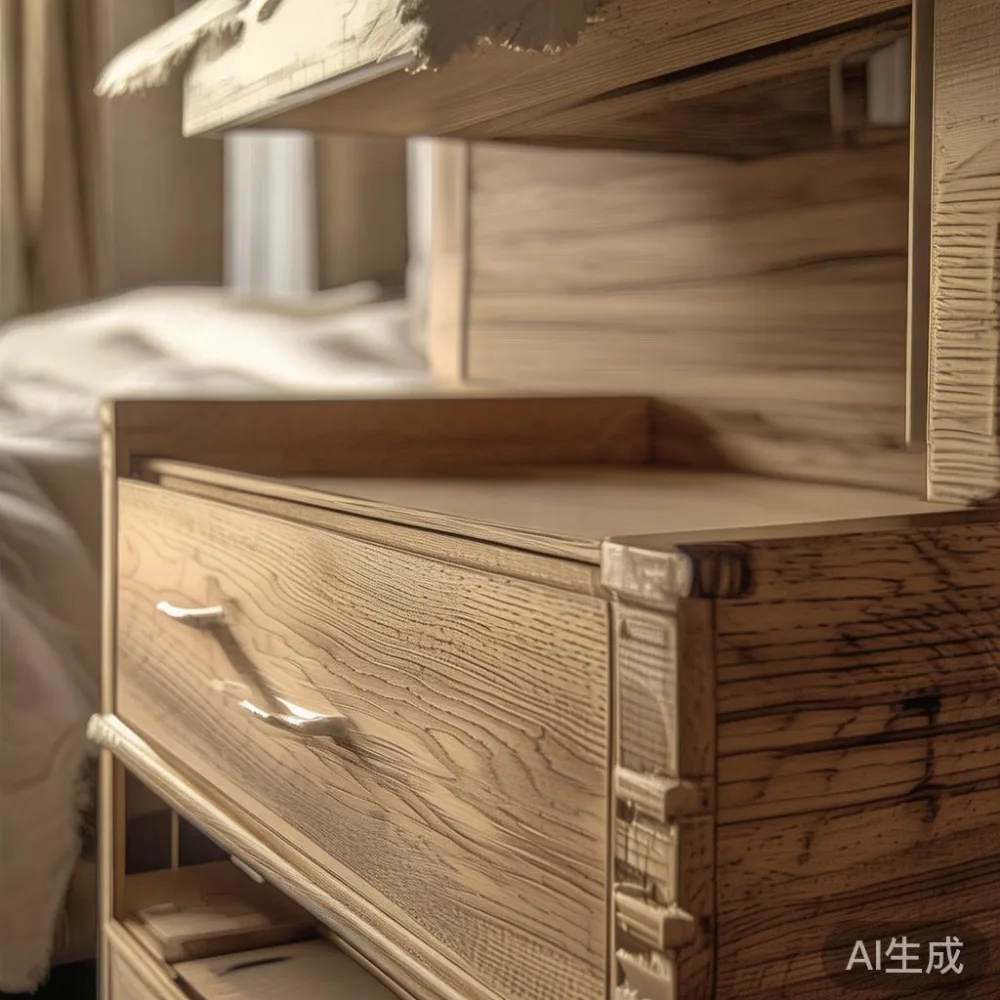
The most common visible effect is gapping. You might notice small cracks appearing on the surface of your solid wood dining table or the panels of your wardrobe. This happens as the wood dries and shrinks across the grain. While a little movement is normal for solid wood, excessive gaps can weaken the joints and affect the furniture's structural integrity. Another issue is 'cupping' or 'warping,' where a flat surface like a tabletop or a nightstand begins to bend or twist. This uneven pressure can cause stress on the entire piece, leading to further damage over time. The goal is not to stop this movement entirely, but to manage it effectively.
How Singapore's Unique Climate Accelerates Wood Fatigue
Singapore's climate presents a unique challenge for wood furniture. Unlike countries with four distinct seasons, our environment cycles between high humidity and artificially cooled, drier conditions. This rapid and frequent fluctuation puts a tremendous amount of stress on the wood. Imagine a rubber band being stretched and released hundreds of times a day; eventually, it loses its elasticity and becomes brittle. Wood behaves similarly. The constant swelling and shrinking can fatigue the material, making it more susceptible to cracking, warping, and joint failure.
Consider the environment in an HDB flat or condominium. The lift and corridor widths are standardized, and furniture must often work through tight spaces to get into your home. Once inside, a piece like a European bed or a large wardrobe might be placed near a window or an air-conditioning vent. This creates micro-climates where the temperature and humidity levels are drastically different from the rest of the room. For instance, an air-conditioner blasting cold air directly onto a solid wood bed frame can cause one side of the wood to dry out much faster than the other, leading to a noticeable warp or twist. Understanding these localized environmental factors is key to protecting your furniture.
Can a Simple Drawer Organizer Really Make a Difference?
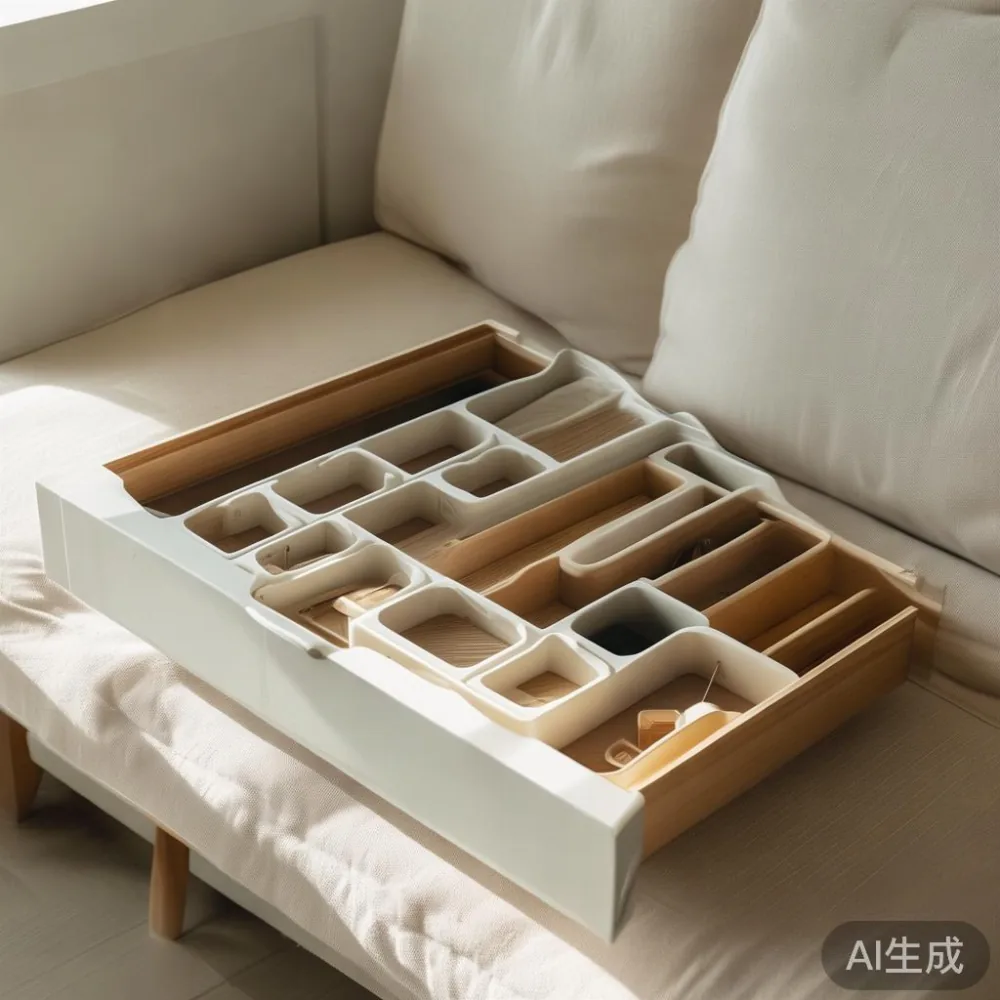
This is a question many homeowners ask, and the answer is yes, but not in the way you might think. A drawer organizer, by itself, is not a humidity barrier. Its primary function is to keep your belongings tidy and prevent them from scratching the interior of the drawer. However, the act of using a drawer organizer correctly is part of a larger, more important practice: proper care and maintenance. When you use a drawer organizer, you are more likely to keep the drawer's contents neat, which prevents overstuffing. An overstuffed drawer puts pressure on the drawer slides and the wood itself, which is already under stress from humidity.
Also, a well-organized drawer allows air to circulate more freely within the compartment. While not a complete solution, this minor improvement in airflow can help reduce the buildup of moisture that might get trapped between items. A damp cloth left in a drawer, for example, can slowly release moisture into the wood over time. By using a drawer organizer to keep items separated and dry, you are indirectly contributing to the health of the furniture. It's a small detail, but in the context of managing a humid environment, every little bit helps.
Choosing the Right Wood and Construction for Singapore
Not all wood is created equal for humidity resistance. For furniture destined for Singapore's climate, the choice of wood species and construction method is paramount. Hardwoods like teak, oak, and walnut are generally better choices than softwoods like pine. Teak, for instance, is naturally rich in oils that make it highly resistant to moisture and decay. Oak is a dense, stable hardwood that moves less with changes in humidity. These woods are often used in higher-end pieces, such as the MIDHILL TV console, which is designed to withstand the rigors of a tropical climate.
Equally important is the construction technique. Look for furniture that uses 'mortise and tenon' joints or 'dovetail' joints. These interlocking mechanical joints are much stronger and more resistant to pulling apart than simple glued or nailed joints, which can fail as the wood expands and contracts. A well-constructed piece will have some 'give' to accommodate the natural movement of the wood without compromising its structure. When you are shopping for for sale European light luxury furniture, pay close attention to these details. A beautifully designed piece that is poorly constructed will not last in our climate.
Practical Daily Habits for Protecting Your Wood Furniture
Beyond choosing the right furniture, there are several practical habits you can adopt to protect your investment from the effects of humidity. First, maintain a consistent humidity level in your home. Using a dehumidifier, especially in bedrooms and living areas, can help reduce moisture levels during the most humid periods. Conversely, using a humidifier during very dry days (when the air-conditioning is on full blast) can prevent the wood from drying out too quickly. A comfortable relative humidity level for wood furniture is generally between 40% and 60%.
Second, be mindful of placement. Avoid placing wood furniture directly in front of air-conditioning vents, heaters, or in direct sunlight, as these create extreme temperature and humidity fluctuations. Use coasters under glasses and placemats on your dining table to protect the finish from moisture rings. Clean your furniture with a soft, damp cloth and immediately wipe it dry. Never let water or cleaning solutions sit on the surface. For items like a best Vintage bed for 2026 or a nightstand, regular dusting with a soft, dry cloth helps remove dust particles that can hold moisture against the wood's surface. These simple, consistent actions can dramatically extend the life and beauty of your furniture.
Is Japanese Sofa Worth It in a Humid Climate?
The question of is Japanese sofa worth it often comes up, especially for those living in smaller Singapore apartments. Japanese-style sofas are known for their low-profile, minimalist design and often feature natural materials like linen, cotton, and light-colored woods. While the aesthetic is appealing for a small living room, the material choice can be a concern in a humid climate. Natural fabrics like linen and cotton can absorb moisture from the air, potentially leading to musty smells or mold growth if not properly cared for.
The frame of a Japanese sofa is another consideration. If it's made from solid wood, it will be subject to the same swelling and contraction as any other wooden furniture. However, the low-profile design means there is less wood involved, which can sometimes mean less stress on the joints. Ultimately, the value of a Japanese sofa comes down to personal preference and lifestyle. If you love the look and are prepared to maintain it with regular vacuuming and airing out, it can be a beautiful addition to your home. Just be aware of the maintenance requirements that come with its natural materials.
A Personal Look at Furniture Longevity in Singapore
Last month, I visited a client in her Bedok apartment. She had purchased a solid wood dining table from us over 8 years ago. The table was a beautiful piece with a rich walnut finish. She mentioned that for the first few years, she struggled with small gaps appearing between the planks, especially after the rainy season. She was worried the table was defective. I explained that this was normal for solid wood and that the key was to care for it properly.
We walked through her daily routine. She had been using coasters consistently, which was great. But she had been placing the table directly under a ceiling fan to keep it cool. The constant airflow was causing the top surface to dry out faster than the base, leading to uneven movement. I suggested she move the table to a less drafty spot and start using a humidifier in the dining room during the driest months. When I saw her table last month, the gaps had significantly reduced, and the wood had a healthy, consistent luster. Her experience was a perfect example of how understanding and adapting to the local climate can make all the difference in preserving a piece of furniture.
European vs. French Provincial: Which Bed is Better for Singapore?
When choosing a bed frame, homeowners often debate styles like a European bed vs French provincial bed. The choice often comes down to aesthetics, but there are practical differences that matter in a humid climate. A typical European-style bed frame is often characterized by clean lines, minimalist design, and a lower profile. It usually features a simple, solid rectangular headboard and footboard. This simplicity means there are fewer intricate carvings or joints that can be affected by moisture-related swelling.
A French provincial bed, on the other hand, is known for its ornate details, curved legs, and elaborate headboard carvings. While stunningly beautiful, these intricate designs can be a weakness in a high-humidity environment. The joints in the curved legs and the detailed panels on the headboard are more prone to stress as the wood expands and contracts. For a Singapore home, a European-style bed's simpler construction often offers better long-term durability. However, if you love the French provincial look, just ensure it is made from a stable hardwood and has solid joinery to withstand the climate.
Small Space Solutions: European Furniture for Your Living Room
In Singapore, where living spaces can be compact, finding furniture that is both stylish and space-efficient is a priority. Many people search for European for small living room solutions, and for good reason. European design philosophy often emphasizes functionality and clean lines, making it ideal for smaller areas. A low-profile European sofa, for example, doesn't overwhelm the room and creates a sense of spaciousness.
When selecting furniture for a small space, consider the dimensions carefully. A sofa that is 220 cm long might be too large for a living room in a Tampines HDB flat, which typically has a smaller footprint. Instead, look for a sofa that is around 180-200 cm long. Modular furniture is another excellent option, as it can be configured to fit your exact space. The key is to choose pieces that are proportionate to the room. A well-chosen European-style sofa can make a small living room feel open, airy, and sophisticated without sacrificing comfort.
The Japandi Trend: Is It Right for Singapore's Humidity?
The Japandi style, a blend of Japanese minimalism and Scandinavian functionality, has become incredibly popular. People looking for for sale Japandi furniture are often drawn to its emphasis on natural materials, neutral colors, and uncluttered spaces. The core materials in Japandi design—light-colored woods like oak or ash, linen, cotton, and rattan—are beautiful but can be sensitive to humidity.
Light-colored woods, while aesthetically pleasing, are more prone to showing water stains and can be affected by humidity fluctuations more than darker woods. Rattan and cane, while natural, can absorb moisture and may require occasional drying out in the sun to prevent mold. If you are a fan of the Japandi aesthetic, it is absolutely achievable in Singapore, but it requires a commitment to maintenance. Be prepared to wipe down rattan furniture regularly, protect wooden surfaces from spills, and control the indoor climate to keep your Japandi pieces looking their best.
MIDHILL's Approach: Craftsmanship Designed for the Tropics
As a furniture maker established in 2008 with a presence in over 15 countries, MIDHILL has learned a great deal about crafting furniture that lasts in diverse climates. Our process begins with selecting the right timber species known for their stability in humid conditions. We then employ time-tested construction methods that allow the wood to move naturally without compromising the furniture's structure. For example, we use 'floating' tabletops on dining tables and consoles, which are attached with clips instead of being glued directly to the base. This allows the top to expand and contract freely.
We understand that our customers in Singapore, from condo dwellers to homeowners in Punggol, need furniture that is both beautiful and resilient. That is why we offer a 10-year structural warranty and a lifetime refinishing service. We stand behind our work because we build our solid wood beds, wardrobes, and dining tables to be enjoyed for generations. Free shipping on orders over SGD 1,500 and a 14-day return policy provide our customers with peace of mind, ensuring they can furnish their homes with confidence.