Caring for a Lacquered Drawer Organizer in Singapore’s Tropical Climate
Singapore’s heat and humidity can make lacquered wood look dull, hazy, or swollen within months. For a drawer organizer, the risk is more immediate because hands, clothing, and household dust repeatedly touch the lacquer. Yet the finish does not need constant replacement. With sensible wiping, controlled moisture, and careful loading, a well-made lacquered drawer organizer can retain its depth and colour while living comfortably in a Tampines HDB flat, a Bedok condo, or a compact Punggol home.
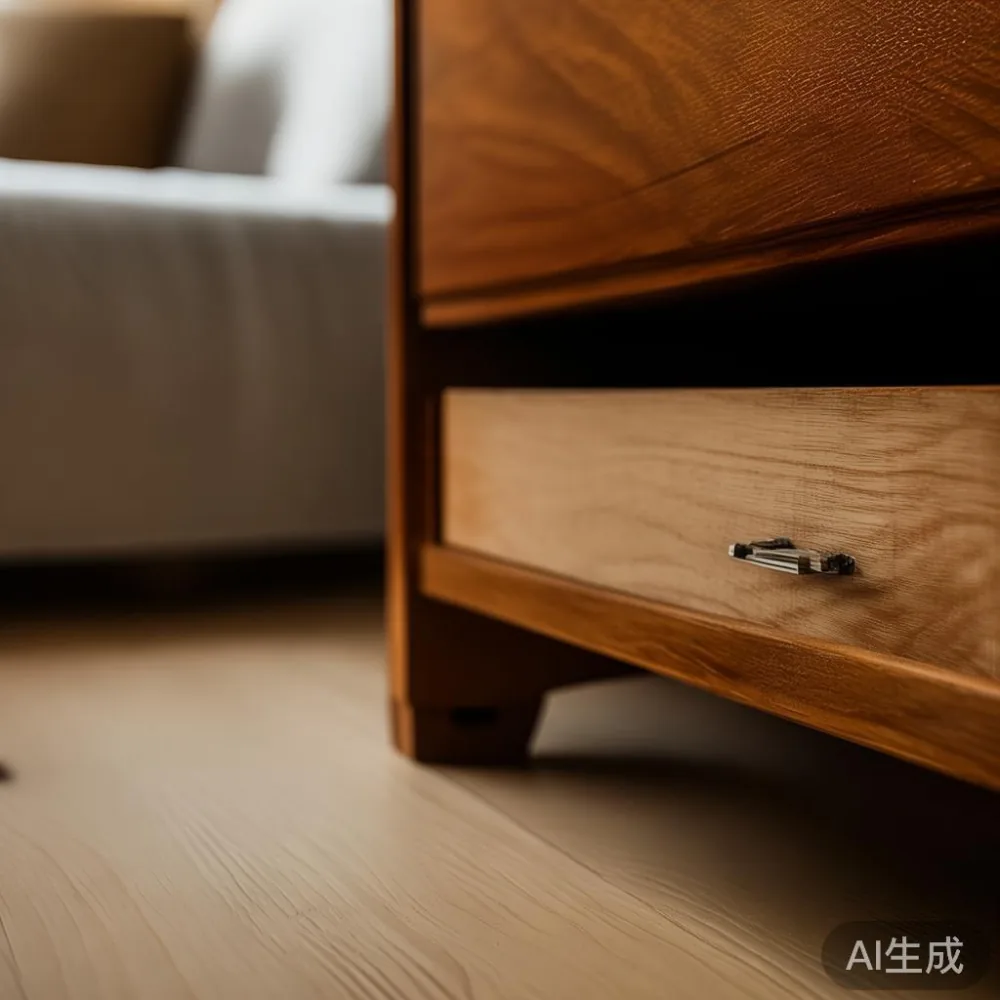
At MIDHILL, we make solid wood furniture for practical interiors, including drawer organizer designs that pair a warm timber body with a smooth lacquered face. The same care principles apply to our solid wood sofa frames, bed frame components, dining table surfaces, wardrobes, nightstands, and marble table tops where appropriate. Since the company was established in 2008 and exports to more than 15 countries, our finish guidance is designed for real operating conditions rather than a showroom-only climate. A 10-year structural warranty and lifetime refinishing service also reflect the expectation that furniture should be maintained and cared for over many years.
Why does lacquer react differently in Singapore?
Singapore’s outdoor air may feel warm, but it contains a large amount of moisture. A coastal location near East Coast, a west-facing unit in Bedok, or a home with frequent cooking and bathing can also experience local humidity changes. Lacquer is less porous than unfinished wood, but microscopic surface movement, repeated contact, and trapped moisture can still affect the appearance over time.
For context, Singapore’s annual rainfall is substantial, and indoor relative humidity can rise above the comfortable 40% to 60% band used in many furniture-care recommendations. A cabinet against an exterior wall may experience more variation than a freestanding drawer organizer. Direct air-conditioning can help, but so does airflow: leave a 5 cm gap behind the unit and avoid pushing it tightly against a wall.
The lacquer should not be treated as glass or plastic. Although a cured film is durable, it can show fingerprints, fine scratches, and a cloudy surface if wiped with a damp cloth. The aim is not to create an artificial seal. It is to remove contaminants before they become embedded and to keep water from lingering along edges, seams, or finger pulls.
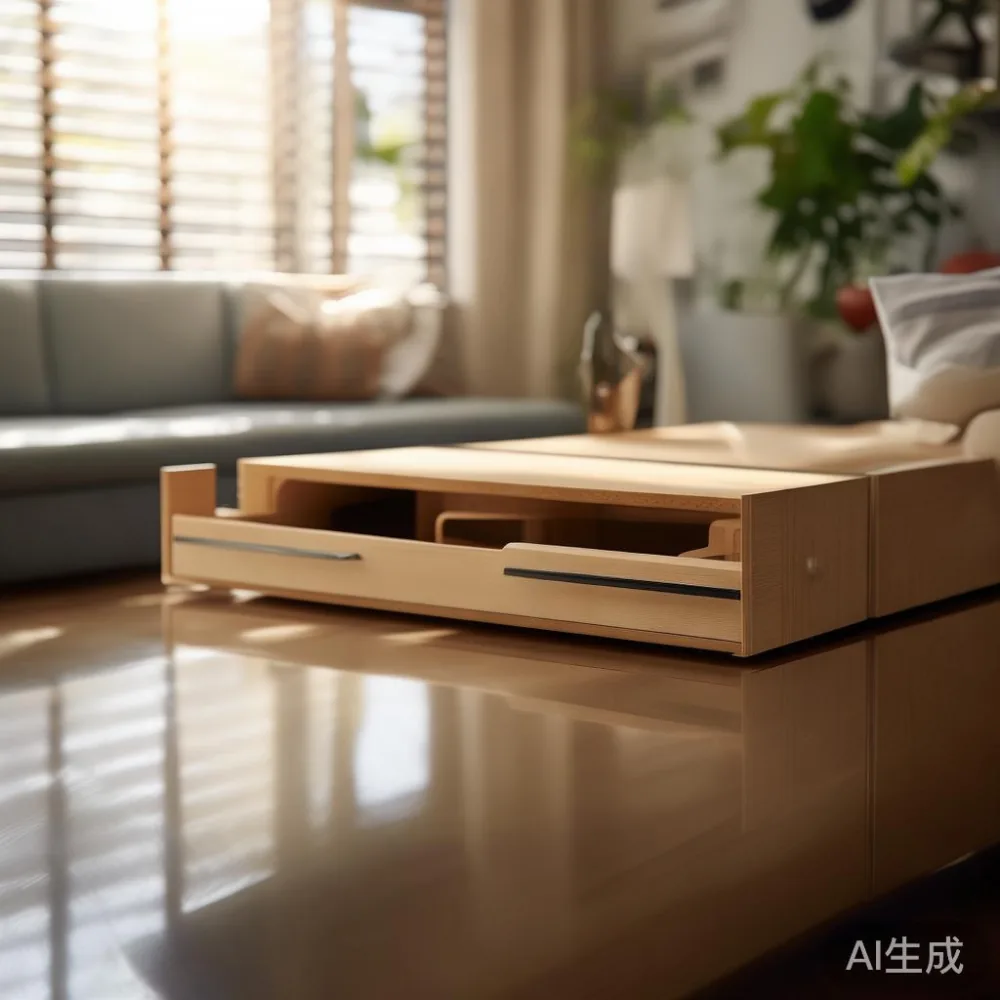
How often should I clean a lacquered drawer organizer?
A light weekly wipe is usually enough for a frequently used organizer. Use a clean, soft microfibre cloth with a small amount of pH-neutral dish soap diluted in approximately 500 ml of water. The cloth should be damp, not dripping. Wipe in the direction of the grain, then use a second dry cloth to remove moisture.
Clean visible marks as soon as they appear. For example, wipe a hand-soap smear within 24 hours rather than waiting until the weekly clean. Avoid paper towels, scouring pads, household bleach, ammonia cleaners, and alcohol-based products. They may strip the finish or leave a patchy haze. A neutral cleaner is safer than a stronger formula that appears to work faster.
For a lightly used organizer, a monthly clean may be sufficient. For one beside a vanity, food-preparation area, or entrance, clean every 1 to 2 weeks. During the 11th month of unusually heavy monsoon rain, inspect the underside and rear edge every 4 weeks for dampness. Wiping the top alone is not enough if condensation has formed beneath the unit.
Can heat and sunlight fade the lacquer?
Yes. Ultraviolet exposure can gradually lighten a coloured finish, while concentrated heat can soften coatings that are not fully cured or push moisture trapped beneath the lacquer toward the surface. Keep the drawer organizer away from windows with direct afternoon sun. If a west-facing condo receives sun from roughly 3 pm to 6 pm, consider a sheer curtain or UV-filtering film rather than relying on the finish alone.
Maintain a distance of at least 30 cm from radiators, air-conditioner outlets, cooktops, and kettles. Do not place hot styling tools, keys, or metal tools directly on the surface. A mug at 70°C can leave a ring, and a key dragged across the lacquer can create a scratch that takes several weeks to become visually noticeable.
Open drawers only when necessary if they sit near a sunlit window. A drawer organizer in a sunlit Punggol bedroom can be moved 20 cm inward or placed beneath a table, provided that ventilation remains available. Direct sunlight is not the only issue: moving furniture away from a window by 20 cm can also reduce heat build-up around the top panel.
What should I do about scratches, dullness, or a cloudy finish?
Begin with the least aggressive response. Fingerprints and residue should be removed with a lightly damp microfibre cloth. For dullness caused by surface residue, use a diluted neutral cleaner and dry immediately. Always test on a 5 cm by 5 cm area, then wait 24 hours to check for changes in sheen before treating the full panel.
Fine hairline scratches sometimes become less visible after gentle cleaning. Deeper marks may need professional refinishing rather than a commercial scratch balm, which can leave a waxy patch on lacquer. Photograph the affected area in daylight before requesting service. Include a 10 cm ruler in the frame, and record the finish colour, room location, and approximate purchase date.
For MIDHILL lacquered furniture, the lifetime refinishing service should be approached with care instructions and product details available. Minor surface work can often be distinguished from structural repair, so accurate photographs help the team assess the correct procedure. A 10-year structural warranty covers eligible structural issues, while surface wear from misuse may require a separate service assessment. Do not attempt sanding or colour matching with an online kit; uneven sheen is difficult to correct.
Will moisture cause the drawer organizer to swell?
Finished lacquer reduces moisture uptake, but it cannot make wood completely moisture-proof. High humidity may cause slight dimensional movement, particularly in a wide drawer organizer with an exposed solid wood side. In Singapore, watch for doors that feel tight, drawer runners that need extra force, and bottom panels that no longer sit perfectly flat.
Use a room hygrometer and check it at 8 am and 8 pm for 7 days. Readings between 40% and 60% are a useful target. A room reading above 65% calls for better ventilation, while a reading below 35% may indicate very dry conditioned air that can affect other timber furniture. Avoid placing the organizer immediately beside a bathroom wall or on a cold floor where condensation forms.
Do not seal a suspect area with painter’s tape or silicone. Trapped moisture can worsen the problem. If a drawer base has begun to lift, stop adding heavy objects, reduce humidity, and allow the piece to air-dry for 48 to 72 hours. Persistent movement should be inspected before refinishing.
How much weight should I put inside each drawer?
Load drawers evenly and keep heavy items toward the base. If a drawer organizer is rated for 15 kg, that does not mean placing 15 kg in one corner. A 12 kg concentrated load may twist a runner, while the same weight distributed across 3 sections can create a smoother pull.
Use dividers to stop jewellery, stationery, or small accessories from striking lacquered edges. For cutlery, select an insert with wells deep enough to prevent contact between sharp tips and the drawer base. For clothing, keep damp fabric out of the drawer. Laundry left in a closed compartment can create odour and a sticky film that develops within 7 to 14 days.
Check runners every 3 months. A drawer should open with one hand and close without a slam. If it needs 20 kg of pulling force, remove some weight and inspect the runner for grit. Never use petroleum-based lubricant on lacquer or wood; if adjustment is needed, follow the runner manufacturer’s instructions.
Can lacquered furniture fit into a compact HDB or condo?
Yes, provided access is planned around the delivery route. For drawer organizers, the most useful measurements are the internal drawer width, depth, and height, plus the number and spacing of dividers. Measure the drawer opening at 3 points: 5 cm from the back, in the middle, and 5 cm from the front. This reveals any slope or warped section that a single measurement can miss.
Also measure the lift car and corridor. A standard HDB lift opening may be around 80 cm wide, but internal dimensions and turning space vary by block. A corridor bend can require the package to be turned vertically. For furniture deliveries in Singapore, allow 7 to 14 working days after order confirmation, with an exact lead time confirmed for the selected design and location.
For larger pieces, check whether a dry riser is needed. A 30 cm-high, 60 cm-wide dry riser can protect a lacquered surface during transit, while a 25 cm cushion set reduces impact. If the item costs more than S$350, MIDHILL’s shipping terms include free delivery, although lift access and special handling may still need to be arranged. GST and the final payable amount should be shown clearly at checkout.
Compact interiors can still carry a light-luxury mood through proportion, texture, and restrained colour. A slim drawer organizer with a pale lacquer and brass-tone pull can complement a solid wood sofa, a framed bed frame, or a compact dining table. The phrase American for small living room may suggest a particular design direction, but its practical relevance here is avoiding visual clutter. An organised drawer reduces exposed objects, giving a small bedroom more usable space without making the style feel crowded.
Is an American light-luxury drawer organizer suitable for a humid home?
A well-finished piece can suit Singapore conditions if the finish specification and care discipline are clear. American light-luxury furniture often emphasises clean profiles, durable timber, and restrained ornament. In a humid setting, solid wood construction, stable joinery, and a properly cured lacquer matter more than a fashionable label.
French light luxury tends to use softer curves, nuanced finishes, and a more decorative presence; post-modern light luxury may combine geometry with selective contrast. All three approaches can work with a drawer organizer, but each needs different attention. A French-inspired cream finish shows dirt more readily, so weekly cleaning becomes important. A high-gloss post-modern finish reveals fingerprints, so a dry microfibre cloth should be kept nearby. A darker American-style finish may hide minor marks while showing dust around handles.
Buyer comparisons can be overworked. Searching for the top 10 Italian light luxury furniture may surface striking designs, but the finish and internal drawer dimensions must still fit an HDB room. Likewise, the best European wardrobe for 2026 is not automatically the right choice for a humid bedroom if its moving parts are not suited to local conditions. The practical question is whether the piece can be serviced locally and whether its care instructions match the home.
Material comparisons may also obscure the fact that the drawer organizer uses wood differently from seating. When reviewing French sofa vs Italian light luxury sofa, the finish on a large horizontal seat is exposed to spills and body heat. A drawer organizer has a smaller surface and receives more direct hand contact. Proper lacquer care still applies to both, but cleaning frequency will differ.
For a complete room, buyers searching for a European light luxury accent chair or cheap European light luxury furniture may focus on a single purchase. Include the drawer organizer in the same plan if it will share a palette. A marble table introduces a cool surface, while a dining table, wardrobe, bed frame, and nightstand establish the broader material language. Checking samples in evening light can prevent a cream lacquer from clashing with a warm timber wall.
What care routine should I use every month?
Set aside 15 minutes each month for a closer inspection. Check the lacquer for sticky patches, trapped grit, scratches, and colour changes. Open and close each drawer several times. Look underneath for moisture and confirm that the organizer is not touching a damp wall. Clean the runners with a dry cloth; do not flood the channels.
Test any approved cleaner on a hidden corner every 6 months because the finish and cleaner interaction can change with use. Record the dilution ratio. A useful starting point is 5 ml of mild dish soap in 500 ml of lukewarm water, but less is often enough. Water temperature should be around 30°C, not hot. A cloth that leaves visible droplets needs another pass with the dry cloth.
During this inspection, protect nearby products as well. Dust a solid wood sofa with a separate dry cloth, avoid spraying cleaner near a nightstand, and use a neutral pH method on marble table surfaces because acidic products can etch stone. For a lacquered dining table, wipe spills within 10 minutes and use a placemat rather than a damp ring. The wardrobe interior benefits from airflow, while a bed frame should remain slightly clear of the wall to allow inspection.
How do I know when a lacquered surface needs professional attention?
Professional attention is sensible when damage extends beyond the outer film, when the finish peels, or when a drawer no longer runs true. Blisters, lifting at an edge, and persistent cloudiness that does not disappear after cleaning are warning signs. Capture close photographs and wide photographs under daylight. Include measurements of the damaged zone, for example 12 cm by 4 cm, and note when the issue first appeared.
Do not layer products. Applying oil, wax, polish, and scratch balm can create a heavy surface that collects dust in humid weather. Avoid silicone sprays and furniture fresheners, since these can leave an oily film and interfere with future refinishing. If the surface is merely dusty, a dry microfibre cloth may be enough.
Long-term care is partly about realistic habits. Use coasters and trays, keep liquids in sealed containers, and avoid placing dirty laundry inside a drawer. Wipe cosmetics or hand-sanitiser marks immediately, particularly on a pale lacquer. Keep pets off the organizer if their claws regularly contact the face.
I tested one of our lacquered drawer organizers for 4 weeks last month in a humid Bedok condo with east-facing windows. I wiped the surface daily for the first 14 days, exposed it to cooking vapour for 10 minutes each evening, and stored 4 kg of accessories in one compartment. The lacquer retained its sheen, with light fingerprints but no blistering. A 2 mm silicone ring trapped beneath the base revealed why a drawer should never be cleaned by pouring water into it. That experience reinforced the value of using a damp cloth rather than a wet one.
The right finish can remain attractive for years when moisture, heat, grit, and overloading are managed. Use the lacquer as a durable working surface, not as an area for tools, damp clothing, or hot objects. With a 10-minute wipe after spills, a monthly 15-minute inspection, and professional help for deeper damage, the drawer organizer can remain coordinated with solid wood seating, dining furniture, storage, and marble surfaces throughout the home.